
As the global retail calendar approaches its most intense commercial weekend, digital infrastructure experts are issuing urgent warnings to online merchants regarding website performance and server capacity. With Black Friday 2026 scheduled for November 27, e-commerce platforms are being advised to size their hosting environments for peak traffic, streamline key landing pages, and rigorously test their checkout processes long before the first promotional campaigns go live.
Industry data underscores that speed remains the single most critical factor in retaining online consumers. Shoppers routinely abandon digital storefronts that fail to load instantaneously, meaning every additional second of latency directly translates into lost revenue and visitors who never make it to the payment gateway. To maintain responsiveness through the heavy traffic surges of Black Friday and Cyber Monday, web administrators must look beyond simple daily visit metrics and focus heavily on simultaneous user capacity.
Concurrency metrics remain far more important than cumulative daily visits because web servers can only process a finite number of requests simultaneously once queues fill, pages stall or stop rendering entirely. Industry standards suggest that a single promotional email blast can deliver an entire day’s worth of standard traffic within a matter of minutes. Experts recommend calculating baseline concurrent user metrics by multiplying peak hourly sessions by average session duration in seconds, then dividing by 3,600. For instance, a store experiencing 6,000 sessions during its busiest hour with an average session duration of 240 seconds will yield approximately 400 concurrent users. This figure should be treated as a strict minimum threshold rather than a target.
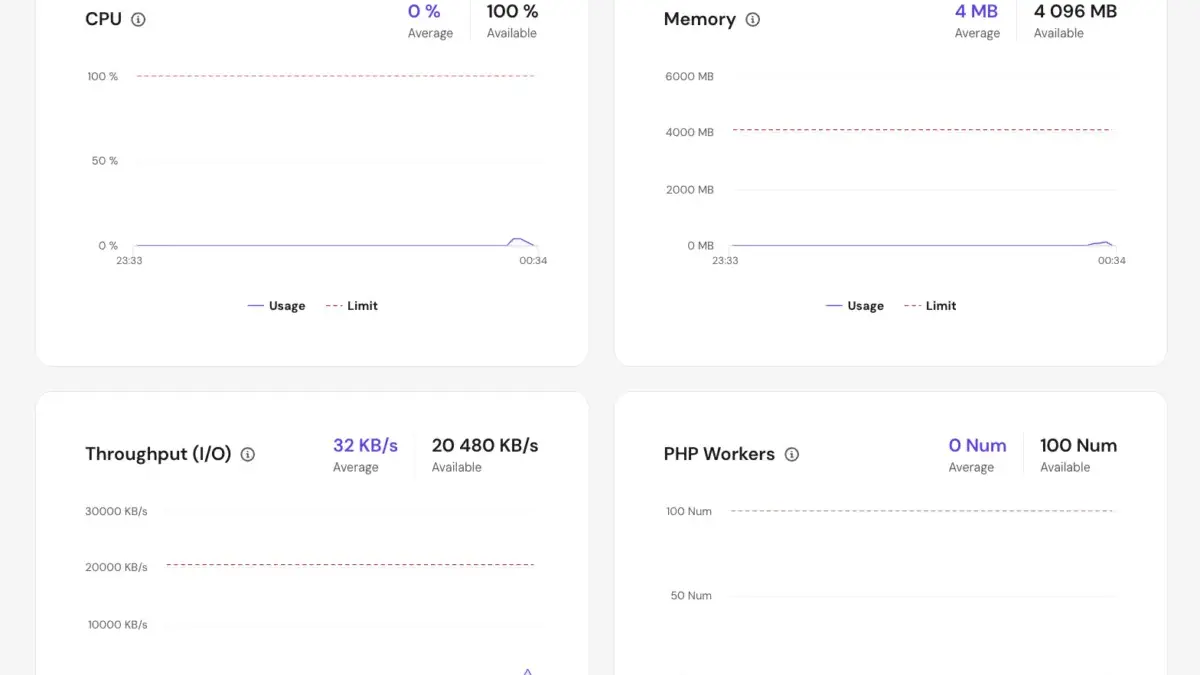
Furthermore, different stages of the shopping journey place varying degrees of stress on server resources. General browsing of product catalogs consumes significantly fewer system resources than executing database queries for cart additions or running secure checkout scripts. Hosting limitations are typically bound by server constraints such as CPU capacity, available memory, input-output throughput, and PHP worker limits. While many providers advertise unlimited bandwidth, network data transfer capacity is entirely distinct from the actual processing power required to handle thousands of simultaneous compute requests.
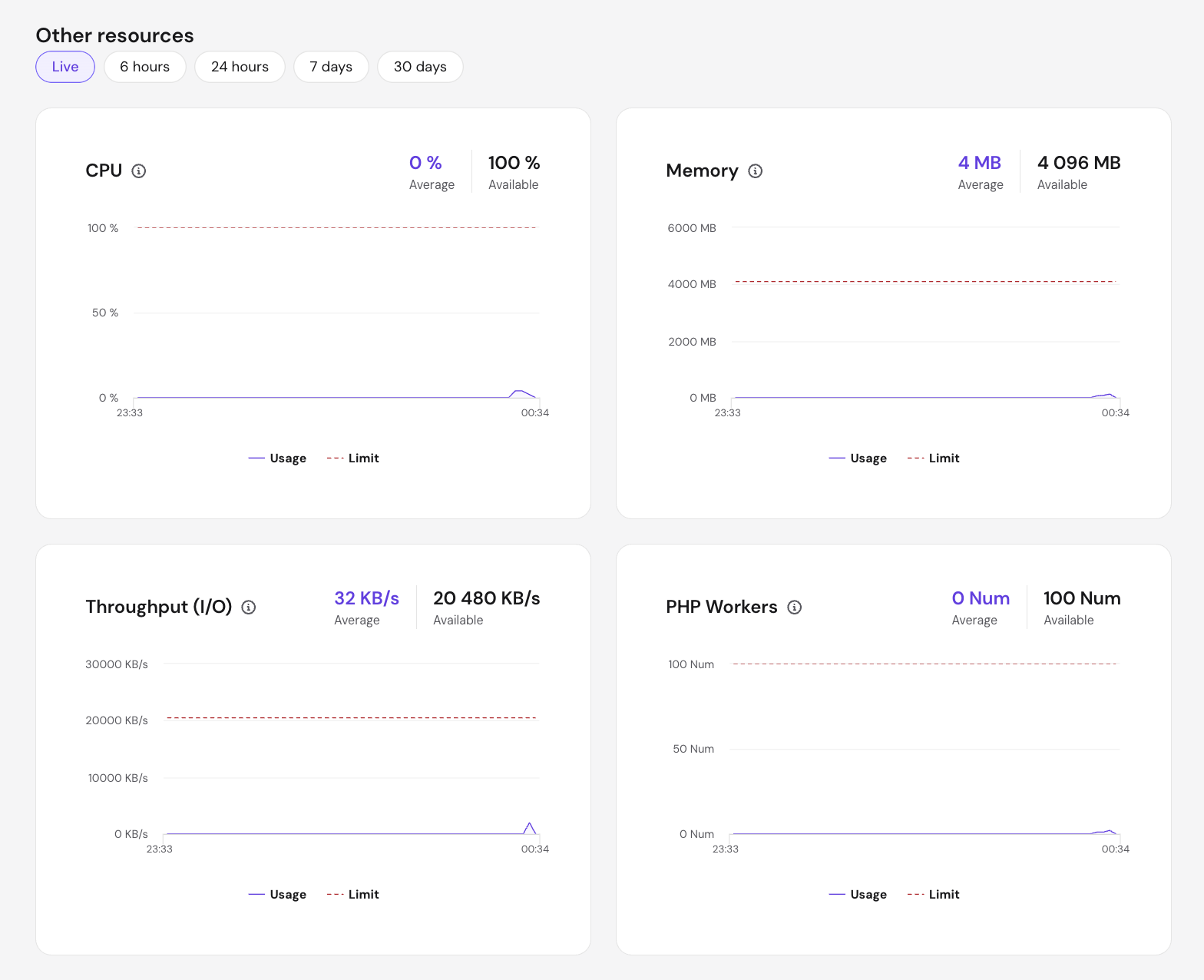
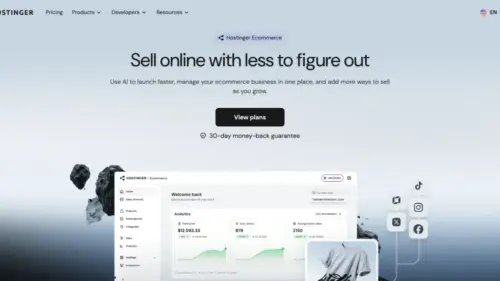
To mitigate sudden surges without requiring permanent enterprise infrastructure upgrades, many hosting platforms offer temporary capacity boosts. For example, platforms like Hostinger provide automated resource boosting options via their control panels, allowing merchants to scale up their server capabilities temporarily during their single busiest operational window or span the entire Black Friday through Cyber Monday weekend.
Beyond raw hosting power, simulating realistic traffic conditions through comprehensive load testing is vital for identifying hidden bottlenecks. Retailers are encouraged to run virtual shoppers through the entire purchase funnel—including browsing, cart modifications, and final payment processing—under simulated peak concurrency conditions. Different testing methodologies serve distinct diagnostic purposes, ranging from standard load tests that simulate anticipated traffic to spike tests that evaluate how gracefully a system recovers from sudden marketing surges. Stress tests push systems beyond normal peak limits to identify breaking points, while soak tests evaluate long-term stability under sustained elevated pressure.
Load testing tools such as k6 and BlazeMeter allow developers to script virtual user behaviors that mirror actual consumer habits, typically split between browsing, cart updates, and checkout attempts. Crucially, experts caution against routing live payment gateway traffic through simulated load environments, as third-party payment processors like Stripe enforce strict request thresholds that can generate misleading error codes. Instead, payment calls should be mocked during stress evaluations and tested separately. Additionally, high PageSpeed benchmark scores should not be mistaken for load test validation, as speed scores typically measure isolated pages under fixed conditions rather than system-wide performance under heavy concurrent demand.
Optimizing front-end assets is another critical line of defense. Campaign landing pages, promoted collections, and top-selling product pages must be kept lightweight through image compression, lazy loading for below-the-fold content, and the removal of non-essential promotional widgets such as heavy countdown timers and redundant chat overlays. Mobile optimization is especially paramount, given that mobile devices historically account for the majority of holiday online spending in major markets like the United States. Pages are expected to meet strict Core Web Vitals performance benchmarks evaluated at the 75th percentile of real-world user interactions, ensuring that the majority of visitors experience fast rendering times.

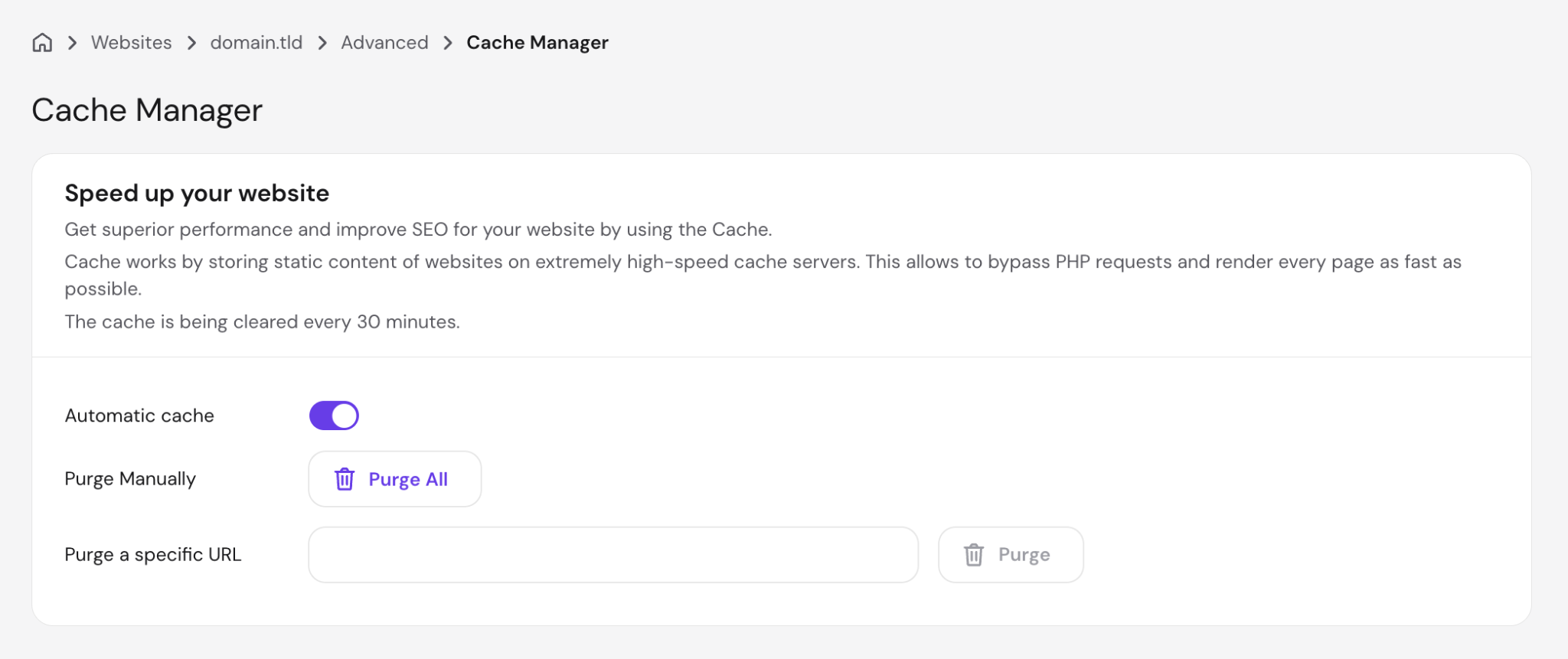
Caching strategies must be carefully balanced to reduce database and server overhead without compromising personal user data. Static assets, category listings, and product descriptions are ideal candidates for aggressive caching mechanisms, including server-level tools like LiteSpeed cache and object caching for database queries. However, dynamic pages containing sensitive shopper information—such as shopping carts, account dashboards, and checkout portals—must be strictly excluded from full-page caching to prevent data leaks and session mixing. When promotional prices or inventory levels are updated, administrators must carefully purge relevant cache layers while avoiding a total system cache wipe immediately prior to a sale launch, which would otherwise force servers to rebuild every page simultaneously under immense traffic pressure.
Content Delivery Networks play an equally important role by offloading static media files—such as images, style sheets, scripts, and fonts—onto globally distributed edge servers, ensuring that visitors download heavy assets from physical locations near them. While CDNs successfully reduce the strain on primary origin servers, they do not cache transactional checkout procedures, meaning origin servers must still remain robustly provisioned to handle final purchase verifications.
Third-party scripts added by marketing tags, analytics tools, and heatmapping software must also be audited and minimized. While payment gateways and fraud prevention mechanisms must remain active, non-essential tracking widgets can severely degrade page performance if left unmanaged. Retailers are advised to audit script execution times, delay non-critical code until after the primary visual content has rendered, and eliminate duplicate tracking tags that consume browser resources without providing actionable data.
The checkout and payment paths represent the most vulnerable components of any e-commerce architecture. Because cart and payment pages cannot be cached, every transaction request hits the origin server directly. Testing must cover every conceivable payment scenario, including successful authorizations, card declines, insufficient funds, and network timeouts, utilizing dedicated sandbox environments provided by payment processors. Ensuring that every successful transaction generates exactly one unique order while preventing duplicate charges during user retries is essential for maintaining financial integrity during high-volume sales.
Finally, establishing robust real-time monitoring and incident response protocols ensures that technical anomalies are addressed immediately. Uptime monitoring alone is insufficient, as basic ping tools often report a site as healthy even when backend payment gateways are failing. Alerts must be configured to track critical conversion funnels, error rates, and server resource thresholds, with clear lines of communication established between technical staff, hosting providers, and payment processors before the retail event commences. With preparations finalized well in advance, online merchants aim to ensure that the commercial rush of late November translates into a seamless experience for consumers and sustainable revenue for businesses.

Leave a Reply