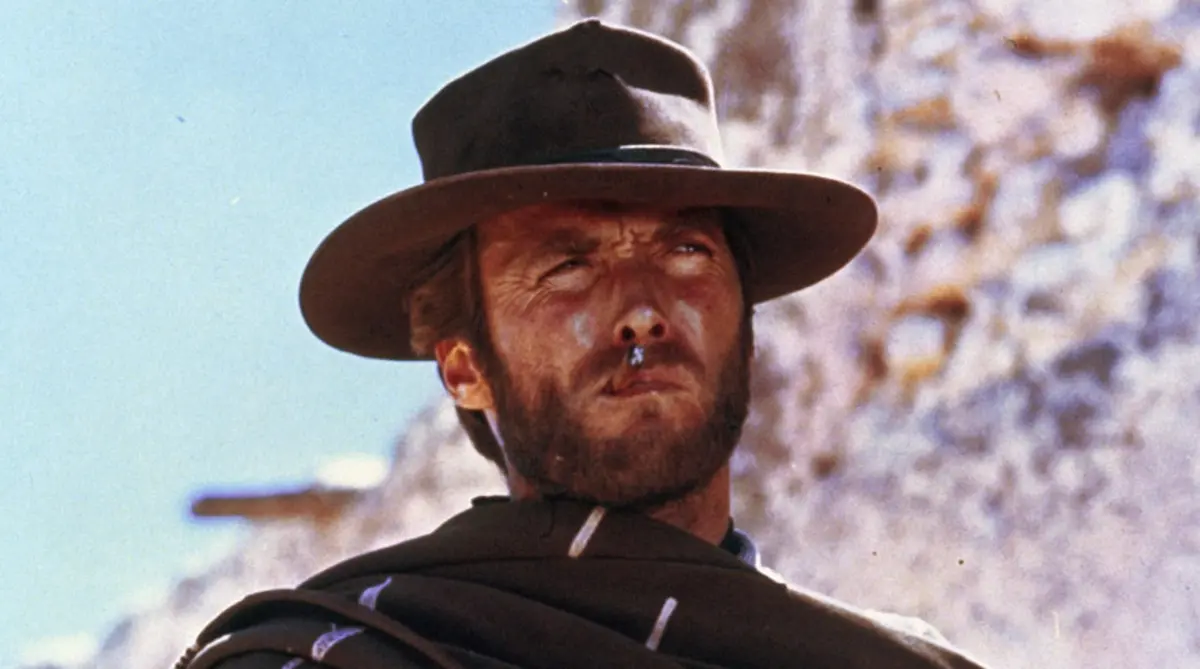
In 1964, visionary Italian director Sergio Leone fundamentally reshaped the Western movie genre with the release of A Fistful of Dollars. Moving far away from the relatively simplistic morality tales and black-and-white heroism of earlier American cinematic traditions, Leone introduced audiences to a radically different kind of protagonist. Rather than a noble champion of justice, the film’s central figure was an opportunistic, morally ambiguous gunslinger who played two rival Old West gangs against one another solely to secure a massive payday.
Despite the profound moral complexity of the narrative—or, perhaps, precisely because of it—A Fistful of Dollars became an unexpected international sensation. The film’s runaway success proved three vital things to the global film industry: audiences were eagerly waiting for a fresh, gritty take on the traditional Western; America no longer held an absolute monopoly on the genre; and Clint Eastwood was an undeniably bankable, magnetic movie star capable of carrying a major feature.
Yet, remarkably, just one year later, Leone managed to top his own groundbreaking achievement.
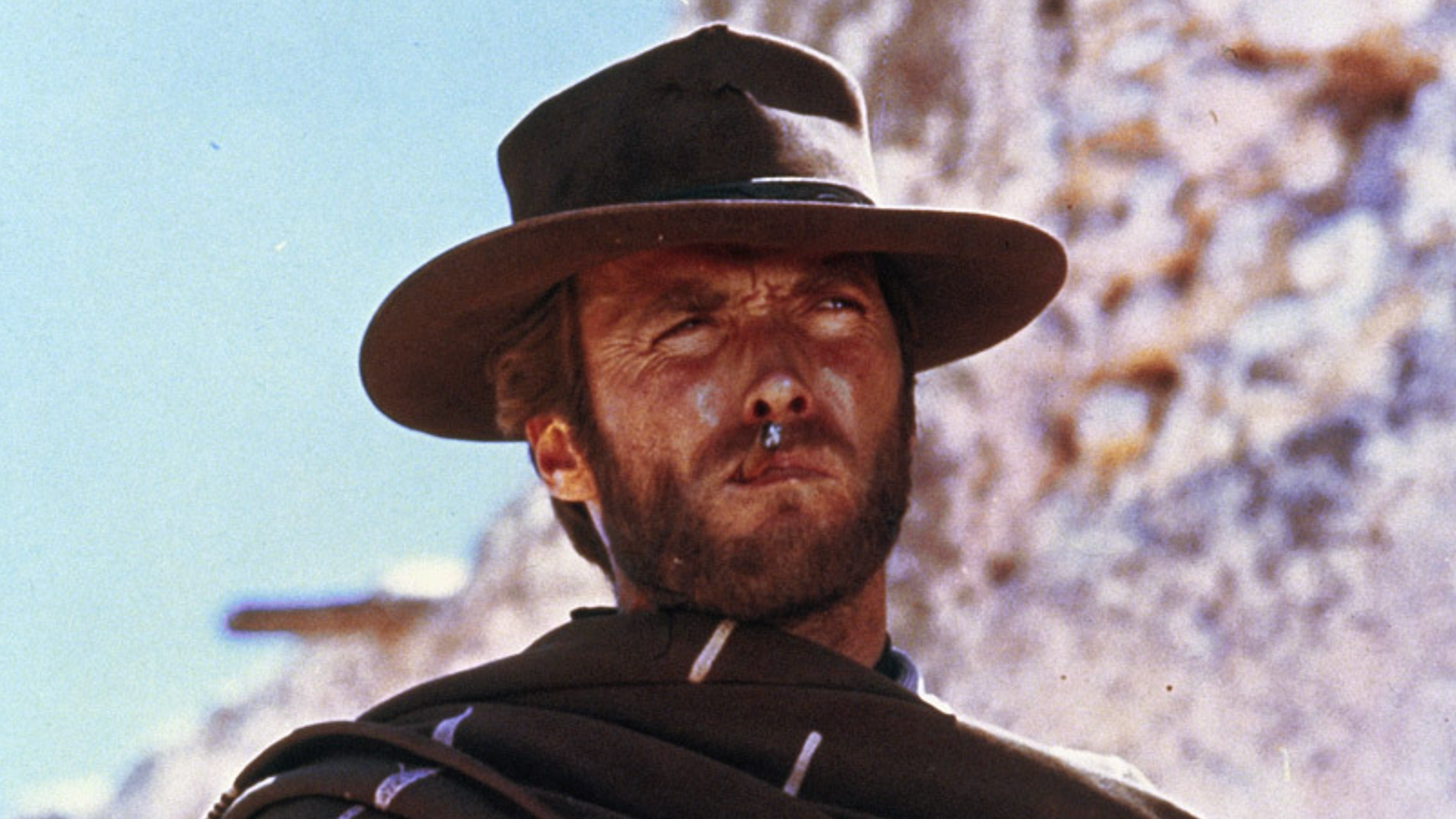
The 1965 sequel, For a Few Dollars More, brought Clint Eastwood back into the saddle as "The Man with No Name." While that iconic moniker was heavily emphasized in marketing campaigns, the character is actually referred to as "Manco" in this installment, following his alias "Joe" in the previous film, even though they represent the same wandering antihero. In this chapter, Manco operates as a cunning bounty hunter on the trail of El Indio, a ruthless and murderous bank robber who has just orchestrated a daring and bloody prison break alongside his vicious gang of thieves.
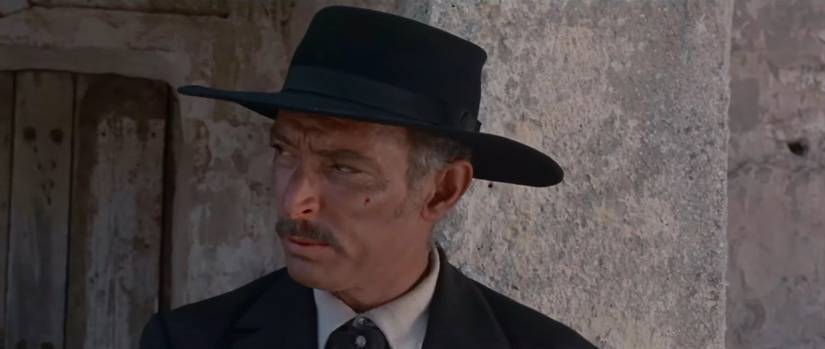
However, Manco is not the only predator hunting El Indio. Also tracking the outlaw is Colonel Douglas Mortimer, portrayed by legendary actor Lee Van Cleef. Mortimer is a bounty hunter of a distinctly different breed. Where Manco relies on raw instinct, rugged adaptability, and quick reflexes, Mortimer is cold, calculating, and exceptionally precise, favoring specialized weaponry and meticulous planning.
Despite their underlying differences and mutual distrust, Manco and Mortimer are ultimately forced to forge an uneasy, pragmatic alliance to bring El Indio down. The clever duo hatches a calculated scheme: working separately, each bounty hunter will infiltrate the ranks of El Indio’s gang. By doing so, they can earn the outlaw’s trust from the inside, dismantle his operation, claim the government bounty, and split the reward. However, the stakes escalate dramatically when El Indio successfully executes a massive bank heist, stashing away a fortune in stolen cash until the heat dies down. Consequently, Manco and Mortimer quietly shift their ambitions toward seizing both the hidden stash and the bounty itself.
What makes For a Few Dollars More truly remarkable is its deepened exploration of moral complexity. While A Fistful of Dollars successfully broke the traditional cinematic mold by introducing a multifaceted protagonist, the 1965 sequel elevates this concept by surrounding Eastwood’s character with an entire cast of morally gray, deeply complicated individuals.
Eastwood’s Manco retains the same gruff, alluring opportunism that defined his screen presence in the first film, but the narrative adds new dimensions to his character through his partnership with Mortimer. The two bounty hunters develop a remarkably organic arc over the course of the story, gradually moving from intense suspicion and sizing each other up to establishing a genuine, hard-earned mutual respect. Their dynamic bears a striking resemblance to a classic "buddy cop" partnership—not because the film is comedic, but because it charts the transformation of an unlikely pairing into true professional partners who deeply value each other’s distinct strengths.
Colonel Mortimer is equally compelling, serving as a complex figure who deliberately conceals crucial aspects of his past. Throughout the narrative, Mortimer hides his true motives, and it is only during the film’s tense climax that audiences learn the deeply personal reasons driving his relentless pursuit of El Indio.

As the primary antagonist, El Indio is crafted with a rare level of psychological depth. Alongside actor Gian Maria Volonté, Leone shaped a villain who is far more tormented and disturbed than the standard cinematic outlaws of traditional Westerns. Throughout the film, El Indio obsessively carries a pocket watch bearing the portrait of a young woman—one of his past victims who tragically took her own life while enduring his assault. The pocket watch plays a haunting, eerie musical tune that El Indio uses as a countdown timer during his lethal duels. Furthermore, the character is frequently depicted under the influence of drugs, casting him into a semi-delusional daze, though he remains terrifyingly capable of sudden, explosive outbursts of violence. While these tragic and unsettling layers certainly do not make El Indio a sympathetic figure—he remains an absolute monster throughout the story—they grant him a chilling sense of realism and unpredictability that elevates the dramatic tension.
Propelled by the unexpected commercial triumph of the original film, For a Few Dollars More was granted a significantly larger budget, jumping from the modest $200,000 used to finance A Fistful of Dollars to an estimated $600,000. As a direct result of this increased financial backing, the sequel feels substantially grander in scope and scale.
While the first film was largely confined to vast, desolate desert landscapes and a small frontier village featuring only a handful of buildings, For a Few Dollars More expands its world to encompass the much larger and more bustling town of El Paso. The production team constructed an impressive frontier town set specifically for the film in Spain—where a significant portion of the production took place—and the structures still stand today as a popular tourist attraction. Accompanied by a larger cast of extras and more frequent, sprawling action sequences, El Paso feels vibrant and expansive compared to the comparatively isolated setting of San Miguel in the first movie.
When it finally hit theaters, For a Few Dollars More achieved an even greater commercial triumph than its predecessor. While A Fistful of Dollars pulled in an impressive box office haul of roughly $20 million, the sequel surpassed it by generating around $25 million globally.
Remarkably, Sergio Leone and Clint Eastwood were not finished yet. The duo would repeat this unprecedented formula for a third and final time just one year later with the release of The Good, the Bad and the Ugly. Made on a budget of just over $1 million, that legendary third installment went on to gross nearly $40 million worldwide, cementing itself as an epic, universally recognized cinematic masterpiece. Yet, film historians and enthusiasts frequently note that The Good, the Bad and the Ugly could never have achieved its historic level of success without the crucial narrative and stylistic stepping stone provided by For a Few Dollars More.
For fans of classic cinema and gritty storytelling, For a Few Dollars More remains an essential piece of film history that is well worth revisiting, particularly as it is currently accessible to viewers online.
For a Few Dollars More is currently available to stream on MGM Plus. Additionally, the film can be rented digitally across all major video-on-demand platforms.