
For anyone seeking a break from the ubiquitous Linux ecosystem, conventional advice usually points toward exploring a different distribution. While trying out a fresh distro remains a solid recommendation for those merely looking for a change in user interface or package management, it fundamentally leaves out enthusiasts who want to step away from the Linux kernel itself.
The wider open-source landscape is home to several alternative operating systems that are entirely independent of Linux. Many of these projects provide ready-to-boot installation images and even feature varying degrees of compatibility with Linux applications. Think of them as operating systems that are on friendly terms with Tux the penguin, yet distinct enough to chart their own technological path.
1. Vinix
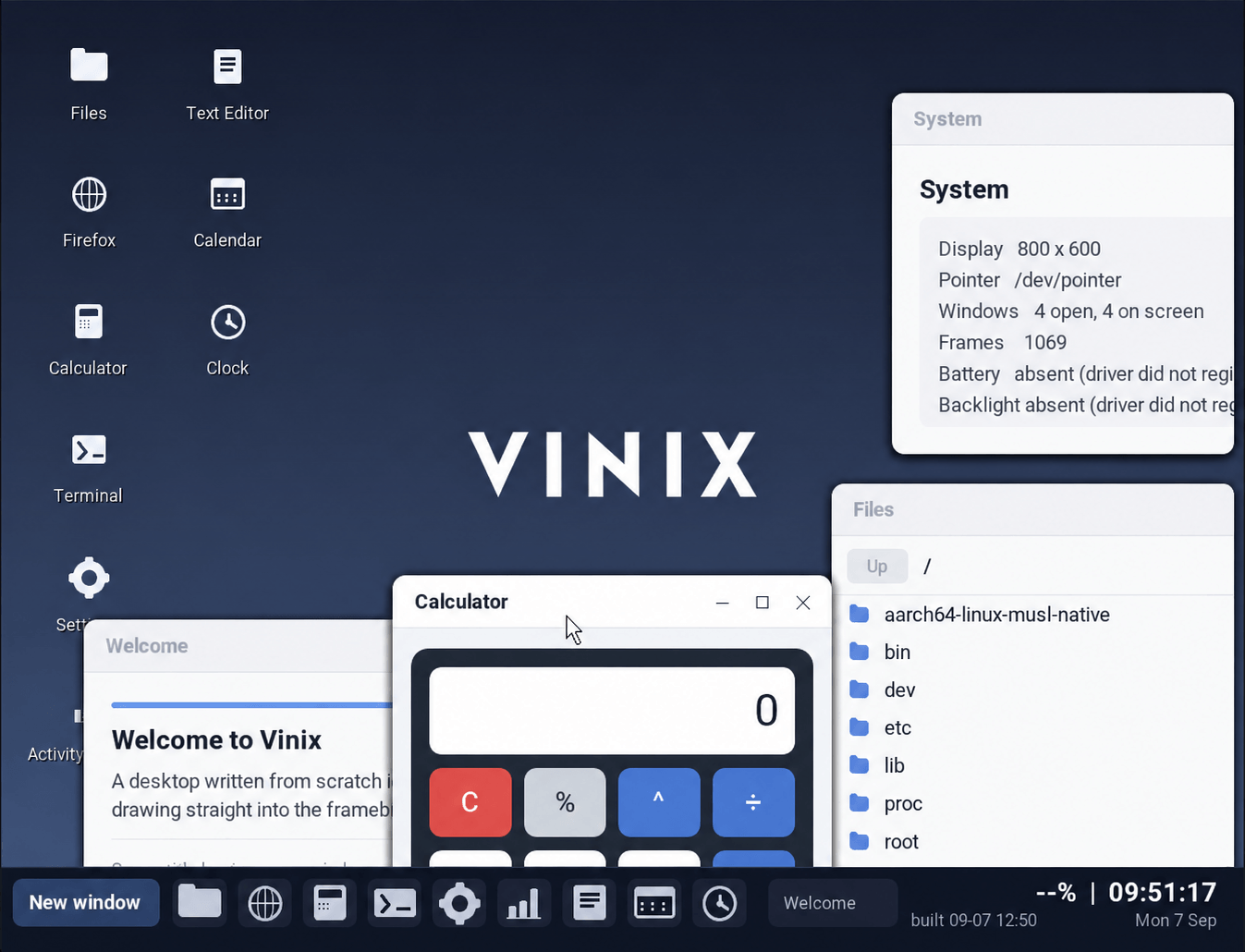
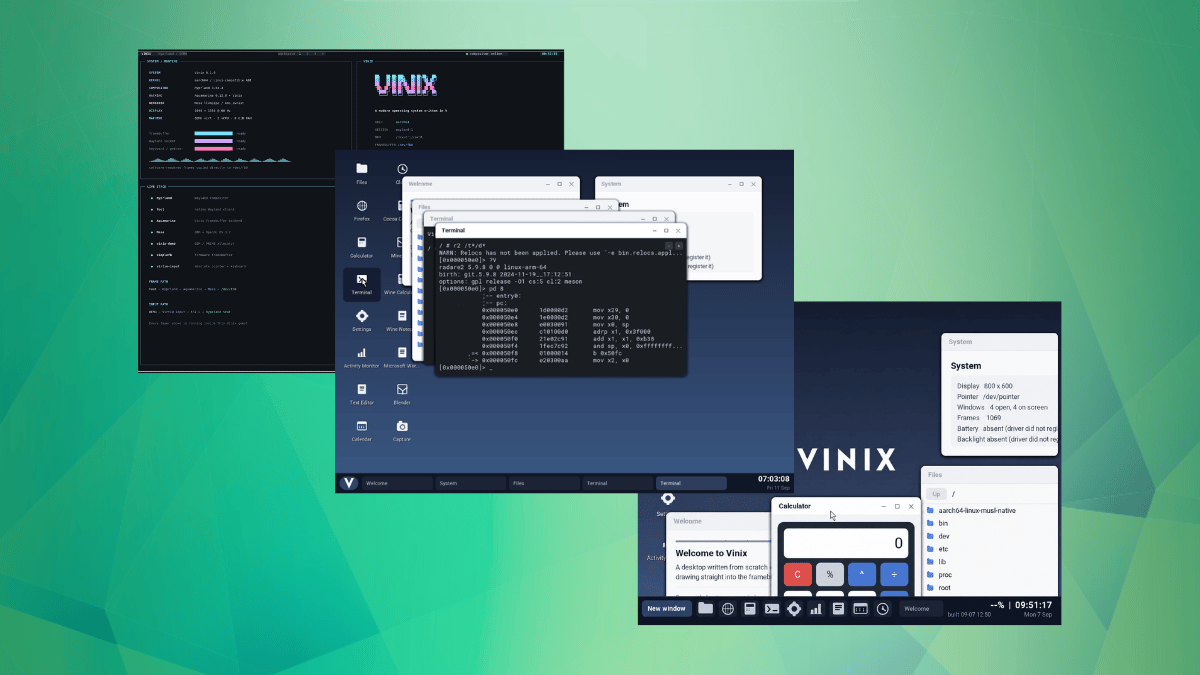
For owners of Apple Silicon MacBooks who are searching for an alternative that is neither macOS nor a Linux distribution, Vinix provides a unique option. Currently supporting original M1 hardware, the project is maintained by Alexander Medvednikov, the creator of the V programming language.
Vinix features a monolithic kernel written predominantly in V, alongside components built in C and assembly. The system handles memory manually, ensuring that no garbage collector can interrupt system calls. Additionally, its security model incorporates several foundational concepts borrowed from OpenBSD. On ARM64 architecture, the system is capable of running Alpine Linux binaries natively, while the package manager pkg can pull software directly from Alpine’s aarch64 repositories. Developers and enthusiasts can also access ISO images for both x86-64 and ARM64 to run the system within virtual machines, making it an appealing choice for those who enjoy experimenting with non-standard kernels.

2. Asterina NixOS
Asterinas NixOS offers a fascinating technical pivot by replacing the traditional Linux kernel with Asterinas, a modern kernel written in Rust, while maintaining the familiar configuration framework of NixOS. Because Asterinas implements the Linux system call interface, many existing Linux applications can run directly on top of it.
The distribution leverages Nix for comprehensive system configuration. Safety is a primary design goal for the kernel: unsafe Rust code is strictly restricted to a small framework known as OSTD, leaving the remainder of the kernel and its accompanying drivers implemented in safe Rust. While x86_64 enjoys full support, ARM64 and RISC-V architectures are currently classified in a secondary support tier. Project maintainers note that the distribution is not yet ready for production environments, targeting its GitHub-hosted ISO images primarily at early adopters, developers, and Rust enthusiasts.
3. FreeBSD
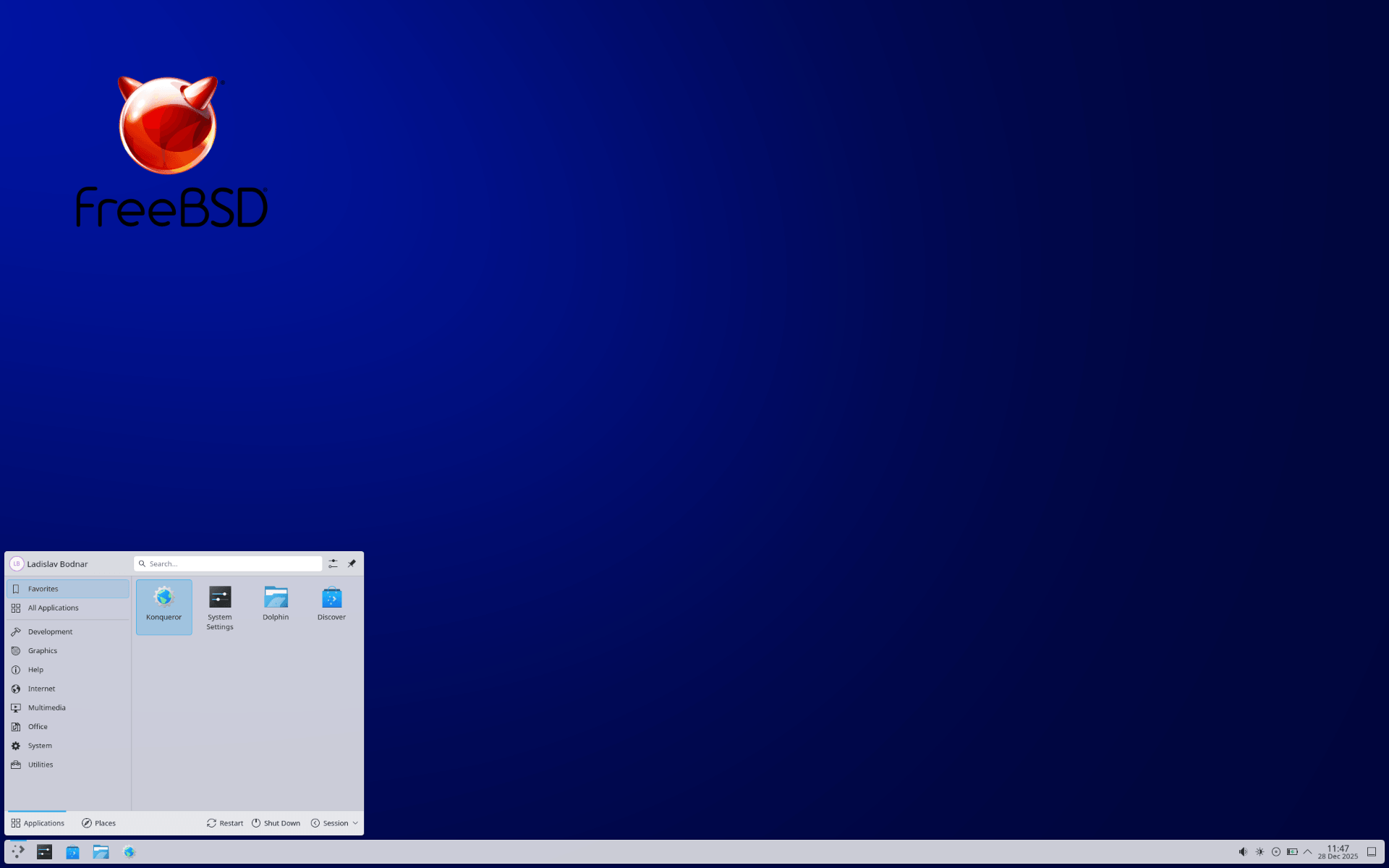
As one of the most prominent Unix-derived operating systems, FreeBSD traces its lineage directly to the Berkeley Software Distribution developed at the University of California, Berkeley. Maintained by a large and dedicated global community, the system operates under a permissive license that allows commercial entities to integrate and keep proprietary modifications private.
At the core of FreeBSD’s architecture are advanced enterprise features including OpenZFS, network jails, and a robust hypervisor. OpenZFS is integrated natively into the base system, enabling administrative features like boot environments that allow users to instantly roll back problematic updates by taking system snapshots. FreeBSD accommodates a broad range of hardware platforms, including AMD64, AArch64, Armv7, PowerPC, and RISC-V, making it a staple for high-performance servers, advanced storage arrays, and networking infrastructure.

4. GhostBSD
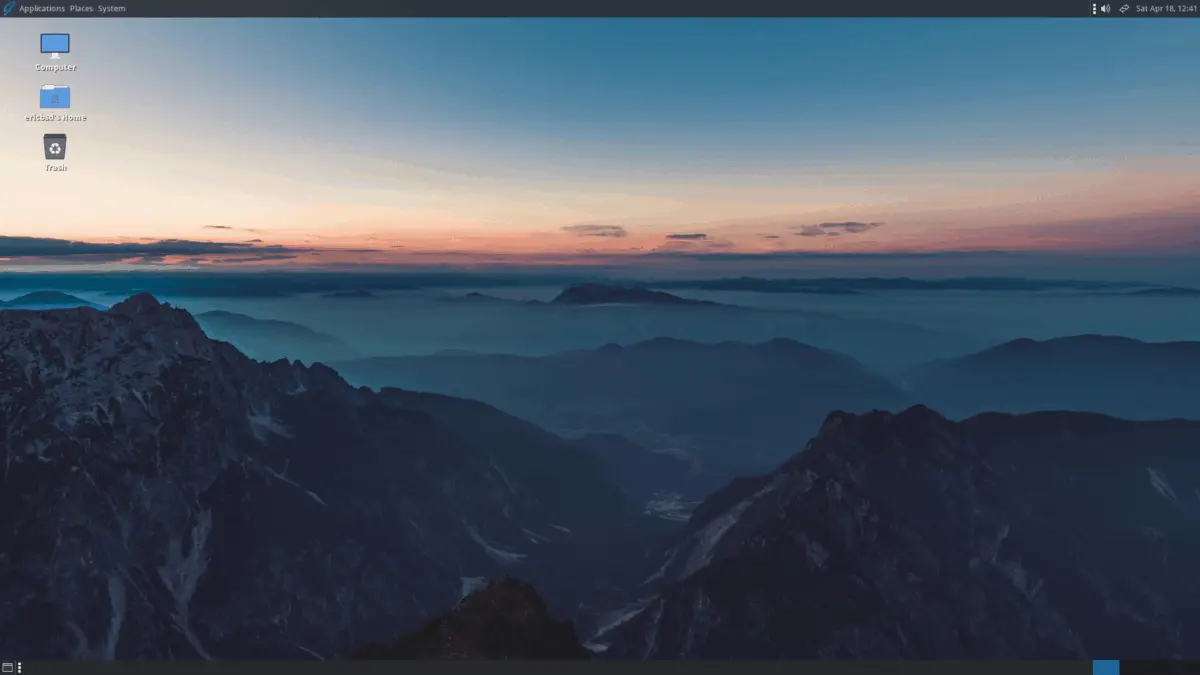
GhostBSD bridges the gap between the robust, enterprise-grade architecture of FreeBSD and the practical needs of everyday desktop users. The project pairs a FreeBSD foundation with the MATE desktop environment, offering a cohesive and familiar computing experience out of the box.
The nomenclature of GhostBSD originates from its early days as a shorthand for GNOME hosted by FreeBSD. Although the project now centers around MATE—a direct continuation of the classic GNOME 2 interface—the underlying philosophy remains consistent. GhostBSD follows a deliberate, slow-rolling release schedule that prioritizes long-term stability over immediately chasing the newest software packages. Furthermore, the system comes preconfigured with Linux binary compatibility and features an installation utility built on OpenZFS, lowering the barrier to entry for newcomers interested in running a BSD-powered desktop.
5. Haiku
Inspired by the historic BeOS operating system, Haiku is an open-source platform specifically engineered for personal computing. Unlike modular operating systems where disparate groups build the kernel and the desktop separately, Haiku’s core team develops both the underlying system and its desktop environment concurrently, a strategy that contributes to a remarkably uniform and integrated user interface.
Beneath that interface lies a deeply multithreaded kernel optimized for responsiveness, paired with the BFS file system. BFS utilizes indexed metadata to allow Tracker, the default file manager, to perform rapid, database-style queries across storage drives. Software installation is handled via discrete packages that mount dynamically into the system, retaining previous states to ensure that users can easily recover from failed updates or configuration errors.
6. ReactOS
ReactOS stands apart as an ambitious project with an explicit cautionary warning attached: the software remains in an alpha stage of development, meaning developers make no guarantees regarding system stability, file safety, or compatibility with specific hardware configurations.
Behind these caveats lies a comprehensive operating system featuring a Windows-styled desktop environment built from scratch. While the graphical interface and core architecture are independently developed, much of its user-mode functionality relies upon Wine, the widely adopted compatibility layer for running Windows software on alternative platforms. By default, ReactOS is designed to install onto FAT16 or FAT32 partitions, while Btrfs file system support remains experimental, positioning the project as a unique exploration into how far an open-source reimplementation of the Windows architecture can advance.
When exploring these diverse operating systems, developers and system administrators frequently rely on virtual machines to test compatibility and evaluate performance before committing them to bare-metal hardware. Assessing whether a particular workflow aligns with the unique paradigms of a non-standard operating system ensures a smoother transition, while regular maintenance helps safeguard systems against emerging vulnerabilities.

Leave a Reply