
October 14, 2026 — In the rapidly evolving landscape of digital commerce, artificial intelligence has firmly transitioned from a futuristic novelty into an indispensable operational engine for online retailers. According to recent industry insights and analyses published by digital marketing specialists, AI tools are fundamentally reshaping how online stores attract shoppers, drive conversions, and secure long-term brand loyalty. By analyzing vast quantities of customer, product, and campaign data with unprecedented speed, modern algorithms are enabling businesses to decode consumer patterns and execute hyper-targeted strategies that were previously impossible to scale manually.

The core function of AI within ecommerce marketing lies in its pattern-recognition capabilities. Modern systems evaluate how individuals browse digital storefronts, complete purchases, and interact with promotional materials. Leveraging these behavioral insights, platforms can dynamically recommend products, refine advertising campaigns, generate tailored copy, and proactively identify shoppers who may be drifting away from a brand. However, industry experts emphasize that successful implementation requires a measured approach, starting with isolated marketing tasks, ensuring reliable data sources, and rigorously measuring performance outcomes. Because unchecked automation or flawed data can inadvertently generate inaccurate content, irrelevant recommendations, or wasted advertising spend, diligent human oversight remains an essential counterbalance.

What is AI in ecommerce marketing?
At its core, artificial intelligence in the online retail sector encompasses a diverse suite of specialized tools, including product recommendation engines, ad optimization systems, generative content creators, and conversational shopping assistants. These technologies operate by digesting complex streams of customer behavior, predicting future buying preferences, producing marketing collateral, and fielding real-time inquiries from prospective buyers.

Consider a typical home decor retailer: instead of relying on static website layouts, the business uses browsing history to dynamically suggest complementary items, automatically generate multiple iterations of promotional ads for an upcoming seasonal collection, and flag purchasing slowdowns among loyal customer segments. In this dynamic, the artificial intelligence handles the heavy lifting of pattern recognition and repetitive execution, while the human marketer defines the strategic goals and authorizes final actions. Popular ecommerce infrastructure providers and platforms—such as Hostinger Ecommerce, Shopify, and WooCommerce—increasingly incorporate these capabilities, though the depth of available features and native integrations varies significantly across ecosystems.
How to use AI in ecommerce marketing
Market analysts outline eight primary operational domains where artificial intelligence delivers tangible value for online retailers: personalizing product recommendations, generating content, optimizing paid advertising, segmenting customer bases, refining email and SMS campaigns, guiding shoppers through conversational interfaces, recovering abandoned carts, and predicting customer churn.

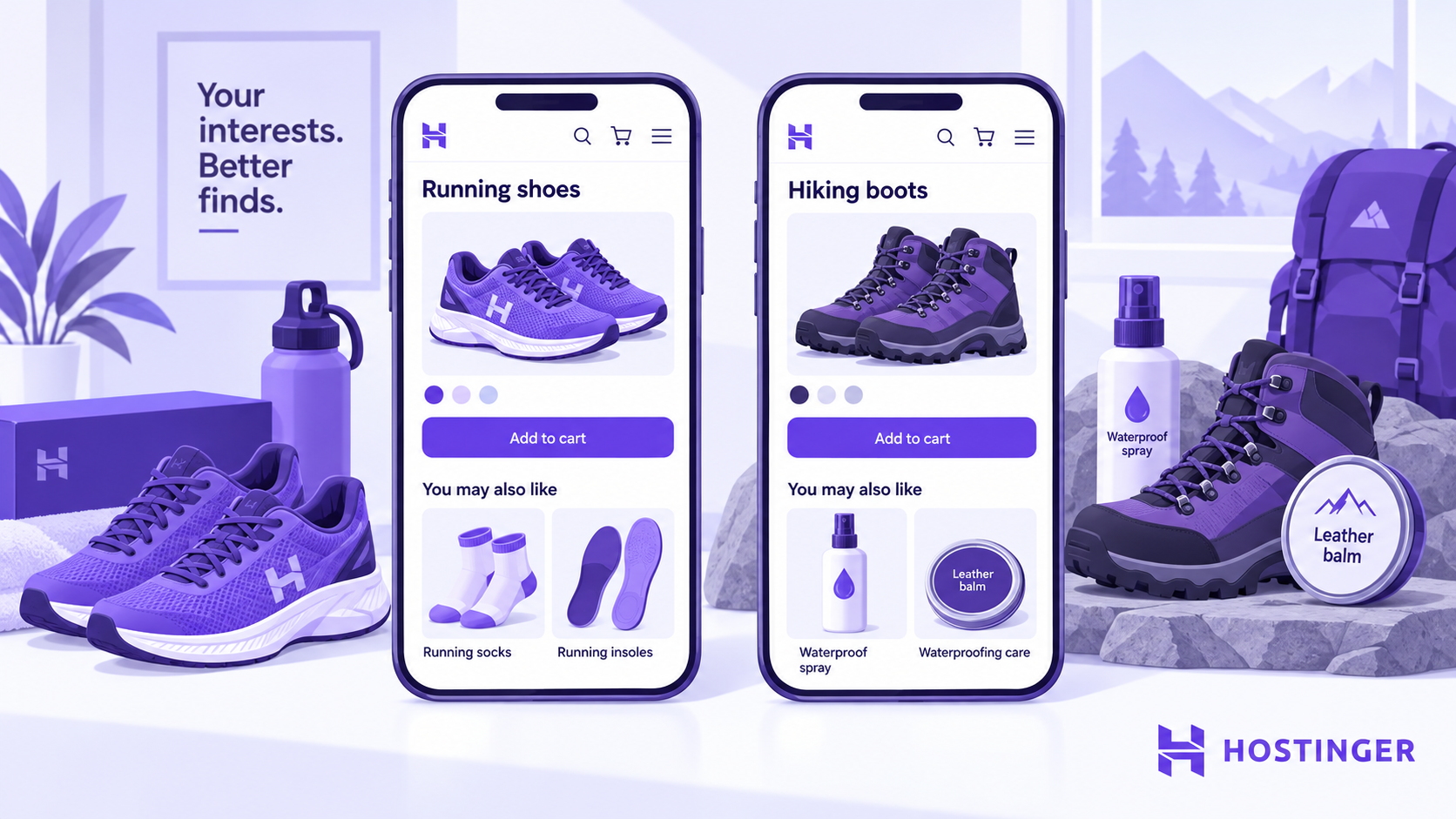
Personalizing product recommendations allows stores to leverage real-time browsing, cart, and transaction histories to present individual shoppers with items tailored precisely to their immediate interests. For instance, a customer examining running shoes might instantly see matching socks or specialized insoles, while a browser investigating hiking boots is directed toward weatherproofing treatments. Retailers can deploy these suggestions across product pages, shopping carts, post-checkout screens, and marketing emails, effectively reducing the effort required for consumers to find relevant goods while unlocking valuable cross-selling and upselling opportunities. Recent research indicates that when shoppers actively engage with intelligent product recommendations, these suggestions can account for nearly a third of total ecommerce revenue. Merchants typically monitor key performance indicators such as conversion rates, average order values, and repeat purchase frequencies to gauge the efficacy of these engines.
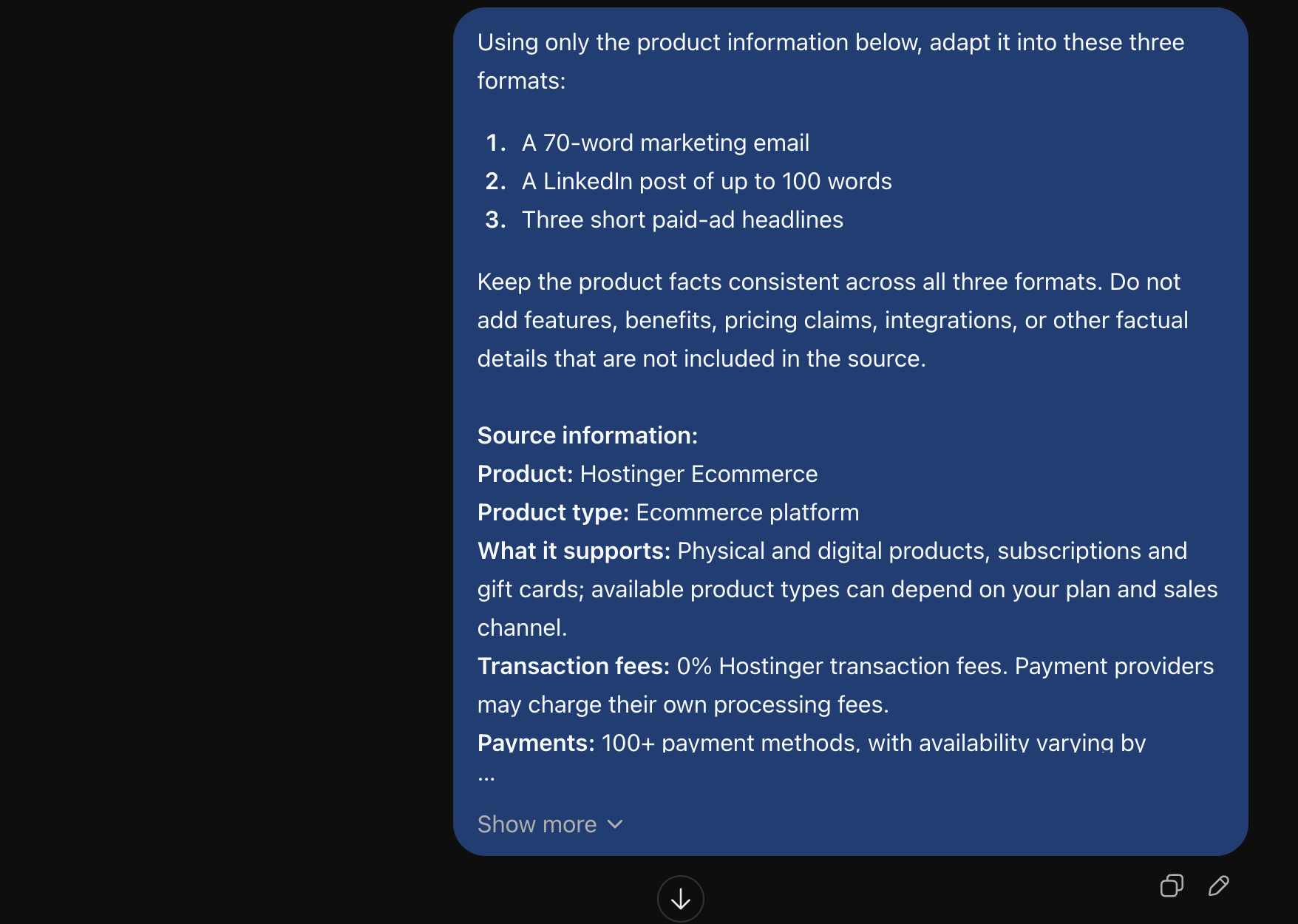
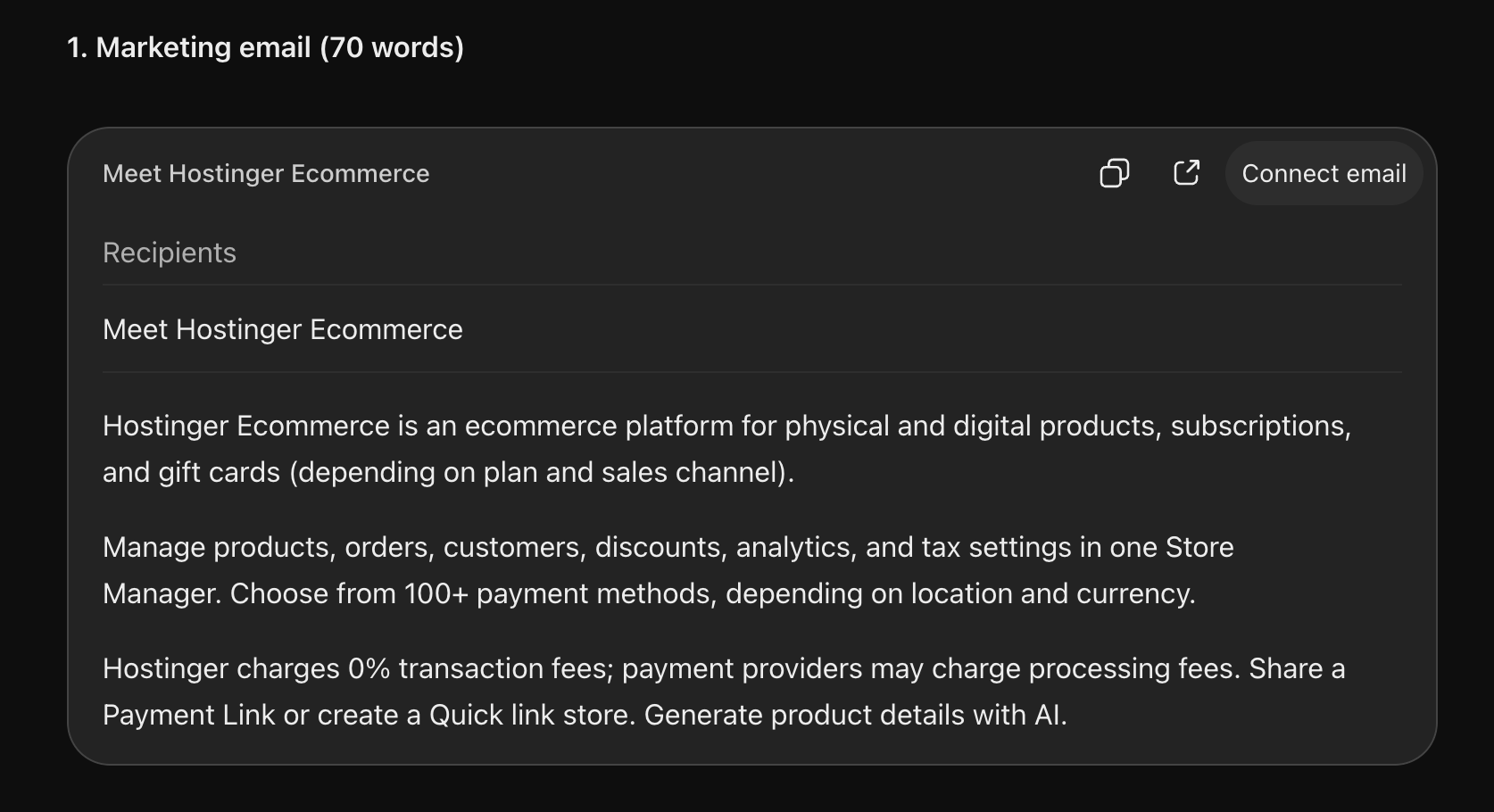
Content creation and adaptation represent another major frontier. By feeding verified source materials—such as product ingredients, technical benefits, and target demographics—into sophisticated content generators alongside established brand voice guidelines, marketing teams can rapidly draft compelling product descriptions, diverse ad variations, email subject lines, and social media captions. Recent digital marketing statistics indicate that a strong majority of marketing professionals utilize AI to formulate initial content drafts, while a significant portion relies on it to polish existing material. This capability drastically reduces the friction of cross-channel marketing by translating a single approved product launch page into concise email copy, targeted social posts, and varied advertising headlines without altering foundational product facts. Nevertheless, experts strongly advise treating AI-generated material as a preliminary draft, mandating thorough human verification of pricing, specifications, guarantees, and performance claims before any public release.
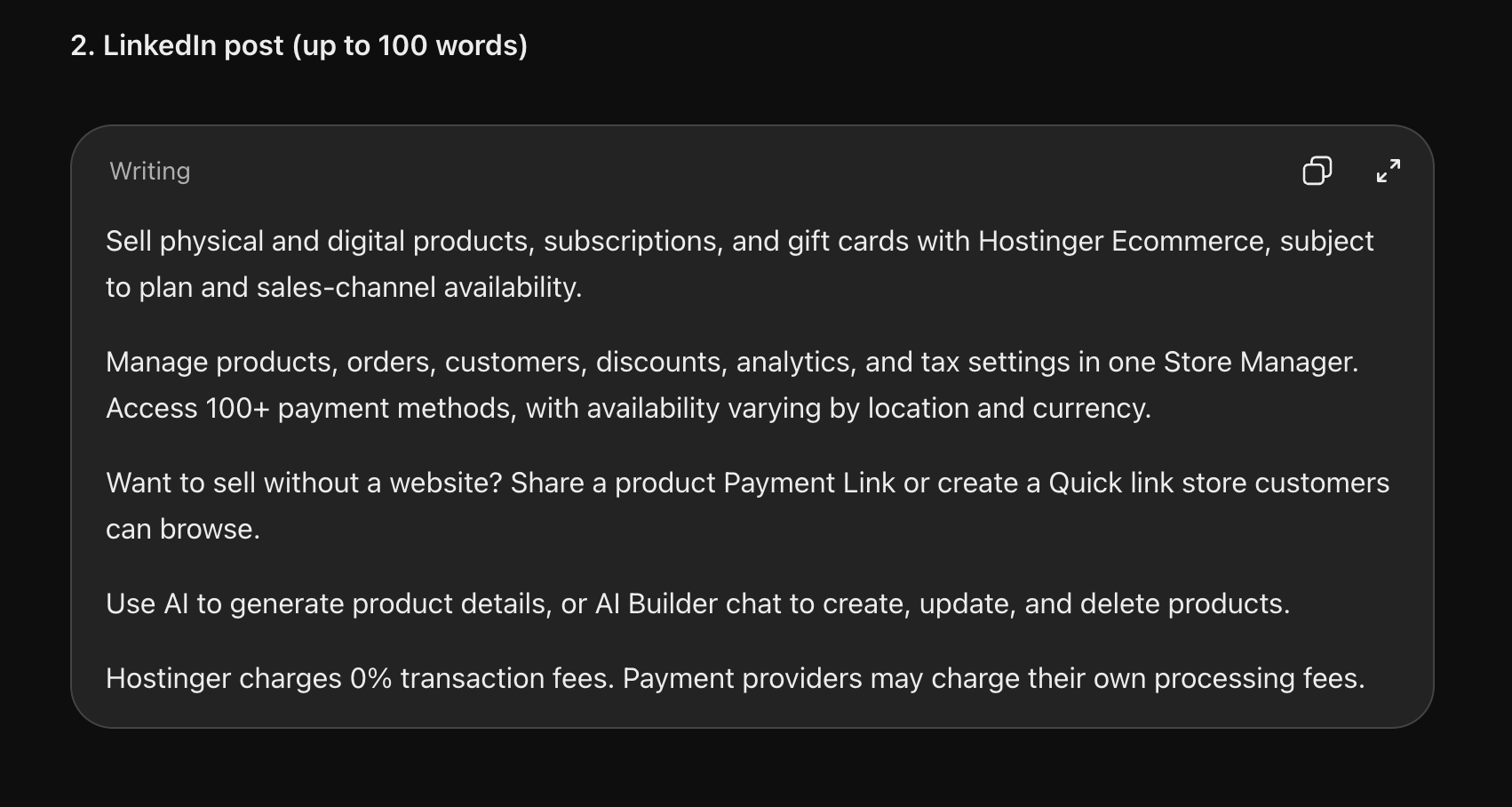
In the realm of paid advertising, automated systems are transforming how budgets are allocated and campaigns are managed. Modern advertising frameworks allow merchants to supply a product catalog, creative assets, daily budgets, and overarching sales objectives, leaving the underlying platform to dynamically adjust audiences, placements, and bidding strategies. Tools such as Google Performance Max and Meta Advantage+ continuously test numerous combinations of imagery and text, shifting financial resources toward the highest-performing configurations to maximize return on ad spend. Despite this high level of automation, marketers retain vital control over creative assets, spending limits, and overall campaign parameters, provided that accurate conversion tracking is firmly established.
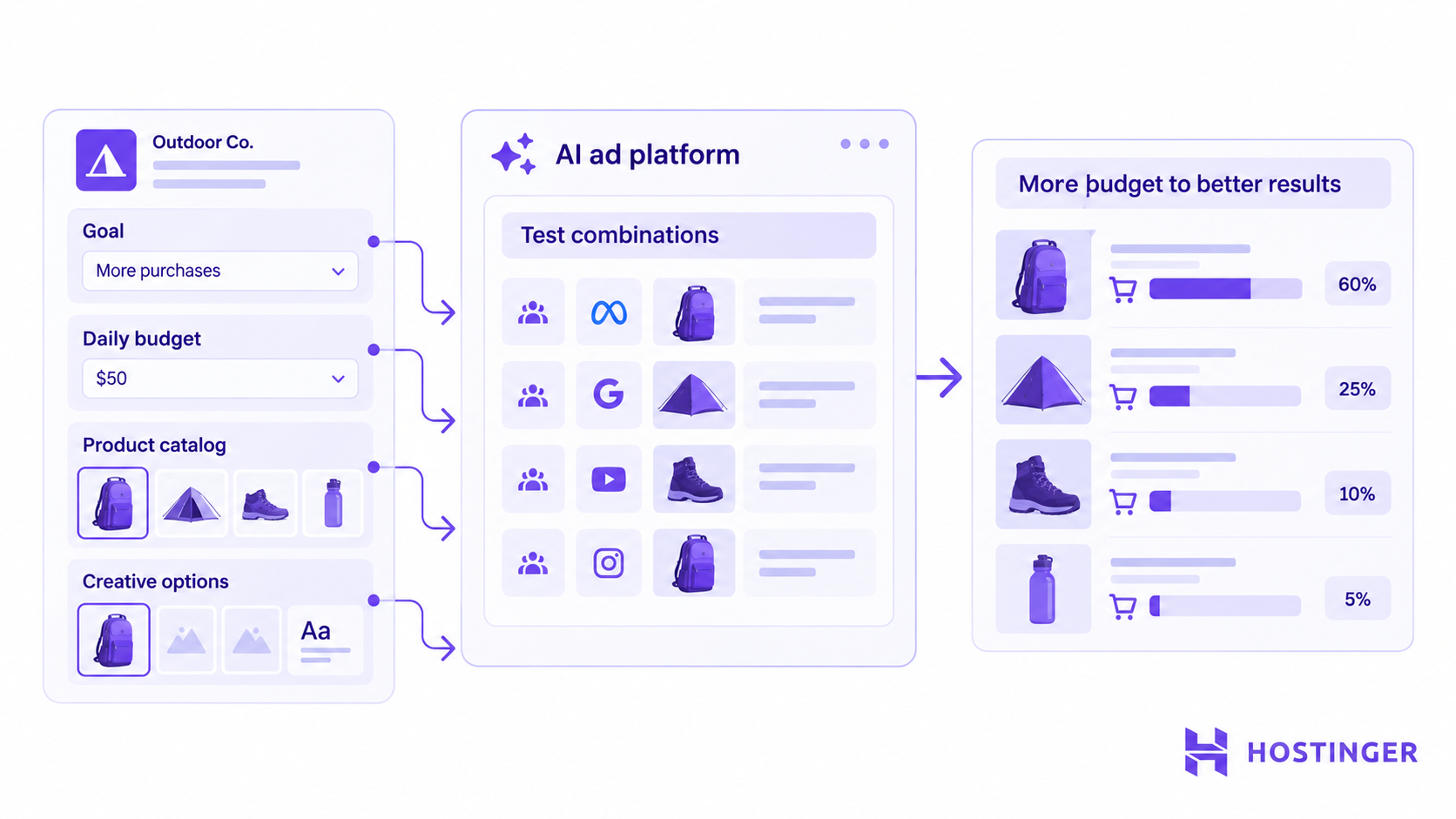
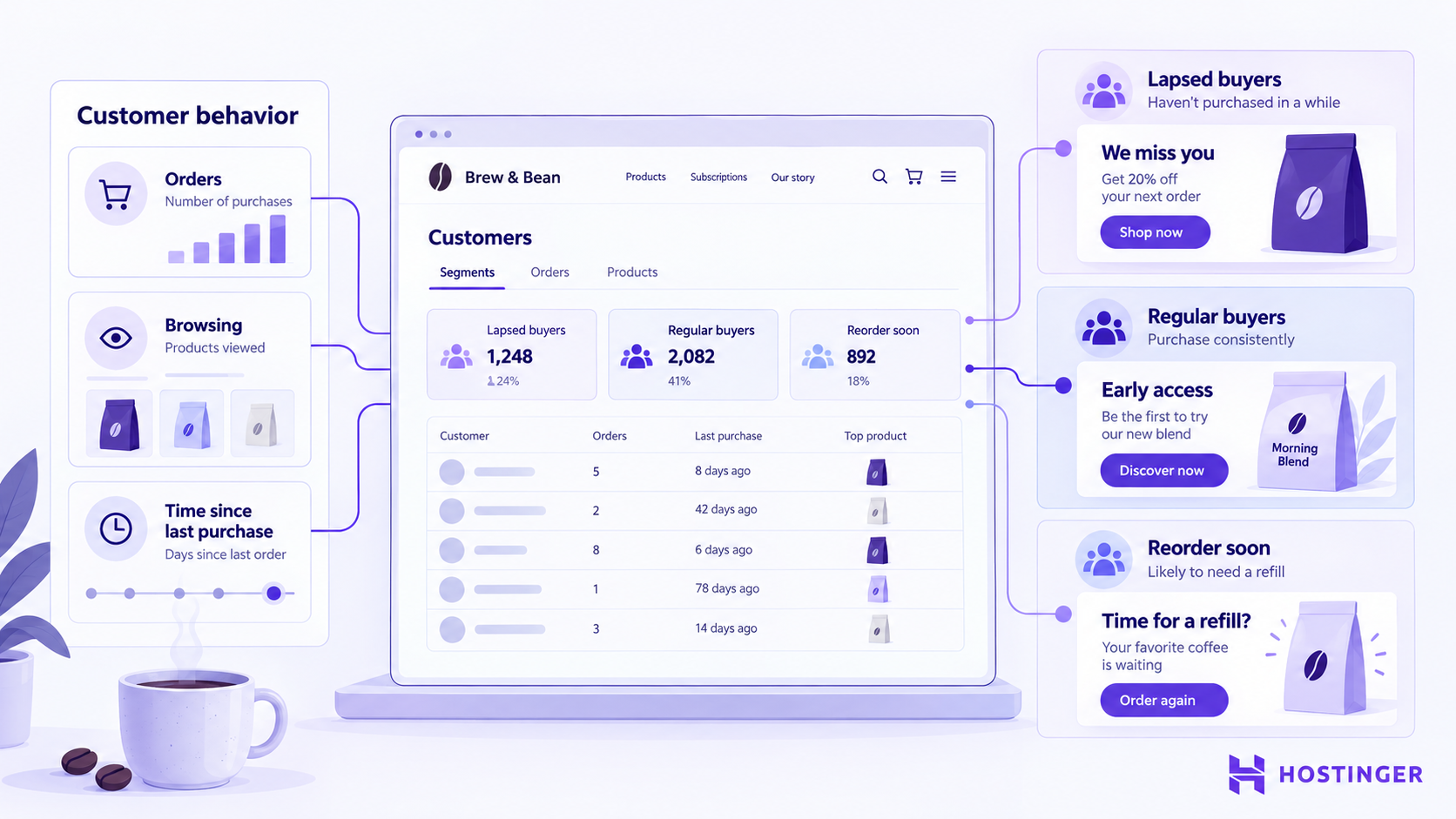
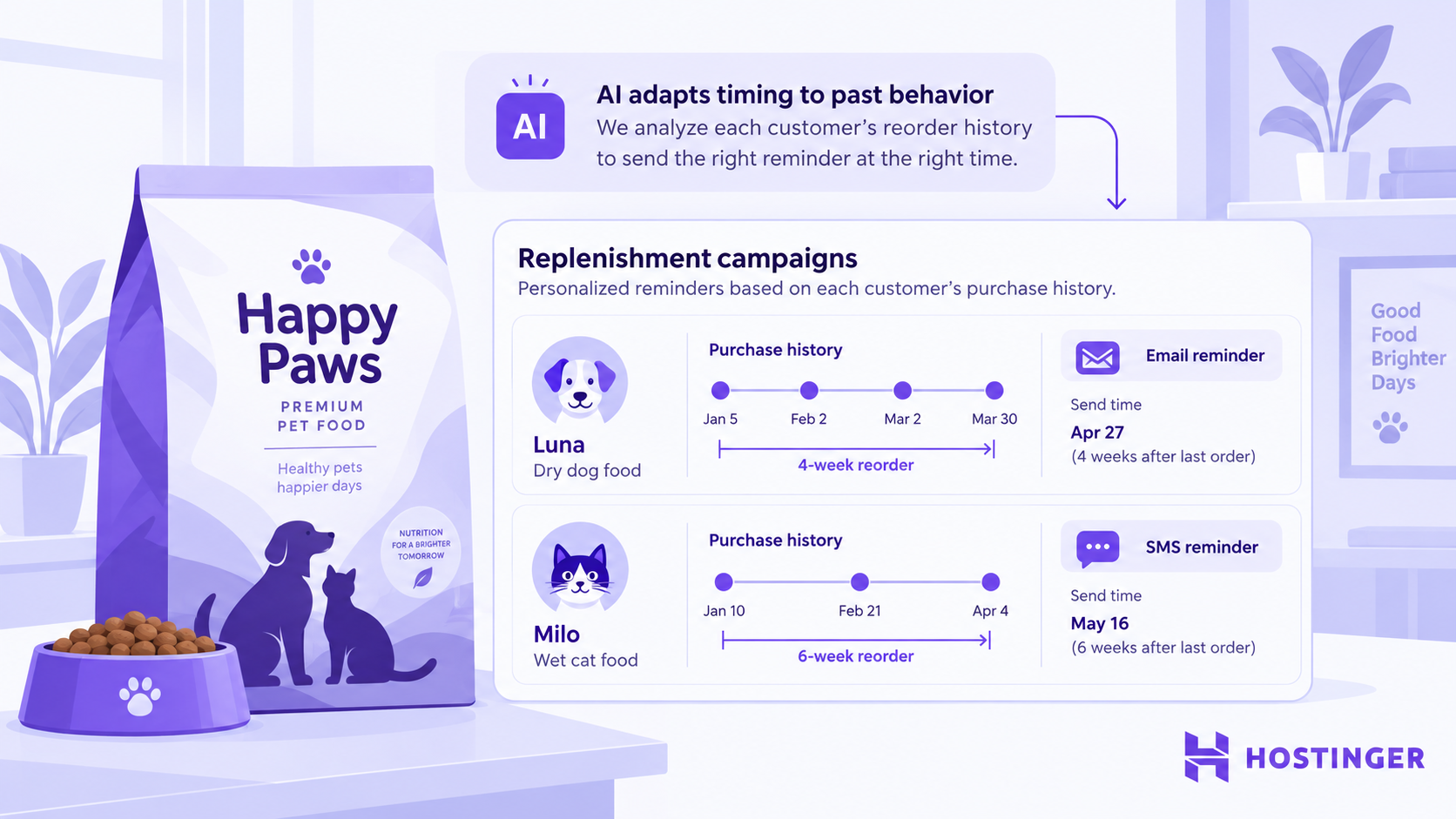
Behavioral customer segmentation enables retailers to group buyers dynamically based on concrete actions, such as purchasing frequency, browsing habits, and engagement levels. A coffee retailer, for example, might isolate a segment of patrons who have ordered at least twice but remained dormant for the past sixty days, routing tailored re-engagement campaigns exclusively to that cohort rather than broadcasting generic promotions to the entire subscriber list. This philosophy extends directly into email and SMS marketing automation, where algorithms optimize message delivery timing based on individual buying cycles. While automated workflows handle the primary triggers—such as account creation or completed purchases—intelligent add-ons adjust the delivery hour or product selection to match the idiosyncratic habits of each recipient.

Conversational artificial intelligence is similarly redefining customer interaction by allowing shoppers to articulate their desires in natural, everyday language. Rather than navigating rigid menus and dozens of filters, a consumer seeking outdoor apparel can simply type a request for a lightweight waterproof hiking jacket under a specific price point, prompting the digital assistant to compare viable options and explain their differences. Retailers increasingly leverage these conversational tools to reduce shopping friction, noting that millions of consumers regularly utilize chatbots for online purchases.
Beyond initial acquisition and conversion, automated systems play a vital role in cart recovery and retention management. When a shopper abandons a virtual cart, intelligent recovery systems tailor follow-up messages based on user profiles—differentiating, for example, between a first-time visitor deterred by shipping fees and a frequent buyer who simply forgot to complete the transaction. Similarly, predictive analytics can identify early warning signs of customer churn by detecting subtle shifts in purchase intervals, web traffic, and engagement metrics. Recognizing these behavioral changes early empowers merchants to intervene with targeted retention offers long before a customer permanently departs.
Limitations, risks, and strategic implementation
Despite the transformative potential of artificial intelligence, industry leaders caution against overlooking its inherent limitations and operational risks. Because algorithms rely entirely on the quality of the data and rules provided by human operators, foundational errors can quickly cascade across entire marketing ecosystems. Common hazards include corrupted data records that skew behavioral insights, unverified content generation that produces inaccurate product claims, potential privacy exposures regarding sensitive customer information, and dangerous over-reliance on unsupervised automation that can continue spending capital or offering discounts long after a strategy has become obsolete.
To mitigate these vulnerabilities, experts recommend a disciplined approach to implementation. Retailers are advised to begin by selecting a single, well-understood marketing task, thoroughly auditing the underlying data, choosing a reputable software tool, and conducting small-scale tests against established baseline results. As these automated workflows demonstrate reliability, organizations can gradually expand the scope of artificial intelligence within their operational pipelines, ensuring that technology continually serves to save time, enhance campaign performance, and foster relevant customer interactions without eroding human oversight over brand standards and financial budgets.
Leave a Reply