
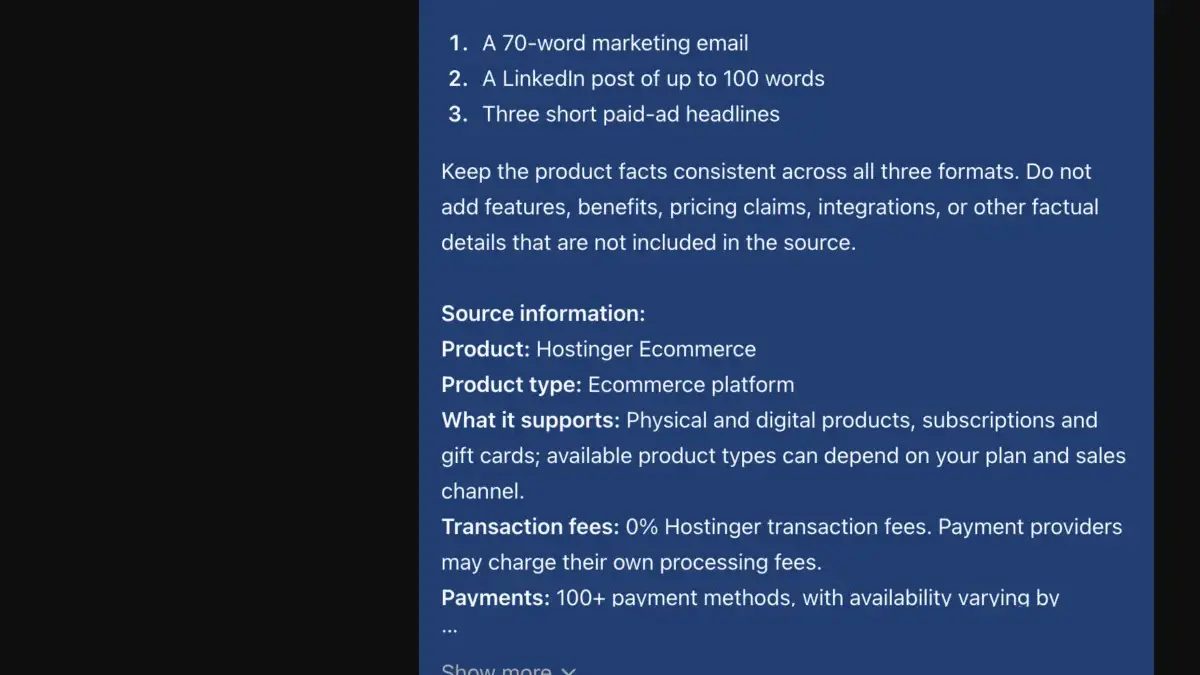
Artificial intelligence is rapidly reshaping the landscape of e-commerce marketing, providing online retailers with sophisticated tools to analyze customer behavior, maximize campaign effectiveness, and drive sales. By leveraging extensive customer, product, and campaign data, modern digital storefronts are increasingly moving beyond traditional marketing methods to embrace automated systems capable of recognizing complex patterns in how shoppers browse, purchase, and interact with brands.

Industry analysis indicates that AI-driven solutions are no longer experimental concepts reserved for major enterprise retailers. Platforms ranging from major established storefront ecosystems to streamlined builders like Hostinger Ecommerce, Shopify, and WooCommerce now integrate various AI capabilities into their core architectures. These technologies operate by scanning vast quantities of historical information to predict buying preferences, generate marketing materials, optimize ad spend, and identify customers who may be losing interest in a brand.

However, industry experts emphasize that the successful deployment of AI in e-commerce relies heavily on strategic human oversight. While automated tools excel at pattern-finding and repetitive tasks, they remain dependent on reliable data and clear foundational rules. Unchecked automation or poor data quality can lead to inaccurate product descriptions, irrelevant recommendations, and wasted advertising budgets, making human review an essential component of modern digital marketing strategies.
What is AI in E-commerce Marketing?
In the context of modern retail, artificial intelligence encompasses a broad spectrum of digital tools, including product recommendation engines, ad optimization systems, content generators, and conversational shopping assistants. These applications analyze customer actions to forecast buying trends and automate routine promotional duties.

For instance, a boutique home decor merchant might leverage browsing history data to suggest complementary items, automatically generate multiple variations of a promotional advertisement for a new inventory drop, or flag purchasing slowdowns among specific buyer demographics. By delegating data-heavy pattern recognition to machines, marketing professionals are freed to focus on high-level strategy, goal setting, and final campaign approvals.
Core Applications in Modern Digital Marketing
Retailers currently apply artificial intelligence across several critical functional areas to streamline operations and enhance customer engagement. Among the most prevalent uses is the personalization of product recommendations. By analyzing real-time browsing paths, active cart contents, and historical purchase data, stores can present individual shoppers with highly relevant items. Market research indicates that effective product recommendations can account for up to 31% of total e-commerce revenue when shoppers actively engage with them.
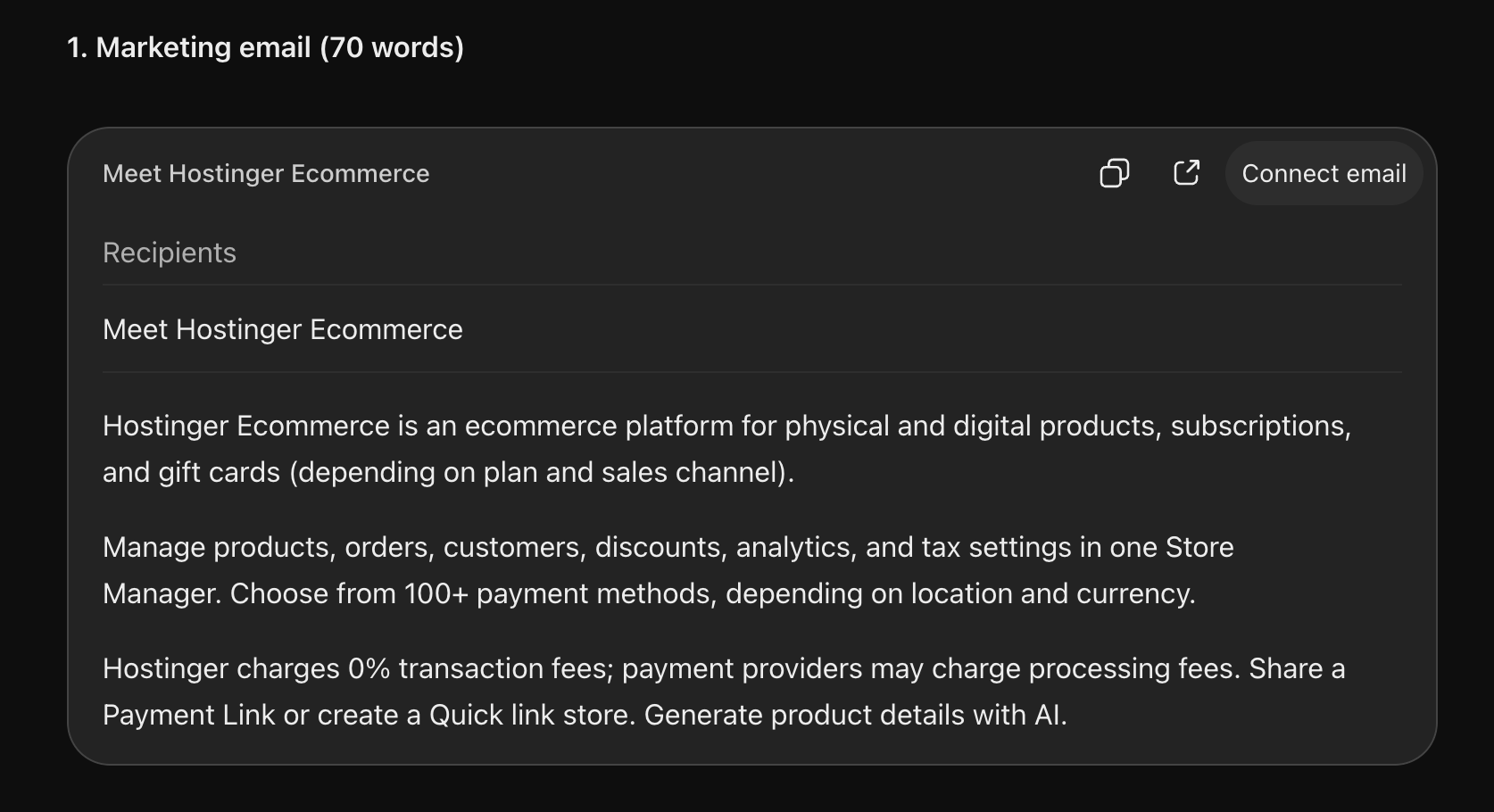
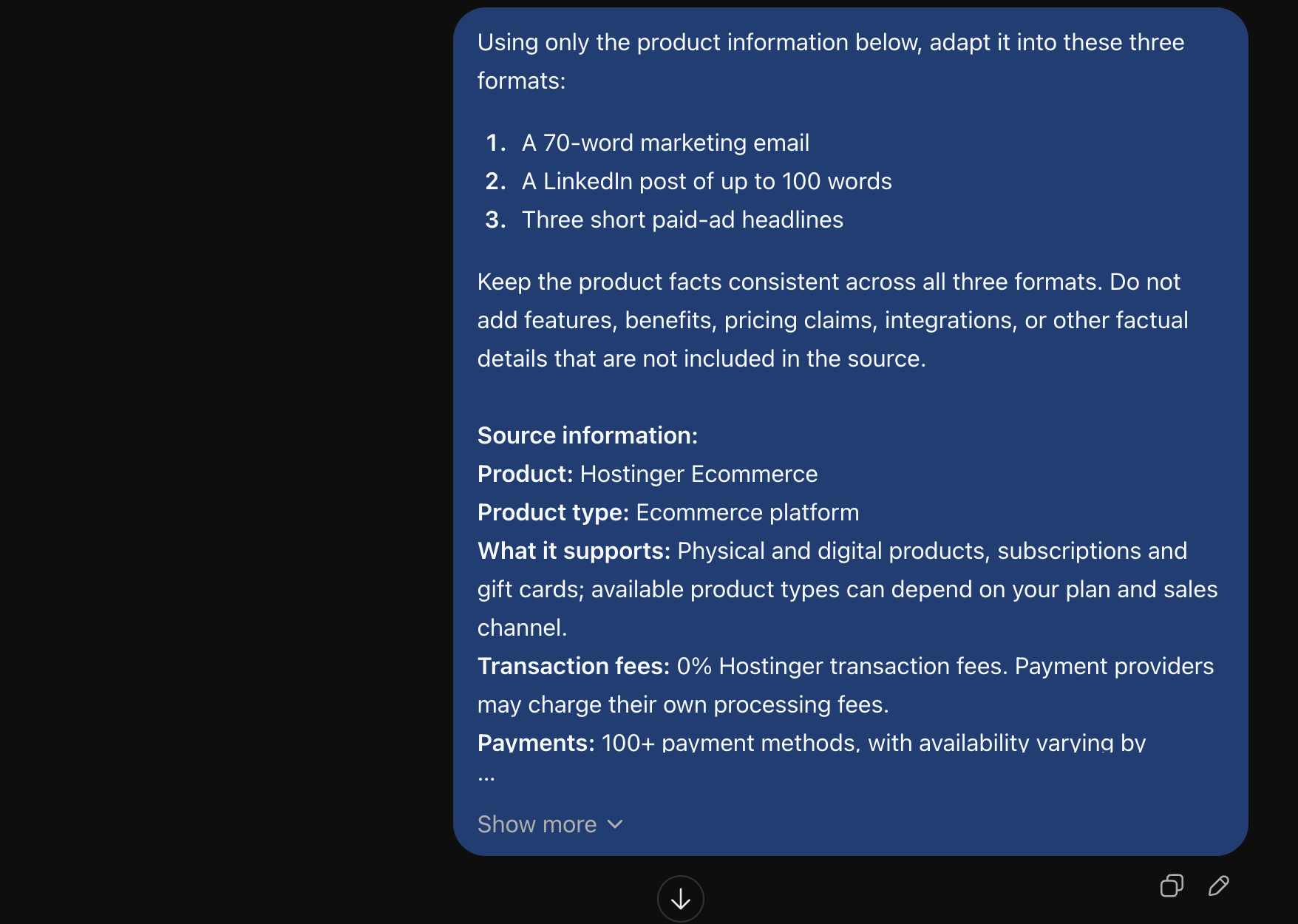
Content creation and adaptation represent another major growth area. Contemporary statistics show that a significant majority of marketing professionals utilize AI to draft initial copy or optimize existing material. Marketers can feed verified product information, ingredient lists, and brand guidelines into a content generator to quickly produce tailored drafts for email campaigns, social media captions, and paid advertising headlines. Despite this efficiency, publishers are repeatedly cautioned to review factual claims against original product details to prevent errors regarding pricing, ingredients, or performance guarantees.
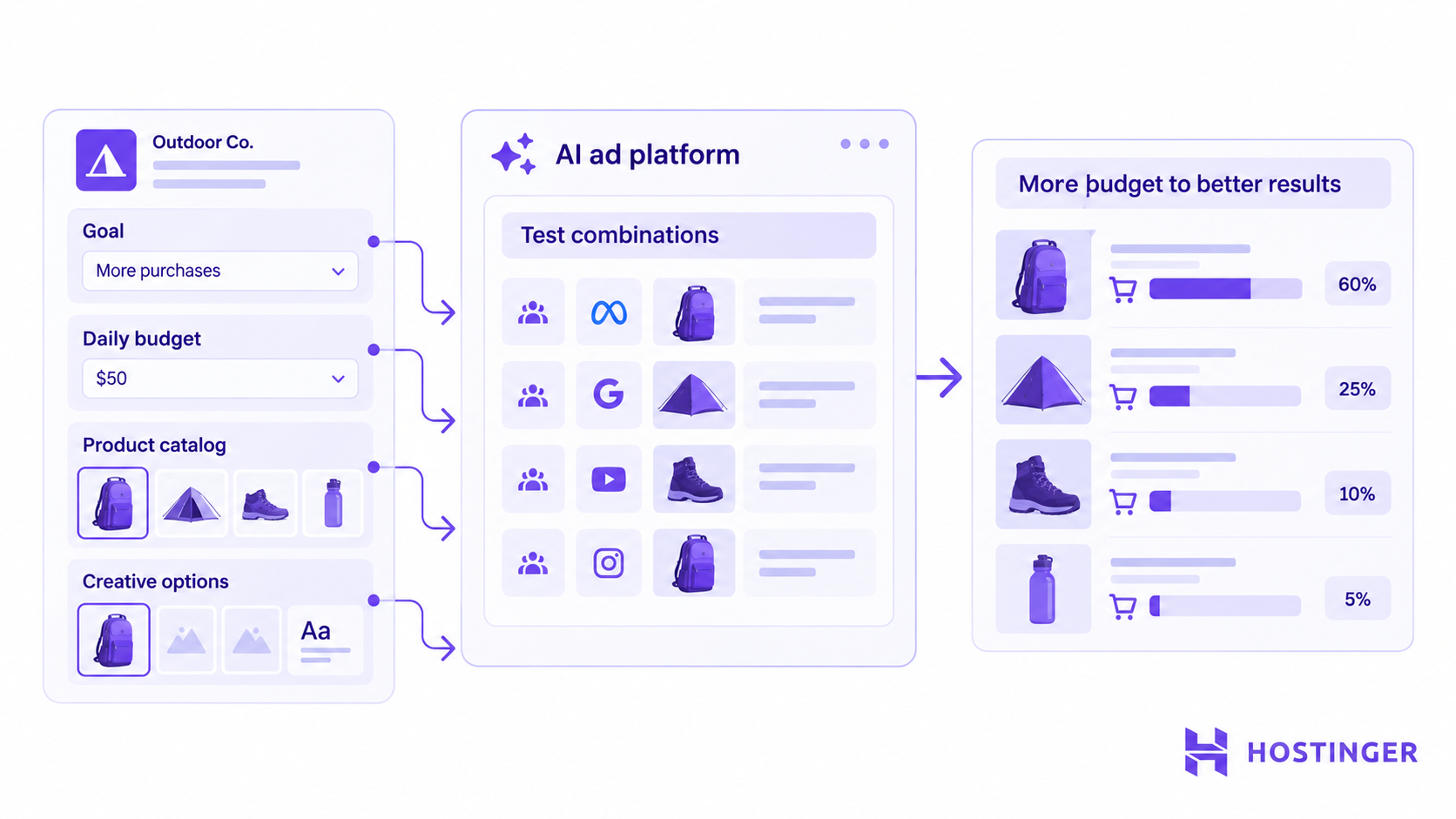
Paid advertising has also seen substantial automation through systems like Google Performance Max and Meta Advantage+. These platforms allow merchants to input product catalogs, image assets, daily budgets, and overarching sales targets while the underlying algorithms dynamically test different ad combinations and adjust bidding strategies based on live performance data. While the platform manages real-time audience selection and placement, marketers retain control over foundational parameters such as overall spending limits and creative assets.

Behavioral Segmentation and Campaign Refinement
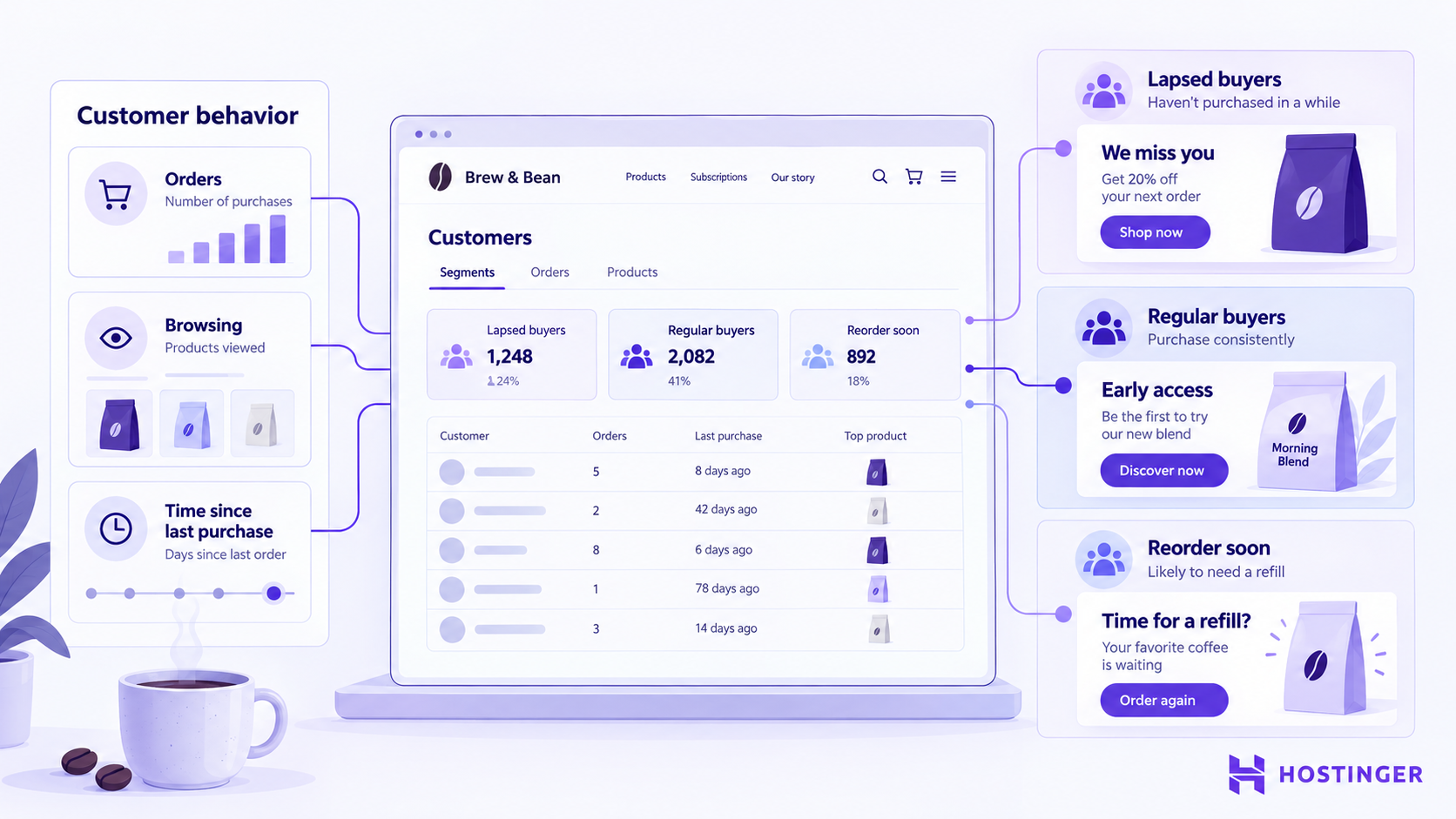
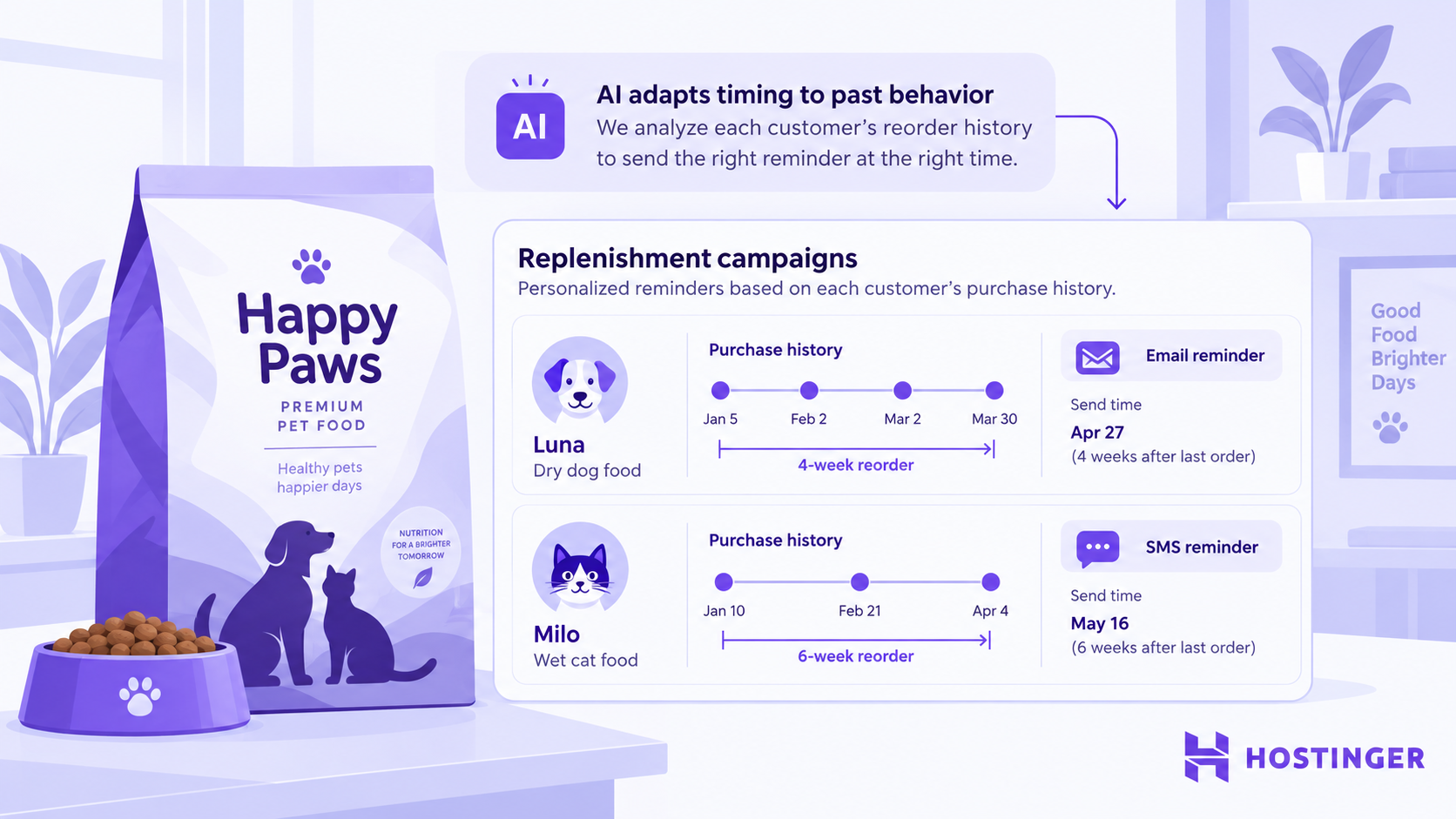
Beyond broad advertising and content generation, artificial intelligence enables precise customer segmentation based on actions rather than static demographics. By grouping shoppers according to actual engagement levels, browsing habits, and purchase history, retailers can deliver highly tailored messaging. For example, email and SMS campaigns can be dynamically adjusted to match an individual’s purchasing cadence, ensuring that reorder reminders arrive closer to the customer’s typical replenishment cycle rather than on a rigid, generic schedule.
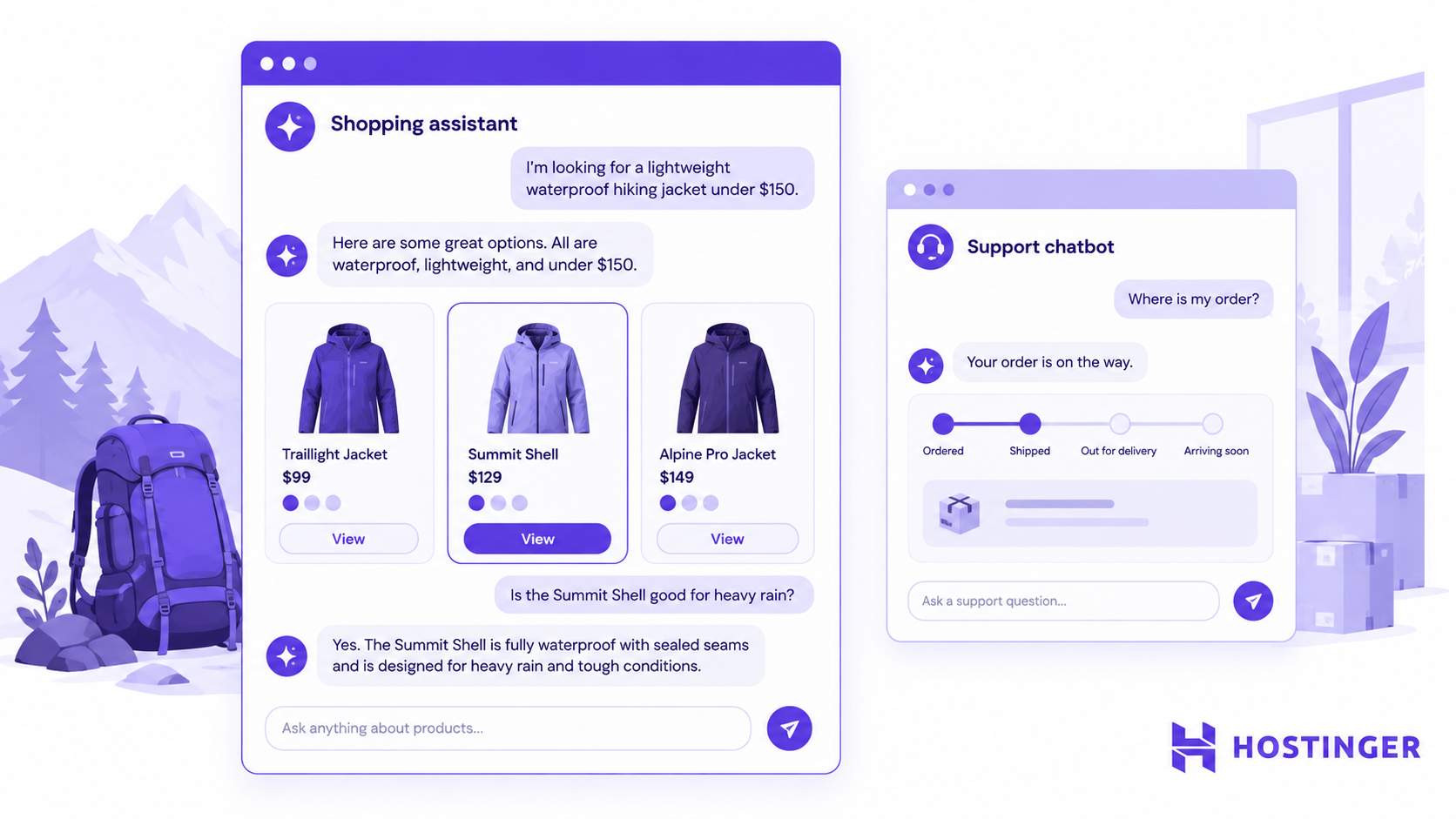
Conversational AI has likewise evolved to assist shoppers through natural language interfaces. Rather than navigating traditional multi-level filter menus, consumers can describe specific requirements—such as finding a lightweight waterproof jacket under a designated price point—and receive curated recommendations along with direct comparative explanations.
Furthermore, retailers utilize predictive analytics to recover abandoned carts and mitigate customer churn. By identifying subtle shifts in user behavior, such as missed reorder dates combined with decreased site visits and lower email engagement, predictive models can flag customers who are at risk of leaving. This early warning enables brands to deploy targeted retention offers or personalized reminders before the relationship lapses entirely.
Limitations, Risks, and Strategic Implementation
Despite its considerable potential, the integration of artificial intelligence into e-commerce marketing carries distinct operational risks. The primary limitation stems from the fact that algorithms operate strictly on the quality of the data and rules provided by the user. Inaccurate records, duplicate entries, or missing purchase histories can skew automated decision-making across entire campaigns. Additionally, improper handling of customer information can expose sensitive data to unapproved third-party processors.
To manage these vulnerabilities, digital marketing professionals advocate for a disciplined, incremental approach to adoption. Rather than automating entire departments simultaneously, businesses are advised to start by selecting a single, well-understood marketing task, verifying the underlying data sources, choosing an appropriate software tool, and running small-scale tests against established baseline performance metrics. As these automated workflows prove reliable, merchants can gradually expand their use of AI-driven systems while maintaining strict controls over brand safety, advertising expenditure, and consumer privacy.
Leave a Reply