
As digital retail continues to evolve at a rapid pace, artificial intelligence has firmly established itself as a foundational element of modern e-commerce marketing. By leveraging customer browsing habits, historical purchase data, and campaign metrics, online merchants are increasingly turning to machine learning tools to attract new shoppers, boost conversion rates, and foster long-term brand loyalty.

Recent industry insights highlight the growing reliance on these technologies. According to marketing data, over half of marketing professionals utilize AI systems to draft foundational content, while a substantial portion relies on automated solutions to fine-tune existing material. Furthermore, industry research indicates that personalized product recommendations can account for nearly a third of total e-commerce revenue when shoppers actively engage with them.

At its core, artificial intelligence functions by scanning complex datasets to identify patterns in how consumers interact with online storefronts. These patterns enable algorithms to suggest relevant items, optimize advertising campaigns, generate draft content, and identify buyers who may be losing interest in a brand. While the technology handles repetitive data-crunching and predictive tasks, human oversight remains vital to ensure accuracy, protect consumer data, and prevent unchecked automation from misallocating marketing budgets.
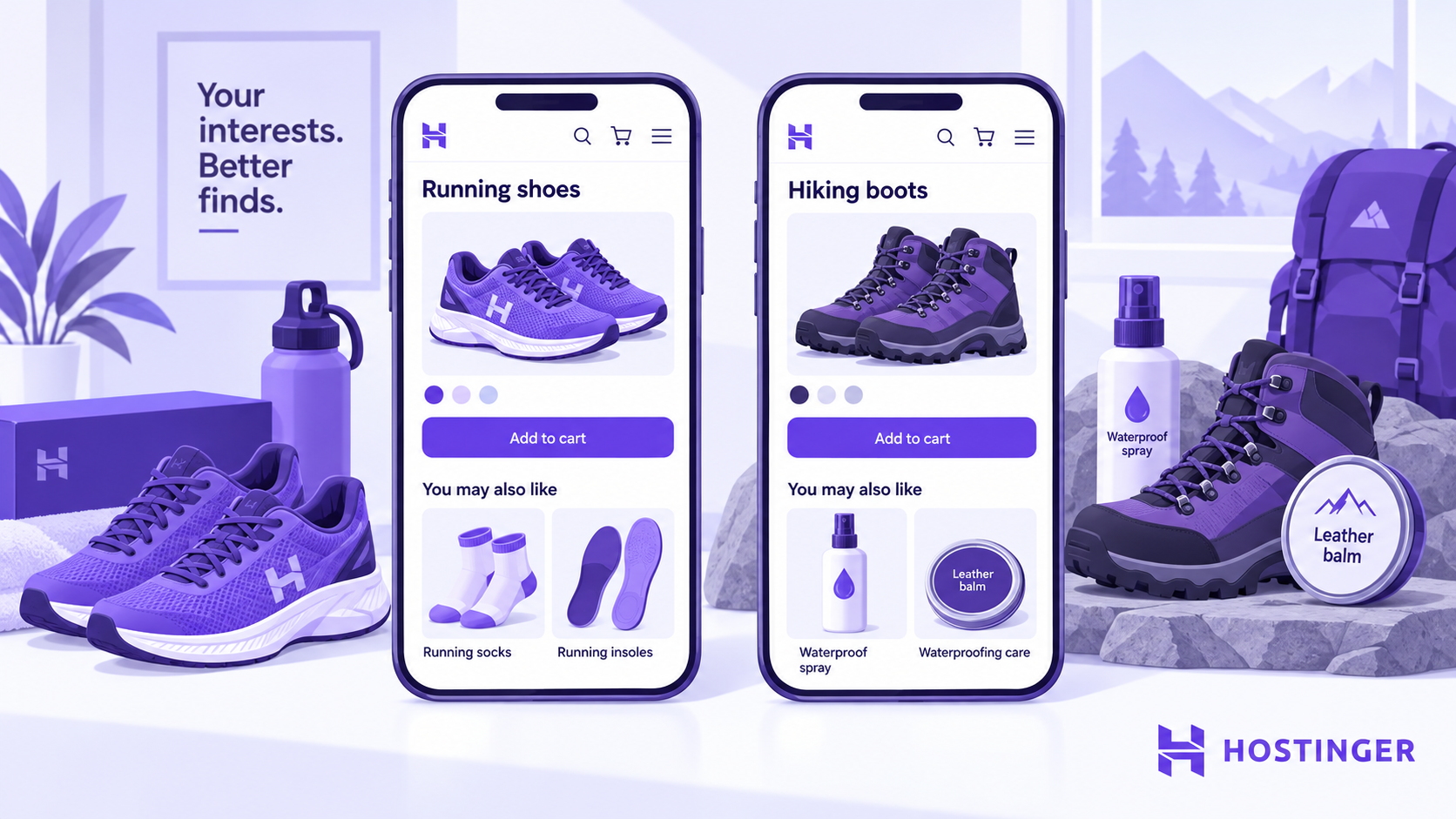
Platforms such as Shopify, WooCommerce, and Hostinger Ecommerce now integrate various automated features, though capabilities vary significantly across ecosystems. Retailers typically apply these technologies across several key operational areas, including product personalization, advertising optimization, customer segmentation, and conversational shopping assistants.

Personalizing product recommendations remains one of the most immediate applications for online stores. By evaluating real-time cart contents and past purchases, platforms can display complementary merchandise directly on product pages, during checkout, or inside promotional emails. For instance, a consumer browsing hiking boots might be presented with specialized waterproofing treatments rather than unrelated items. This reduces the friction of manual searching and opens up opportunities for cross-selling and upselling higher-value alternatives.
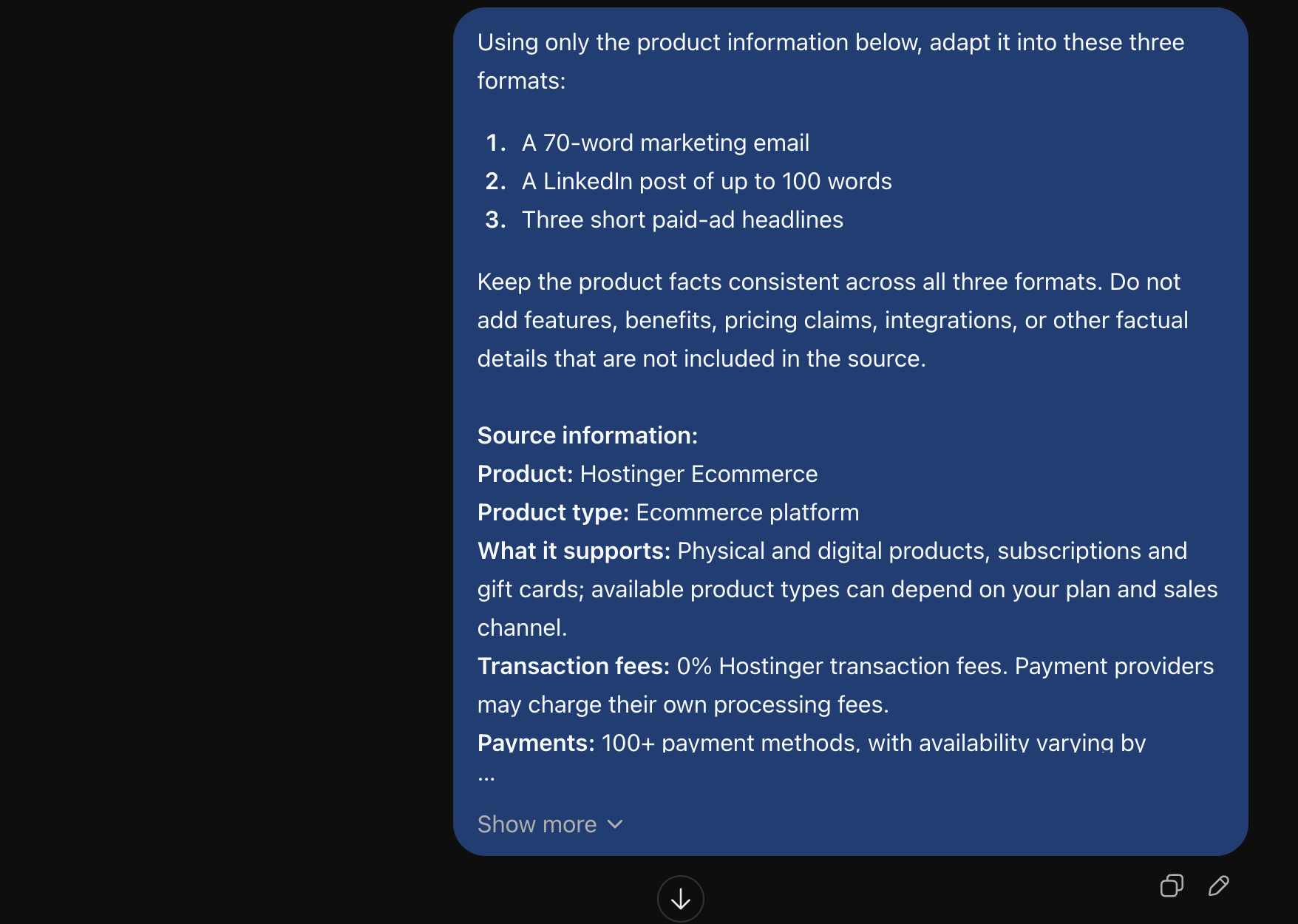
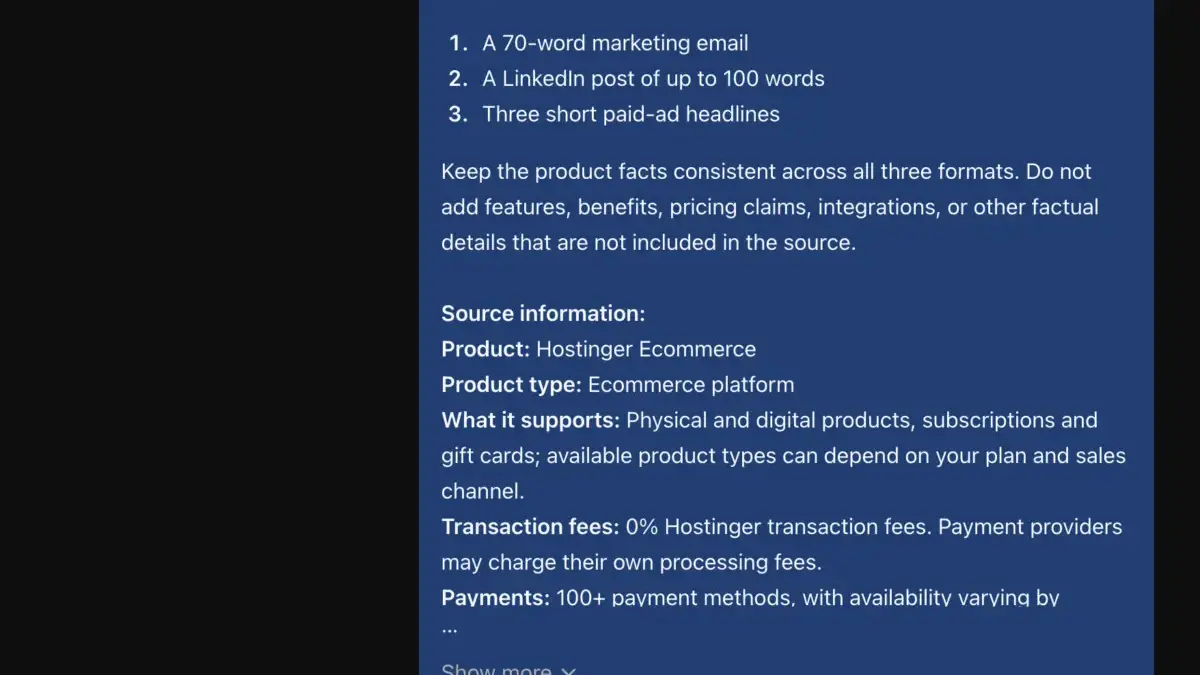
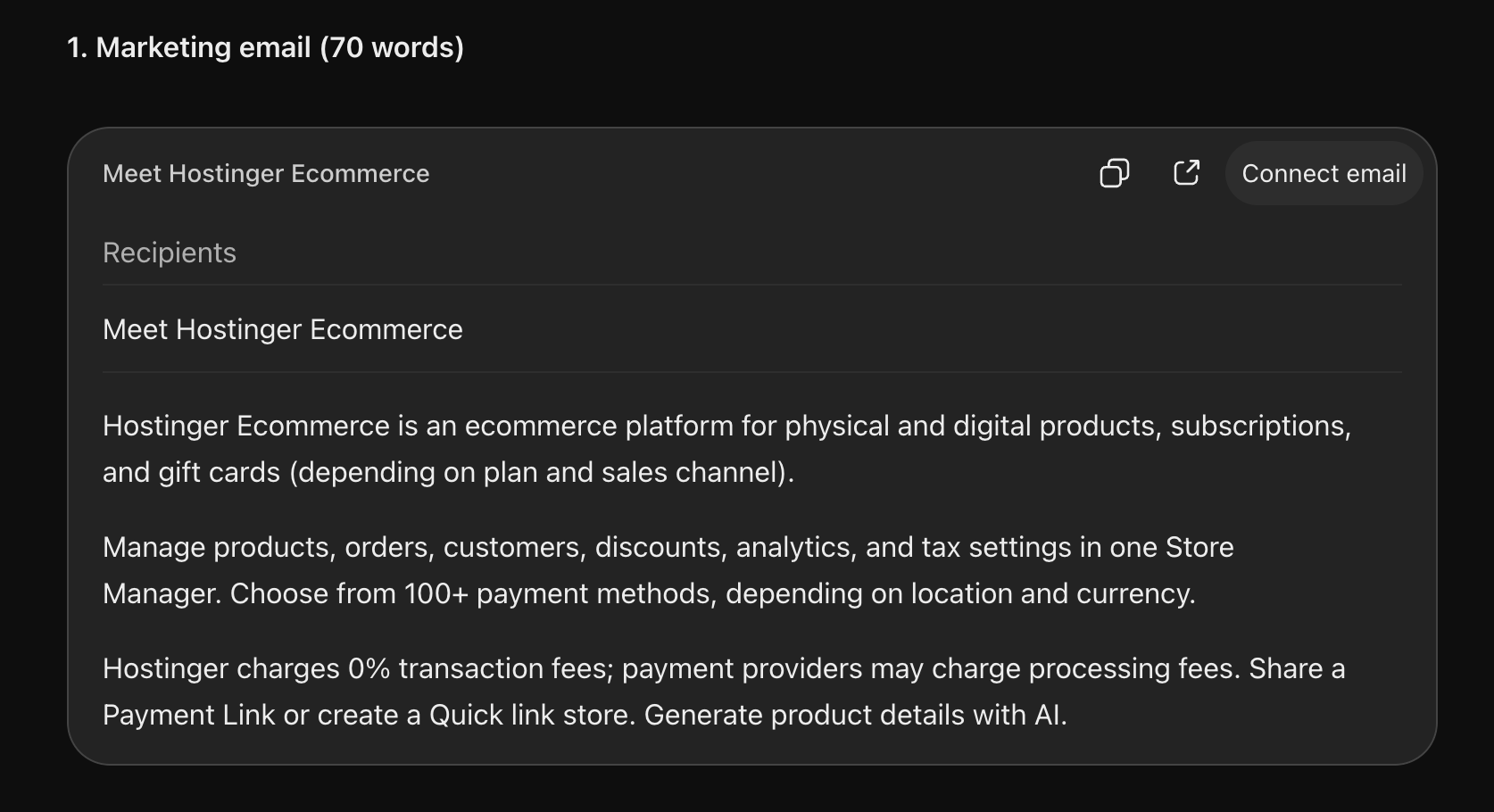
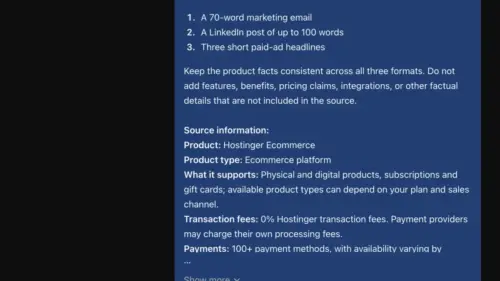
Content creation and adaptation have also shifted alongside technological advancements. Marketers routinely input verified product specifications, target demographics, and brand guidelines into generative systems to produce initial drafts for product descriptions, social media captions, and email subject lines. This capability allows teams to take a single verified asset and automatically adapt it across multiple marketing channels without starting from scratch. However, industry experts continually stress that human review is essential before publication to verify pricing, ingredients, technical specifications, and performance claims.
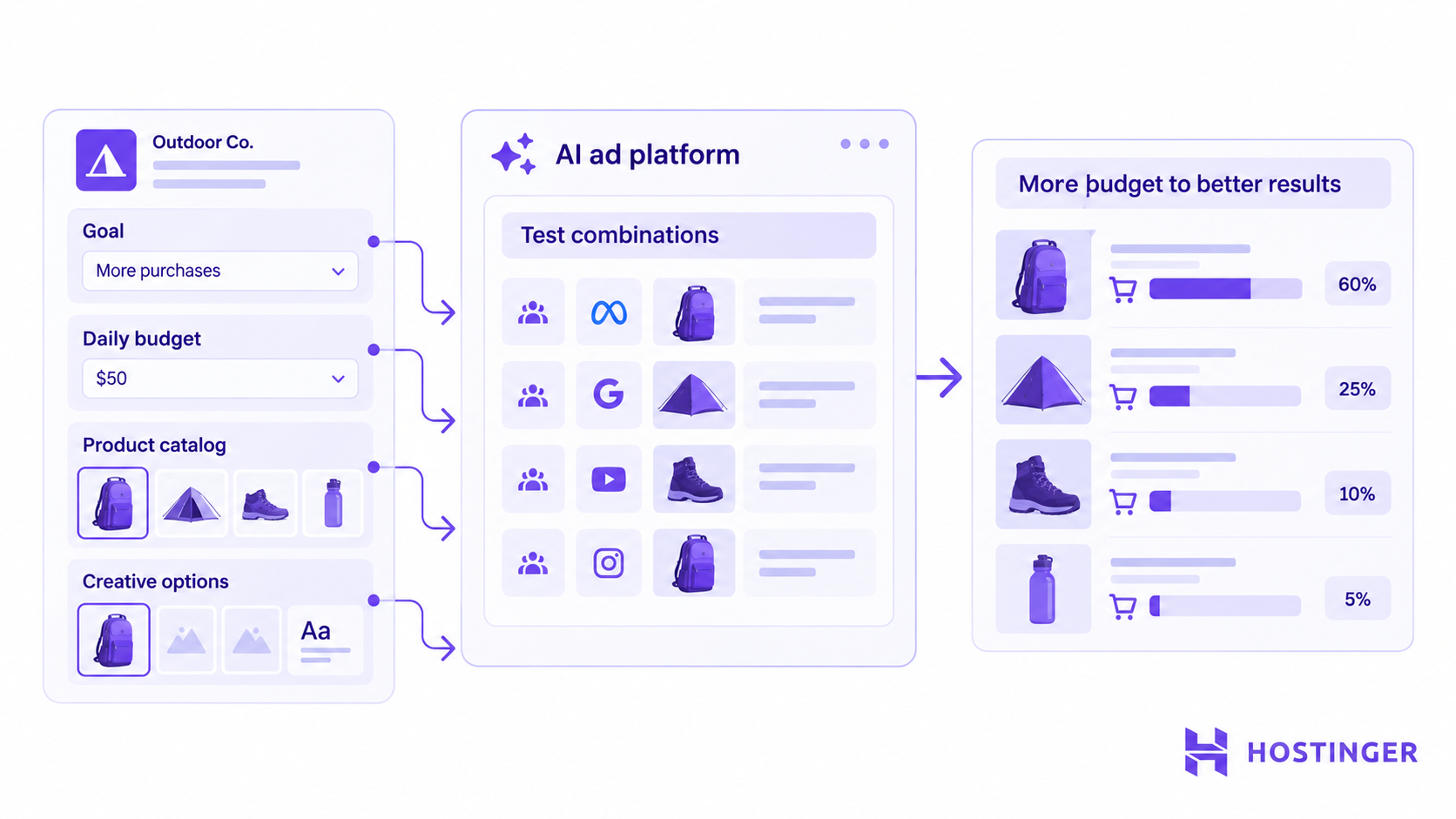
Paid advertising represents another major domain for automated efficiency. Modern ad platforms utilize machine learning to dynamically adjust audience targeting, media placements, and bidding strategies based on real-time performance indicators. By providing a product catalog, creative assets, and a defined sales objective, merchants allow systems to test numerous headline and imagery combinations, shifting budgets toward top-performing variations. Marketers retain control over overarching financial parameters, visual assets, and performance metrics, while the algorithm manages the granular delivery adjustments.
Customer segmentation and retention strategies have similarly transformed through predictive analytics. Rather than treating all subscribers identically, brands can automatically group buyers based on specific behavioral triggers, such as purchase frequency or browsing drops. For email and SMS campaigns, this means timing reorder reminders to match individual consumption cycles rather than relying on blanket schedules. Similarly, conversational AI assistants allow shoppers to use natural language to articulate their preferences, receiving tailored product comparisons in real time rather than navigating rigid menu filters.

Despite the operational advantages, industry analysts warn of significant risks associated with over-reliance on automation. Poor data hygiene, such as duplicate records or missing purchase histories, can severely distort algorithmic decisions, leading to irrelevant recommendations or misdirected ad spend. Additionally, privacy concerns regarding customer data handling and the potential for generative tools to produce inaccurate product claims necessitate rigorous management and continuous oversight by marketing teams.
As digital storefronts look toward the future, the integration of automated agents and intelligent workflows is expected to expand further between initial campaign planning and execution. Ultimately, the effectiveness of these tools is measured by their ability to save time, enhance customer relevance, and improve sales performance while maintaining strict human control over brand messaging and consumer privacy.
Leave a Reply