
October 15, 2026
By Alma F.

The landscape of online retail is undergoing a profound structural shift as artificial intelligence transitions from an experimental novelty into a foundational pillar of modern digital commerce. Across the global marketplace, online stores are increasingly leveraging customer, product, and campaign data powered by machine learning algorithms to attract shoppers, maximize sales conversions, and foster long-term customer loyalty. By systematically analyzing intricate behavioral patterns—ranging from how users browse digital storefronts to their responsiveness to targeted advertising—merchants are discovering new ways to optimize everything from product recommendations to complex retention campaigns.

Industry experts emphasize that the successful deployment of artificial intelligence in retail marketing requires a disciplined approach, beginning with isolated administrative tasks and relying heavily on pristine, verifiable data. Because automated systems operate entirely on the parameters and information provided to them, human oversight remains a critical safeguard. Unchecked automation or flawed foundational data can easily result in inaccurate product descriptions, irrelevant recommendations, or substantial financial waste in paid advertising budgets.

Fundamentally, artificial intelligence in the ecommerce sector encompasses a diverse suite of technologies, including sophisticated product recommendation engines, real-time ad optimization systems, automated content generators, and conversational shopping assistants. These tools are designed to evaluate historical customer behavior, accurately project buying preferences, generate promotional materials at scale, and resolve consumer inquiries dynamically. For instance, a boutique home decor merchant might harness browsing history to serve highly relevant item suggestions, dynamically generate multiple iterations of an advertisement for an upcoming collection, or flag user segments showing early signs of disengagement.
While algorithms excel at pattern recognition and handling repetitive administrative burdens, human marketers retain control over establishing overarching strategic objectives and deciding precisely when and how to execute automated insights. Platforms ranging from specialized hosting ecosystems like Hostinger Ecommerce to established storefront architectures like Shopify and WooCommerce have integrated various levels of artificial intelligence capabilities into their baseline offerings, allowing merchants of all sizes to tap into advanced data analytics.

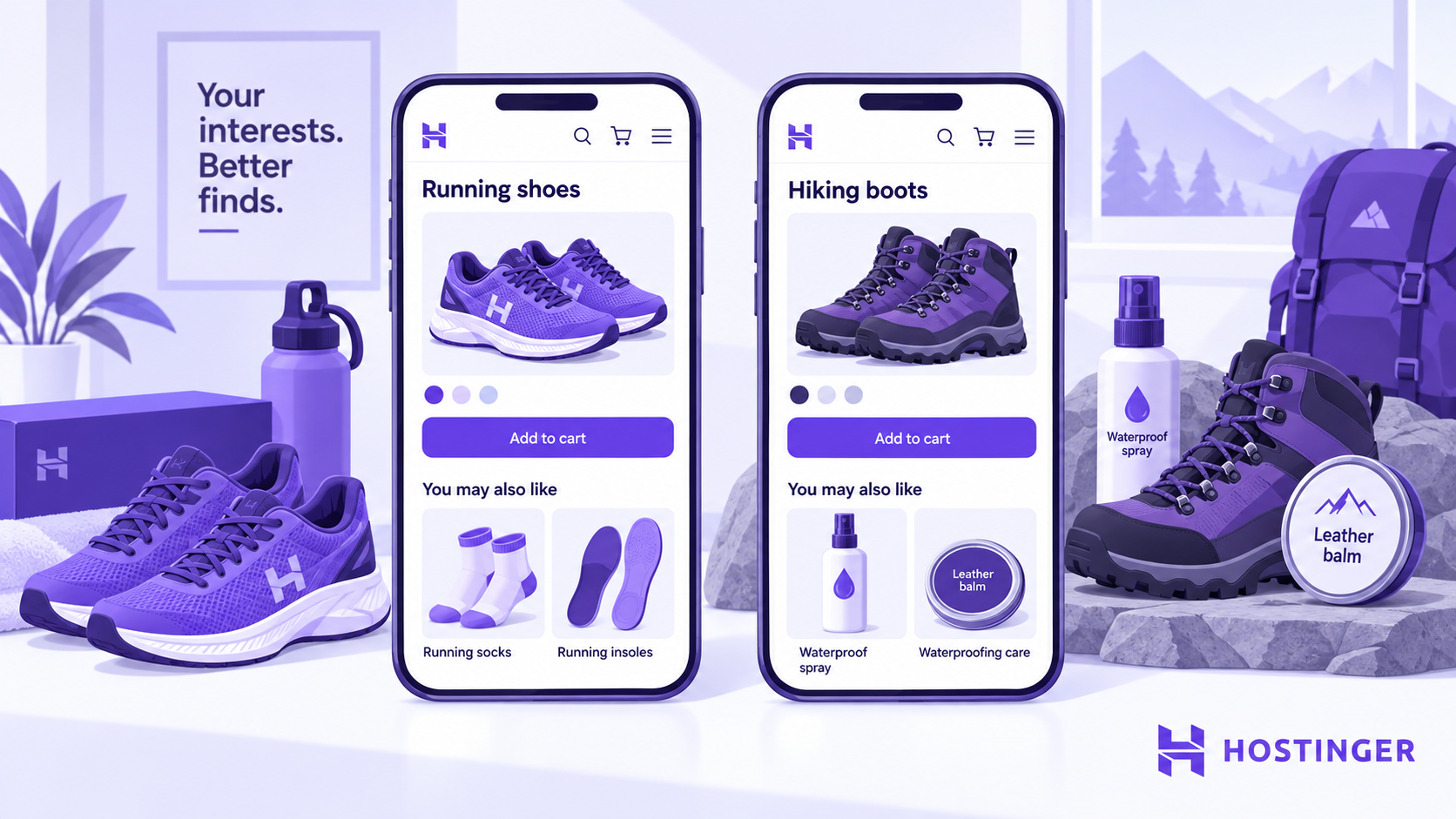
Among the most impactful applications of this technology is the personalization of product recommendations. By analyzing real-time browsing paths, active shopping carts, and past purchasing history, online platforms can dynamically present shoppers with items that closely align with individual tastes and intent. A consumer examining a pair of high-performance running shoes might immediately encounter tailored suggestions for moisture-wicking socks or custom insoles, whereas a browser exploring rugged hiking boots would instead be directed toward specialized waterproofing care products. These dynamic suggestions can be seamlessly integrated across product pages, cart checkouts, post-purchase sequences, and marketing emails, significantly reducing the cognitive effort required for shoppers to find complementary merchandise while unlocking vital cross-selling and upselling opportunities. Market research indicates that highly engaged product recommendation systems can account for nearly a third of total ecommerce revenue when utilized effectively.
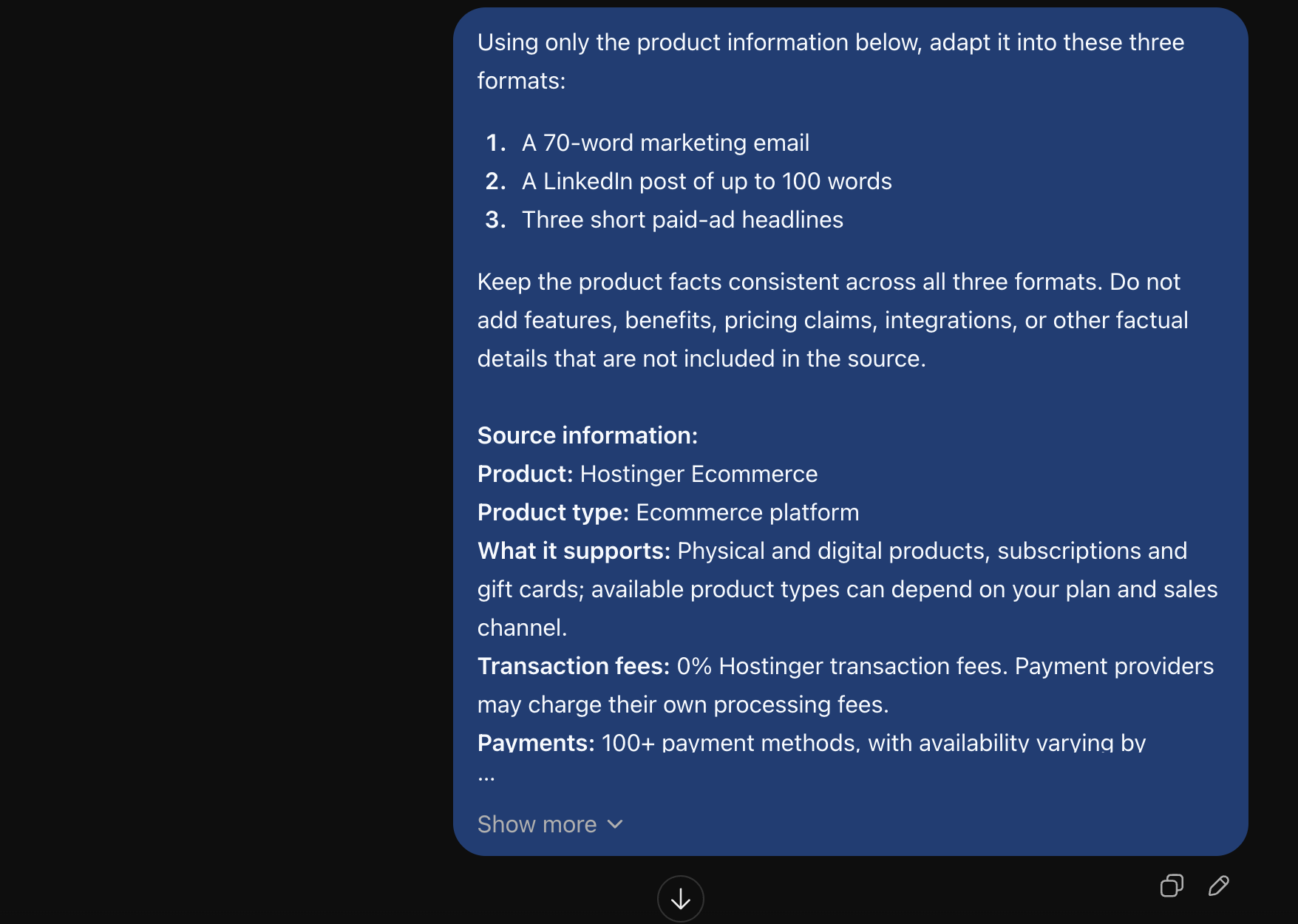
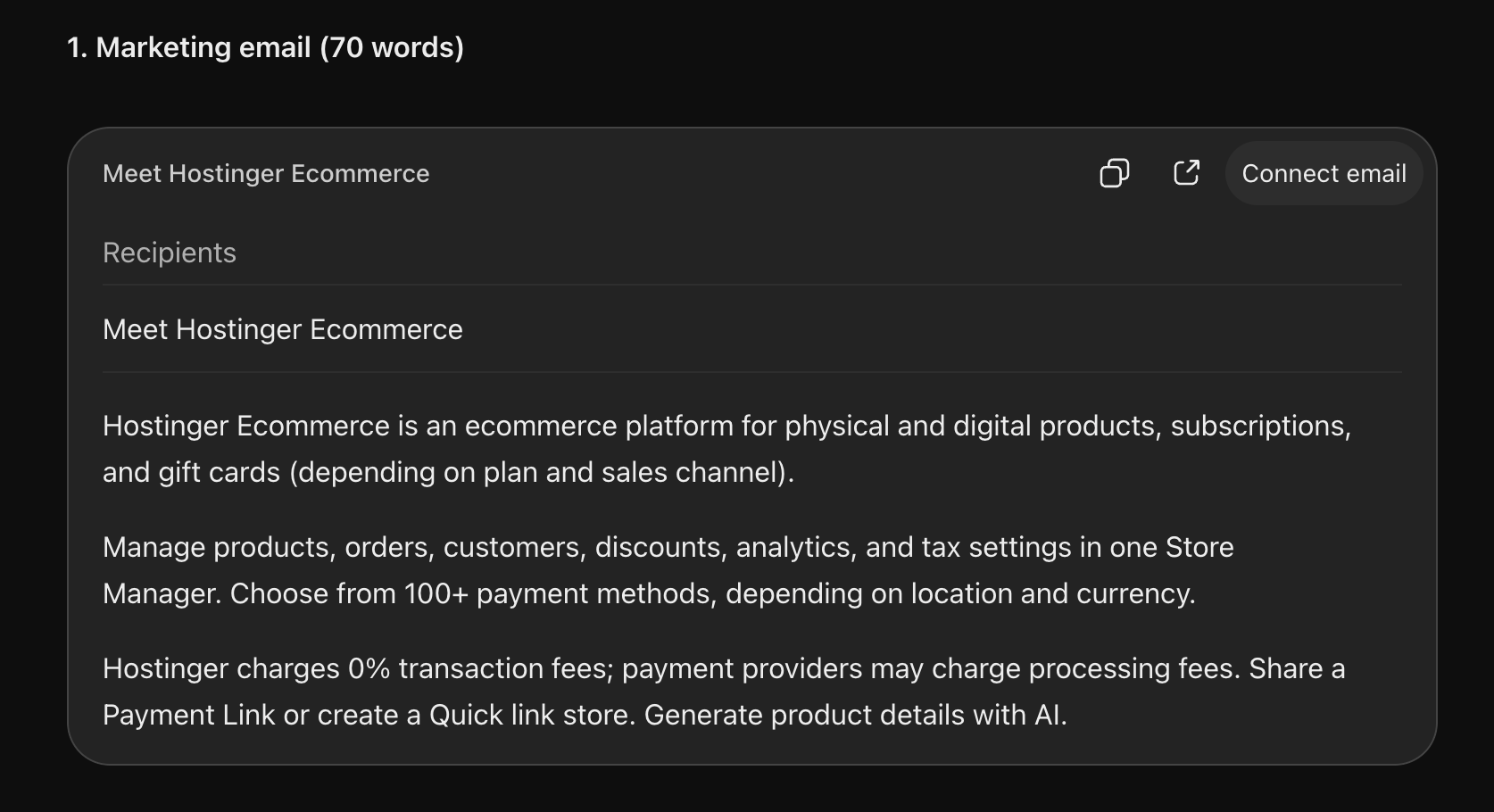
In tandem with personalization, content creation and adaptation have been revolutionized by generative models. Modern digital marketers routinely rely on advanced content generation tools to draft initial copy, build ad variations, construct compelling email subject lines, and formulate social media captions. By feeding a verified product brief—complete with precise ingredients, core benefits, target demographics, and brand voice guidelines—into an artificial intelligence system, merchants can rapidly adapt a single foundational source into multiple localized formats tailored for distinct communication channels. Industry metrics demonstrate that a majority of marketing professionals now utilize automated tools to construct initial drafts or refine existing copy. However, editorial governance remains paramount; industry veterans stress that all generated material must be rigorously reviewed against factual product specifications, pricing models, ingredient lists, and performance claims prior to publication to maintain consumer trust and regulatory compliance.
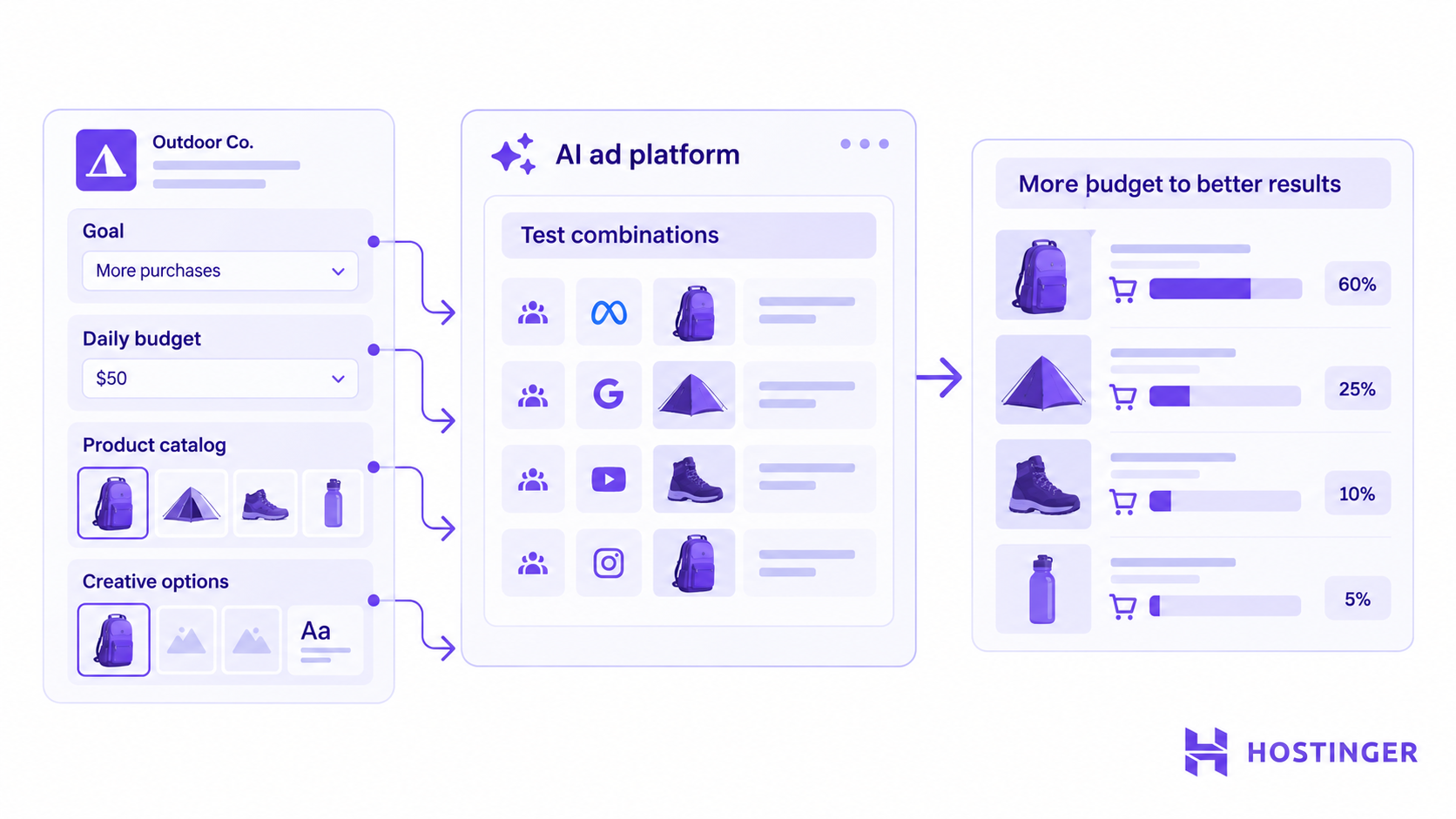
Paid advertising optimization represents another critical frontier where machine learning has fundamentally changed campaign management. Modern advertising platforms utilize advanced automation to adjust target audiences, dynamic placements, and bidding strategies in real time based on specific campaign goals and ongoing performance metrics. Rather than manually adjusting bids across dozens of fragmented ad sets, an outdoor equipment retailer might supply a complete product catalog, visual assets, creative headlines, and a designated daily budget to an automated system. Platforms such as Google Performance Max or Meta Advantage+ then continuously test multiple permutations, dynamically shifting capital toward the highest-performing combinations. Despite this high degree of automation, human strategists retain strict control over establishing core marketing budgets, defining brand safety guidelines, and ensuring that underlying conversion tracking mechanisms are functioning accurately.
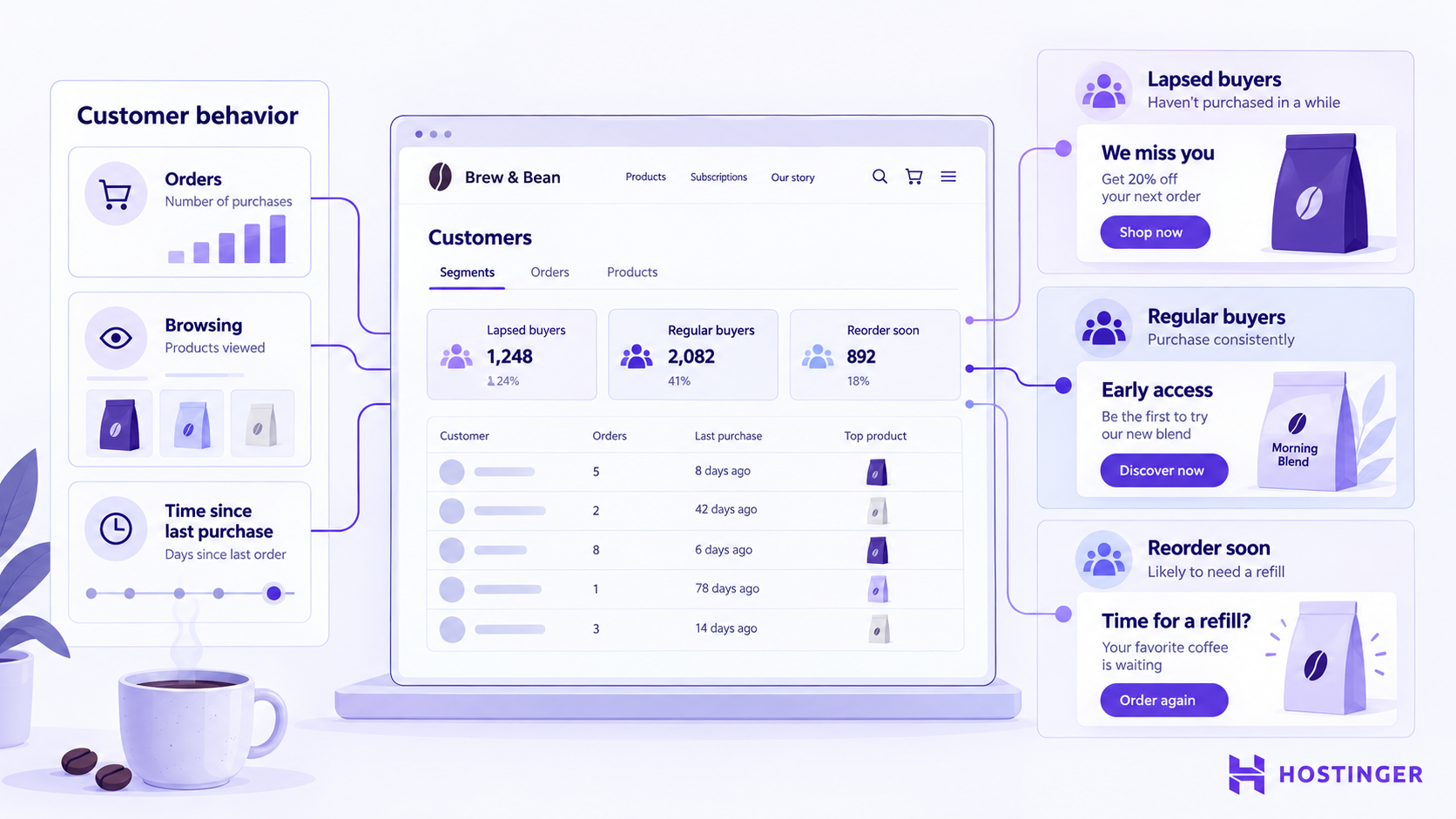
Beyond acquisition and advertising, merchants are increasingly turning to behavioral customer segmentation to refine their outreach strategies. A customer segment groups buyers based on shared, measurable characteristics or historical actions, such as purchase frequency or browsing intensity. For example, a specialty coffee merchant might automatically isolate a cohort of consumers who have completed at least two prior orders but remained inactive for the preceding sixty days. By dividing audiences into granular behavioral tiers—such as lapsed buyers, frequent purchasers, and prospective reorder candidates—brands can transition away from generic, one-size-fits-all promotional blasts in favor of highly targeted messaging designed to resonate with specific consumer mindsets.

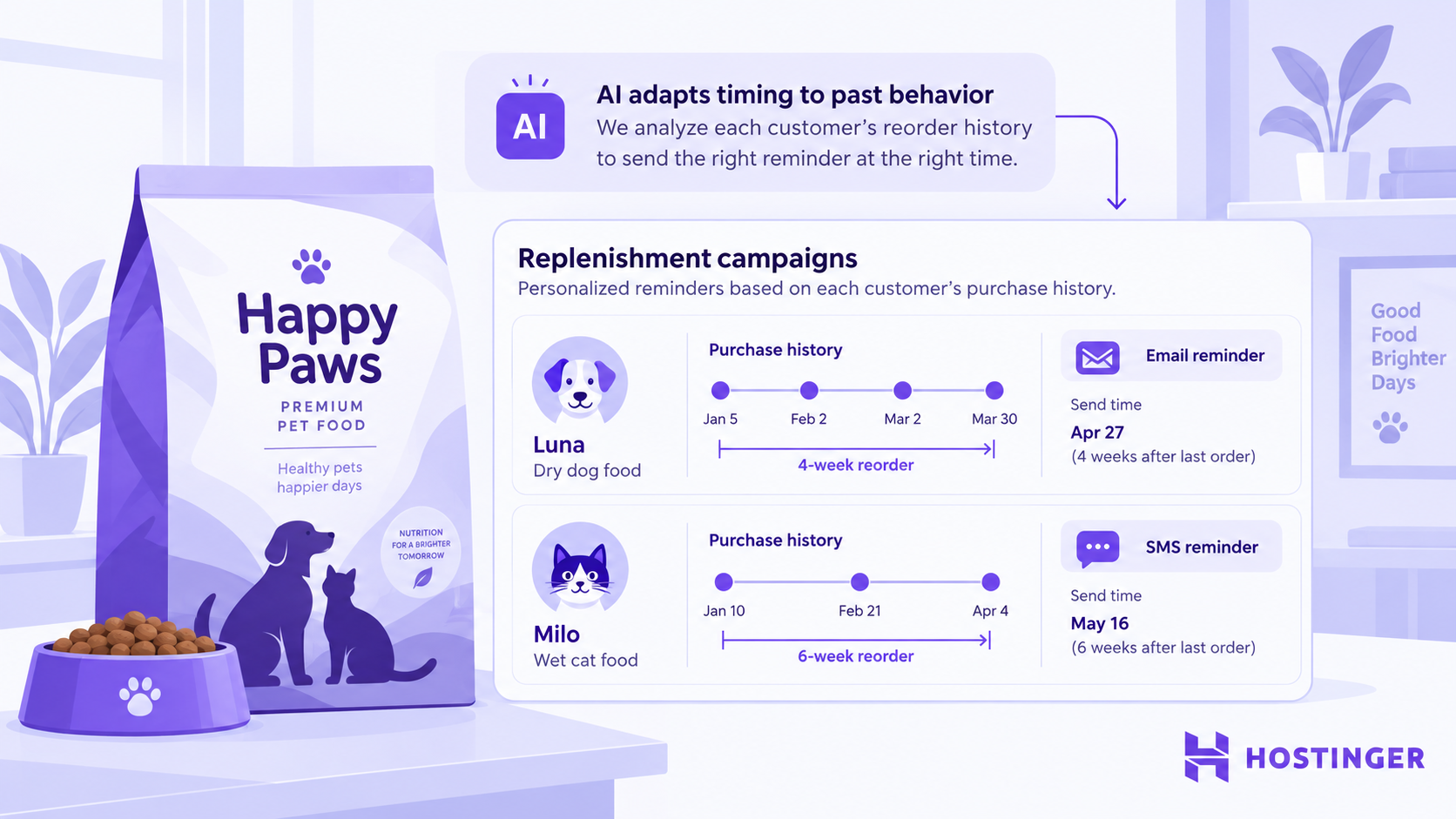
Email and SMS marketing campaigns have similarly evolved through the integration of predictive timing and hyper-personalization. Traditional marketing automation relies on static triggers like sign-ups or completed purchases to initiate message sequences. When enhanced by artificial intelligence, these automated frameworks can dynamically alter message content, delivery timing, and product pairings based on individual habits. A pet supply merchant, for instance, might observe distinct replenishment cycles between different buyers—with one customer reordering every four weeks while another requires six—allowing the system to dispatch automated reminder notifications precisely when a reorder is statistically most likely to occur. While these sophisticated features often require substantial audience sizes to achieve statistical significance, they provide a powerful mechanism for maximizing engagement without overwhelming subscribers.
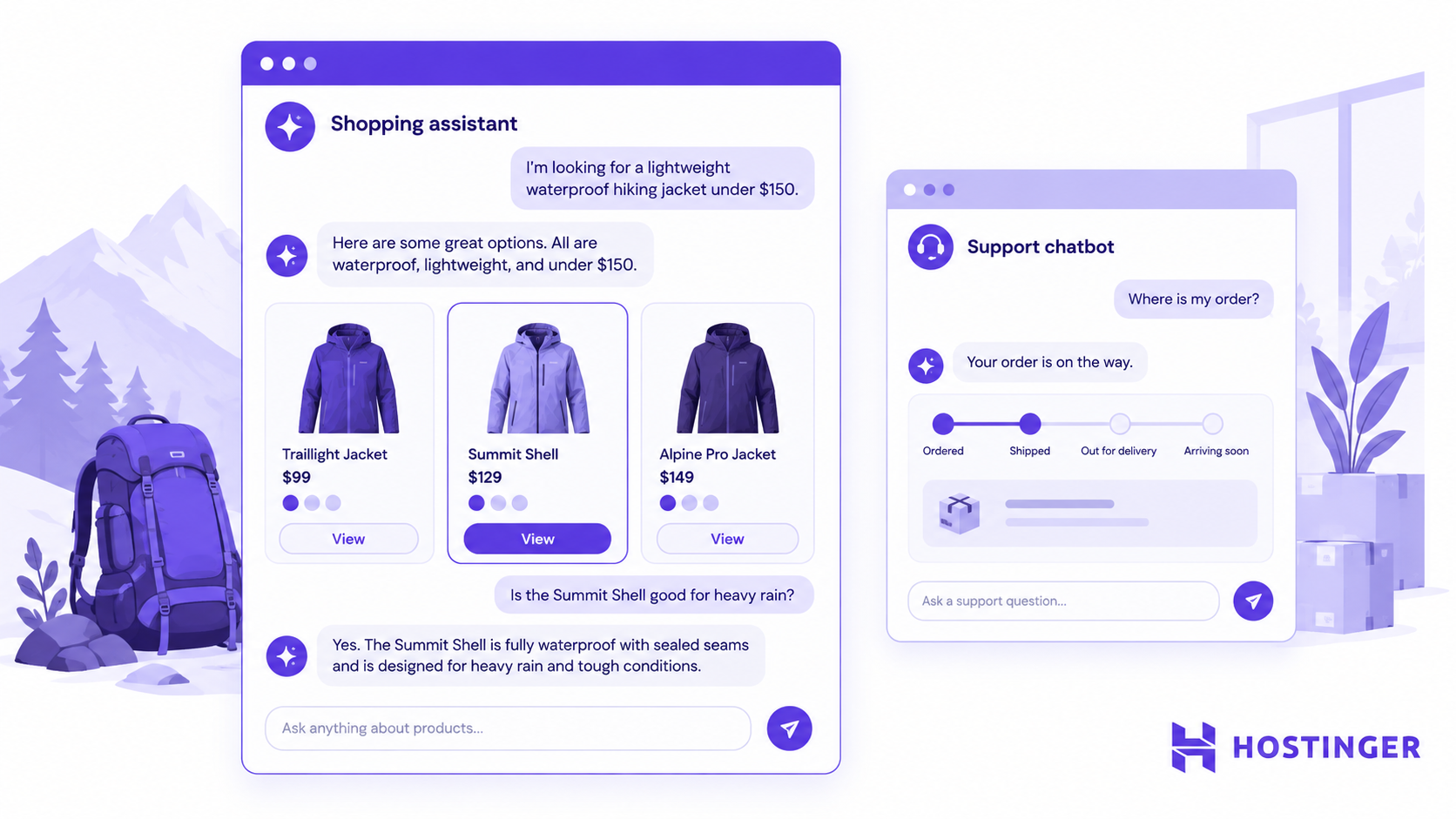
Conversational commerce has also transformed how consumers interact with online storefronts. Rather than forcing shoppers to navigate rigid filter menus or rely on basic keyword-driven chatbots, modern conversational tools allow users to express their specific needs in natural, everyday language. A consumer searching for winter apparel can simply state that they require a lightweight, waterproof jacket suitable for alpine hiking under a specific budget, prompting the conversational assistant to synthesize matching options and explain the nuanced differences between them. These interactive shopping assistants bridge the gap between traditional customer support bots and guided selling, offering a frictionless discovery experience that aligns closely with shifting consumer preferences in social commerce.
In the realm of retention, merchants are actively utilizing machine learning to combat cart abandonment and predict customer churn. Abandoned cart recovery strategies now extend far beyond generic email reminders; advanced systems tailor follow-up messages based on why a user abandoned the checkout flow. A first-time visitor who departed abruptly upon encountering unexpected shipping fees may receive a targeted incentive or transparent delivery breakdown, whereas a loyal repeat customer who simply forgot to complete their transaction is served a straightforward, frictionless checkout link. Similarly, predictive analytics can identify the subtle behavioral shifts that precede customer churn—such as a sudden drop in email engagement, irregular browsing patterns, or a missed recurring purchase date. By detecting these early warning signs, brands can intervene proactively with retention campaigns before a customer is lost permanently, though such predictive models generally require extensive historical datasets and robust order histories to function reliably.
Despite these transformative advantages, industry analysts caution that relying heavily on artificial intelligence introduces notable operational risks and limitations. The primary vulnerability stems from data quality; duplicate records, missing entries, or distorted conversion tracking can severely undermine the accuracy of automated decisions, leading to misdirected campaigns and wasted expenditure. Furthermore, the risk of data exposure remains a pressing concern, requiring strict adherence to privacy standards regarding how customer information is processed and retained by third-party vendors. Over-reliance on automation can also prove detrimental if automated rules continue to execute spending or discounting strategies long after market conditions have shifted.
To successfully navigate the integration of artificial intelligence, retail professionals recommend a measured, incremental approach. Merchants should begin by identifying a single, well-understood marketing task, auditing the underlying data quality, selecting an appropriate technological tool, and conducting small-scale tests against established baseline performance metrics. As automated workflows prove their reliability, organizations can gradually expand the scope of machine learning integration to streamline campaign planning and execution, ensuring that technology serves to enhance strategic control, operational efficiency, and overall marketing performance.
Leave a Reply