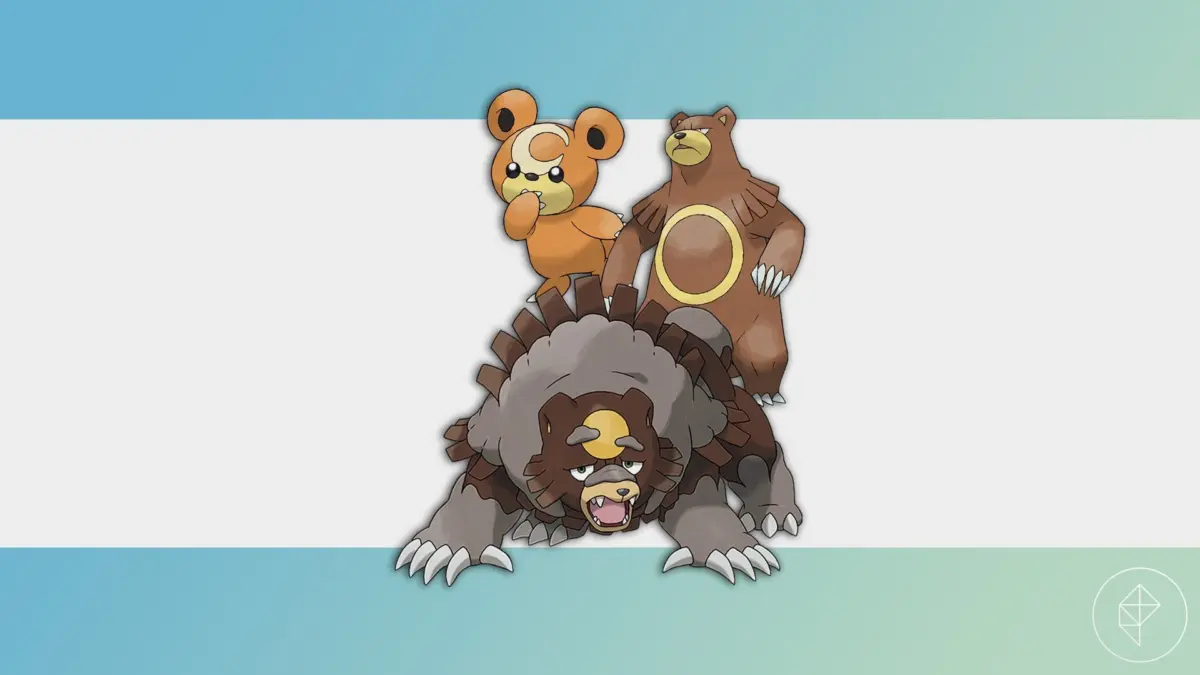
For trainers traversing the augmented reality landscape of Pokémon Go, adding certain rare and powerful creatures to your collection requires more than just accumulating candies or walking specific distances. Among the most uniquely demanding evolutionary requirements in the mobile game is that of Ursaring, the grizzly Pokémon originally introduced in the Johto region, which can only transform into its formidable ground-and-normal-type evolution, Ursaluna, under very specific celestial conditions.
According to game mechanics derived from its debut in the franchise, players can only trigger this evolution when there is a full moon in the real world. Because a full lunar cycle occurs roughly once every month, missing the designated evening means trainers must exercise patience and wait another four weeks or more for the next opportunity. To help players navigate this celestial requirement, the timing of these lunar phases dictates an ongoing schedule for the game’s community, tying the virtual collection mechanics directly to real-world astronomy.
The requirement to align in-game actions with real-world night skies has turned lunar tracking into a routine for dedicated players. Based on data from astronomical tracking systems such as NASA’s sky events calendar, the full moon phase dictates the precise evenings during which the evolution button becomes active. Because lunar events occur at specific moments that span different time zones across the globe, trainers are consistently encouraged to check local sky calendars to pinpoint the exact hours the moon reaches its peak illumination in their specific region.
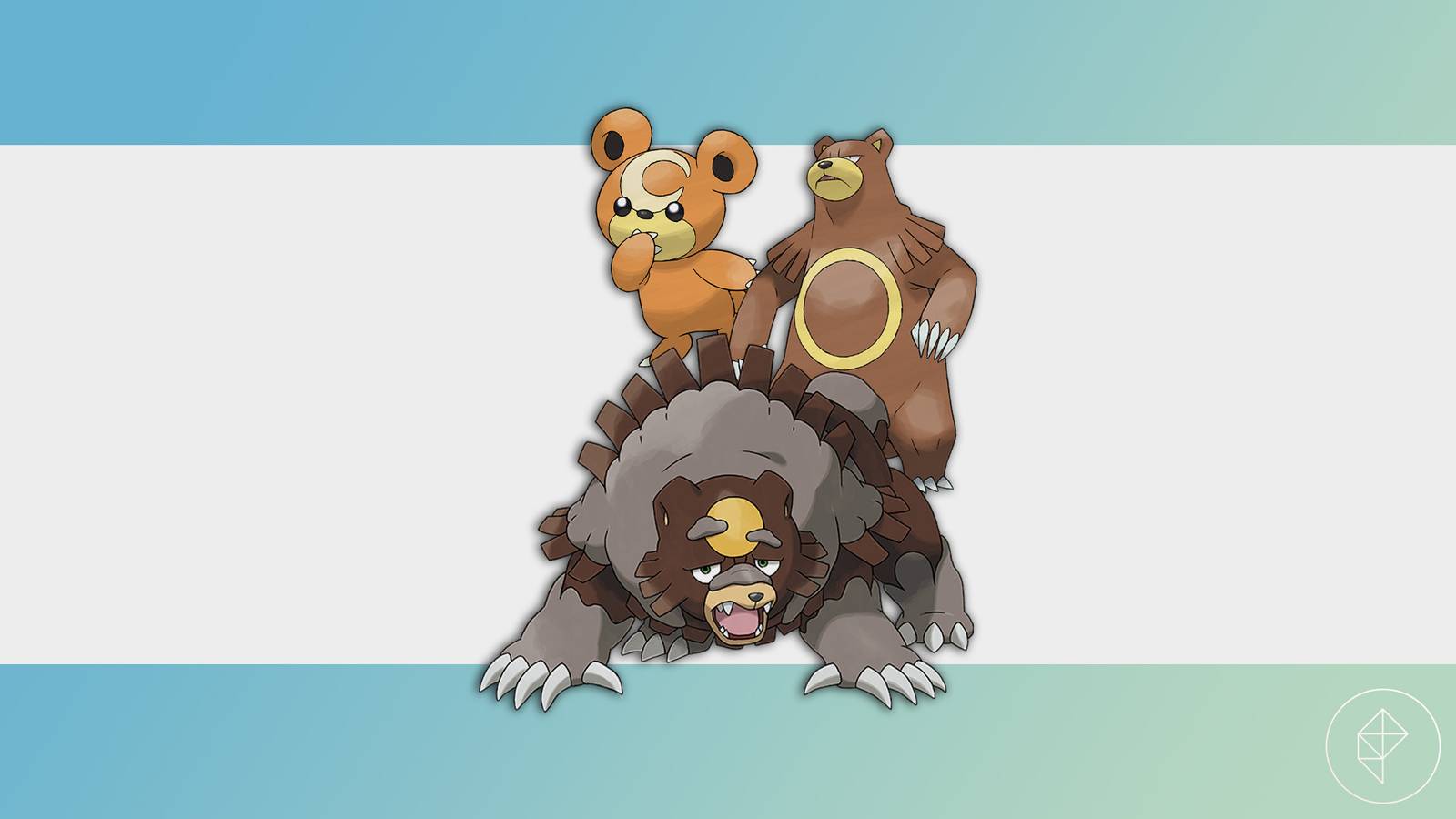
In addition to the celestial alignment, players must ensure that a few other fundamental conditions are met before the evolution can take place. Crucially, the game’s clock must register local nighttime hours alongside the presence of the full moon. Attempting the evolution during daylight hours, even on the exact calendar day of a full moon, will not yield the desired result. Furthermore, players need to accumulate a sufficient resource pool, specifically requiring 100 Teddiursa Candy to fuel the transformation from Ursaring into Ursaluna.
The mechanic has remained a notable point of discussion within the broader Pokémon Go community due to how strictly it binds gameplay progression to external, uncontrollable environmental factors. While many evolutions in the game rely purely on items, buddy distances, or trade mechanisms, the lunar restriction introduces a timing element that punishes forgetfulness, leaving players stranded until the next rotation of the moon if they miss the narrow window of opportunity.
Interest in the various forms of the creature has also kept the spotlight on Ursaluna’s availability within the mobile title. While the standard variant of Ursaluna has been integrated into the game’s ecosystem through these strict lunar requirements, other iterations introduced later in the core series remain absent. Notably, Bloodmoon Ursaluna—a special, distinct form of the Pokémon originally discovered in the Kitakami region featured in the downloadable content for Pokémon Scarlet and Violet—cannot be obtained within Pokémon Go as of the current phase of the game’s updates. As Niantic continues to roll out generations of creatures and specialized regional forms over time, players remain watchful for any future announcements regarding alternative versions of the peat Pokémon, even as they continue to monitor the night sky for their monthly evolutionary windows.