

Valve has rolled out a significant update to its gaming ecosystem, altering how the Steam desktop client is built and operated on Linux distributions. The October 15 Steam Client Beta introduces a major architectural shift, transitioning the client to a native 64-bit build that runs entirely inside a specialized Steam Runtime container. Alongside this structural overhaul, the new beta release includes a resolution for a persistent bug that occasionally prevented the updater window from showing up, as well as the introduction of the new Achievement Sets feature for players.

For years, the Linux version of the Steam client has operated using an older setup that layered Steam Runtime libraries directly over the native libraries found on a user’s host system. While this method allowed the application to function across a wide array of Linux distributions, it came with inherent limitations. According to official runtime documentation, this legacy layering approach only functioned properly when the host operating system was newer than the runtime environment itself, creating potential friction and inconsistencies for users running rolling-release distributions or heavily customized operating systems.
The transition mirrors a strategy Valve has already successfully deployed for the games themselves. Modern games on Steam frequently run inside isolated containers, a mechanism powered by a utility known as pressure-vessel. These containers provide an application with its own dedicated, predictable set of libraries rather than blending them haphazardly with the host system’s packages. While the container isolates most dependencies, pressure-vessel still securely passes through the necessary graphics drivers directly from the host system to ensure optimal hardware acceleration and performance.

By moving the Steam client itself into a similar containerized environment, Valve aims to ensure that the application behaves much more consistently across various Linux distributions. Developers and system administrators often grapple with the "dependency hell" caused by differing library versions across distributions like Ubuntu, Fedora, Arch Linux, and openSUSE. Containerizing the client abstracts away these underlying discrepancies, providing a unified, self-contained runtime environment that guarantees the client software executes within a controlled and predictable set of parameters.
Although the initial release notes for the beta client did not explicitly name the container technology being utilized, corresponding runtime release notes tie the new 64-bit client directly to a container environment designated as steamrt3c. Documentation found within the project’s repository describes this specific variant as an adaptation of the well-known sniper runtime, engineered specifically for execution inside the Steam client itself rather than individual game titles.
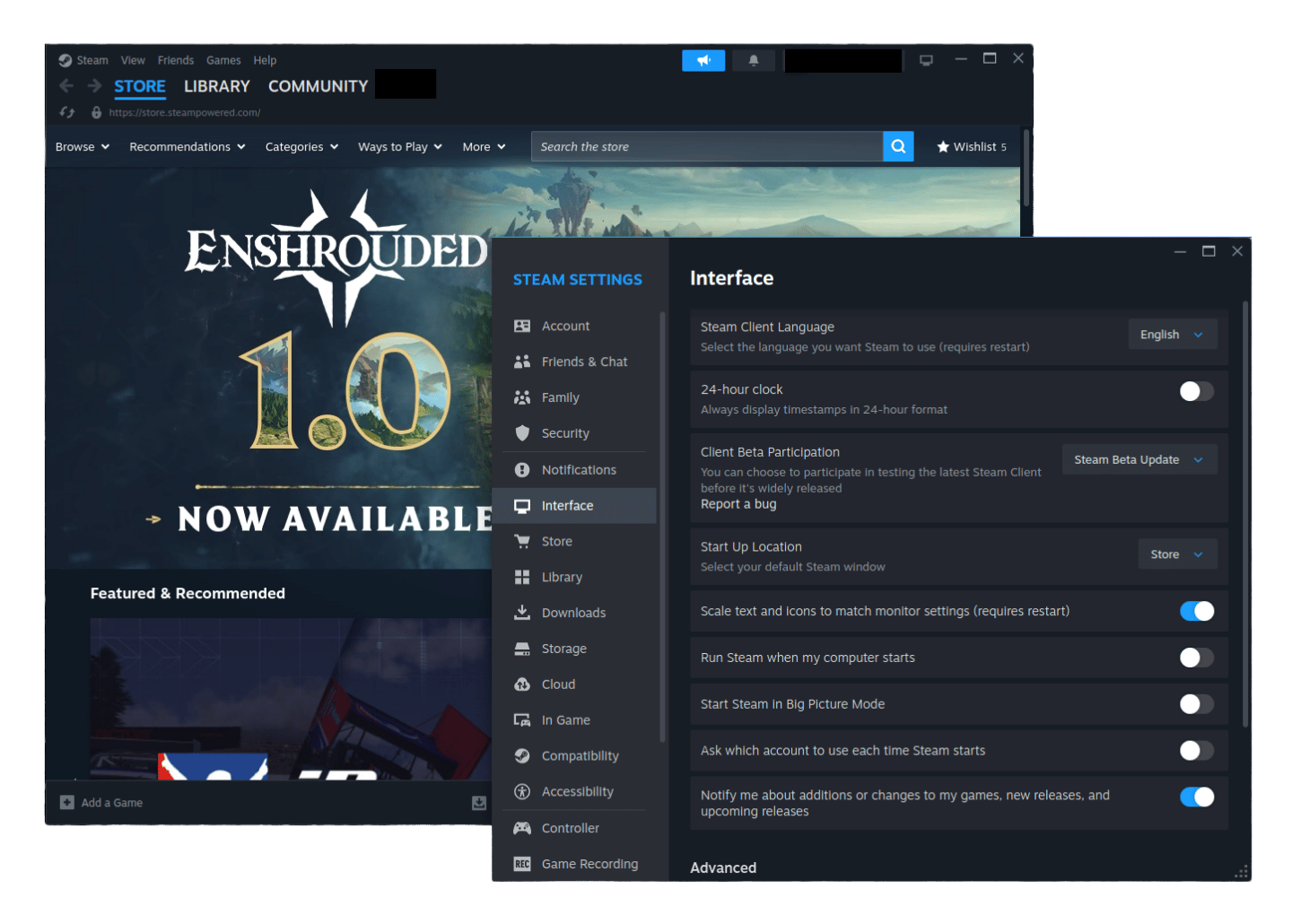
The groundwork for this transition has been quietly developing for months. The architectural foundation was first laid out in March, when Valve initially introduced the container and an early iteration of the 64-bit client to the public via the Linux SteamRT3 Beta channel. This extended testing period has allowed developers to iron out critical bugs and refine the compatibility layers required to shift such a complex desktop application into a containerized workflow.
Despite the client moving to a 64-bit architecture, Valve has emphasized that this transition does not eliminate the fundamental need for 32-bit libraries on a Linux system. The updated requirements for the beta client clearly state that x86_64 systems must still have both 32-bit and 64-bit versions of the required system libraries and graphics drivers installed. Pure 64-bit-only host setups remain explicitly unsupported by the client at this time. Furthermore, documentation for the steamrt3c environment notes that its containers deliberately ship with internal i386 libraries to maintain backward compatibility with older software dependencies and legacy games that rely on 32-bit architecture.
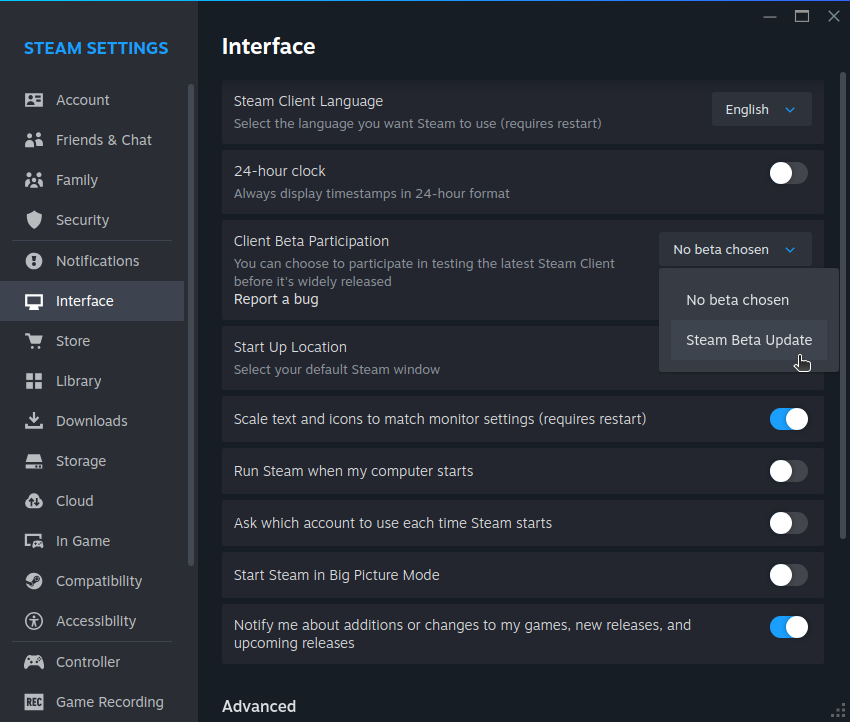
Testing the new beta client has become increasingly straightforward for users eager to experience the architectural changes firsthand. Users running modern Linux distributions, such as recent long-term support releases of Ubuntu, can access the beta channel through a brief configuration process within the existing client interface. Those who do not already have Steam installed on their systems must first acquire the official DEB package provided by Valve before opting into the testing channel.
Valve has actively encouraged the Linux gaming community to participate in the beta testing phase and submit detailed bug reports if they encounter unexpected behaviors or performance regressions. Testers who run into issues can utilize the dedicated reporting options integrated directly into the client’s interface settings, allowing Valve’s engineering teams to gather telemetry and feedback before pushing the containerized 64-bit architecture to the stable release channel for all Linux users.
Leave a Reply