This is turning out to be a pivotal year for Xiaomi as the company rolls out its global flagship lineup, spearheaded by the new Xiaomi 18 Pro and Xiaomi 18 Pro Max. After spending a week testing the devices, the immediate impression is usually familiar: it is an exceptionally capable flagship smartphone that delivers top-tier performance, yet traditionally lacks the unique hardware intrigue of a folding phone.
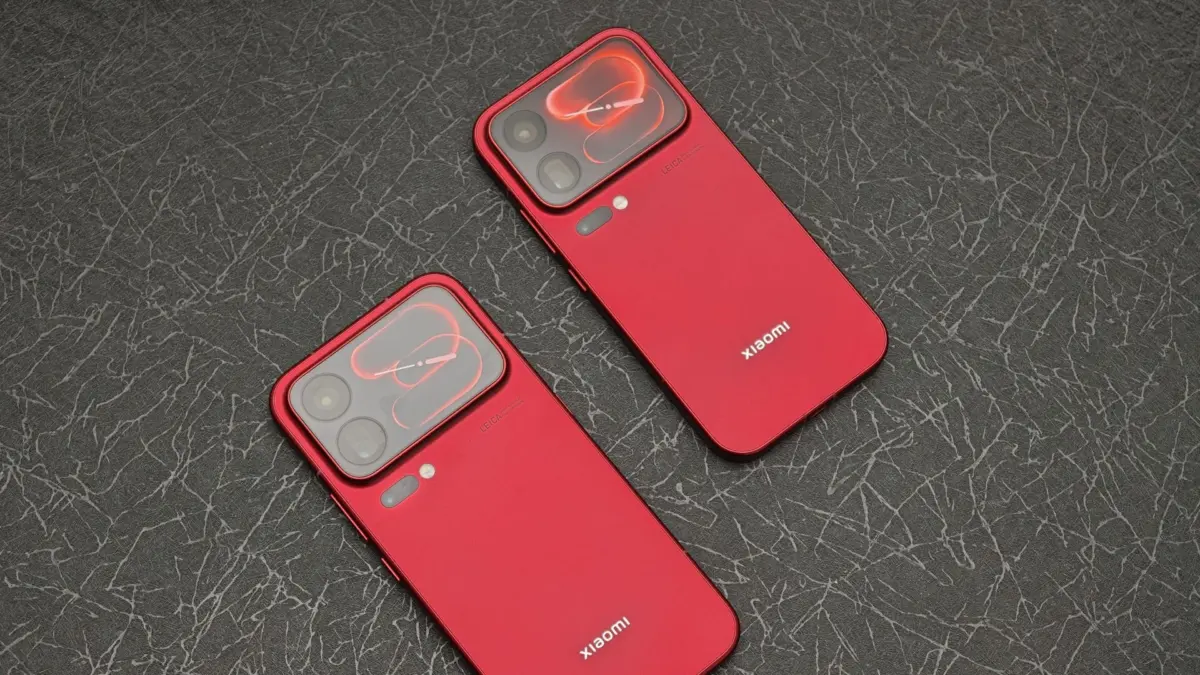
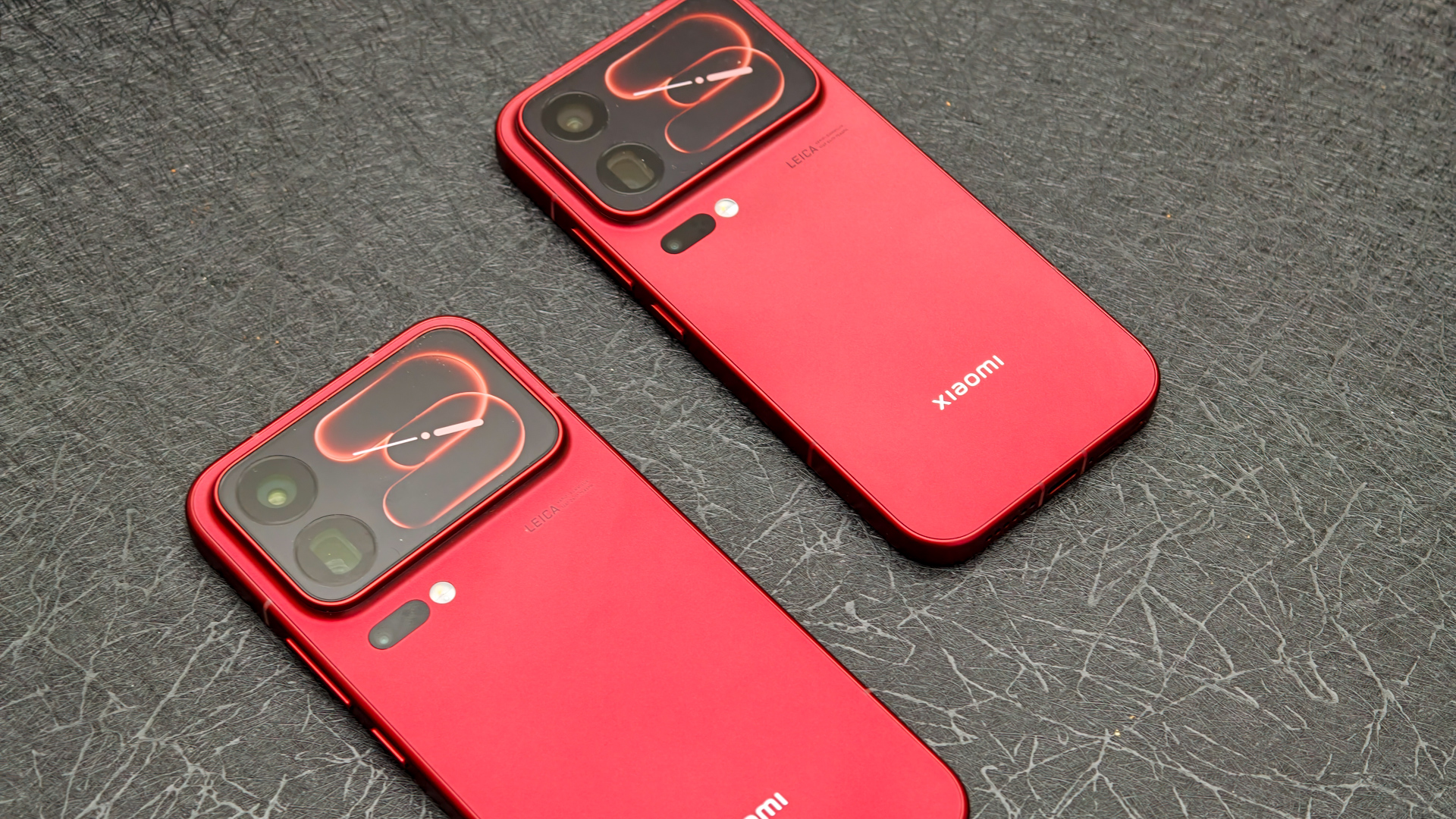
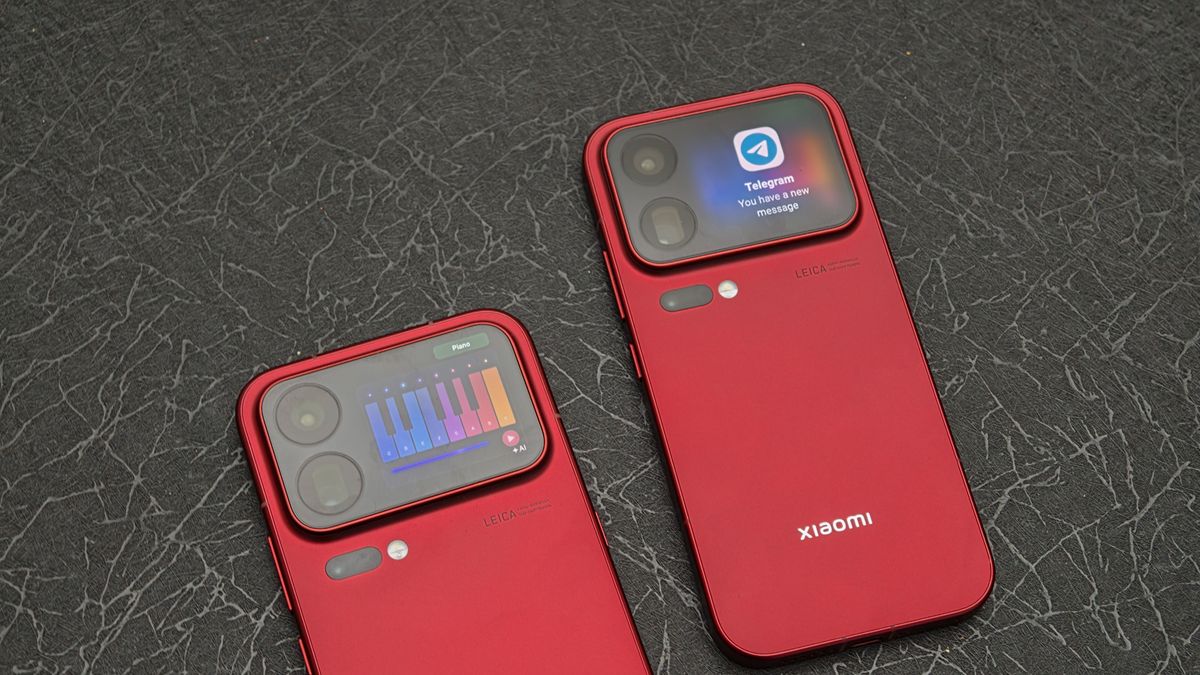
However, the Xiaomi 18 Pro harbors a significant secret weapon that completely disrupts that narrative: an innovative and highly functional back display.
While it is not the first Xiaomi Pro model to feature a secondary screen on the rear, it is the first to launch on a global scale, and the international debut was well worth the wait. The execution of the rear display is a technical masterpiece—so much so that it presents a compelling case for Google to integrate native support into the core Android operating system.
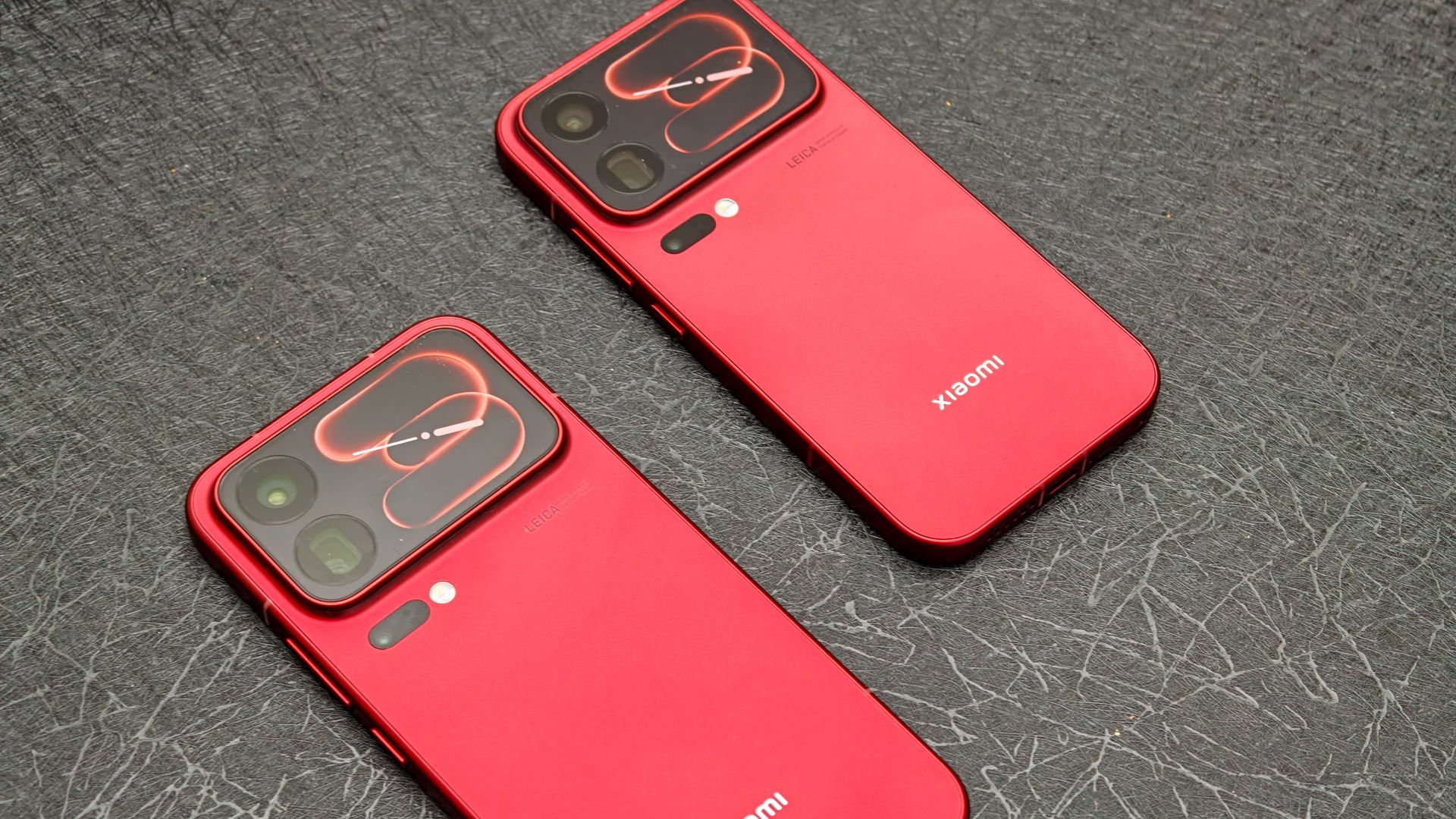
Examining its capabilities reveals why this second screen succeeds where countless predecessors have failed, offering a clear glimpse into the future direction of Android smartphones.
A Fresh Take on the Second Screen Dilemma
The smartphone industry is littered with historical attempts to integrate secondary screens, side-edge notifications, and auxiliary notification lights designed to convey glanceable information without waking the primary panel. Yet, historically, nearly all of these implementations felt like temporary gimmicks. The closest the market has come to a genuinely useful secondary screen prior to this has been found on folding flip phones like the Moto Razr, where the cover display functions simply as a miniature phone screen.
Even in those cases, secondary screens rarely maintained long-term utility. The burden has always fallen on the hardware manufacturer to predict every conceivable use case, build an infinite variety of native options, and then hope users find them indispensable.
Compounding this challenge is the difficulty of persuading third-party developers to adapt their existing applications to support auxiliary display real estate, or to build entirely new software experiences for a niche format. Since the early days of modern app ecosystems, it has been clear that software experiences drive feature adoption, and secondary displays are no exception to this rule.
The breakthrough that makes Xiaomi’s implementation genuinely useful multiple times a day is the integration of artificial intelligence, bypassing the traditional limitations of static secondary screen software.
Gemini and Generative AI as the Ultimate Enabler
In the broader tech landscape, terms like "vibe coding" have emerged to describe software development driven by descriptive language and artificial intelligence rather than traditional manual programming. By simply describing desired changes or functional requirements in plain English, AI can generate and adapt software platforms on the fly.
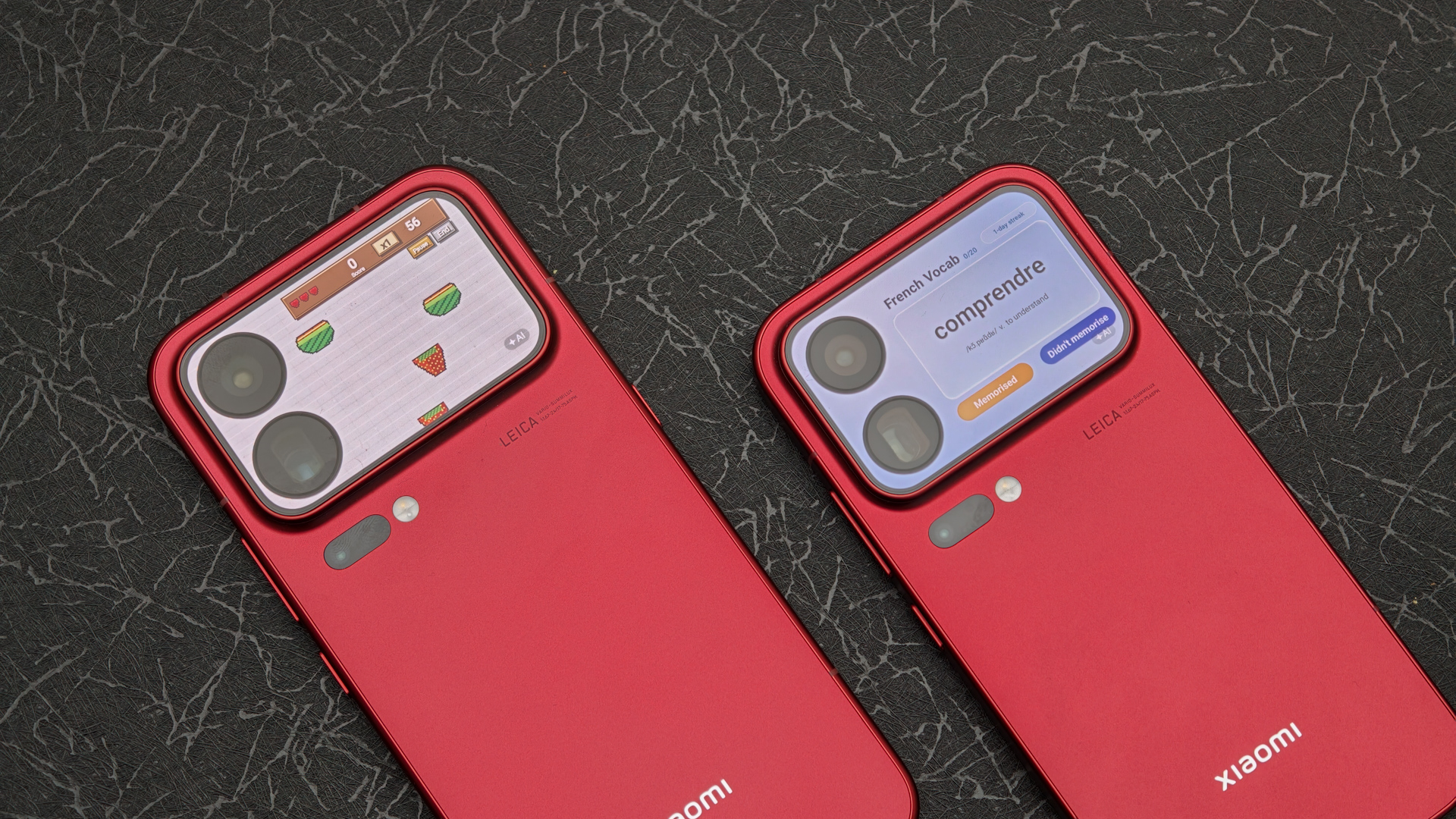
Google and Xiaomi have taken this foundational concept a step further on the new flagship by introducing Generative AI applications, commonly referred to as GenAI apps. As the name implies, this feature allows users to leverage artificial intelligence to generate entire, functioning applications for the rear display using a single text prompt.
This capability solves the fundamental utility problem of secondary screens: rather than relying entirely on the manufacturer to anticipate every need, users can build custom applications tailored to their exact workflows. For instance, moments spent waiting in a professional office, traveling, or relaxing at home no longer require scrolling through redundant mobile games. Instead, users can spend a few minutes generating polished, optimized mini-apps specifically designed for the rear display layout.
The practical applications of this technology are extensive. During a tabletop role-playing game where physical dice are unavailable, a custom digital dice roller can be generated in under a minute. Users can pin active shopping lists for quick reference during grocery trips, or generate custom coin-flipping tools on demand. The integrated GenAI chat interface even suggests popular community-inspired mini-apps during the setup process.
Alongside user-generated software, Xiaomi includes a curated suite of built-in interactive tools preloaded on the device. These range from comprehensive activity and workout trackers to casual swipe-based reflex games like a virtual fruit-slicing challenge. The primary limitation of the system is a cap of twelve active mini-apps installed simultaneously on the rear interface, though adding or removing programs takes only a few seconds.
Advanced Functionality Beyond Simple Apps
Beyond customized software generation, the rear display serves several distinct hardware functions that elevate the daily user experience. Most notably, it acts as a premium viewfinder for high-resolution self-portraits.
Traditional smartphones face a persistent hardware compromise: front-facing selfie cameras generally utilize smaller sensors and lower-quality optics than primary rear camera arrays, while rear cameras usually prevent users from framing shots accurately unless they are using a folding device. The Xiaomi 18 Pro resolves this dilemma by allowing users to leverage the full camera user interface on the back display.
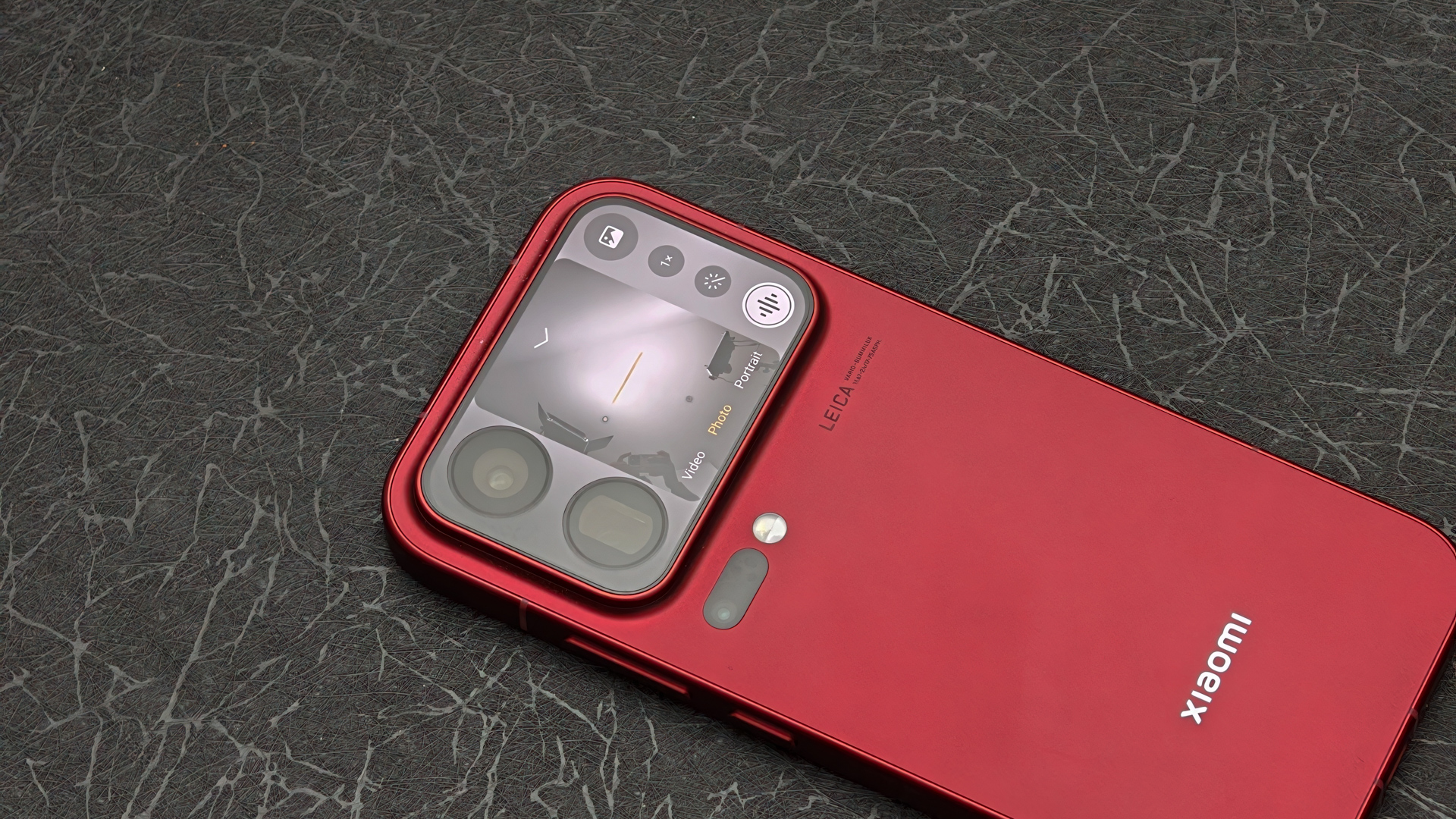
The viewfinder adapts seamlessly to portrait or landscape orientations depending on how the phone is held, providing an experience identical to using the main display. This setup is particularly effective for capturing selfies with the primary camera sensors, supported by gesture controls such as raising an open palm to trigger the shutter.
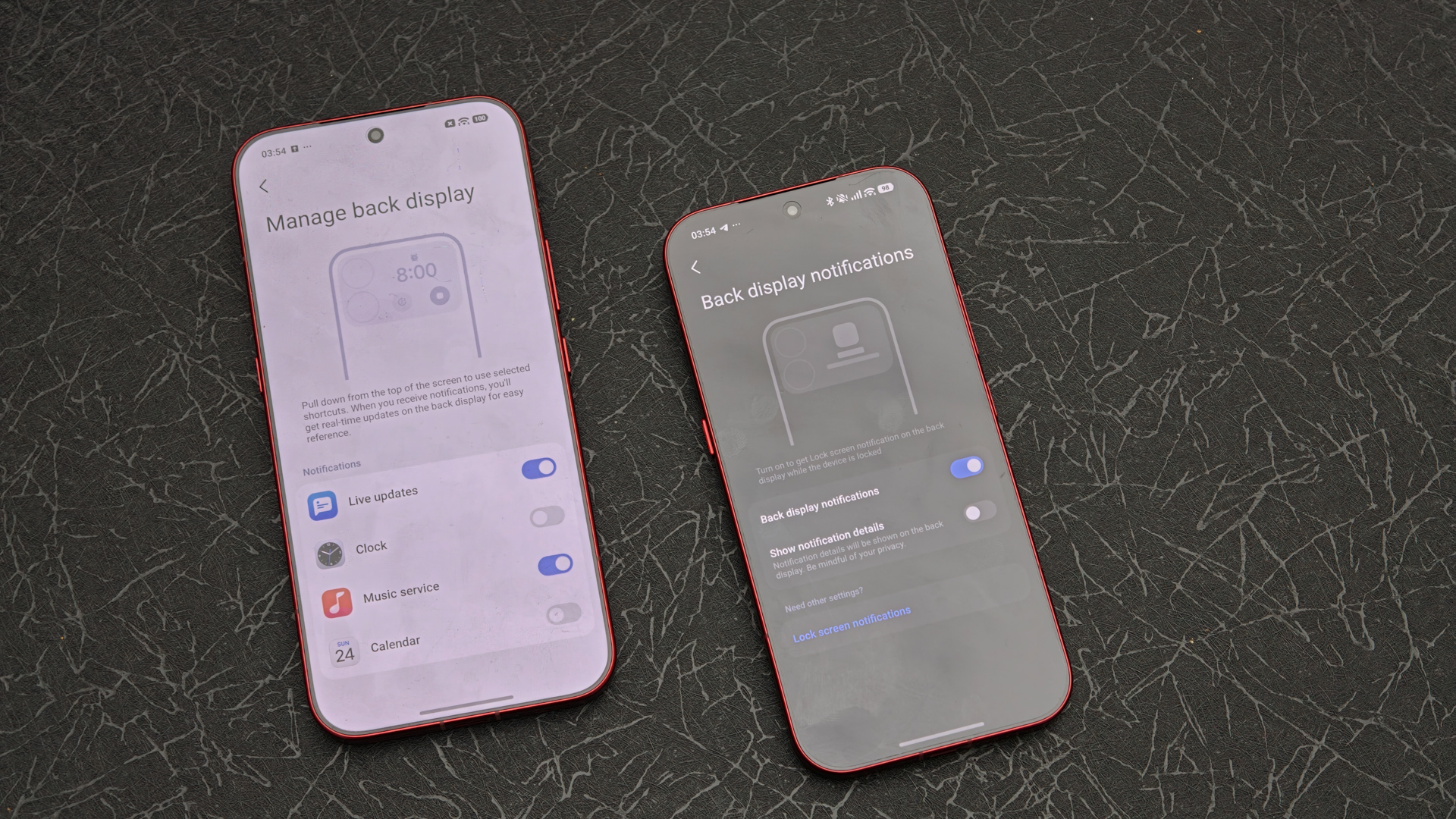
In addition to photography, Xiaomi has integrated native support for essential third-party services directly onto the rear screen, including Google Maps, Spotify, and YouTube Music. Users can glance at turn-by-turn navigation instructions or manage media playback controls without illuminating the primary display.
The interface also supports customizable widgets, interactive information panels, and an array of wallpaper and clock styles. One notable aesthetic option displays rotating inspirational quotes and positive affirmations, serving as a subtle tool for mindfulness throughout the day. A customizable Always-On Display mode allows users to monitor pinned notes, vital widgets, and the current time while the device rests face-down on a flat surface.
The Case for Core Android Integration
The depth of utility offered by the Xiaomi 18 Pro’s rear display suggests a broader potential for the mobile ecosystem. The ability to generate bespoke applications on demand provides the missing engagement factor that previous secondary screen implementations lacked. While monthly generation limits govern how many custom programs can be created, the overall experience establishes a compelling precedent for hardware design.
A logical next step for the industry would involve broader ecosystem adoption, with Google integrating native support for auxiliary displays directly into the core Android operating system and establishing dedicated classifications within the Google Play Store for secondary screen software.
A centralized marketplace or sharing infrastructure for user-generated mini-apps would foster greater community momentum, mirroring the widespread popularity of customizable device themes and digital storefronts. Until broader industry adoption takes shape, the Xiaomi 18 Pro demonstrates how artificial intelligence can breathe new life into traditional smartphone form factors.