
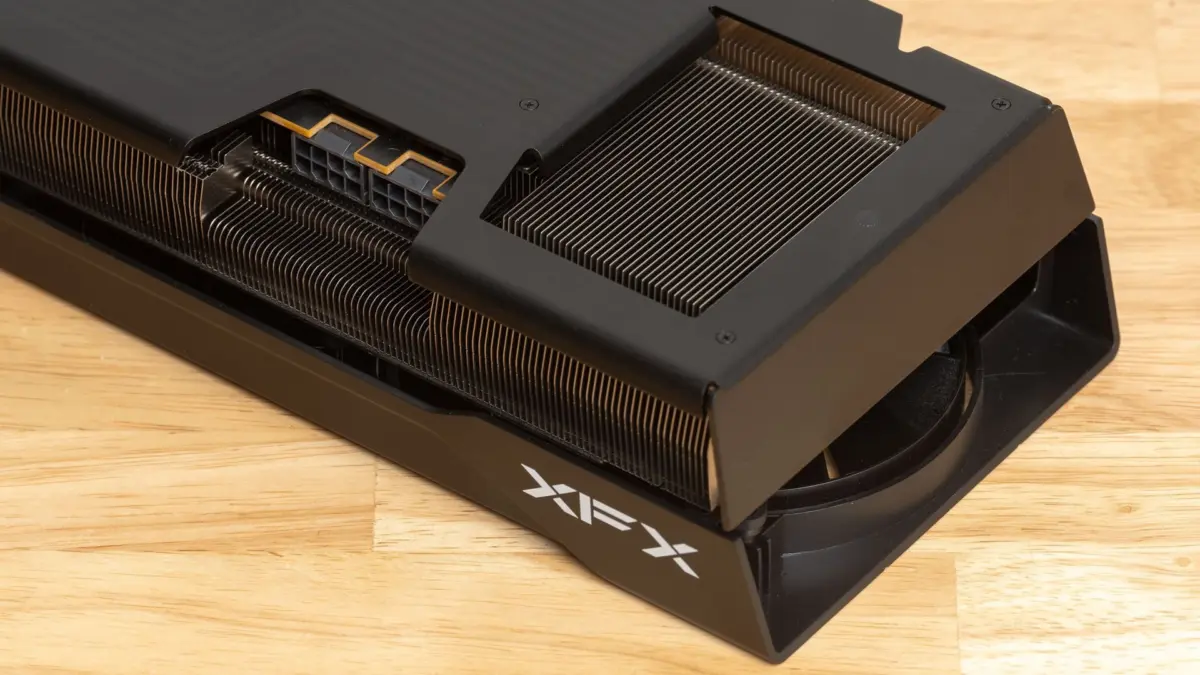
The landscape of PC graphics technology has long been defined by proprietary features and hardware exclusivity, but independent developer initiatives continue to push the boundaries of cross-ecosystem compatibility. The DLSS-NR project on AMD, developed by Daniel Blanco and first released to the public on September 3, 2026, has introduced DLSS 5 Neural Rendering capabilities to Radeon graphics processing units. In the newly released version 0.8.0 update, the project has expanded significantly, making all of the primary DLSS features available on AMD hardware. This includes Deep Learning Super Sampling Super Resolution, Frame Generation, Ray Reconstruction, and the cutting-edge DLSS Neural Rendering model, alongside a series of performance improvements designed to optimize the experience on non-Nvidia architectures.
While the modern graphics card market features fierce competition between industry giants like Nvidia and AMD, their proprietary software ecosystems have traditionally remained strictly partitioned. AMD has developed its own robust suite of equivalents for many of Nvidia’s advanced rendering and performance-enhancement technologies, such as FidelityFX Super Resolution for upscaling, native frame generation technologies, ray reconstruction methods, and anti-lag latency reduction tools. However, a persistent challenge for Radeon users has been ecosystem adoption. Despite the technical merits of AMD’s alternatives, they are not as commonly supported by game developers as Nvidia’s deeply entrenched offerings, leaving players with Radeon hardware occasionally missing out on advanced graphical enhancements or struggling with lower game compatibility rates.
Furthermore, the technological gap extends beyond simple software integration into entirely new paradigms of graphics rendering. Neural Rendering represents a frontier in real-time computer graphics that AMD simply does not have a direct hardware-level or software-level equivalent for in its current product stack. This fundamental technological disparity is precisely why independent community mods and compatibility layers like the DLSS-NR on AMD project were created. By bridging the architectural divide, projects of this nature attempt to democratize access to advanced rendering techniques that would otherwise be restricted to users possessing specific hardware configurations, thereby reshaping how PC enthusiasts interact with modern gaming titles that lean heavily on advanced machine learning pipelines.
The arrival of version 0.8.0 marks a major milestone for the DLSS-NR project, transforming what began as a niche experiment into a comprehensive feature suite. By incorporating DLSS SR, Frame Generation, Ray Regeneration, and the newest DLSS NR model into a single unified implementation for Radeon GPUs, the update addresses several of the most demanding graphical workloads in contemporary PC gaming. As game developers increasingly rely on machine learning-based upscaling and rendering techniques to hit target frame rates at high resolutions, the ability to process these algorithms on AMD hardware opens up new possibilities for players who prefer Radeon graphics cards without sacrificing access to cutting-edge visual fidelity enhancements.

Leave a Reply