
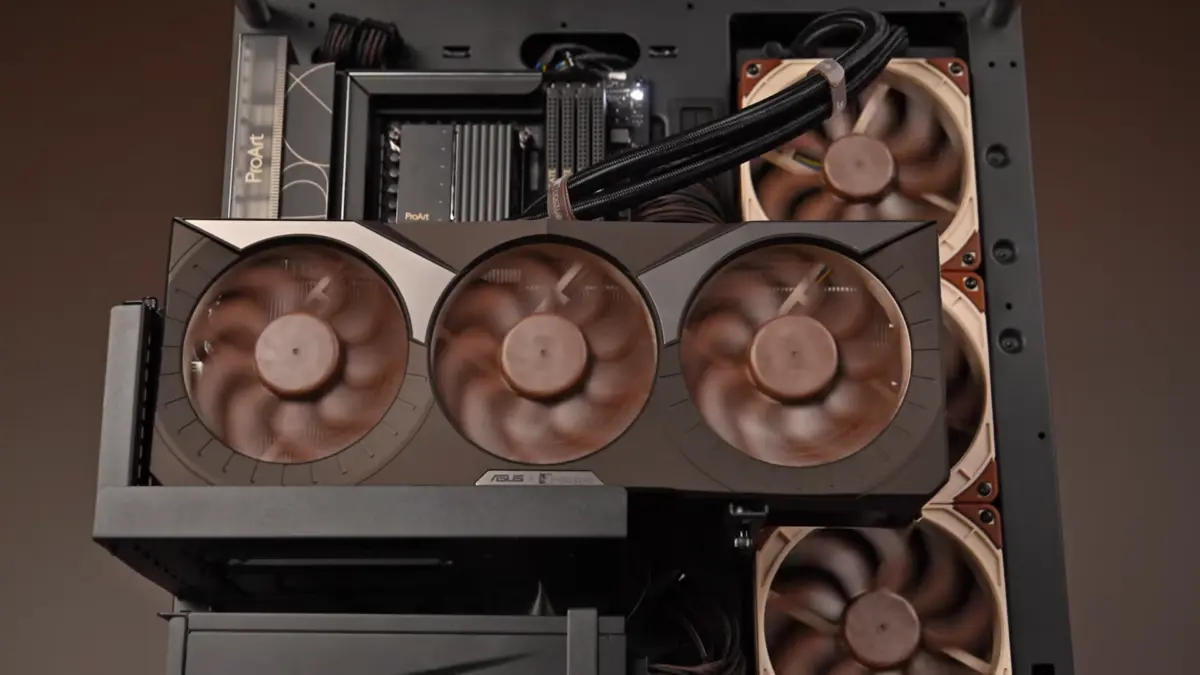
A new software solution designed by developer Panchovix and recently published on GitHub is offering PC enthusiasts and hardware tuners a safer alternative to traditional graphics card modification. The newly released VBIOS configurator targets NVIDIA graphics cards spanning from the RTX 30-series up to the cutting-edge RTX 50-series, allowing users to modify and configure their video BIOS parameters without enduring the risky and often intimidating process of actually flashing the hardware.
Traditionally, altering the Video BIOS (VBIOS) of a graphics processing unit has been a high-stakes endeavor reserved for experienced overclockers and power users. Modifying power limits, fan curves, clock profiles, or voltage behaviors typically required extracting the existing firmware, editing it with specialized utilities, and forcefully flashing the modified image directly onto the card’s EEPROM chip.
This flashing process has always carried a severe inherent risk. If a system lost power mid-flash, if the flashed file contained incompatible parameters, or if an unexpected hardware handshake error occurred during the procedure, the graphics card could easily become permanently rendered inoperable—a state colloquially referred to in the hardware community as being "bricked." For expensive high-end components, such a mistake could instantly destroy an investment worth hundreds or even thousands of dollars.
The introduction of Panchovix’s VBIOS loader seeks to fundamentally change this dynamic. By providing a clean, accessible graphical user interface (GUI) for easy configuration, the loader bypasses the physical flashing process altogether. Instead of permanently rewriting the firmware residing on the graphics card’s onboard memory chip, the tool applies configurations dynamically, providing a much lower threshold of risk for users who want to fine-tune their hardware performance.
This approach shifts the methodology from hardware-level overwriting to software-level interception and configuration. By avoiding a permanent flash, any experimental adjustment that causes instability, crashes, or unintended behavior can be easily undone simply by restarting the system or terminating the loader utility, thereby eliminating the permanent hardware bricking threats that have historically deterred many users from customizing their graphics cards.
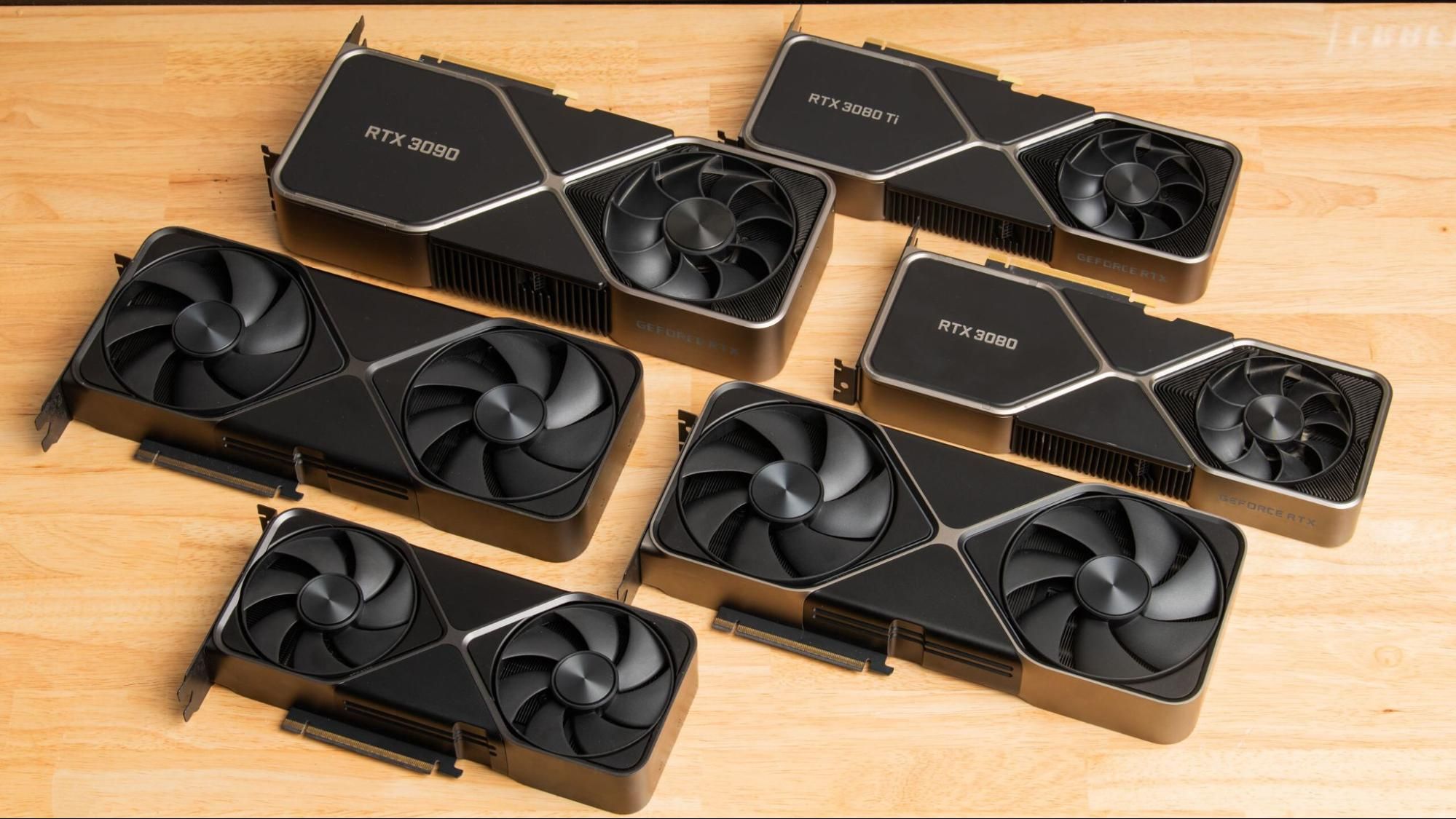
Furthermore, the utility has been developed with broad platform accessibility in mind. While Windows remains the primary operating system for the vast majority of gaming and enthusiast desktop configurations, the developer has ensured that the VBIOS loader is also available for Linux environments. This cross-platform compatibility ensures that enthusiasts running open-source operating systems or specialized Linux-based setups can take advantage of the configuration tool without being locked out due to operating system constraints.
The timing of this release coincides with an era of increasingly complex and power-hungry graphics hardware. With NVIDIA’s recent generations of hardware—ranging from the architecture of the RTX 30-series to the architectural iterations of the RTX 40-series and the newly emerging RTX 50-series—managing power consumption, thermal limits, and acoustic profiles has become a central focus for PC builders. Customizations that push hardware beyond its out-of-the-box parameters or optimize it for specific form factors, such as custom cooling builds or quiet operation profiles, are increasingly popular among enthusiasts seeking to squeeze every drop of efficiency out of their systems.
While professional graphics card manufacturers continually refine their factory configurations to balance performance, longevity, and regulatory compliance, enthusiasts have long sought granular control over their hardware. Tools that bridge the gap between deep hardware modification and user safety tend to draw significant attention within the PC building community, as they democratize advanced tuning capabilities that were previously restricted to those with specialized recovery hardware, such as external EEPROM programmers used to revive improperly flashed cards.
The repository hosted on GitHub provides the community with access to the project files, inviting scrutiny, testing, and feedback from developers and hardware enthusiasts alike. As the tool undergoes further testing across various hardware configurations and operating system builds within the community, it represents a notable step forward in how users interact with and customize modern graphics processing units, prioritizing safety and flexibility over permanent, high-risk hardware modifications.


Leave a Reply