
Global semiconductor manufacturing giant Taiwan Semiconductor Manufacturing Company (TSMC) and Elon Musk are reportedly in discussions regarding a potential collaboration to build and operate a dedicated chip production facility. According to a report published on Friday by Tim Culpan in his Culpium newsletter, the proposed project would involve TSMC constructing and running a specialized plant exclusively serving Musk’s sprawling ecosystem of companies, which includes Tesla, SpaceX, and artificial intelligence venture xAI.
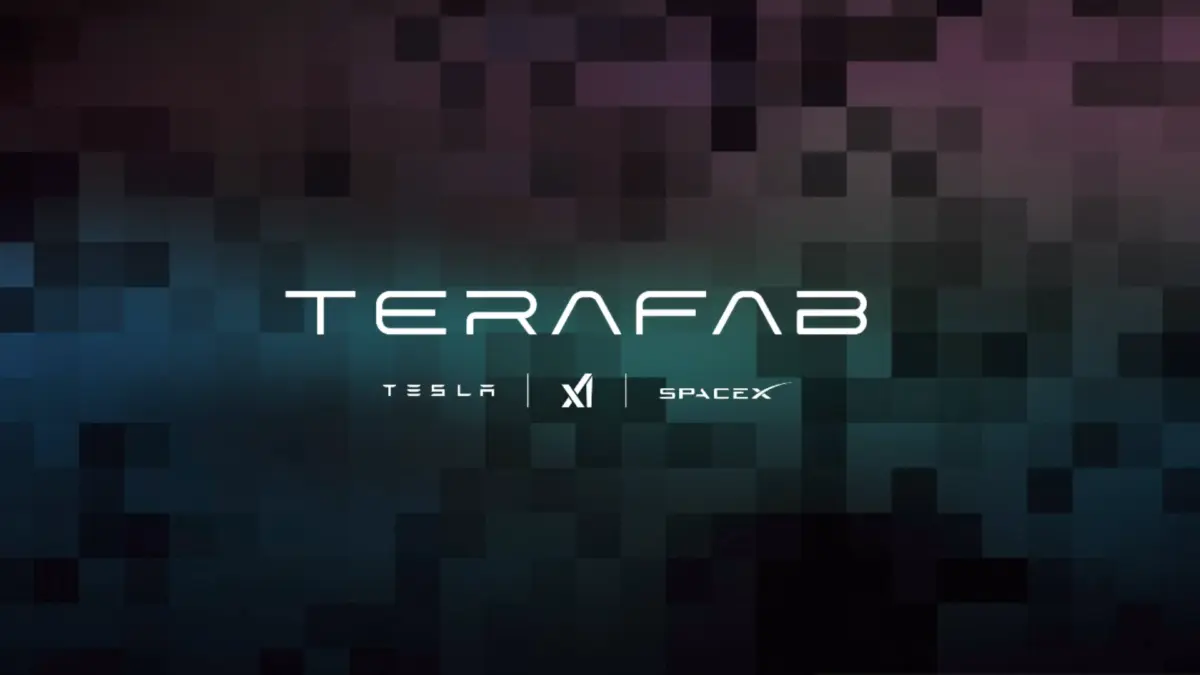
The initiative is tied to Musk’s ambitious "Terafab" semiconductor production concept, a vision that has sparked widespread industry analysis regarding whether the billionaire entrepreneur is aiming for partial vertical integration across his manufacturing and technology ventures or pursuing an unattainable goal within the complex, highly specialized world of advanced chipmaking.
Elon Musk publicly confirmed the ongoing discussions early Saturday morning through posts on X, though he kept his remarks brief and did not elaborate on the specific terms, timeline, or location of the proposed manufacturing site. Responding to inquiries and commentary surrounding the report on the social media platform, Musk wrote, "Just discussions, but something may come of it."
Meanwhile, Taiwan Semiconductor Manufacturing Company has thus far remained tight-lipped regarding the nature and scope of the talks, declining to provide detailed public comments on whether a formal partnership or dedicated facility deal is actively being negotiated.
The prospect of a dedicated "Terafab" operated by the world’s leading pure-play foundry marks a fascinating intersection between the automotive, aerospace, artificial intelligence, and semiconductor industries. TSMC currently produces advanced chips for a vast array of the world’s top technology firms, including Apple, Nvidia, and AMD, operating massive, highly capital-intensive fabrication plants primarily based in Taiwan, alongside expanding operations in the United States, Japan, and Europe.
For Tesla, SpaceX, and xAI, securing a reliable and dedicated supply of advanced silicon is a critical strategic priority. Tesla relies heavily on sophisticated semiconductors for its advanced driver-assistance systems, full self-driving (FSD) hardware, and vehicle infotainment units. SpaceX requires robust, radiation-resistant, and high-performance computing components for its Starlink satellite constellation and next-generation spacecraft guidance systems. Meanwhile, xAI depends on massive clusters of high-end processors to train and expand its artificial intelligence models, such as Grok, putting these companies in direct and continuous competition with global tech giants for limited foundry capacity.
The concept of a "Terafab"—a term often associated with massive, high-throughput manufacturing scales—has long fueled discussions about how Tesla and its sister companies might secure their long-term supply chains. While building a modern semiconductor fabrication plant requires tens of billions of dollars, immense engineering expertise, and access to extreme ultraviolet (EUV) lithography equipment typically supplied by companies like ASML, partnering with an established manufacturing powerhouse like TSMC could bridge the gap between Musk’s grand industrial ambitions and the harsh operational realities of semiconductor fabrication.
As discussions remain in their early stages, industry watchers will be closely monitoring both TSMC and Elon Musk’s companies for any further developments. Whether the talks ultimately result in a groundbreaking dedicated facility or remain a preliminary exploration of manufacturing strategies, the dialogue underscores the growing intersection between hardware-driven enterprises and the foundational semiconductor manufacturing ecosystem that powers them.

Leave a Reply