Published Nov 18, 2026
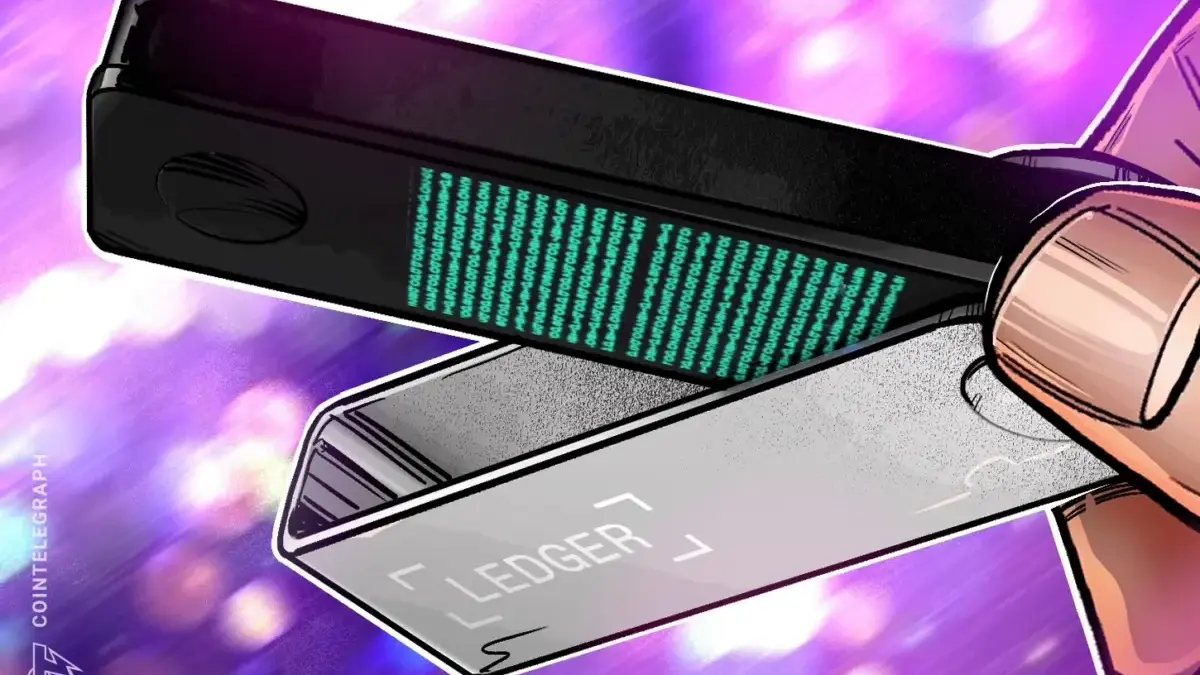
Two separate Ledger hardware wallet owners have reported staggering cryptocurrency losses totaling approximately $604,000, allegedly stemming from compromised devices purchased at an authorized retail location in Dubai. The emerging incidents indicate that a sophisticated hardware wallet tampering campaign, which previously appeared localized to specific international regions, may have extended its reach into the United Arab Emirates.
The latest security breaches have heightened industry-wide anxiety regarding supply chain integrity for cold storage devices. According to reports circulating across social media and verified by open-source intelligence tracking, unsuspecting consumers purchasing brand-new hardware wallets from mainstream, trusted brick-and-mortar storefronts are finding themselves vulnerable to targeted physical intrusions.
The first of the two Dubai-linked incidents came to light on Monday when an X user posting under the handle "Rewinsky" publicly revealed that their Ledger Flex device had been heavily tampered with. The user reported the sudden and unauthorized loss of approximately 1,300 Solana, representing a substantial financial blow. Following the public disclosure, Mark Karpelès’ Ledger Implant OSINT registry—a specialized tracking initiative dedicated to identifying compromised hardware components—reviewed the device and officially confirmed that it contained a malicious physical hardware implant.
Photographic evidence shared alongside the OSINT report revealed that the compromised Ledger Flex possessed a physical antenna identical to those discovered in other previously documented Ledger implant cases. This physical modification allows malicious actors to intercept or manipulate critical device functions, bypassing standard user security assumptions when interacting with the hardware interface.
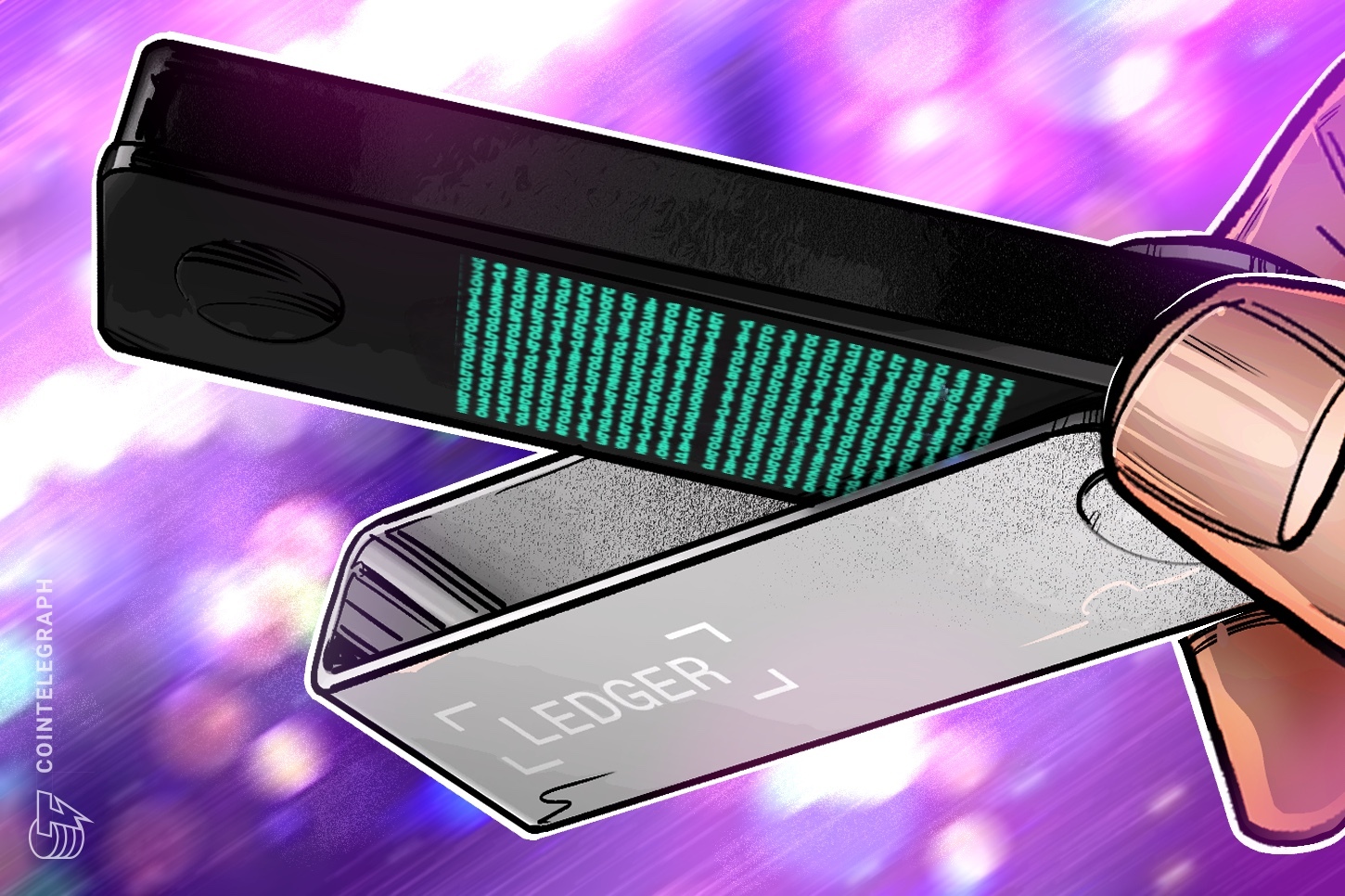
Just a day later, on Tuesday, a second cryptocurrency owner using the moniker "New Babylon Order Worldwide" came forward with an even larger reported theft. The user stated that 507,000 USDt had been entirely drained from their Ledger Stax device the preceding Saturday. Crucially, the owner noted that this specific device had been purchased brand new on October 11 at a Virgin Megastore branch in Dubai.
The timeline of the purchase adds a troubling dimension to the investigation. The transaction occurred merely two days after Ledger publicly disclosed that it was launching an active, formal investigation into crypto thefts tied to hardware wallets distributed via CryptoBilis, a Southeast Asian reseller. Until now, public attention had largely remained focused on incidents originating in Asia and Europe, leading many to believe the supply chain compromise was geographically contained. However, these new disclosures from Dubai strongly suggest that the tampering network extends far beyond those initial borders.
Official manufacturer distribution channels heavily underscore the legitimacy of the point of sale in question. Ledger explicitly lists Virgin Megastores among its trusted, authorized retail partners for hardware wallets within the United Arab Emirates. Virgin Megastore maintains a prominent retail footprint throughout the region, operating eight distinct stores across Dubai alone, including high-traffic flagship locations at the Dubai Mall, the Mall of the Emirates, and the Dubai Hills Mall.
The involvement of a major authorized retailer raises difficult questions regarding how and at what point in the logistics chain the physical hardware was intercepted and modified. Supply chain security experts have long warned that sophisticated threat actors could target warehouse inventories, distribution hubs, or retail shelves to swap legitimate factory-sealed units with pre-compromised hardware containing micro-implants or modified circuit boards.
In response to the escalating situation, industry observers and affected users are pressing for broader clarity from both the hardware manufacturer and regional retail partners. Inquiries have been directed to Ledger and Virgin Megastore to ascertain what steps are being taken to audit remaining inventory, secure distribution channels, and assist affected consumers who purchased devices from authorized outlets in the region.
The unfolding developments serve as a stark reminder of the evolving vectors facing self-custody advocates. As hardware wallet manufacturers work to trace the full extent of the distribution vulnerabilities, security analysts continue to urge users to rigorously inspect packaging integrity, monitor device behavior closely during initial setup, and rely strictly on direct manufacturer shipments when feasible, even when purchasing from globally recognized brick-and-mortar names.