
The decision by Toshiba to heavily invest in its Philippine manufacturing footprint comes at a critical juncture for the global technology and data infrastructure sectors. As artificial intelligence workloads, cloud computing architectures, hyperscale data centers, and enterprise data collection continue to expand exponentially, the demand for high-capacity, cost-effective mass storage has reached unprecedented heights. While solid-state drives continue to dominate performance-driven segments where input-output operations per second and ultra-low latency are paramount, mechanical hard disk drives remain the undisputed backbone for cold storage, deep data archiving, and large-scale data lakes where sheer capacity and cost-per-terabyte efficiency matter above all else. By significantly boosting its manufacturing capabilities, Toshiba is positioning itself to capture a larger share of this expanding enterprise market and ensure a steady, reliable supply of high-density storage hardware to global customers.
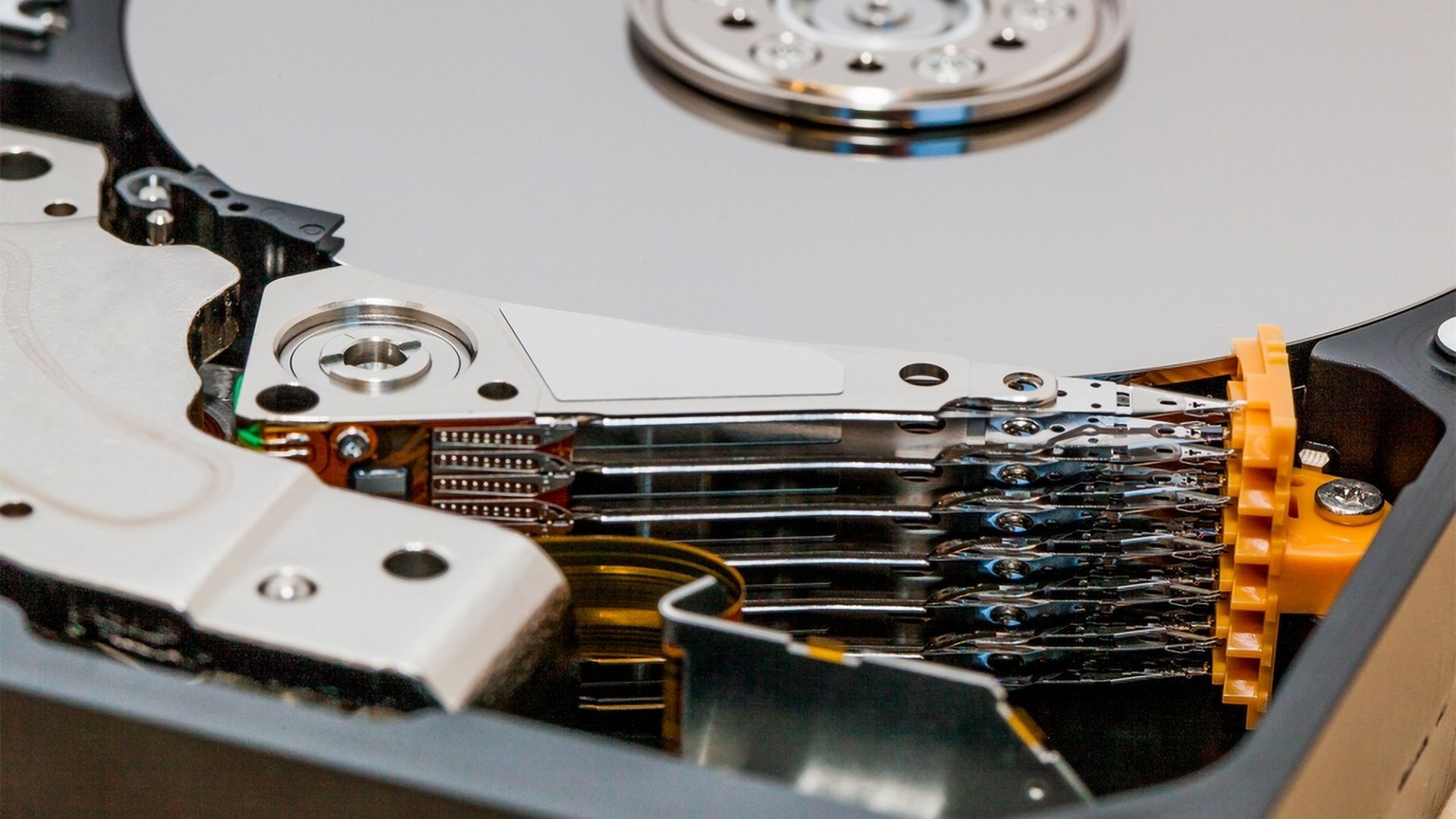
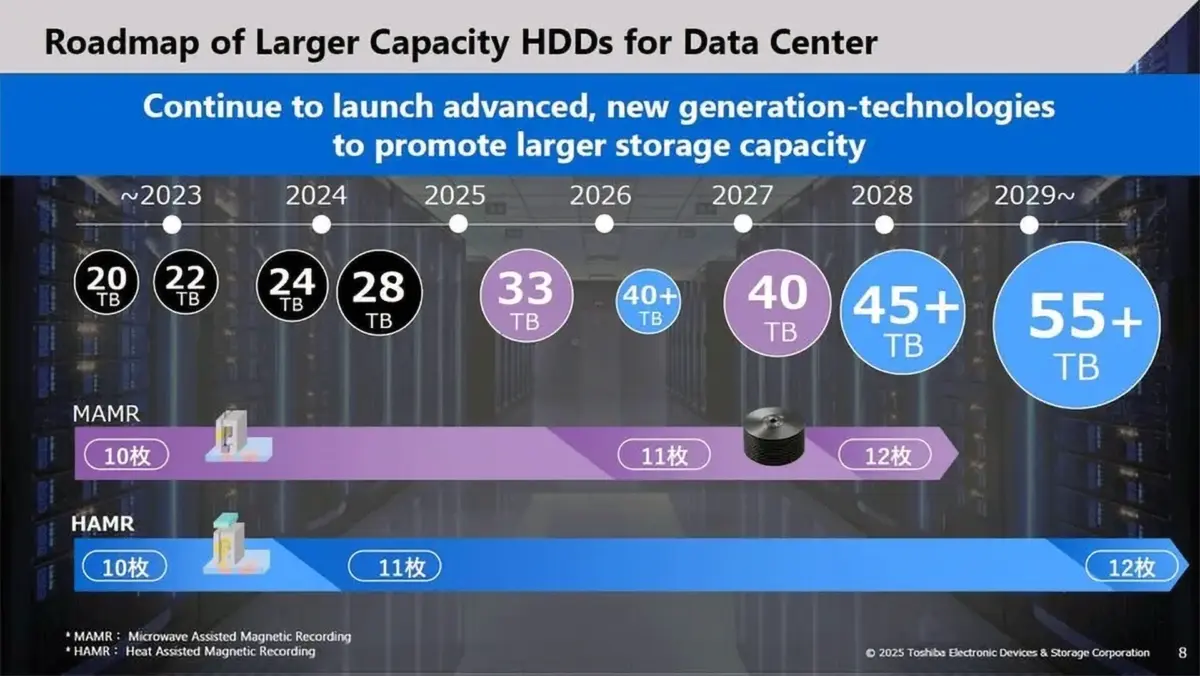
The upcoming shift toward 30TB-class hard disk drives represents a major engineering and manufacturing milestone for the company. Achieving storage densities of this magnitude requires advanced magnetic recording technologies, such as microwave-assisted magnetic recording or heat-assisted magnetic recording, alongside precision mechanical engineering to pack dozens of terabytes into standard 3.5-inch form factors. These high-capacity nearline drives are primarily targeted at cloud service providers and enterprise data centers that must continually optimize their physical footprint, power consumption, and cooling infrastructure while accommodating massive influxes of digital information. As data generation continues to outpace traditional storage growth, the ability to manufacture these drives at scale will be a decisive competitive advantage for hardware manufacturers.
Looking further ahead, Toshiba’s roadmap highlights an ambitious trajectory for the subsequent decade. The anticipation of 65TB-class hard disk drives by the year 2030 underscores the persistent viability and adaptability of magnetic storage media in an era dominated by flash memory and alternative semiconductor technologies. Furthermore, the long-term vision pointing toward 100TB-class drives demonstrates that engineers are continuously finding ways to push the physical boundaries of areal density through material science and sophisticated read-write head designs. These future iterations will be essential in supporting the immense data requirements of next-generation technological advancements, including autonomous systems, global digital archives, smart city infrastructure, and deeply analytical AI model training sets that rely on historical and real-world datasets spanning petabytes or exabytes of information.
The substantial investment in the Philippine facility also reflects broader supply chain strategies within the electronics and components industry. By concentrating nearline HDD assembly in a well-established regional hub, Toshiba can streamline its production workflows, optimize labor and operational efficiencies, and better insulate its supply chain against geopolitical uncertainties and localized disruptions. Doubling production capacity by fiscal year 2027 ensures that the company will have the physical infrastructure required to meet the anticipated surge in enterprise hardware procurement, bridging the gap between rapidly advancing data generation trends and the physical hardware needed to house the digital world.


Leave a Reply