While the modern video game industry is thoroughly captivated by the trend of full-scale remakes, remasters, and total reimaginings, not every classic title requires a ground-up reconstruction to remain captivating decades after its original release. Over the past several years, development studios worldwide have poured immense resources into crafting ambitious modernized iterations of all-time favorites. Capcom’s faithful yet modern Resident Evil 4 remake and Square Enix’s expansive, multi-part Final Fantasy 7 Remake trilogy stand as prime examples of how older properties can be successfully re-engineered for contemporary audiences. However, while plenty of foundational games benefit significantly from a modern technological glow-up, others were designed with such enduring mechanical grace, artistic vision, and narrative strength that they shine brightly without requiring heavy alterations.
Examining the vast library of Japanese role-playing games reveals a select group of legendary titles that have truly aged like fine wine. Although many of these experiences have occasionally received minor platform ports or light touch-ups over the years, they retain the core look, feel, and identity that defined them upon their initial debuts.
Earthbound
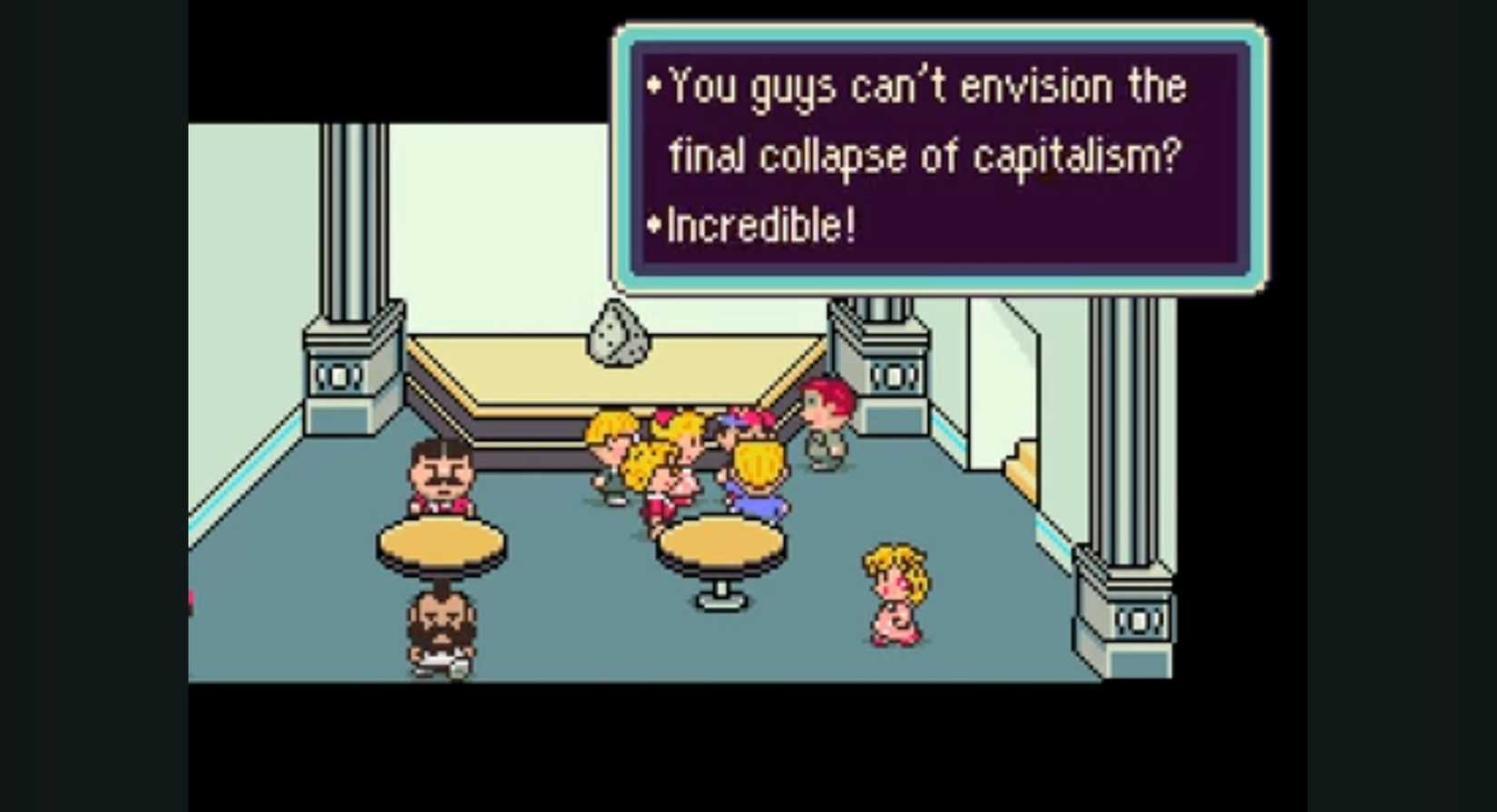
Among the most celebrated entries in Nintendo’s storied history is Earthbound, known originally in Japan as Mother 2. While North American fans may never receive an official localization of its predecessor’s follow-up, Mother 3, they can experience one of the most endearing and influential role-playing games ever created directly through the Super Nintendo Entertainment System library on Nintendo Switch Online.
Released in North America in 1995, Earthbound distinguished itself through a distinct contemporary, small-town American setting rather than the high-fantasy kingdoms typical of the genre. Featuring some of the most clever and eccentric enemy designs imaginable—ranging from bizarre piles of industrial waste and obnoxious hippies to a humorous quintet of moles jockeying for third place—the adventure remains consistently weird, wonderful, and laugh-out-loud funny. Shigesato Itoi’s timeless narrative vision, which blends surreal humor with genuine emotional depth, requires zero updates to remain a fantastic ride for modern players navigating its warped suburban landscape.

Final Fantasy 9
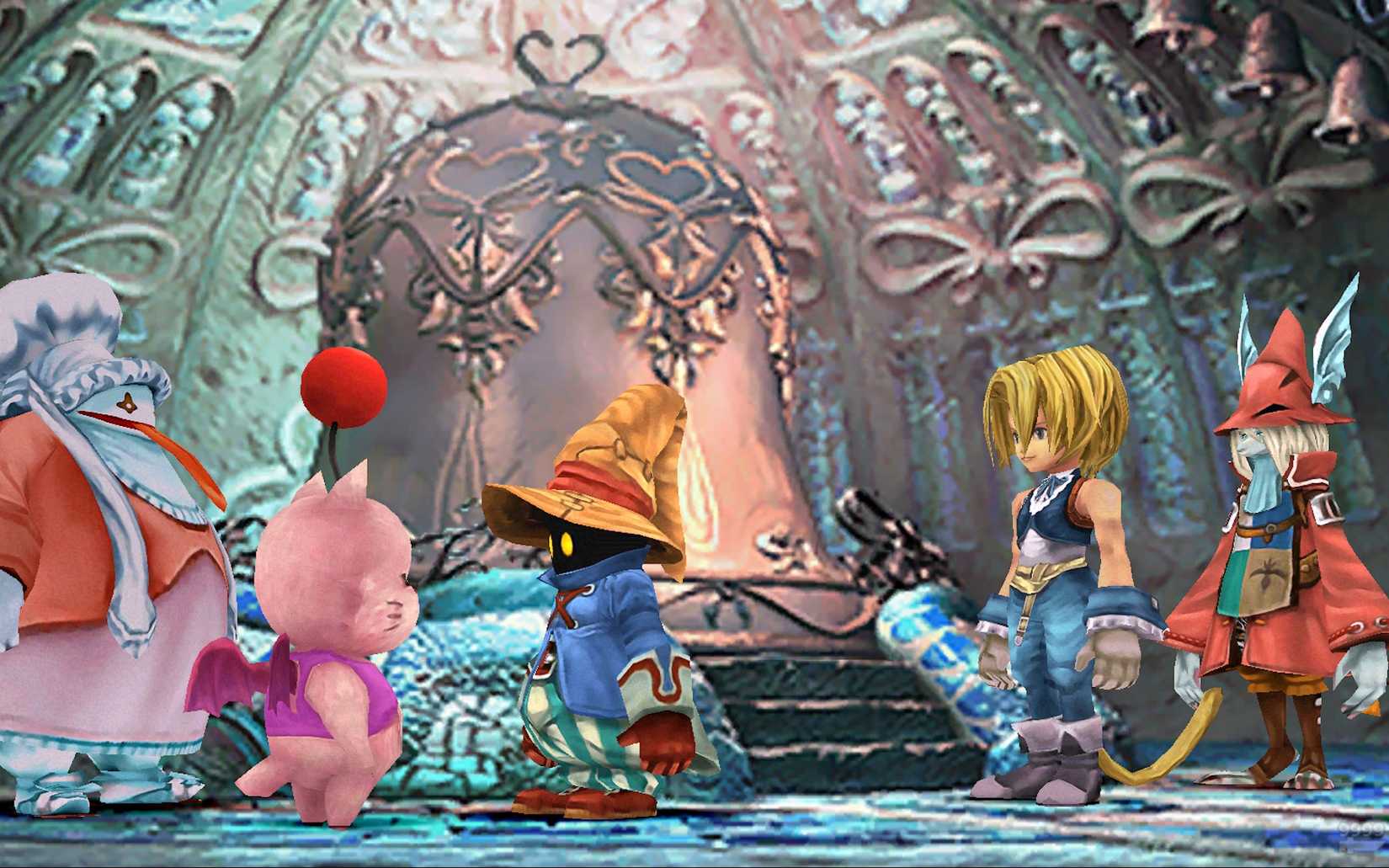
During the twilight years of the original PlayStation era, Square made a startling creative pivot. Having spent years pushing the boundaries of industrial, steampunk grit with Final Fantasy 7 and Final Fantasy 8, the studio abruptly steered the franchise back toward a whimsical, traditional medieval fantasy aesthetic.
The resulting project, Final Fantasy 9, introduced players to a chipper thief accompanied by a spirited princess seeking escape from the rigid confines of royal protocol. Beneath its colorful surface lies a heartfelt examination of love, life, and mortality that serves as an affectionate love letter to the broader role-playing genre. Although persistent rumors surrounding a potential modern remake have circulated for years—with fans eagerly awaiting news following the franchise’s 25th anniversary—Final Fantasy 9 fundamentally does not need one. The pre-rendered backdrops, character models, and legendary musical score composed by Nobuo Uematsu were technological marvels in the year 2000 and continue to hold up brilliantly today across modern digital storefronts on Nintendo Switch, PlayStation 4, Windows PC, and Xbox One.
Chrono Trigger
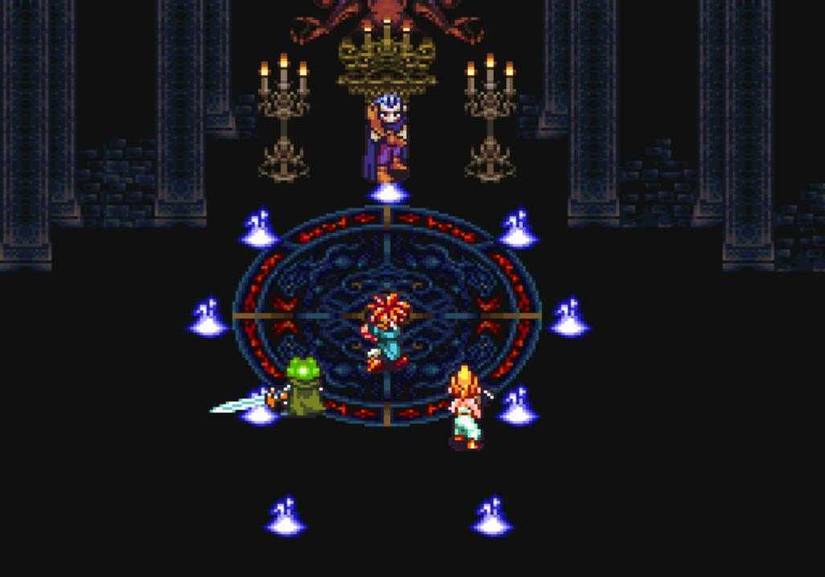
Ever since Square Enix debuted the striking visual style of Octopath Traveler in 2018, fans of classic role-playing games have frequently clamored for a comprehensive high-definition 2D remake of the sweeping time-travel epic Chrono Trigger. While that specific version has yet to materialize, the absence of a modern remake is hardly a tragedy because the original masterpiece remains virtually peerless.
Set across six distinct historical periods, the memorable ensemble cast embarks on a desperate quest to rewrite history and prevent global annihilation at the hands of a vicious extraterrestrial entity. The party itself represents a legendary, once-in-a-lifetime collaboration between Final Fantasy creator Hironobu Sakaguchi, Dragon Quest creator Yuji Horii, and Dragon Ball creator Akira Toriyama. Decades after its 1995 debut, Chrono Trigger remains every bit as mesmerizing, boasting a brisk narrative pace and innovative combat mechanics that few modern successors have managed to surpass.
Lunar: Silver Star Story
As the video game industry transitioned into the early compact disc era, developers eagerly experimented with new multimedia capabilities before fully rendered cinematic cutscenes became the industry standard. Working Designs’ localized adaptation of Lunar: Silver Star Story for the Sega CD brilliantly combined the traditional pixel-art aesthetic of classic 16-bit role-playing games with fully voiced anime cutscenes and sweeping, original arranged music.
While its overarching narrative structure relies on familiar fantasy tropes by contemporary standards, Lunar managed to craft a vibrant world that resonated deeply with fans of the genre. Featuring a floating magic academy, a memorable cast of companion characters, and a central romance between a headstrong priestess and a sharp-tongued mercenary, the adventure offered a little bit of everything. The title has seen numerous ports and enhanced releases over the years, yet none of them have eroded the distinctive, hand-drawn charm of the 1993 original.

Legend of Zelda: A Link to the Past
While the original, foundational Legend of Zelda for the Nintendo Entertainment System holds a permanent and undeniable place in gaming history for its pioneering open-world design, early 8-bit titles can sometimes feel more historically significant than immediately accessible to modern players. For those seeking an early chapter in the franchise that remains effortlessly playable, 1991’s A Link to the Past for the Super Nintendo stands at the pinnacle of achievement.
For newer fans who discovered the franchise through massive contemporary hits like Breath of the Wild and Tears of the Kingdom, diving into A Link to the Past offers a fascinating masterclass in franchise lineage. Players can easily recognize how core series building blocks—such as the formidable heights of Death Mountain, aquatic civilizations, and the mystical properties of benevolent fairies—were firmly established decades ago. Modern players diving into the Super Nintendo Online library can even utilize built-in quality-of-life features like the rewind function to smooth out traditional difficulty spikes, allowing them to focus entirely on the brilliant dungeon design and exploration.
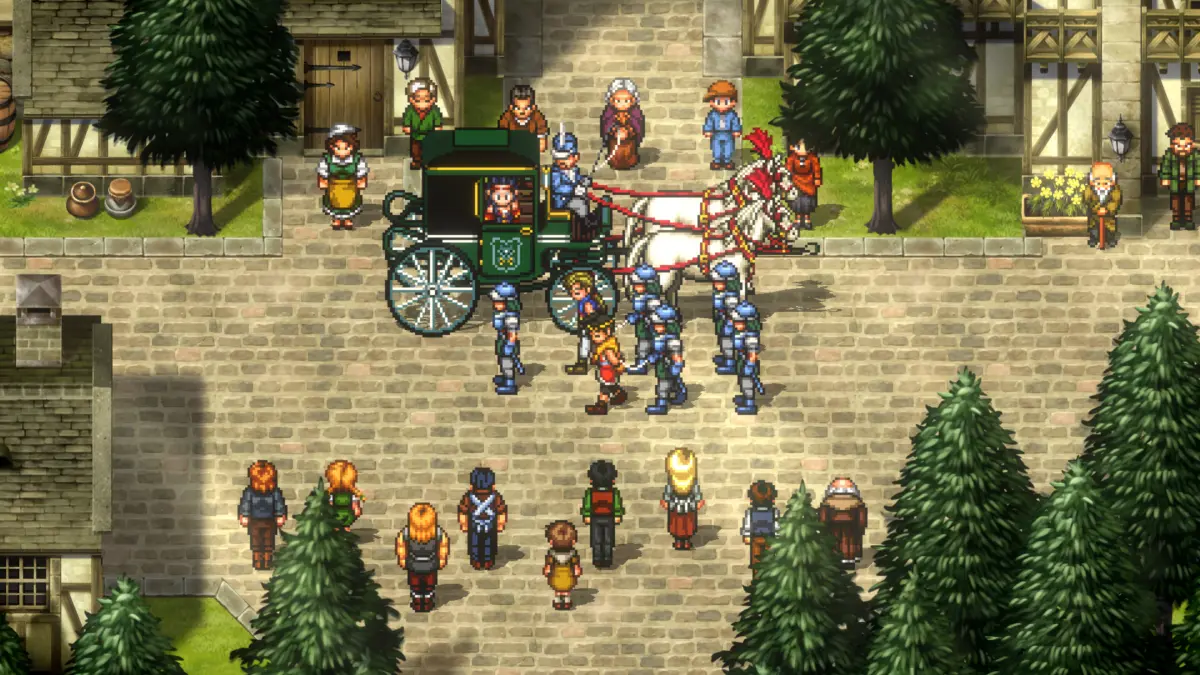
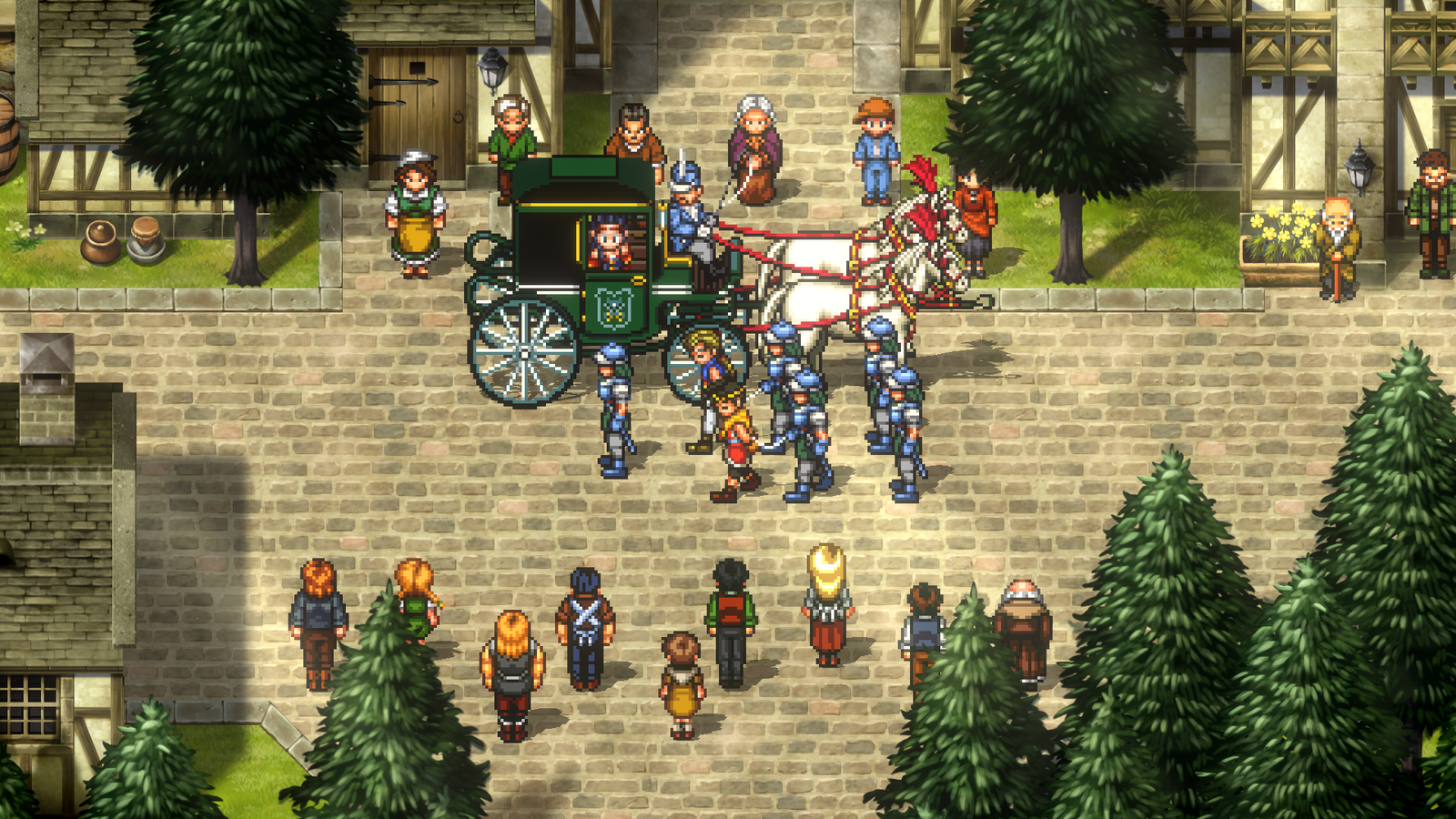
Suikoden 2
Similar to early CD-ROM titles, the formative entries in the Suikoden franchise utilized a striking visual hybrid, balancing detailed SNES-style pixel art against the emerging 3D graphical techniques of the late 1990s. Widely regarded as the high-water mark of the series, 1998’s Suikoden 2 for the original PlayStation chronicled the tragic fracture of two childhood friends forced onto opposing sides of a brutal, continent-spanning military conflict.
The journey requires players to recruit 108 distinct allies, construct and fortify a sprawling headquarters to house them, and ultimately work to depose a tyrannical conqueror. Konami’s official remaster bundles the first two games together, intentionally preserving the celebrated aesthetic, intricate political narrative, and tactical combat pacing of the original PlayStation releases while implementing welcome technical modernizations such as enhanced text localization and widescreen presentation support.
Golden Sun
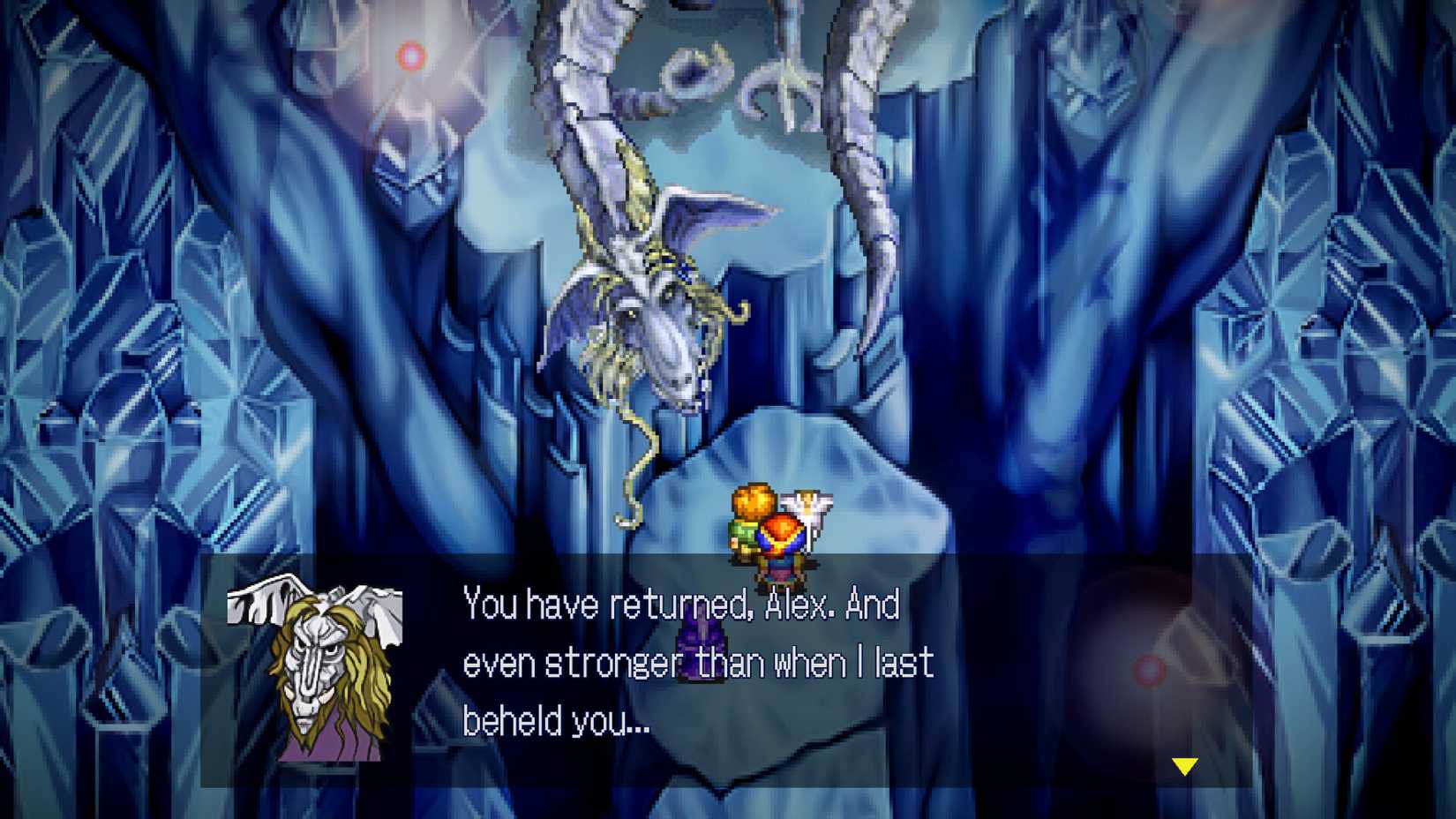
Arriving on the Game Boy Advance in 2001, Golden Sun successfully fused traditional genre conventions with innovative environmental puzzle-solving and exceptionally deep character customization through the collection of elemental Djinn. Developed by Camelot Software Planning, the narrative centers on young heroes Isaac and Garet as they set out to investigate the supernatural catalysts behind a localized geological catastrophe that devastated their hometown.
Along the way, the party traverses a richly detailed fantasy world filled with sprawling continents, ancient ruins, and mysterious phenomena. Both the original Golden Sun and its acclaimed direct sequel, Golden Sun: The Lost Age, remain preserved for contemporary audiences through the Game Boy Advance library available on Nintendo Switch Online, proving that intricate puzzle design and compelling tactical combat require no mechanical overhaul to captivate modern players.