To understand the scope of this shift, one must look at how graphics sessions operate in Linux. Traditionally, a desktop session utilizes the X Window System, most commonly powered by the X.Org Server, or Xorg. In this arrangement, the server acts as an intermediary, handling graphical output and managing input communication between running applications and the display hardware, while separate window managers and compositors oversee window placement and visual effects.
In contrast, Wayland approaches the task through a more modern display protocol design. Under a Wayland session, the compositor functions directly as the display server, simultaneously handling graphical output, input processing, window management, and compositing. This streamlined pipeline addresses many historical limitations of X11, such as screen tearing and security vulnerabilities inherent in its permissive client communication model.

Major desktop environments have cemented this migration. The KDE project has officially confirmed that Plasma 6.7 will be the final release to feature a native X11 session. Meanwhile, GNOME has already excised its native X11 session entirely. Although legacy applications built for X11 are far from obsolete—they continue to function seamlessly within Wayland environments through the Xwayland compatibility layer—the foundational infrastructure is undeniably changing.
Yet, the complete retirement of X11 remains a point of contention for a dedicated segment of the Linux community, including developers, system administrators, and users who prefer the traditional paradigm. Rather than accepting the total eclipse of X11, a resilient network of open-source projects has emerged to keep the ecosystem alive. Some of these initiatives focus on maintaining or forking the legacy X.Org Server codebases, while others are undertaking the monumental task of writing brand-new X11 display servers completely from scratch.
Eight distinct projects highlight this counter-movement, spanning customized desktop environments, experimental display server layers, alternative X servers, and compatibility frameworks. Each of these open-source initiatives has demonstrated active development and code commits within recent months, proving that the demand for traditional display architectures persists.

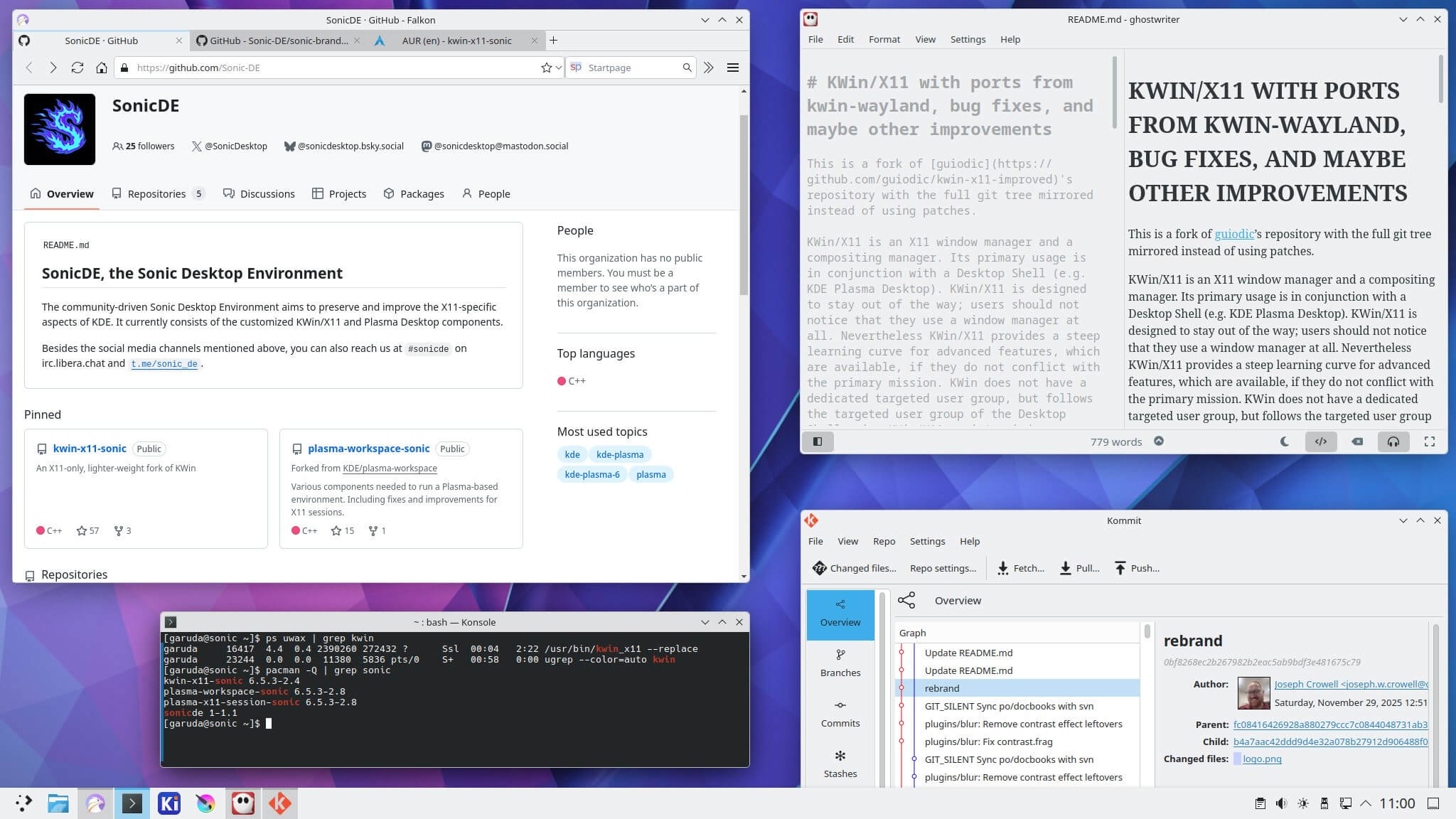
SonicDE
SonicDE represents an ambitious desktop environment that branches off KDE Plasma 6 with an explicit mission to put X11 first. The project originated in 2025 as a heavily patched iteration of KWin for X11, initially known as kwin-x11-improved. Over time, that experimental work evolved into sonic-win, a dedicated window manager and compositor designed to keep KWin functioning in an X11 environment by borrowing select codebases from KWin/Wayland alongside custom-engineered fixes.
Beyond the window manager itself, SonicDE is actively forking various underlying KDE components, systematically stripping out Wayland-only dependencies to ensure longevity on traditional systems. Developers are currently working on a Vulkan backend and intend to maintain compatibility with the X.Org Server for as long as it remains technically feasible.
SonicDE also introduces several user-convenience features tailored for daily workflows, such as global hotkeys for push-to-talk communication, built-in Open Broadcaster Software (OBS) recording toggles, and streamlined screen recording integration within remote desktop applications like TeamViewer. Pre-compiled packages and installation frameworks have been made available for a wide array of Linux distributions, including Arch Linux, Artix, Manjaro, Gentoo, Void, and Slackware.
Trinity Desktop Environment
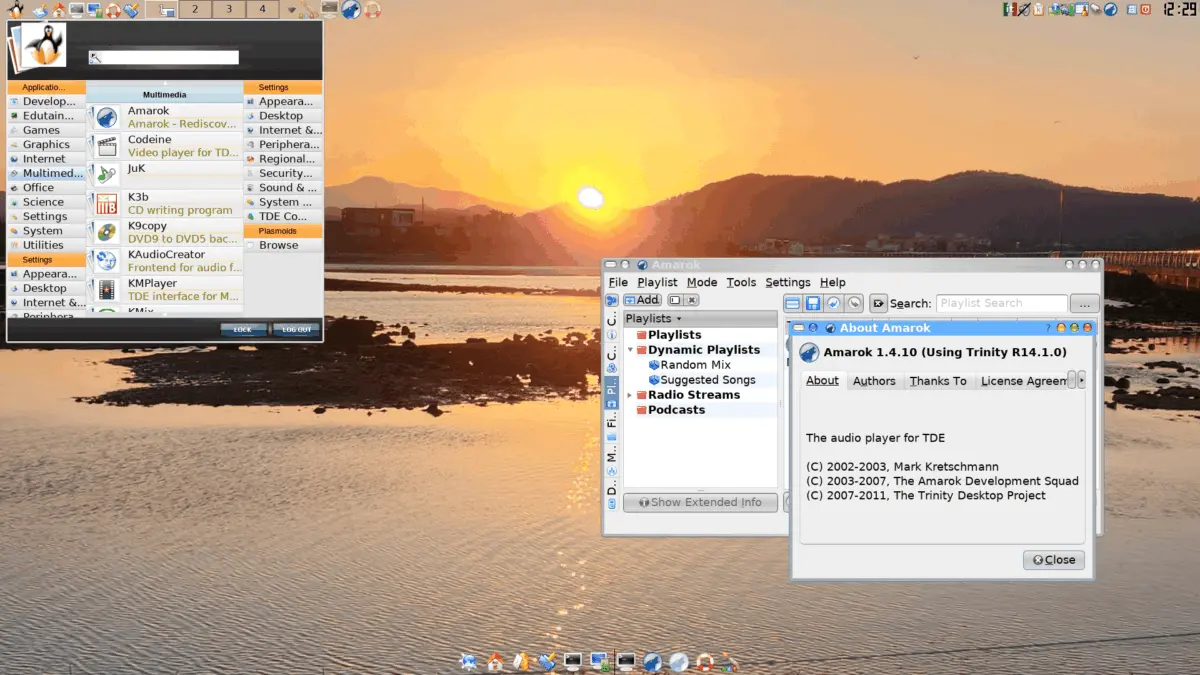
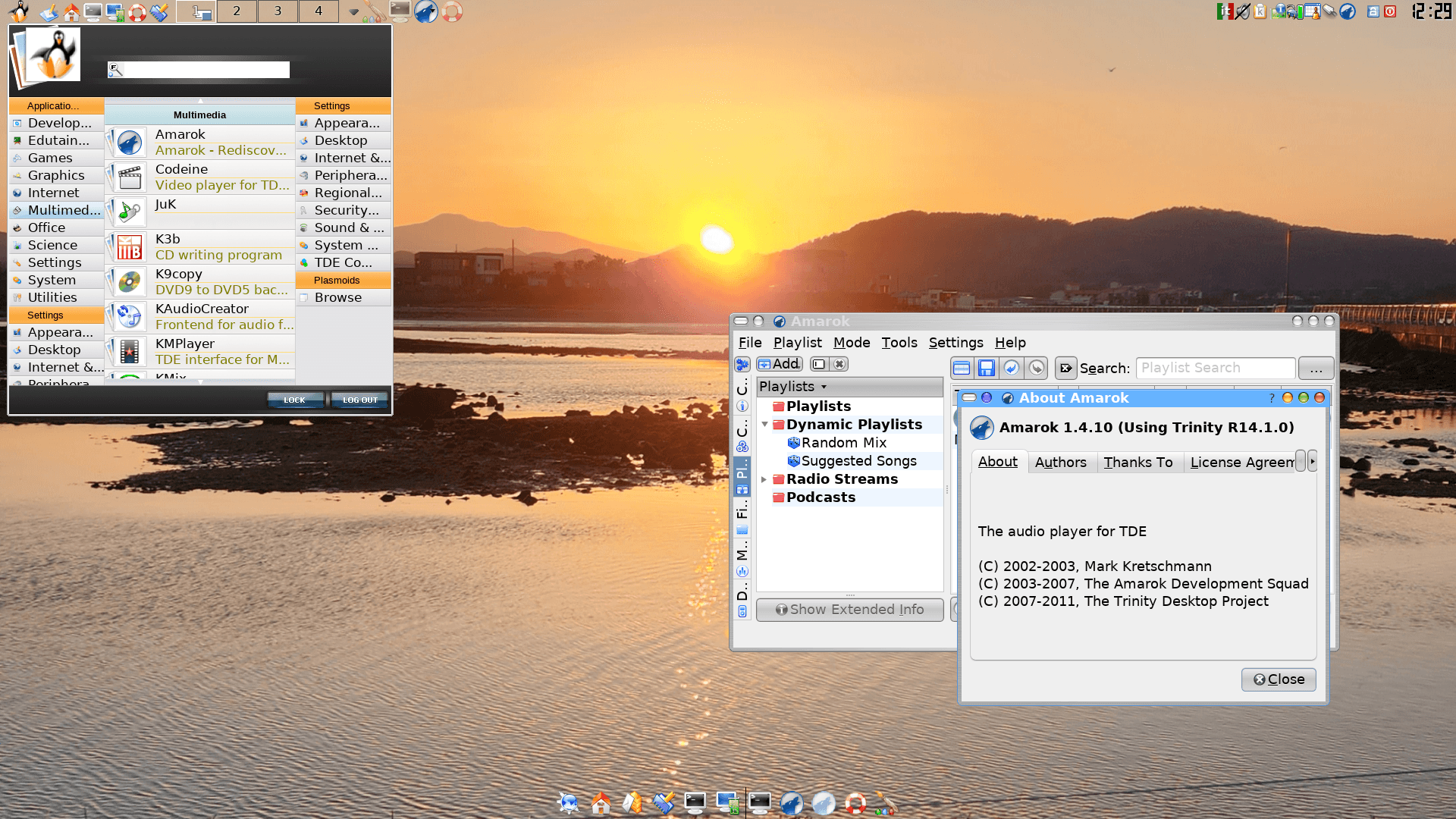
The Trinity Desktop Environment, widely recognized as TDE, takes a different approach by preserving and modernizing the classic KDE 3.5 codebase as an independent desktop ecosystem. The core philosophy of the project is to maintain the exact look, feel, and workflow of a traditional desktop while remaining exceptionally lean and requiring modest hardware resources to operate efficiently.
Unlike modern iterations of mainstream environments like KDE Plasma and GNOME, TDE continues to offer a native, uncompromising X11-based desktop experience without pivoting toward Wayland. The environment features a robust, built-in X11 compositor while the project maintainers continuously update the various software components required to deliver its signature retro desktop paradigm.
Recent development milestones underscore the project’s ongoing vitality. The release of version R14.1.6, the sixth maintenance update in the R14.1.x series, introduced critical fixes for window tiling when handling maximized windows, refined visual branding, and resolved several stubborn transparency bugs. Additionally, the update brought a new three-dimensional border option for the Kicker panel alongside a convenient navigation action within the Konqueror web browser. TDE remains compatible with a wide spectrum of Linux distributions as well as FreeBSD.
Wayback
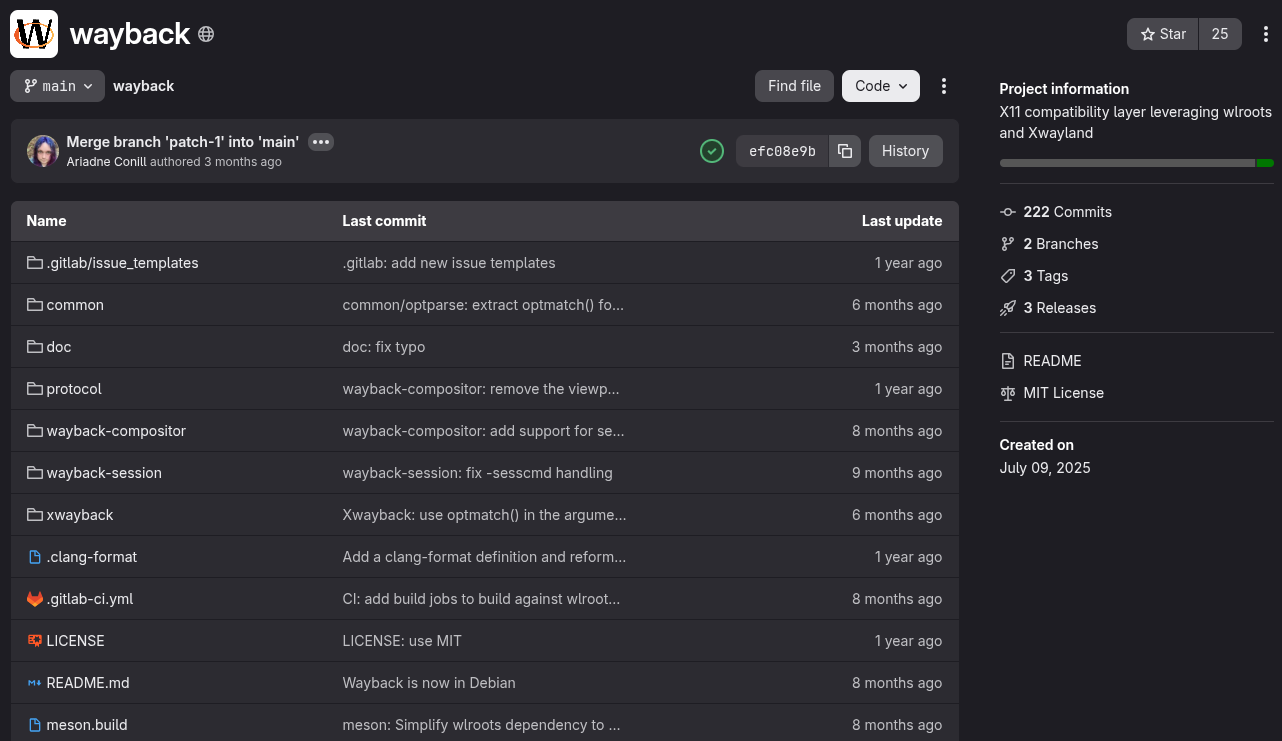
Rather than attempting to replace individual X11 client applications or desktop environments entirely, Wayback focuses on replacing the foundational layer that sits directly beneath them.
Conceived as an experimental display infrastructure, Wayback is a lightweight Wayland compositor constructed using the wlroots library. It carries only the bare minimum Wayland functionality required to run Xwayland in rootful mode, effectively allowing an entire traditional X11 desktop environment to execute inside a Wayland wrapper.
The primary objective of the project is to render the traditional Xorg server binary unnecessary while still preserving complete compatibility for existing X11-centric desktop environments, with a particular emphasis on supporting lightweight distributions like Alpine Linux. Because the software remains in an alpha development phase, compatibility is not guaranteed across all configurations. Initiated by Ariadne Conill of Alpine Linux, the MIT-licensed project is hosted on freedesktop.org’s GitLab platform.
XLibre
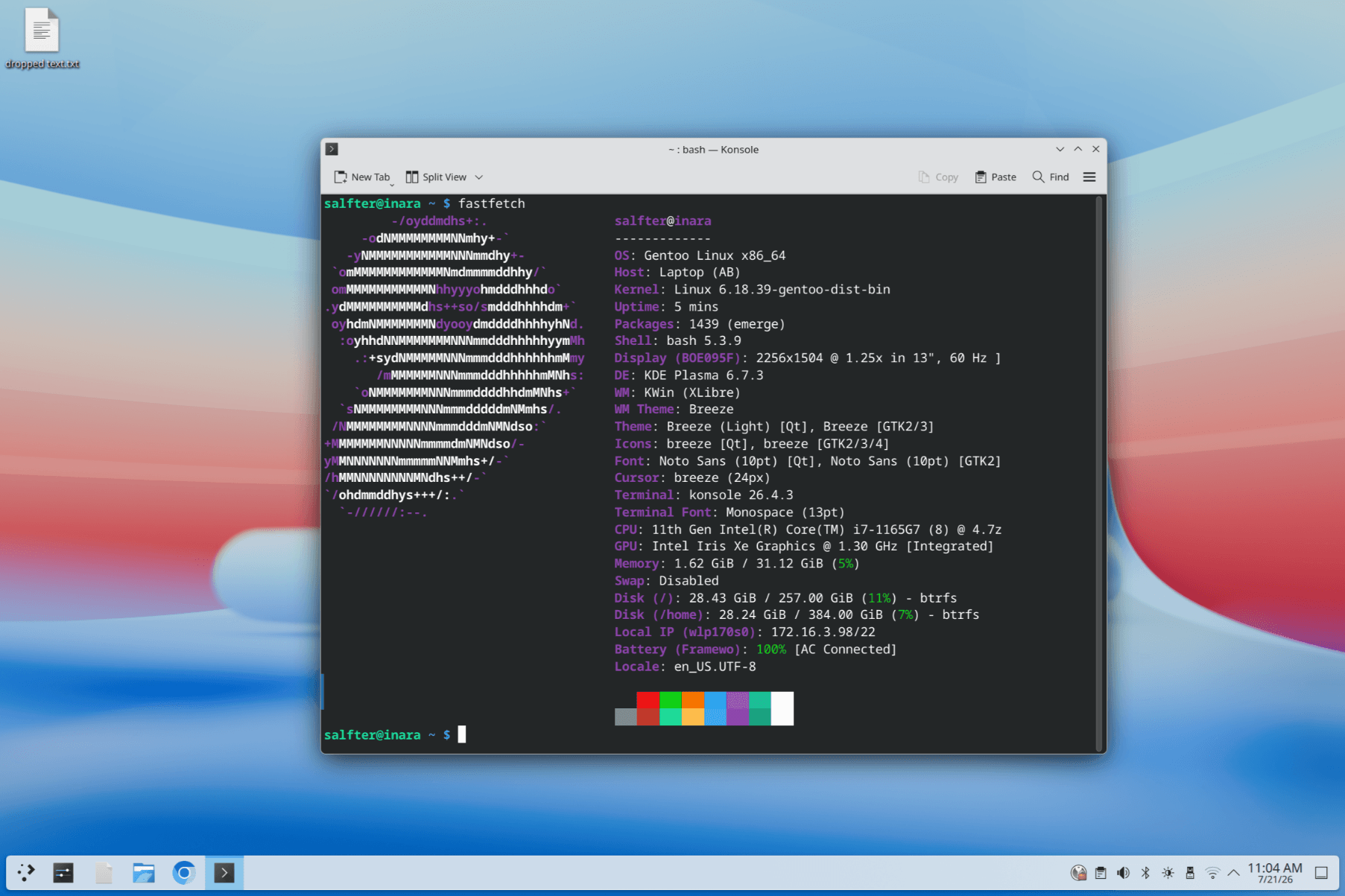
XLibre operates as a community-driven fork of the original X.Org Server, designed specifically to keep X11 viable by sustaining active development on the established codebase. Beyond simply keeping the lights on, the project integrates vital improvements and optimizations that were conceptualized but never officially merged into the upstream X.Org Server, including performance features previously exclusive to Xwayland.
The modifications championed by XLibre are intensely practical for modern hardware users. TearFree modesetting is enabled out of the box by default, while atomic modesetting remains available as an optional configuration. Furthermore, XLibre introduces Xnamespace, a specialized security extension designed to effectively isolate individual X clients from one another, and adds native support for seat management through seatd as a lightweight alternative to systemd-logind.
The project maintains continuous integration build pipelines covering Linux, various BSD operating systems, macOS, and Windows, though the breadth of build targets does not necessarily equate to uniform platform support. The practical impact of the fork is already visible in the wider ecosystem, with lightweight distributions like PeppermintOS migrating away from standard Xorg toward XLibre to bypass the complexities of Wayland adoption.
Yserver
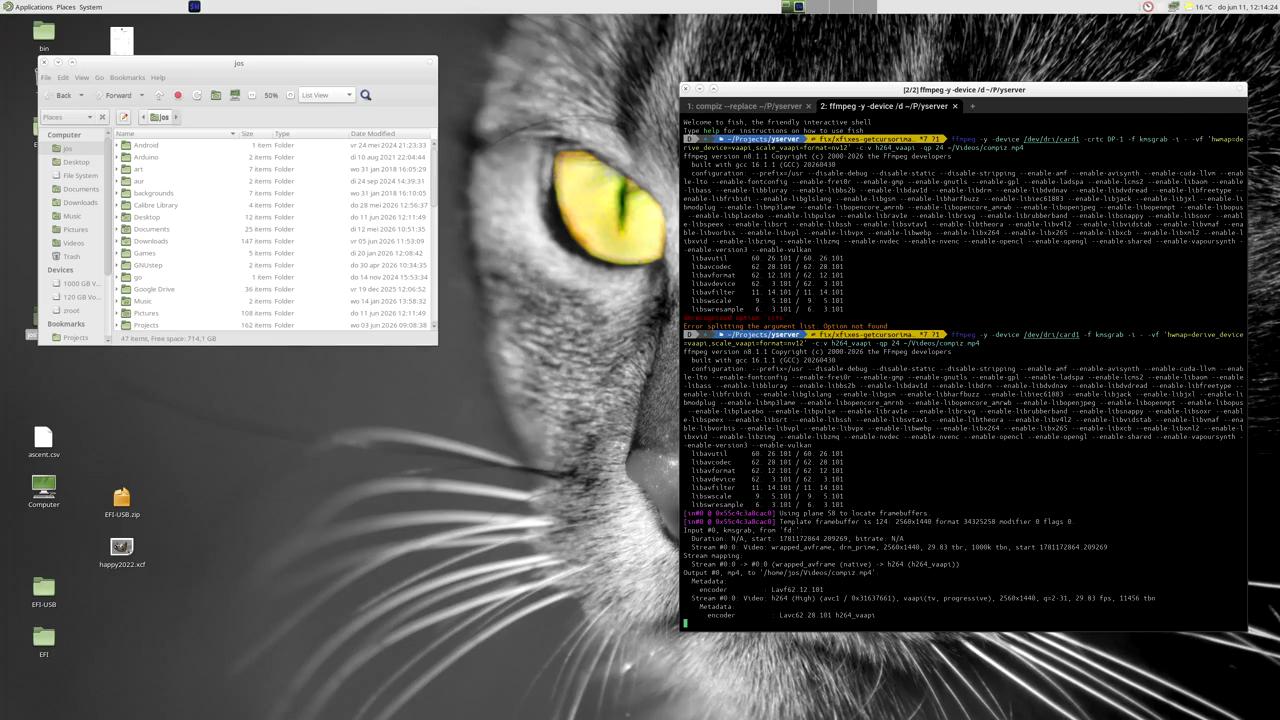
In an effort to modernize the server layer from the ground up, developer Jos Dehaes has undertaken the creation of yserver, an entirely new X server written in Rust and distributed under the MIT license.
Rather than attempting to replicate every legacy feature and edge case handled by historical Xorg builds, yserver takes a deliberately focused approach. Features such as indirect GLX, the legacy DDX driver interface, non-TrueColor visuals, and client connections with swapped byte orders are intentionally excluded from the architecture. By default, client applications communicate with the server over Unix sockets, while TCP transport and XDMCP support are implemented as optional build-time features.
Despite its narrower architectural scope, yserver has proven remarkably capable, successfully running complete desktop sessions for MATE, Xfce, and Cinnamon. It has also been tested extensively alongside traditional window managers such as FVWM3, Window Maker, Openbox, i3, and Enlightenment. To verify protocol compliance, the project utilizes the official X.Org X Test Suite, though development remains ongoing and the software is not intended to serve as a drop-in clone of traditional Xorg.
XQuartz
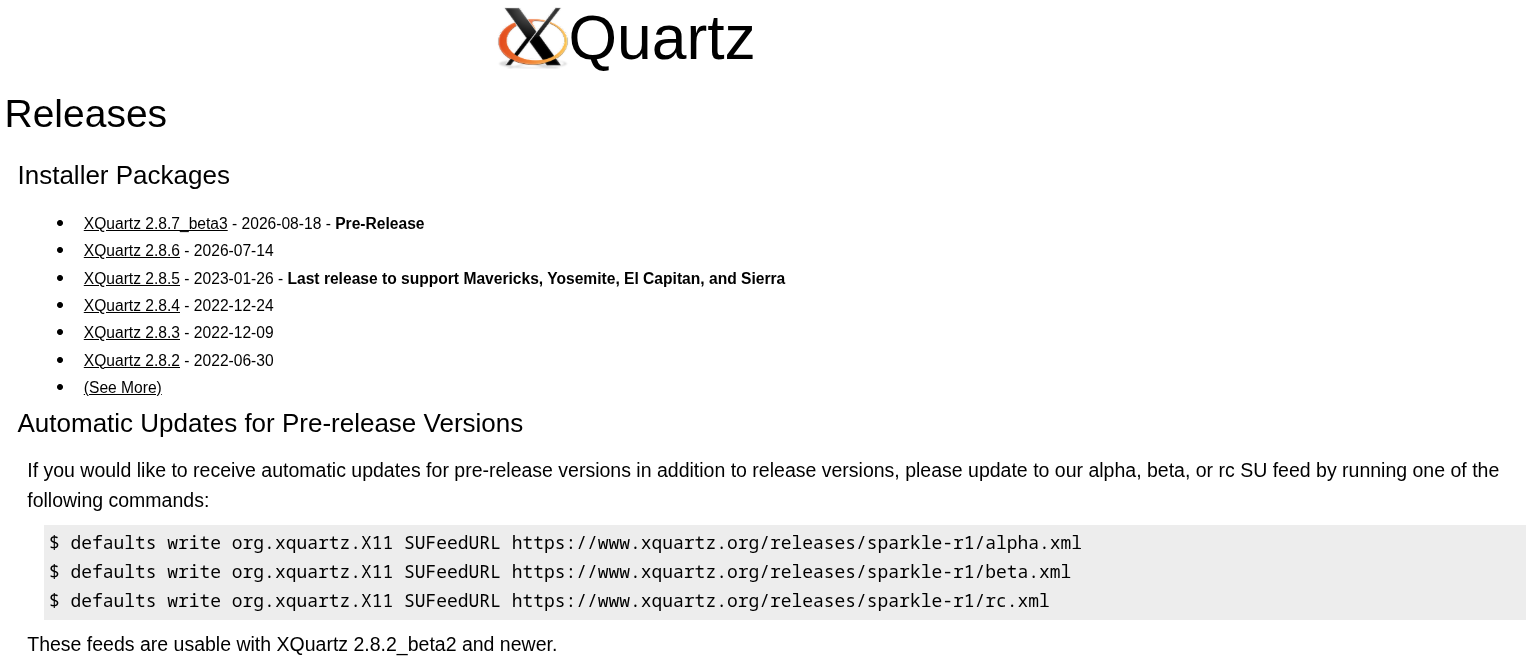
While the majority of preservation efforts target Linux and Unix-like operating systems, XQuartz serves a distinct purpose within the Apple ecosystem. Unlike the Linux-centric forks and rewrites, XQuartz builds directly upon the X.Org X Window System architecture to provide X11 support for macOS.
The project enables users to run complex X11-based applications seamlessly alongside native Mac software within the same graphical session. Stable version releases, such as version 2.8.6, regularly update bundled libraries to patch legacy security vulnerabilities and resolve hardware-specific rendering quirks affecting Apple Silicon hardware. The software supports modern macOS releases starting from version 10.13 onward.
Phoenix
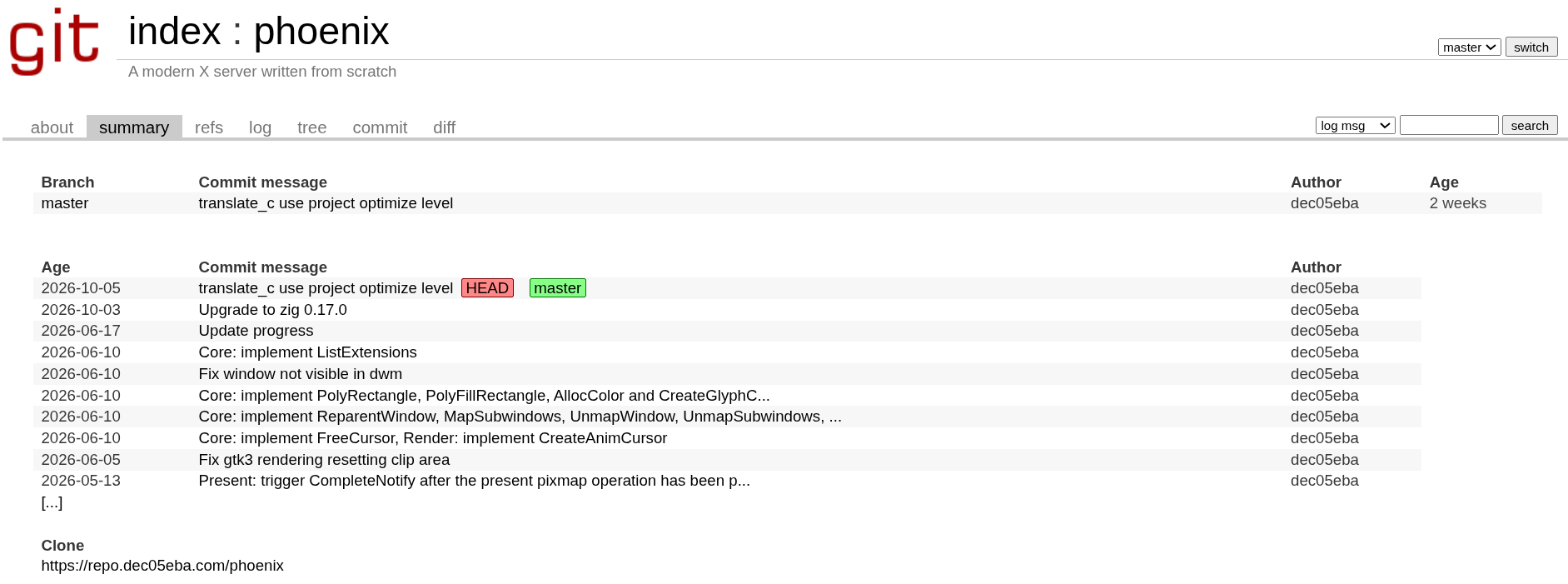
Phoenix represents a radical departure from traditional Xorg maintenance by building an entirely new X server from scratch utilizing the Zig programming language under the GPL-3.0-only license. The core design philosophy centers on creating a significantly simpler, more secure server by implementing only a targeted subset of the broader X11 protocol, with a primary focus on supporting modern application stacks and advanced graphics hardware.
The project’s roadmap places heavy emphasis on security and visual fidelity. Protocol messages are designed for automated parsing, applications are isolated from one another by default, and clipboard access is strictly restricted to currently focused applications, though users retain the option to restore traditional, permissive Xorg behavior.
Additional long-term goals include implementing native tear-free rendering, a built-in compositor, enhanced multi-monitor configurations featuring mixed refresh rates, and High Dynamic Range (HDR) support. Where these modern requirements exceed the capabilities of the legacy X11 protocol, the developers have indicated a willingness to extend the protocol accordingly. At present, Phoenix operates natively in a nested configuration inside an existing X server, where it is capable of hardware-accelerated rendering for GTK 3, GLX, EGL, and Vulkan applications.
Frame
Rounding out the list of alternative X servers is Frame, an ultra-minimalist X server engineered specifically for x86_64 Linux systems and written entirely in NASM assembly language. By bypassing typical user-space dependencies such as libc and Xlib, Frame interacts directly with the X11 protocol and communicates with the underlying Linux kernel through Direct Rendering Manager (DRM), Kernel Mode Setting (KMS), and evdev.
Created by Geir Isene to support the CHasm desktop environment, Frame is built with the ultimate goal of powering the desktop alongside standard X11 clients. In its current state of development, Frame possesses the capacity to serve up to 128 simultaneous clients while supporting critical extensions including SHAPE, RANDR, XInput2, and MIT-SHM. Released under the Unlicense, the project continues to evolve as developers explore the boundaries of low-level assembly implementation in modern graphical environments.