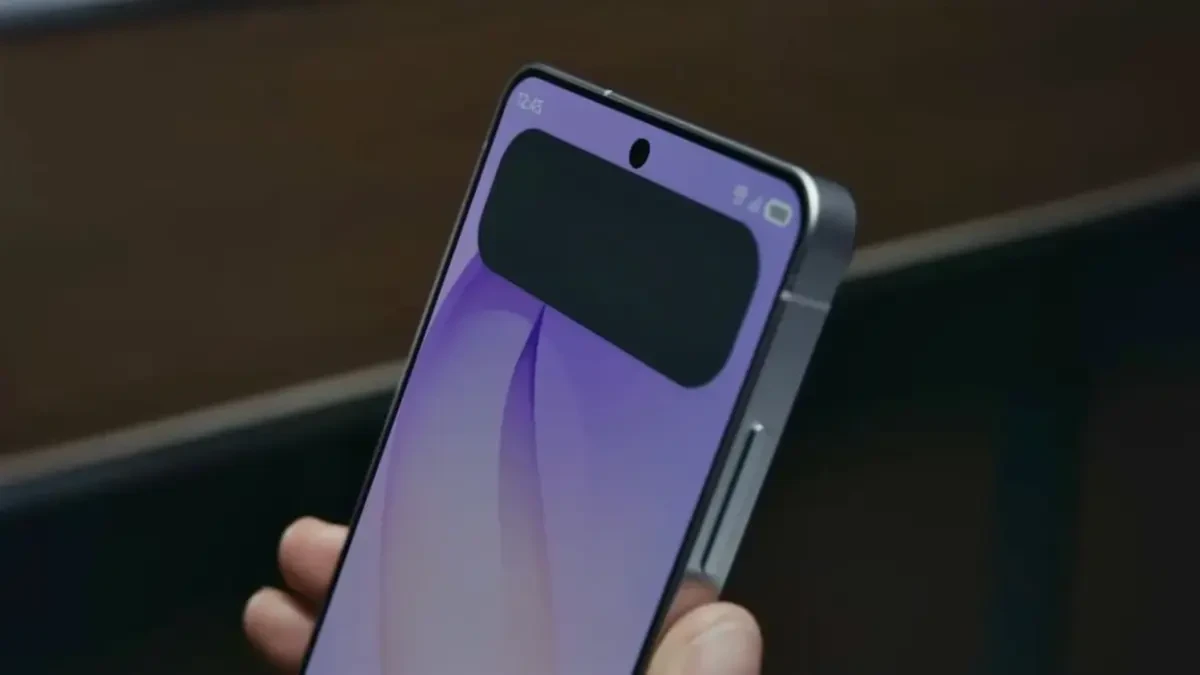
Samsung’s innovative Privacy Display, which made a splash earlier this year when it debuted alongside the Samsung Galaxy S26 Ultra, is reportedly in line for significant improvements. When it first launched, the feature was widely celebrated by users and industry analysts alike as a genuine hardware-driven innovation. Designed to keep sensitive information secure from prying eyes, the tool successfully renders whatever is on a smartphone screen nearly invisible to anyone looking from an adjacent angle. For commuters, professionals handling confidential documents, and privacy-conscious consumers navigating crowded public spaces, it felt like a dream come true, eliminating the need for bulky, traditional physical privacy screen protectors that often degrade the viewing experience.
However, the rollout of the pioneering feature was not entirely without friction. Almost immediately after the Samsung Galaxy S26 Ultra hit the market, early adopters pointed out a frustrating trade-off. While the Privacy Display excelled at shielding content from nosy neighbors, it came with notable technical downsides. Most conspicuously, overall image quality and screen brightness suffered a noticeable degradation, particularly when users cranked the privacy settings up to their maximum levels. The dimming effect made outdoor visibility challenging and muted the vibrant colors that Samsung’s flagship displays are historically known for delivering.
Fortunately, relief may be on the horizon for users who love the security of the feature but lament the visual compromise. According to recent reports from 9to5Google, Samsung’s upcoming generation of flagship devices—specifically the Samsung Galaxy S27 Pro and the Samsung Galaxy S27 Ultra—is slated to address this persistent hardware hurdle. Insiders indicate that these upcoming phones will incorporate an upgraded iteration of the Privacy Display featuring enhanced display brightness, a development aimed at mitigating the light loss and visual dullness that plagued the inaugural version.
While the available details remain somewhat vague regarding the exact engineering mechanisms Samsung plans to employ, the implication is clear. If these reports prove accurate, the next-generation Privacy Display should become vastly more usable in everyday scenarios. Users who frequently find themselves relying on their phones in bustling social settings, public transit, or professional environments will likely benefit from being able to maintain enhanced visual privacy for longer stretches of time without having to constantly squint or crank their brightness settings to maximum levels, which in turn drains the battery.
Despite the promising news regarding brightness improvements, the upcoming generation of Samsung flagships brings a mixed bag of updates for consumers, particularly concerning feature distribution. The primary drawback of Samsung’s hardware strategy for the upcoming lineup is that the Privacy Display will remain exclusive to the higher-end tiers. According to industry tracking, only the Galaxy S27 Pro and the S27 Ultra will be equipped with the advanced privacy technology. Meanwhile, the standard Samsung Galaxy S27 and the Galaxy S27 Plus will not include the feature, continuing a trend of segmenting unique display hardware strictly for the brand’s most expensive, ultra-tier models.
This tiered approach follows a familiar playbook for major smartphone manufacturers aiming to drive consumers toward their most premium and expensive hardware options. By reserving the Privacy Display exclusively for the Pro and Ultra models, Samsung is clearly positioning the technology as a luxury productivity tool rather than a standard baseline specification across its entire flagship ecosystem. For buyers who prefer a more standard-sized or moderately priced flagship device within the S27 family, the omission of the Privacy Display means they will either need to forego the feature entirely or look toward traditional third-party privacy screen protectors if they want similar functionality.
As for when consumers can expect to see these devices in the wild, the Samsung Galaxy S27 series of smartphones is widely anticipated to arrive early next year. While Samsung has established a reliable historical rhythm for its product launches, typically unveiling its premier flagship lineups in either January or February of each year, the company has not yet established or announced an official release date for the S27 generation. Until official invitations and corporate announcements are distributed, exact launch dates and regional availability timelines remain subject to industry speculation, though historical patterns strongly suggest a winter rollout.
As the technology continues to mature and consumer expectations shift toward greater personal data security on mobile devices, Samsung’s refinement of the Privacy Display highlights the ongoing engineering challenges of balancing visibility with confidentiality. Whether the promised brightness enhancements on the Galaxy S27 Pro and S27 Ultra will fully resolve the compromises of the original S26 Ultra iteration remains to be seen. In the meantime, prospective buyers weighing their options for the next generation of mobile upgrades will have to consider whether the refined privacy features and premium tier pricing align with their daily smartphone usage habits.