Samsung has experienced a heavily packed and eventful month as it pushes out its latest major software iteration, One UI 9, to a broad spectrum of current-generation and past-generation flagship devices. However, what typically stands as an exciting seasonal upgrade cycle for Galaxy owners has hit some notable turbulence. While the newest software brings fresh features and system-wide refinements, reports emerging from community forums, Reddit, and tech enthusiast publications indicate that older devices, in particular, are bearing the brunt of unexpected software complications.
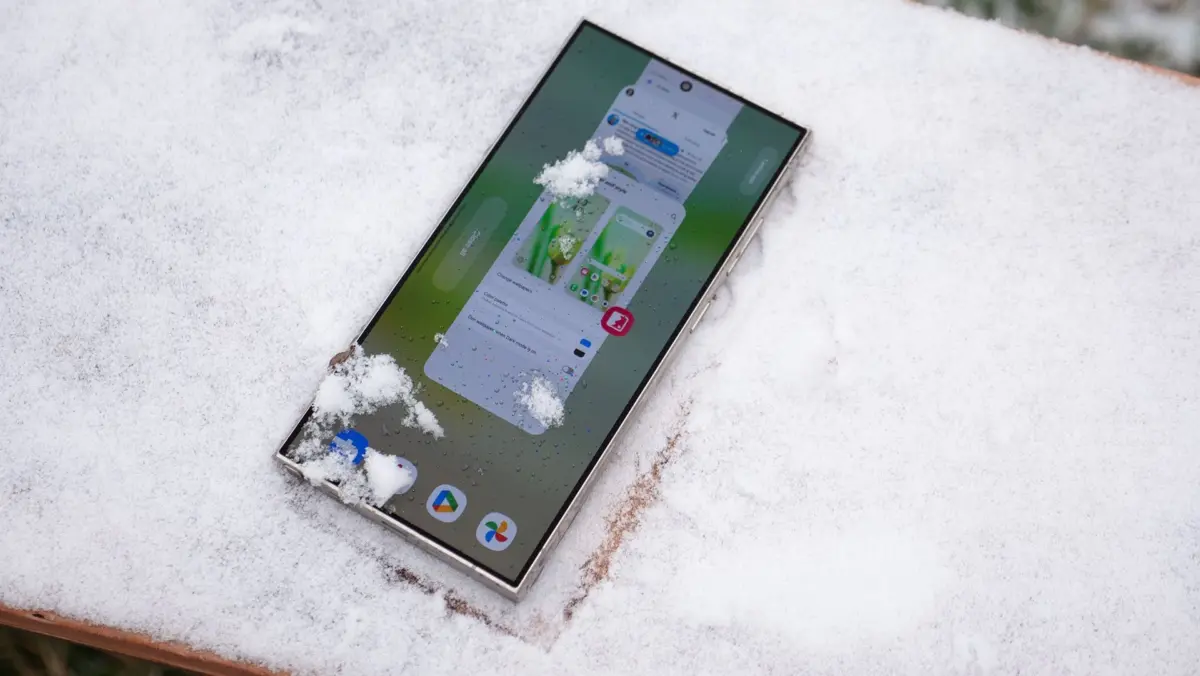
Leading the list of user complaints is a severe and alarming battery drain issue impacting devices like the Galaxy S24 Ultra. According to reports highlighted by tech outlets including SammyFans and 9to5Google, a growing number of users have experienced rapidly plummeting battery levels immediately following the installation of the One UI 9 update. One particularly striking case involved a Galaxy S24 Ultra user who reported that their phone consumed a staggering 95% of its total battery charge in just five hours and twenty minutes. While this specific instance followed what was described as "heavy use," the underlying metrics raised eyebrows across the tech community because the device registered only a little over three hours of screen-on time (SoT).
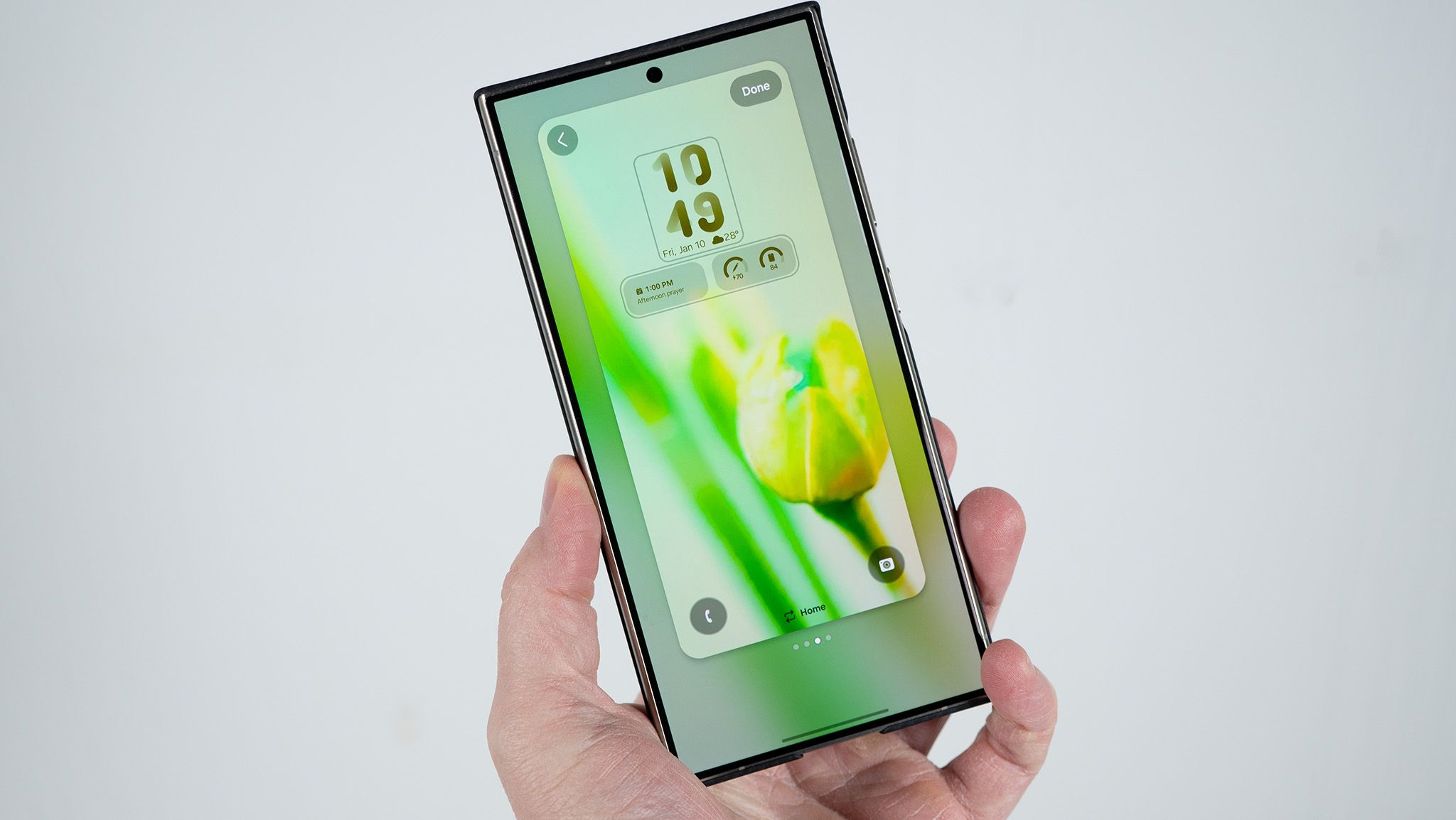
The unpredictable nature of the bug has made diagnosis difficult for both users and observers. The issue does not appear to affect every single device uniformly, creating a frustrating, case-by-case scenario where some owners report completely normal daily endurance while others face critical power loss. A widely discussed Reddit thread dedicated to Galaxy S24 performance issues captured numerous complaints regarding extreme idle battery drain. One user detailed a situation where their phone lost 40% of its total charge while sitting completely idle over an eleven-hour window, yielding a meager two and a half hours of screen-on time during the entire cycle. As owners continue to share their statistics from the "since last charge" diagnostic menus, concerns have begun to stretch beyond the S24 lineup, with isolated reports trickling in from users of the newer Galaxy S25 series who claim they must now resort to charging their devices multiple times throughout the day to maintain basic usability.
Despite these troubling anecdotes, widespread replication remains inconsistent. Testing across various editorial units, including the Galaxy S25 Ultra, has failed to show uniform or catastrophic power degradation, suggesting that background optimization processes, third-party application incompatibilities, or specific localized configurations might be exacerbating the problem for affected individuals. Nevertheless, the volume of complaints on Samsung’s official community forums and enthusiast platforms indicates that a tangible underlying issue exists for a significant subset of users.
Navigating unexpected technical hurdles is rarely straightforward, particularly when an issue isolates a specific group of users while leaving others completely untouched. When an owner encounters severe performance regressions that their peers do not share, finding a reliable solution or even an acknowledgment of the bug becomes an exercise in patience. These battery drain phenomena have steadily gained traction across the web, prompting community moderators and tech analysts to monitor the situation closely in the hope that Samsung engineers will soon identify the root cause and deploy a corrective patch.
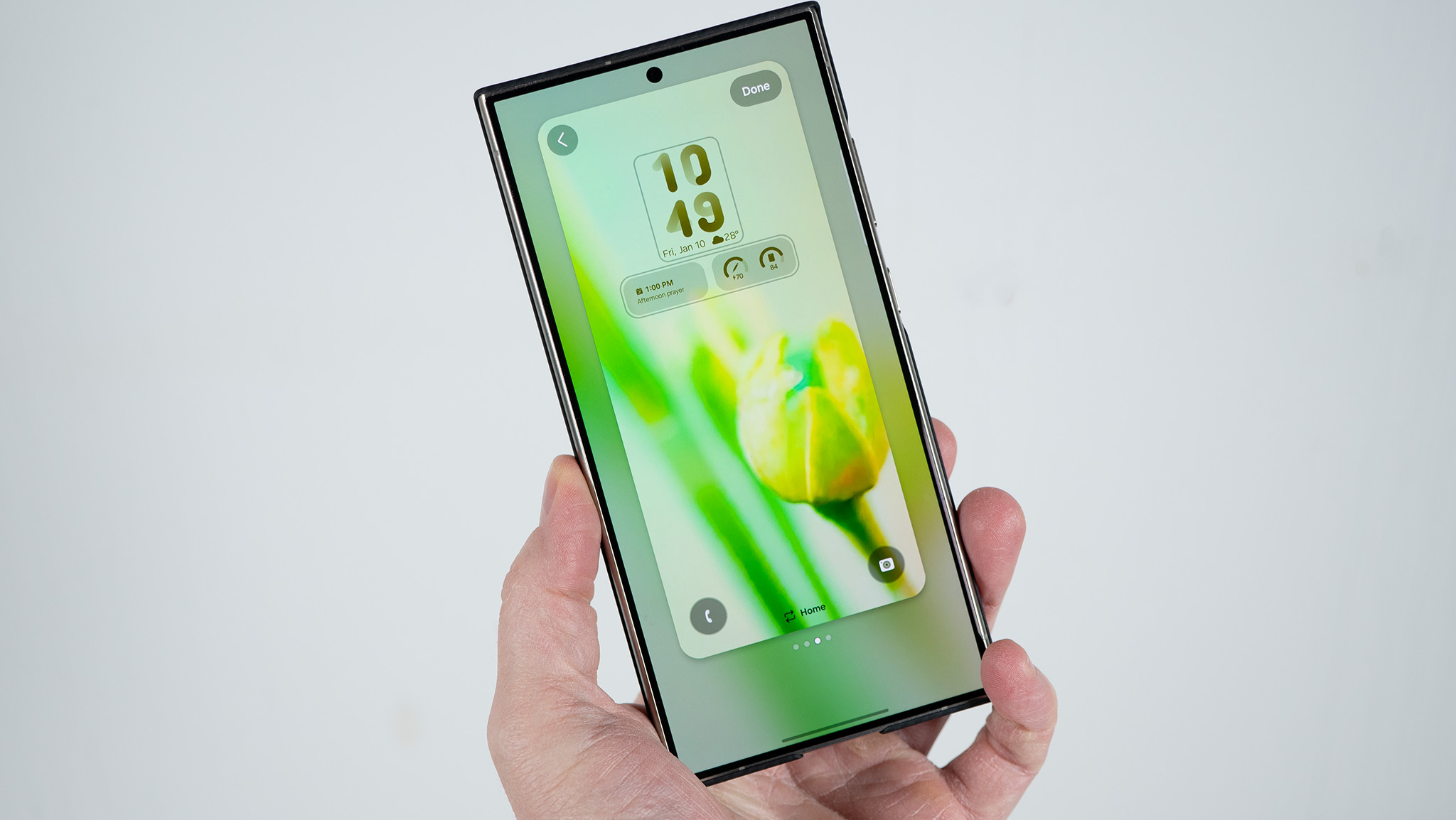
Compounding the software rollout’s rocky start, users have also encountered peculiar hardware and setup anomalies. The situation grew even more complex following reports of a severe setup bug affecting a Korean user who attempted to configure a device running One UI 9 based on Android 17. According to the affected owner, the device became trapped in an inescapable loop during the initial configuration phase, consistently throwing an error message on the final step and blocking access to the standard lock and home screens.
Samsung responded swiftly to the initial reports of this specific setup obstacle, identifying the root cause as a persistent "webpage is unavailable" error during the authentication or cloud-sync phase of the onboarding process. To mitigate the roadblock, the manufacturer advised affected users to ensure their system web browsers are fully updated to the latest available version and recommended switching to a stable Wi-Fi network rather than relying on cellular data during the setup procedure.
Much like the battery drain complaints, this particular setup bug does not appear to be a systemic epidemic affecting every single new installation. However, given the friction it introduces for early adopters, industry watchers anticipate that Samsung will likely package a broader, preventative fix into an upcoming maintenance update to cover all potential edge cases and ensure a smoother transition for remaining users scheduled to receive the One UI 9 firmware in the coming weeks. For now, affected owners continue to rely on community troubleshooting spaces and official support channels while waiting for definitive software patches from Samsung.