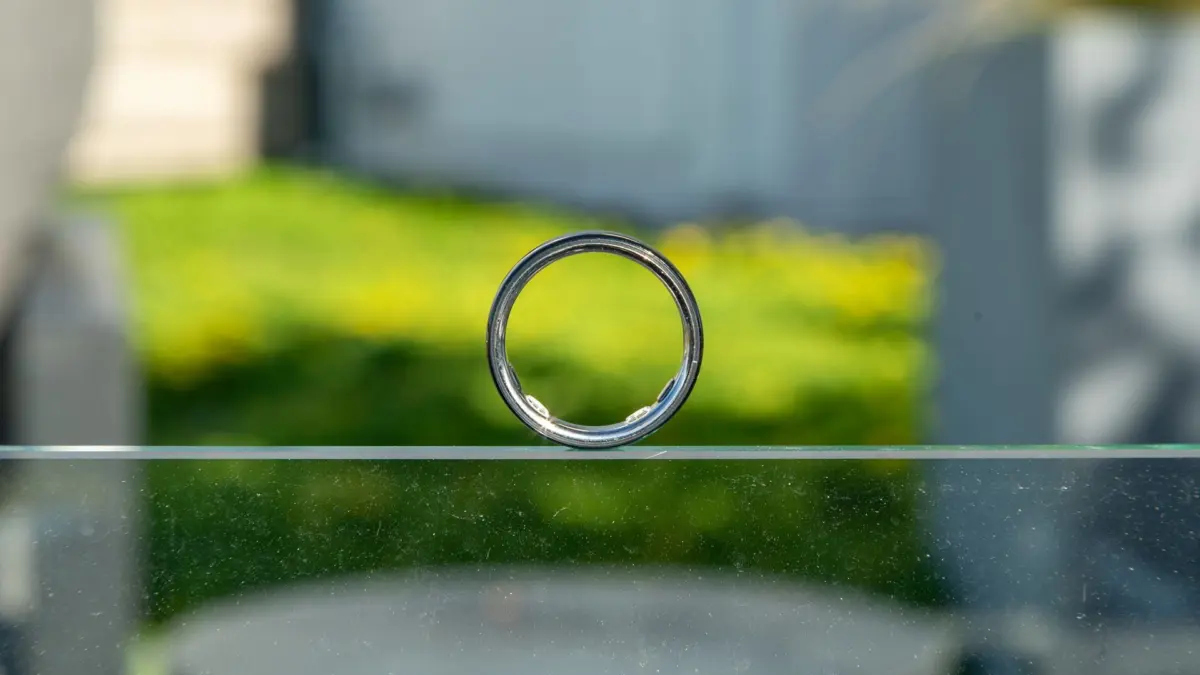
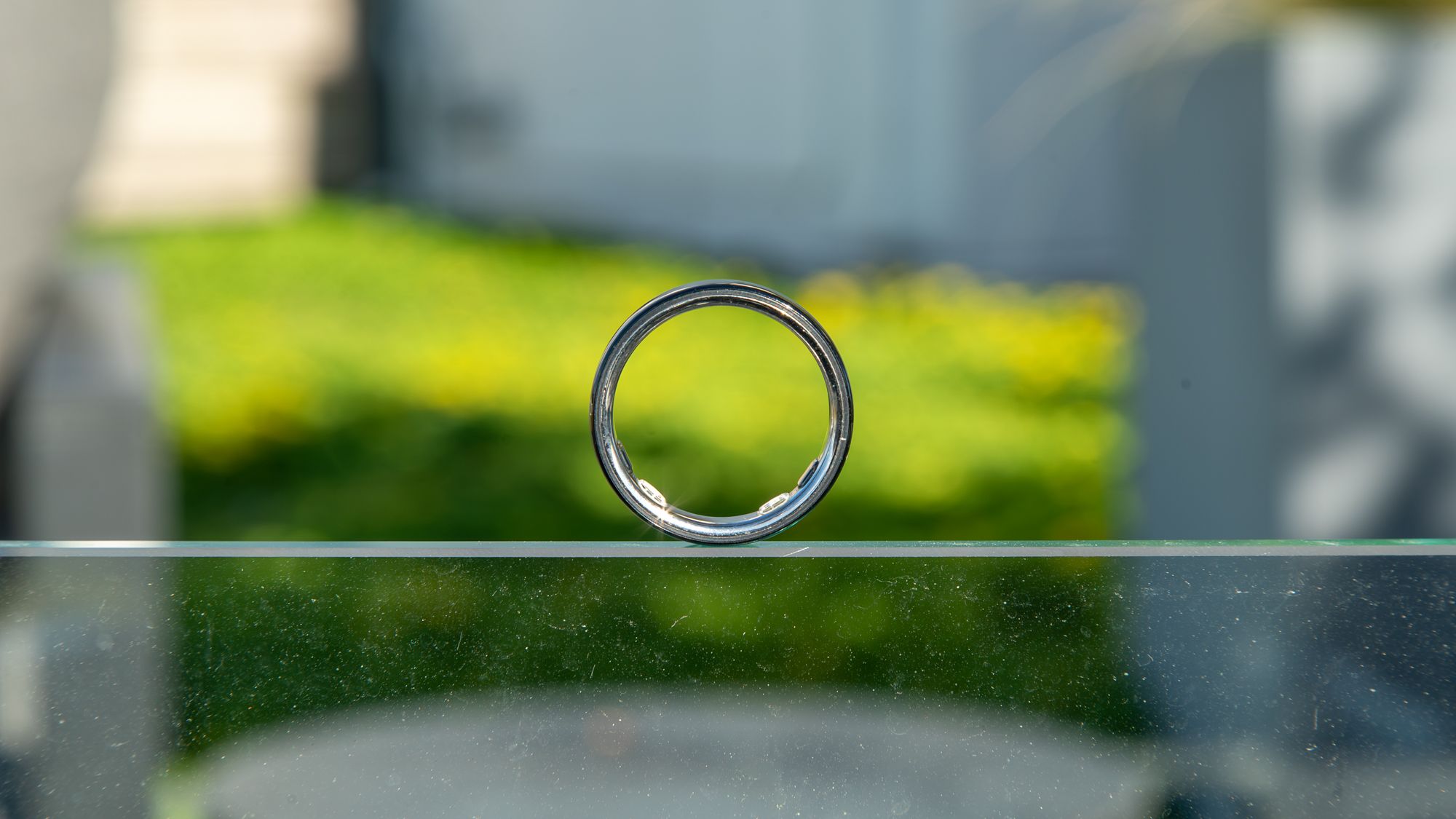
The fierce corporate rivalry within the booming smart ring industry has escalated once again, with market pioneer Oura launching a fresh legal challenge against its competitor, Ultrahuman. The legal battle centers around allegations that Ultrahuman infringed upon Oura’s intellectual property while developing its latest flagship wearable, the Ultrahuman Ring Pro.
According to reports, Oura has filed a lawsuit claiming that Ultrahuman’s Ring Pro directly violates several of its core patents covering both the physical design and internal component architecture of smart rings. Specifically, Oura’s legal action points to key internal elements, including the curved battery layout, circuit board configuration, integrated magnets, and sensitive health-monitoring sensors.
This latest confrontation marks a significant escalation in the ongoing intellectual property war between the two wearable technology companies. An official spokesperson for Oura commented on the situation, asserting that Ultrahuman has a clear history of appropriating Oura’s proprietary innovations. The spokesperson pointed to a previous 2015 International Trade Commission (ITC) ruling against Ultrahuman as evidence of past infringement. While Ultrahuman subsequently introduced a redesigned ring in an effort to clear legal hurdles, Oura contends that the new device still fails to respect its established patents.
The timing of the lawsuit has also drawn significant attention from industry observers. Records indicate that Oura was officially granted the specific internal-component patent—identified as patent number 12,769,363—on October 20. Merely two days later, Oura initiated its formal lawsuit against its rival, a swift maneuver designed to challenge Ultrahuman’s latest market offerings. Alongside the legal injunctions aimed at halting certain business practices, Oura is reportedly seeking substantial monetary damages.
For Ultrahuman, the lawsuit arrives at a particularly sensitive juncture. The company has historically faced considerable hurdles in establishing a stable and uninterrupted presence for its products within the United States market. Previous import restrictions and legal disputes forced the brand to navigate a complex regulatory landscape, temporarily dampening its domestic footprint. The rollout of the Ultrahuman Ring Pro was intended to serve as the company’s definitive comeback ticket to U.S. consumers, offering advanced health tracking and biointelligent features designed to capture market share. Oura’s legal offensive directly threatens that commercial momentum.
Despite the legal pressure, Ultrahuman maintains that its current operations remain unaffected by the filing. Mohit Kumar, the co-founder and CEO of Ultrahuman, addressed the situation directly, noting that Oura’s legal strategy involves pivoting to newly minted intellectual property. Kumar pointed out that Oura chose to assert different patents, including one that was officially issued by regulatory authorities just two days before the lawsuit was formally filed. However, Kumar emphasized that as of right now, the courts have not issued any injunctions or orders preventing Ultrahuman from selling the Ring Pro to consumers in the United States, meaning the device remains fully available for purchase.
What You Need to Know About the Ongoing Rivalry
The legal friction between Oura and Ultrahuman is merely the latest chapter in a multi-year corporate feud that has steadily intensified as the smart ring market has grown more lucrative. The two companies have repeatedly clashed across international jurisdictions, each accusing the other of encroaching upon proprietary wellness technology.
This ongoing tug-of-war is not a one-way street. In 2025, Ultrahuman launched its own offensive by filing a lawsuit against Oura. In that legal action, Ultrahuman accused Oura’s popular Ring 4 of improperly incorporating patented smart ring technology. The core of Ultrahuman’s grievance at the time focused heavily on advanced wellness functionalities, including automated sleep tracking, circadian rhythm management tools, and specialized women’s health tracking features. Ultrahuman argued that it had pioneered these specific capabilities and that larger competitors were attempting to sideline smaller innovators.
Beyond technical patents, the two companies also operate under fundamentally different business philosophies, which has further fueled the rivalry. Ultrahuman has carved out a distinct market position by offering its comprehensive suite of health features without enforcing a mandatory monthly paywall, relying instead on its software ecosystem known as PowerPlugs. In contrast, Oura has long maintained a subscription-based model that requires users to pay a recurring fee to unlock the full depth of their health insights and analytics.
When Ultrahuman initially filed its lawsuit against Oura, company leadership was transparent about its broader corporate motivations. Executives stated that aggressively defending individual patents was not merely about protecting financial assets, but rather about positioning Ultrahuman as a vocal champion of open health data and showcasing international innovation on the global stage.

Back and Forth Developments in Wearable Technology
Even as the courtroom battles continue to play out, both companies have kept up a relentless pace of software and hardware development to appeal to health-conscious consumers. Ultrahuman, in particular, has continued to expand its ecosystem throughout 2026, rolling out innovative features and strategic partnerships designed to solidify the Ring Pro’s market position.
In an effort to bridge the gap between consumer fitness wearables and formal healthcare, Ultrahuman established a partnership with HealthEx. This integration allows users to seamlessly sync their official medical records directly into the Ultrahuman application. By combining smart ring telemetry with verified clinical data, users gain a more holistic view of their personal wellness and can easily share comprehensive trends with their primary care physicians.
Additionally, the company introduced specialized diagnostic tools tailored for its hardware. Earlier in October, Ultrahuman rolled out a feature known as Heart Scan specifically for the Ring Pro. Designed to deliver rapid cardiovascular insights, the Heart Scan feature requires just sixty seconds of user engagement to generate a vital snapshot of heart health at any given moment.
As the legal battle between Oura and Ultrahuman unfolds in the courts, the outcome threatens to shape not only the future availability of the Ring Pro in the United States but also the broader legal standards governing intellectual property, hardware design, and software features across the entire smart wearable industry.