

The smartphone market in 2026 is defined by a hard truth: finding a cheap flagship or a large-screen device requires stretching your budget further than before. Consumers seeking a compact entry point into Samsung or Google’s flagship ecosystems must settle for smaller form factors, such as the 6.3-inch display on the standard Samsung Galaxy S26. Stepping up to a spacious 6.7-inch screen traditionally demands splashing out $1,200 for the Galaxy S26 Plus, a model that carries a $200 premium over its predecessor and a $100 increase from its initial launch price in March.
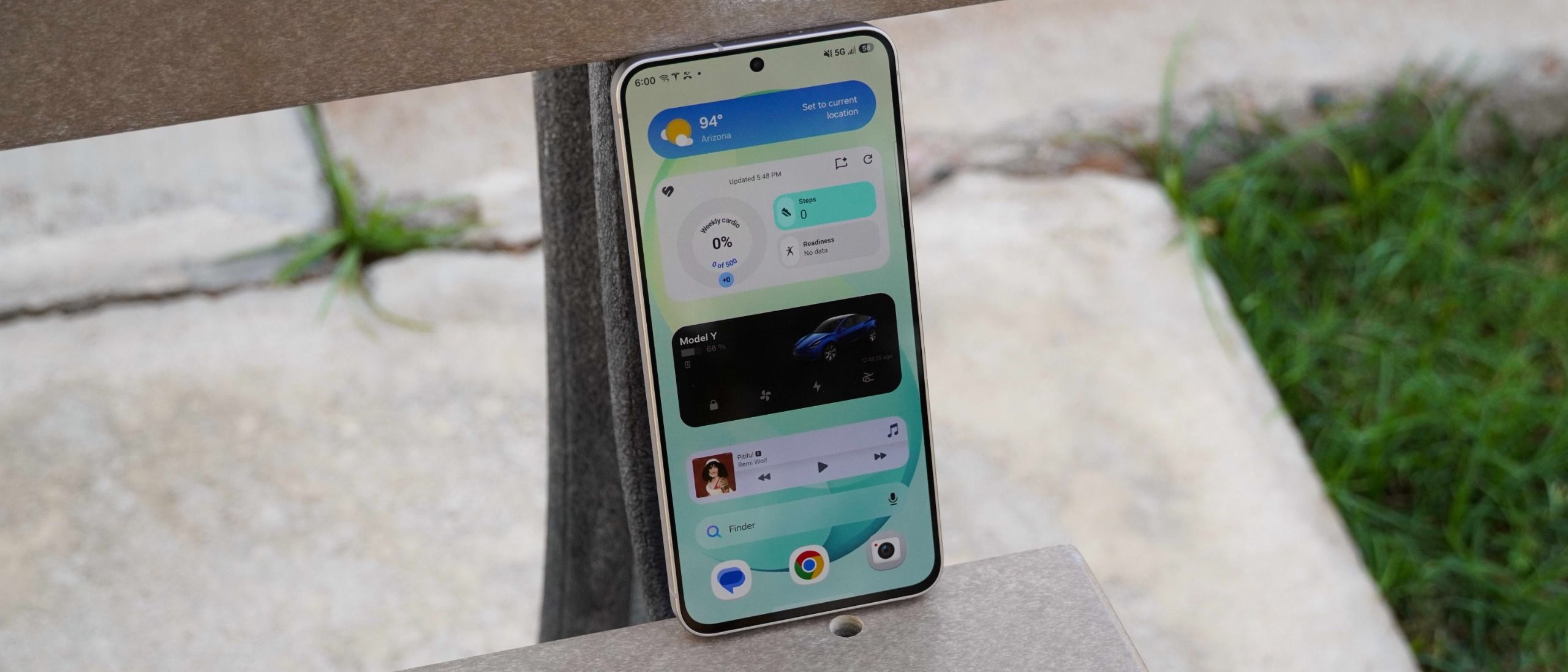
Large screens have undeniably become expensive. However, the Samsung Galaxy S26 FE emerges as an intriguing outlier in this landscape. Delivering the exact same 6.7-inch display footprint as the Galaxy S26 Plus for a notable $500 less, it immediately captures attention for anyone seeking a generous viewing canvas without crossing into four-figure pricing. Spending weeks with the device reveals that it operates much closer to flagship territory than its midrange designation might imply, though it accomplishes this by implementing a series of calculated cost-cutting measures that ultimately complicate its overall value proposition.
The Price Hike is Hard to Ignore
Samsung’s "Fan Edition" line has historically occupied a challenging middle ground. Positioned comfortably below the core Galaxy S flagship family, these devices are simultaneously priced well above Google’s budget-friendly A-series models and Samsung’s own entry-level offerings. Their main appeal has always centered on bridging the gap by offering flagship-adjacent screen real estate mirroring the Plus models at a more approachable tier.
This year, however, the Galaxy S26 FE arrives with a frustrating $50 price increase. While minor upward pricing adjustments have become an industry-wide trend—exemplified by $100 price bumps on both the Google Pixel 11 and the standard Galaxy S26—those devices compensated buyers by doubling base storage capacities. By contrast, the Galaxy S26 FE continues to ship with a meager 128GB of base storage.
Consumers desiring the 256GB storage configuration found standard across the rest of the Galaxy S26 lineup must pay an additional $100. This structural quirk splits the S26 FE into a 128GB model priced at $699.99 and a 256GB version costing $799.99. Consequently, buyers purchasing the 256GB variant face a perplexing scenario where the midrange Galaxy S26 FE and the flagship Galaxy S26 launch at the exact same price point. Although subsequent price adjustments that pushed the base Galaxy S26 and S26 Plus up to $999.99 provide the S26 FE with a marginally better relative value, the pricing structure remains difficult to navigate.
The device boasts noticeable performance improvements over its predecessor, the Galaxy S25 FE. Yet, it faces intense competitive pressure from the standard Galaxy S26 as well as aggressive alternatives like the Google Pixel 10a and the OnePlus 13r.
The Galaxy S26 FE is a Plus-Sized Midranger
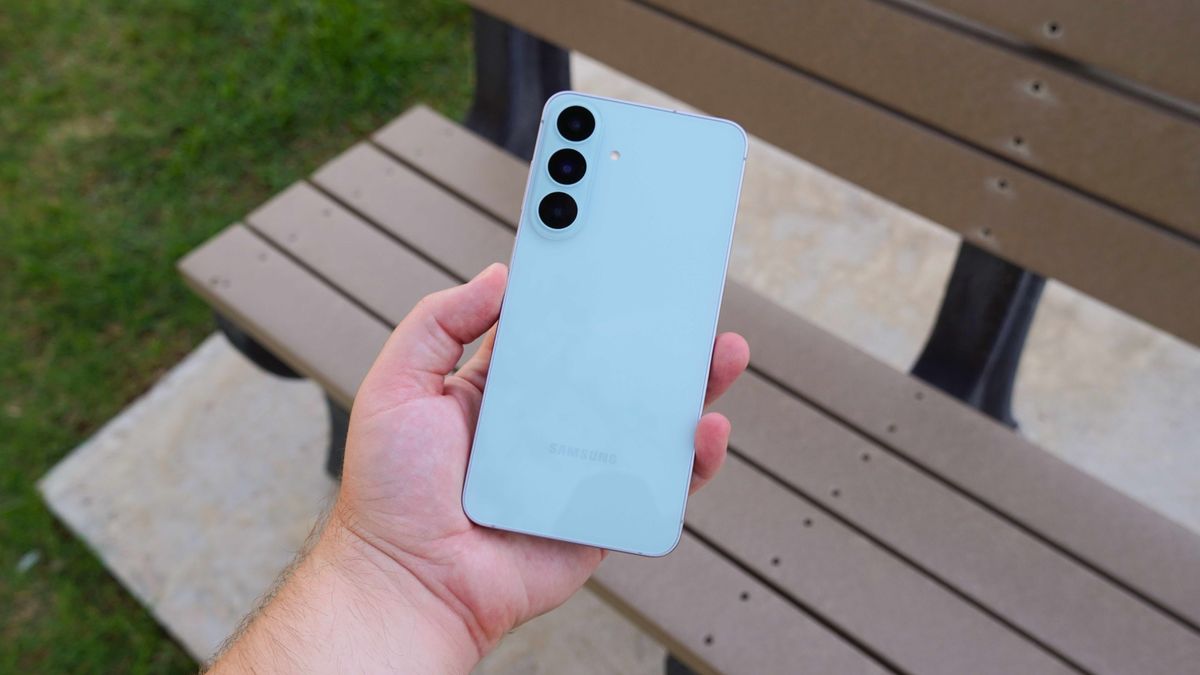
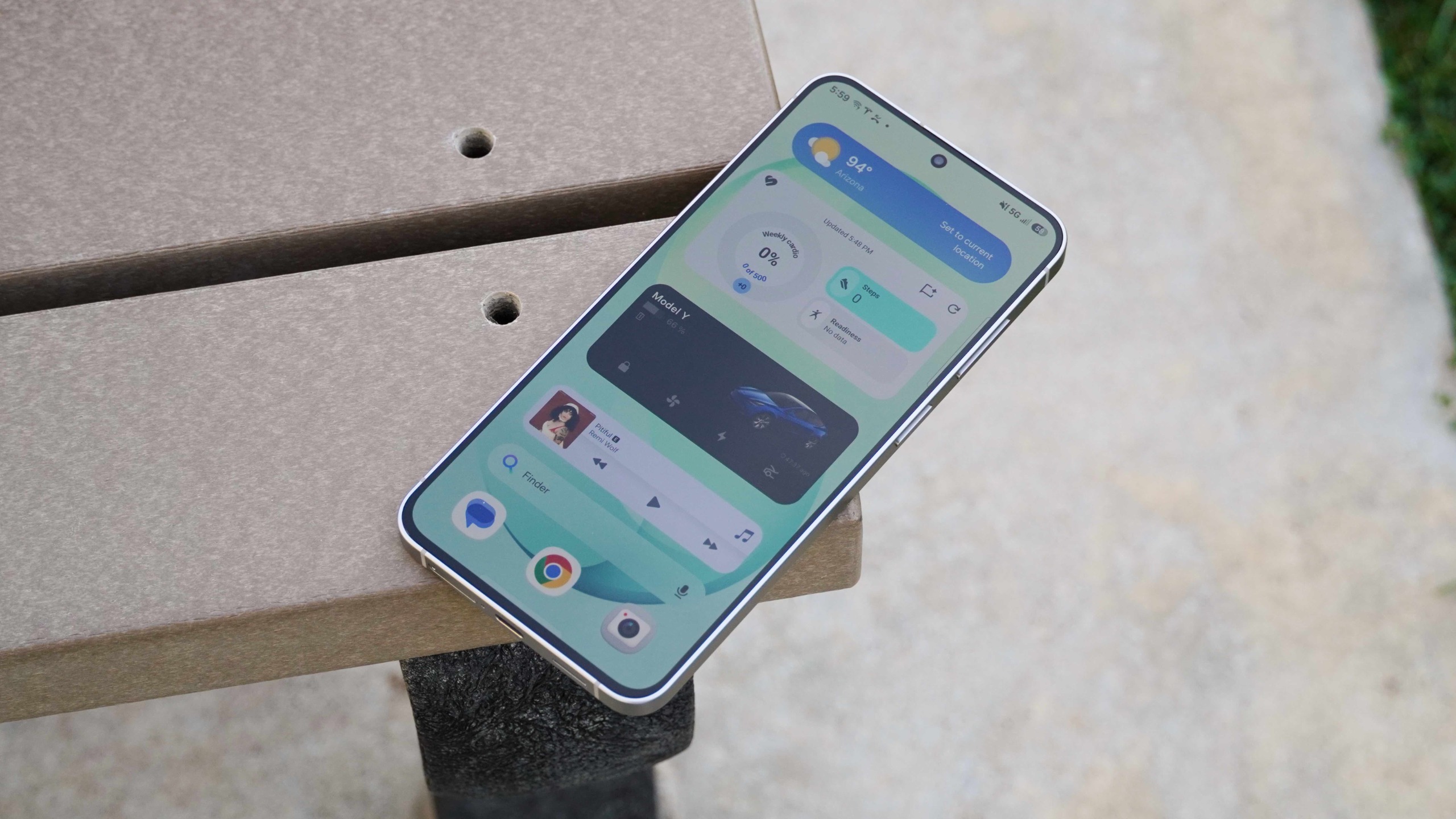
From a design standpoint, the Galaxy S26 FE closely mirrors the aesthetic language of the Galaxy S26 Plus, measuring just a millimeter thicker and three grams heavier. Because of slightly larger display bezels, the FE model features a marginally larger overall footprint, making one-handed reachability a bit more challenging due to its wider and taller frame.
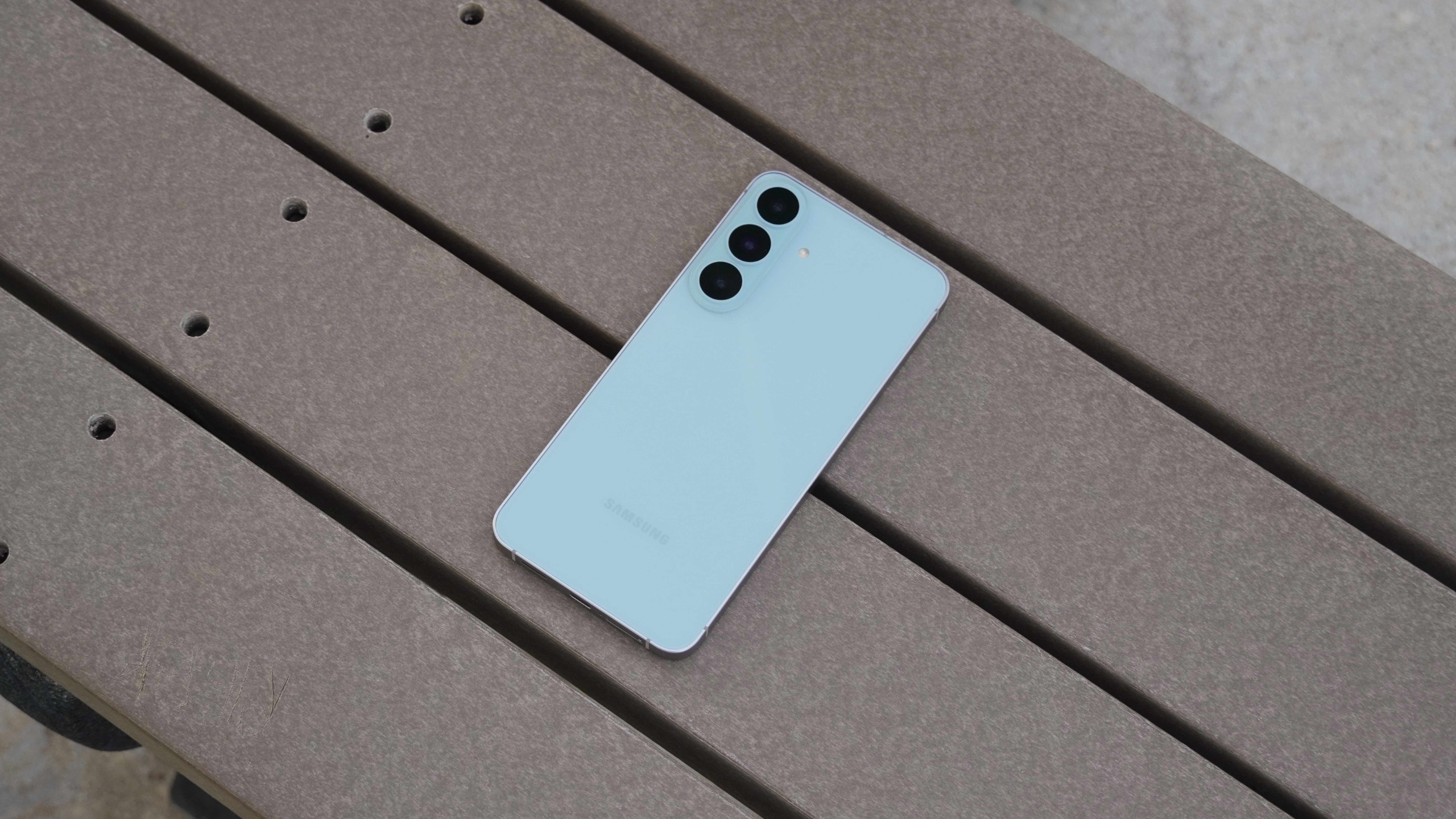
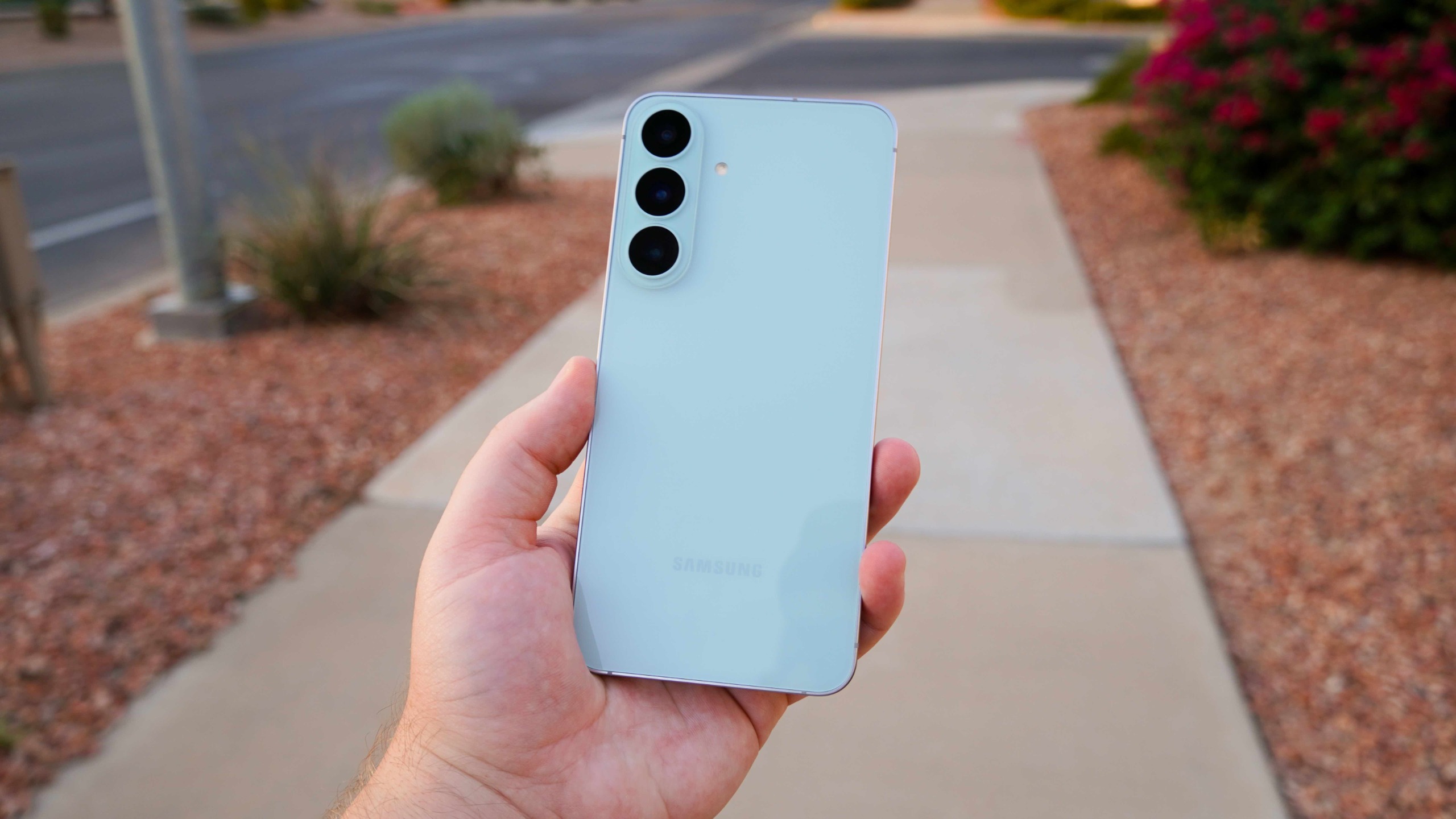
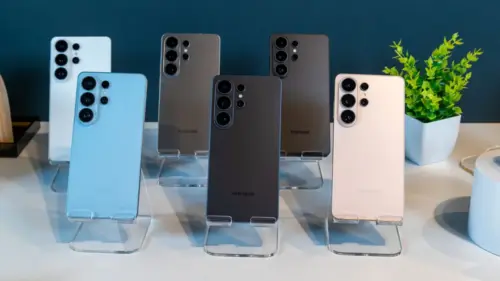
The rear panel utilizes a glossy Gorilla Glass Victus Plus finish rather than the matte texture and newer Gorilla Glass Victus 2 found on the more expensive S26 Plus. Even so, the color options are striking. The subtle Pistachio review unit is accompanied by alternative Blueberry and Graphite colorways. Constructed from a durable blend of glass and aluminum with an IP68 dust and water-resistance rating, the device avoids the cheaper plastic backings found on competitors like the Pixel 10a, offering a genuinely premium hand-feel.
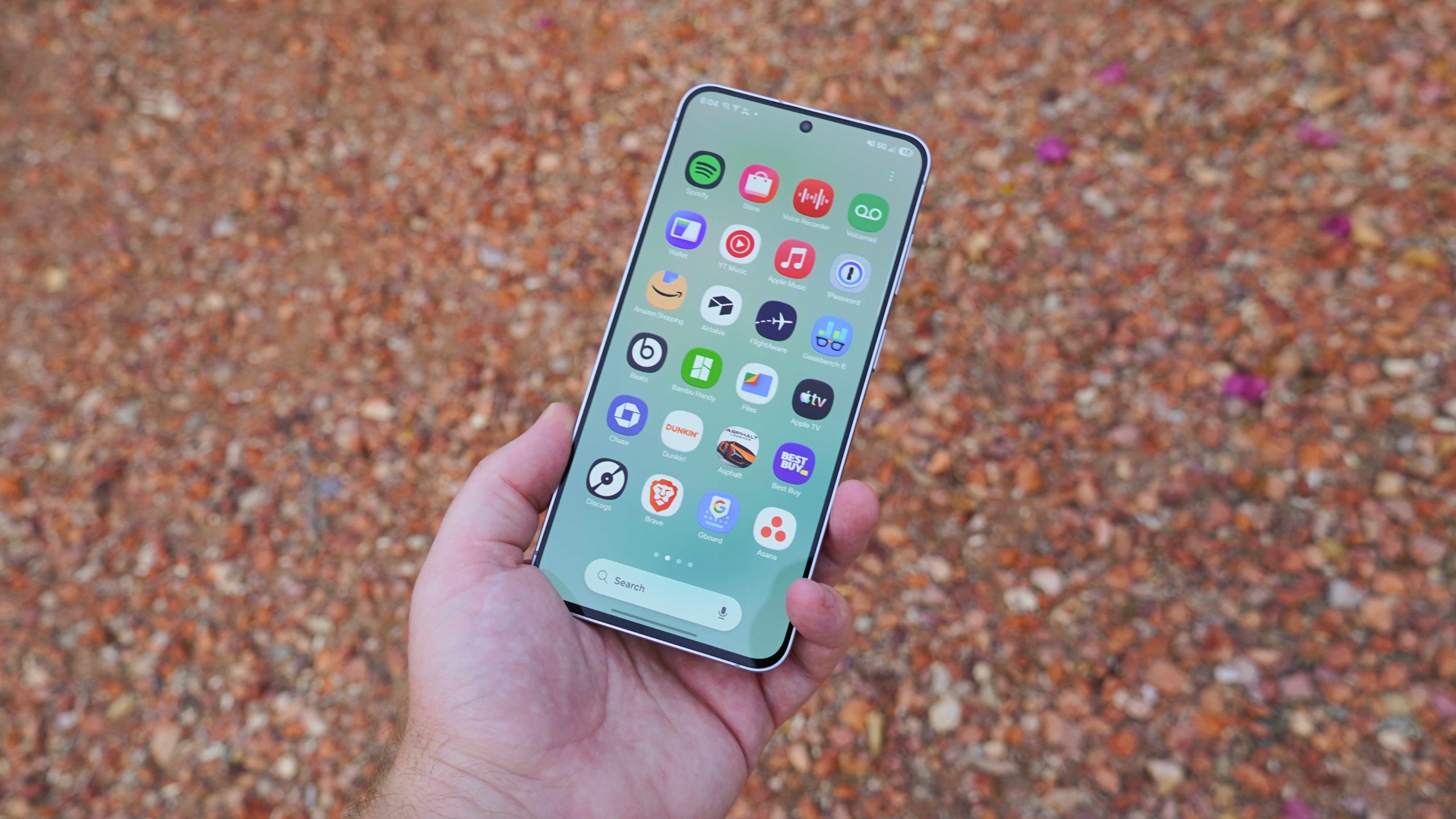
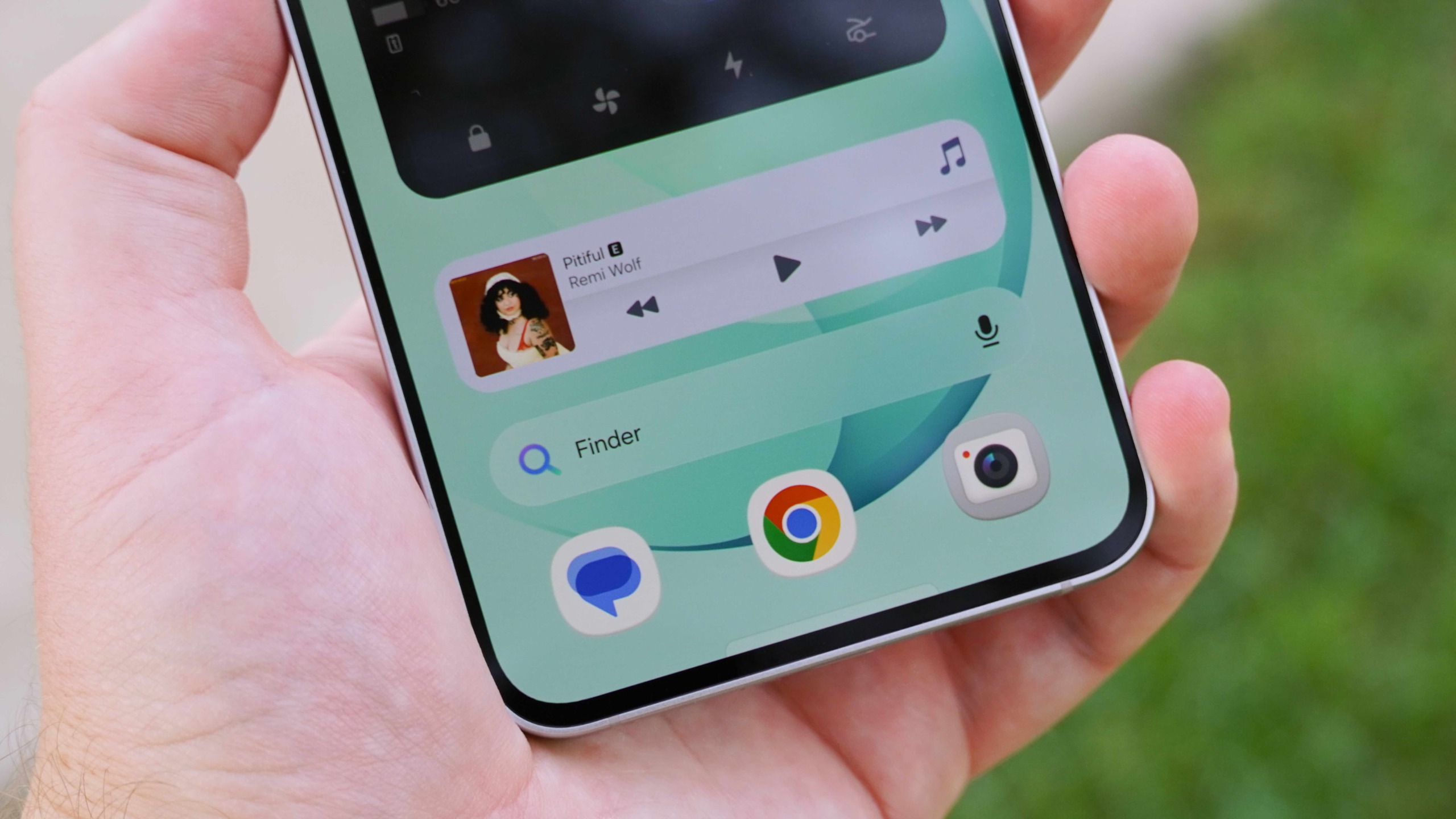
The 6.7-inch AMOLED display matches the screen estate of the Galaxy S26 Plus, albeit capped at a lower 1080p resolution. While the panel is responsive thanks to a smooth 120Hz refresh rate, it introduces notable aesthetic compromises. The bezels are not only thicker than its flagship stablemates, but they are also asymmetrical, featuring a distinct "chin" at the bottom. This uneven framing has long signaled a budget or midrange classification for Samsung hardware, making its persistence disappointing when similarly priced or cheaper alternatives like the Pixel 10a feature uniform bezels.
Furthermore, outdoor visibility is hindered by a peak brightness of 1,900 nits—significantly lower than the 2,600-nit capability of the Galaxy S26 and S26 Plus—and a lack of the advanced anti-reflective coatings increasingly common on modern flagships. Because this is the exact same display panel used on the Galaxy S24 FE and S25 FE generations, owners of those older devices will find little reason to upgrade for the screen alone.
A Fresh Chip, But the Same Slow Charging
Performance represents one of the most compelling aspects of the Galaxy S26 FE. Following a progression that saw the S24 FE adopt an Exynos 2400e and the S25 FE step up to a standard Exynos 2400, this year’s model incorporates the Exynos 2500. Fabricated on an advanced 3nm process—a substantial leap over the 4nm architecture of the previous generation—this mobile processor recently powered high-end foldables like the Galaxy Z Flip 7 worldwide.
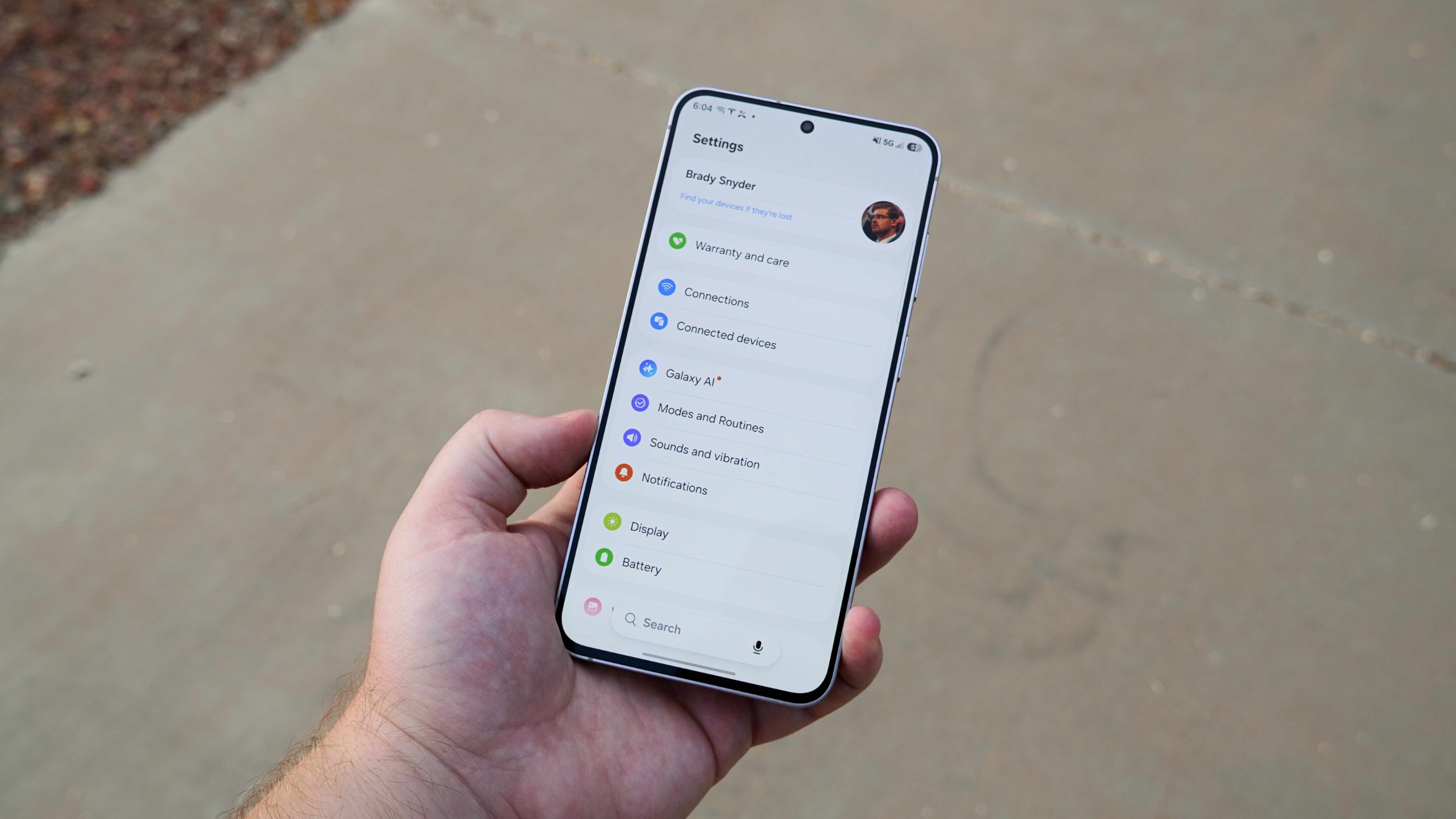
Real-world usage and benchmark metrics demonstrate that Samsung has extracted remarkable performance from the Exynos 2500 inside the S26 FE. Geekbench 6 and 3DMark test results show the device outperforming the Galaxy Z Flip 7 while handily outpacing Google’s Tensor G4-powered Pixel 10a. This processing prowess is particularly impressive given that the phone relies on 8GB of RAM. Running on One UI 9 based on Android 17, and backed by Samsung’s commitment to seven years of full Android OS updates, the hardware is well-equipped to maintain robust performance for years.
Battery endurance is equally dependable. The 4,900mAh battery capacity matches the Galaxy S26 Plus, but the combination of a lower-resolution display and a power-efficient processor helps stretch daily runtime even further. Unfortunately, charging speeds remain a sore point. While 45W wired charging is acceptable, the restriction to 15W wireless charging feels antiquated in an era where faster wireless standards are readily available.
Storage considerations further complicate the buying decision. Starting at 128GB with options to scale up to 256GB or 512GB at purchase, the base capacity feels increasingly restrictive as operating systems and applications expand. Upgrading to higher tiers, however, pushes the midrange device directly into flagship pricing territory.

The Cameras Are Underwhelming for the Price
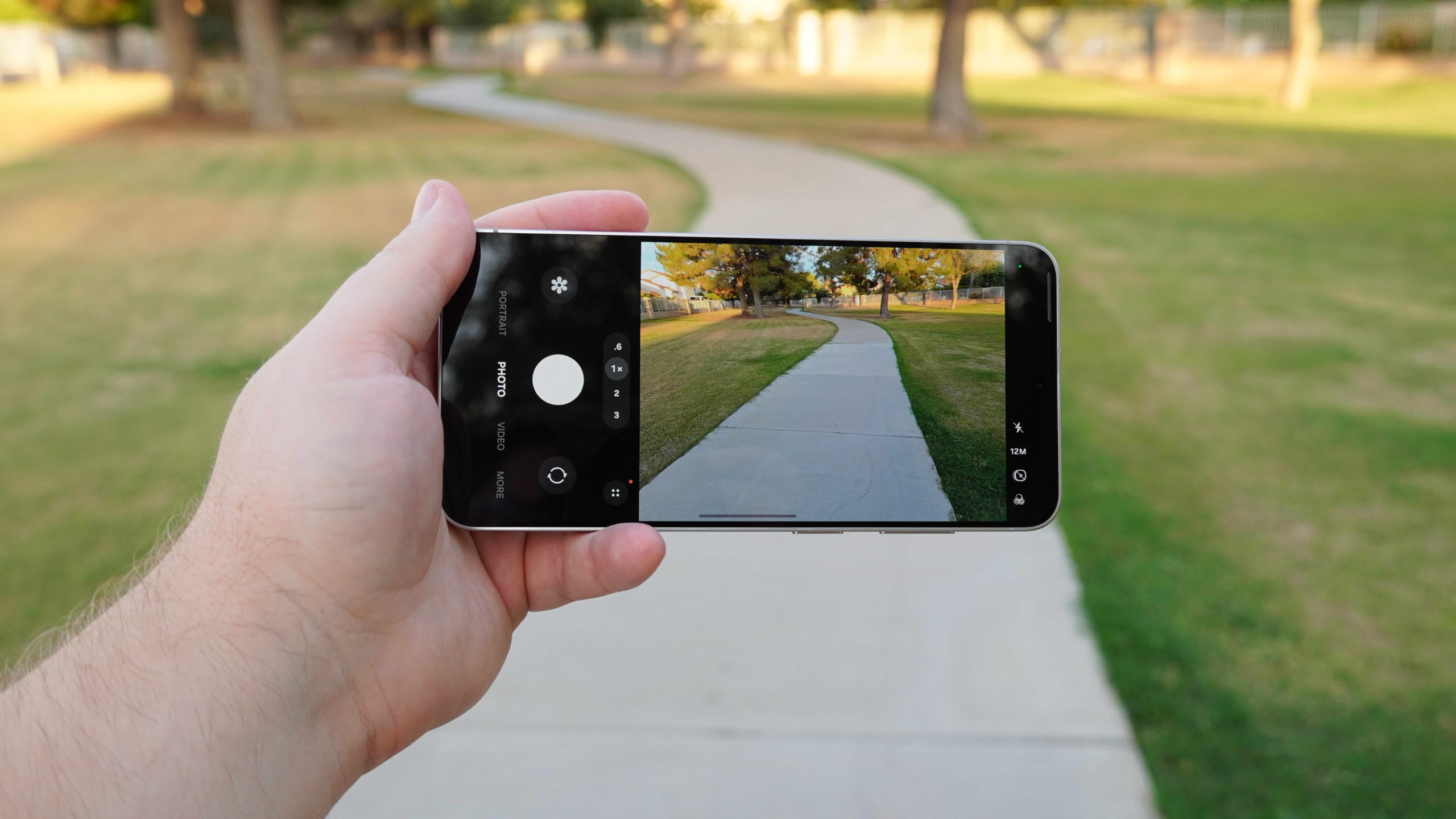
Samsung’s conservative approach to camera hardware updates is evident in the Galaxy S26 FE, which retains the same 50-megapixel primary wide shooter, 8-megapixel telephoto lens, and 12-megapixel ultrawide sensor seen on previous generations. A 12-megapixel front-facing camera handles selfie duties.

The telephoto setup supports 3x optical zoom, with digital zoom providing passable results at extended lengths. The primary 50-megapixel sensor captures admirable levels of detail, and low-light performance is surprisingly strong, managing nighttime shots that rival much more expensive devices.
Daylight photography, however, is a more uneven experience. Color science during daytime shooting often leads to inconsistent exposures where parts of an image are overly bright and saturated while the overall scene remains dim. Outdoor beach scenes, for instance, frequently appear darker in captured photos than they did to the naked eye. While the camera system is far from poor, alternatives like the Pixel 10a and iPhone 17e consistently deliver more balanced and appealing everyday photos.
Should You Buy the Samsung Galaxy S26 FE?
Evaluated purely in isolation, the Samsung Galaxy S26 FE is a highly capable smartphone. It functions smoothly as a daily driver, bringing a large-screen Android experience below the thousand-dollar threshold at a time when industry price hikes have made such devices increasingly expensive.
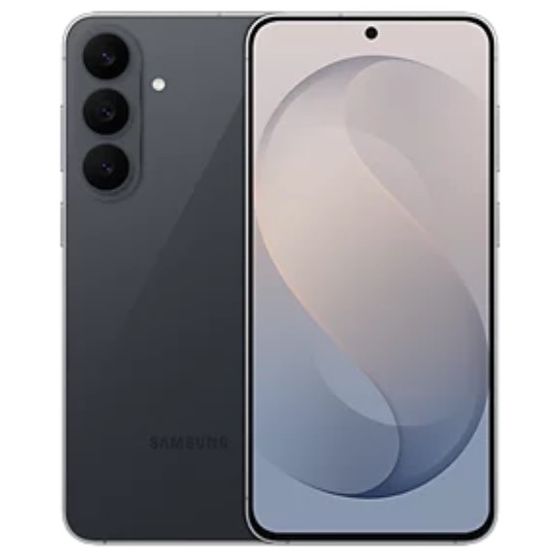
Yet, market realities offer compelling alternatives. Last year’s flagship Galaxy S25 can frequently be found at major retailers for the exact same $700 asking price as the S26 FE. While the older flagship features a smaller screen and battery, it offers superior cameras and processor capabilities. Similarly, Google’s Pixel 10a provides a lower-cost alternative for buyers willing to accept a smaller display, though it has also experienced recent price increases.
For consumers specifically seeking a plus-sized, 6.7-inch Android midranger under $1,000, the Galaxy S26 FE fulfills a distinct niche. Prospective buyers must simply weigh its notable hardware compromises, slower charging speeds, and pricing structure against rival flagships and budget alternatives before making their choice.
Leave a Reply