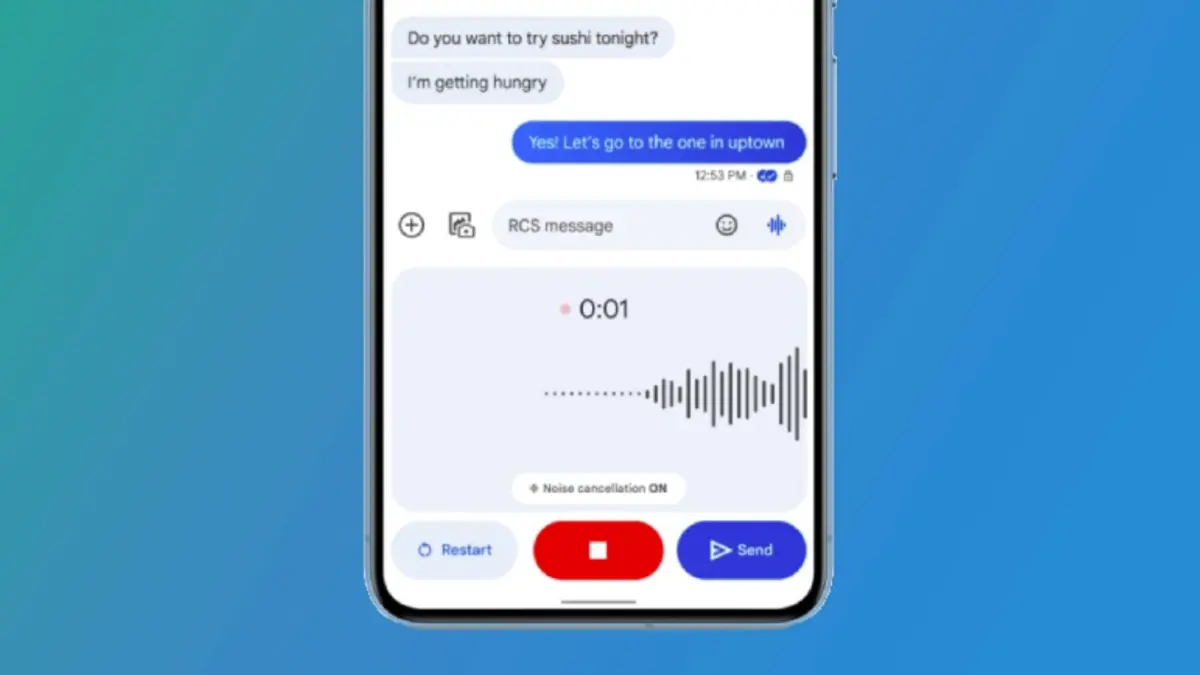
Google Messages is continuously evolving, frequently introducing fresh user interface adjustments, visual tweaks, and functional upgrades to keep pace with modern communication demands. Recent code discoveries suggest that the Mountain View-based tech giant is actively developing a pair of significant quality-of-life improvements aimed directly at two of the most common user frustrations within the messaging platform: restricted voice note playback and tight limits on pinned chats.
For millions of Android users who rely on Google Messages as their primary SMS and RCS client, managing long conversation threads and listening to audio messages can sometimes feel unnecessarily rigid. Fortunately, recent insights uncovered through meticulous APK teardowns of the application’s latest beta builds indicate that meaningful relief is on the horizon. While these features are still in development and have not yet rolled out publicly to all users, the underlying code points to a more flexible, user-friendly messaging experience in the near future.
Addressing Long-Standing Pain Points with Voice Notes
Among the most notable upcoming changes is a major overhaul to how voice notes and audio files behave during playback. Anyone who frequently exchanges audio messages knows the frustration of starting a playback session, only to have the audio abruptly halt the moment they navigate away from that specific conversation thread to check the main chat list or respond to someone else.
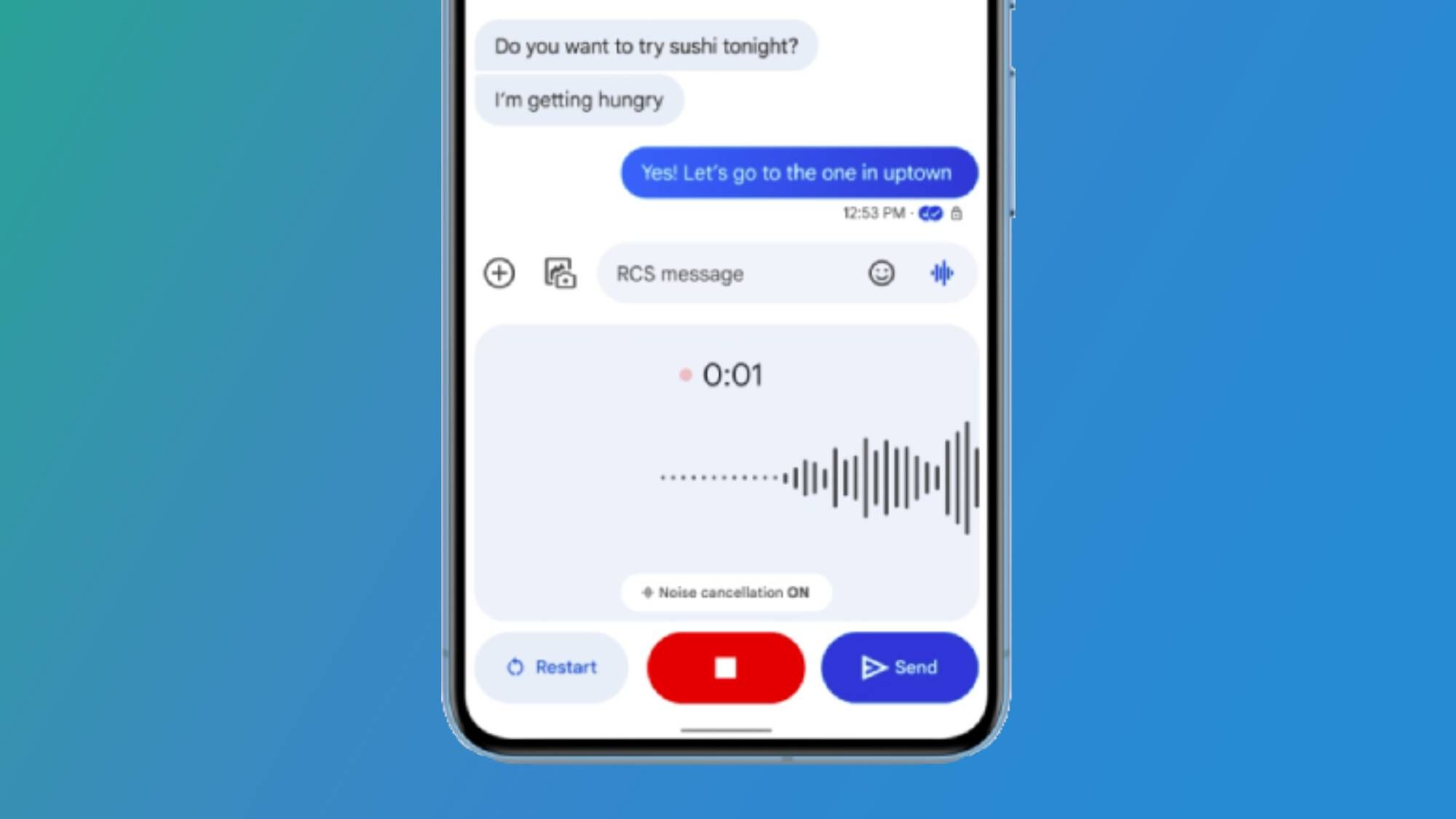
At present, users can continue listening to voice notes if they completely switch away from Google Messages to an entirely different application, but stepping back into the app’s main conversation list kills the audio. According to findings from recent software teardowns, Google is finally preparing to eliminate this frustrating limitation.
Developers examining the app’s code were able to successfully enable a feature that allows audio playback to continue uninterrupted even when a user exits an active chat thread. This change introduces a high degree of multitasking freedom, allowing users to listen to a lengthy voice note from one contact while simultaneously drafting a reply to an urgent message from another individual in a separate conversation. It represents a substantial workflow improvement for heavy users of audio messaging.
In addition to continuous background playback within the app, Google is also working on expanding playback control features directly within the notification center. Future updates may introduce dedicated notification controls featuring pause, play, and forward icons, complete with support for fast-forwarding and rewinding in increments ranging from five to thirty seconds. This means users will no longer need to unlock their devices and dive back into a specific chat just to replay a missed sentence or skip past an awkward pause in an audio file.
On the aesthetic front, the application is also tipped to receive minor visual refinements for its in-chat icons. Developers noted that the current wave-like symbol used for voice notes could soon be replaced by a more standard microphone icon. While the traditional microphone graphic offers intuitive clarity, it remains to be seen whether users might occasionally mistake it for a speech-to-text input function, though the overall layout change is designed to modernize the chat interface.
Lifting Restrictions on Pinned Conversations
Beyond audio message enhancements, Google is also setting its sights on another frequent point of user feedback: the strict limit placed on pinned chats. Keeping track of important friends, family members, and professional contacts is crucial for daily organization, yet Google Messages has long enforced a rigid cap allowing users to pin a maximum of only six conversations to the top of their inbox. For many active communicators, six slots simply do not provide enough room to prioritize essential threads.
Recent deep-dives into the application’s beta code indicate that this constraint could soon become a relic of the past. Strings discovered within the software point toward Google lifting its long-standing pin restrictions while simultaneously reviving an older, more adaptable layout for pinned chats.
Rather than maintaining a single rigid format for all users, the application will reportedly adapt its layout dynamically depending on the number of conversations a user chooses to pin. If an individual keeps six or fewer pinned chats, the interface will continue to display conversations using the modern tile-based design currently familiar to most users. However, if a user decides to pin more than six chats, the application will automatically transition back to an older list-based layout.
Historically, this list-based layout accommodated up to 20 different pinned conversations. While the new code strings do not explicitly confirm whether the maximum limit will return precisely to 20, the revival of the layout strongly implies that the era of the strict six-chat ceiling is drawing to a close.
As with any software feature discovered through deep code analysis, it is important to note that these discoveries are still in development. There remains a possibility that Google could alter its plans or abandon these specific implementations altogether before a public rollout takes place. Nevertheless, if these upgrades successfully transition from the testing phase to the final release channel, they will offer welcome, practical improvements for the broad community of users who depend on Google Messages every day.