
Samsung’s ongoing strategy to streamline its digital ecosystem and consolidate software offerings has claimed another application. The tech giant is currently rolling out in-app alerts to users informing them that Samsung Sound—the dedicated application launched earlier this year to manage the company’s wireless speakers and soundbars—will officially be shut down on March 31, 2027.
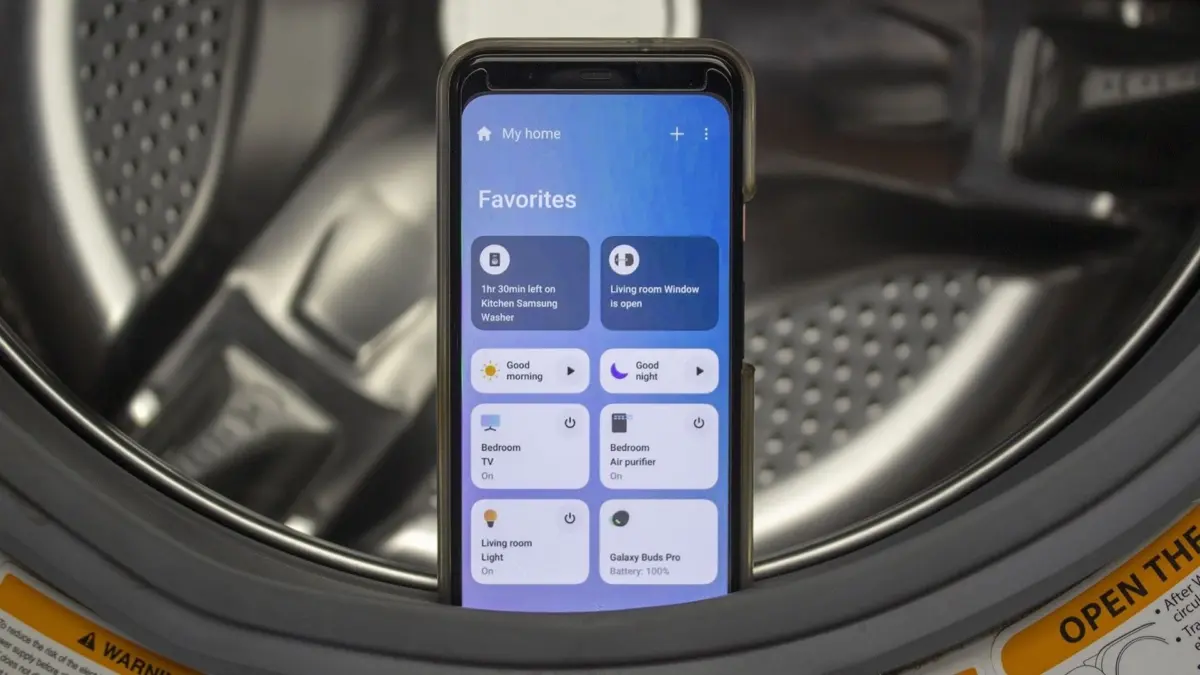
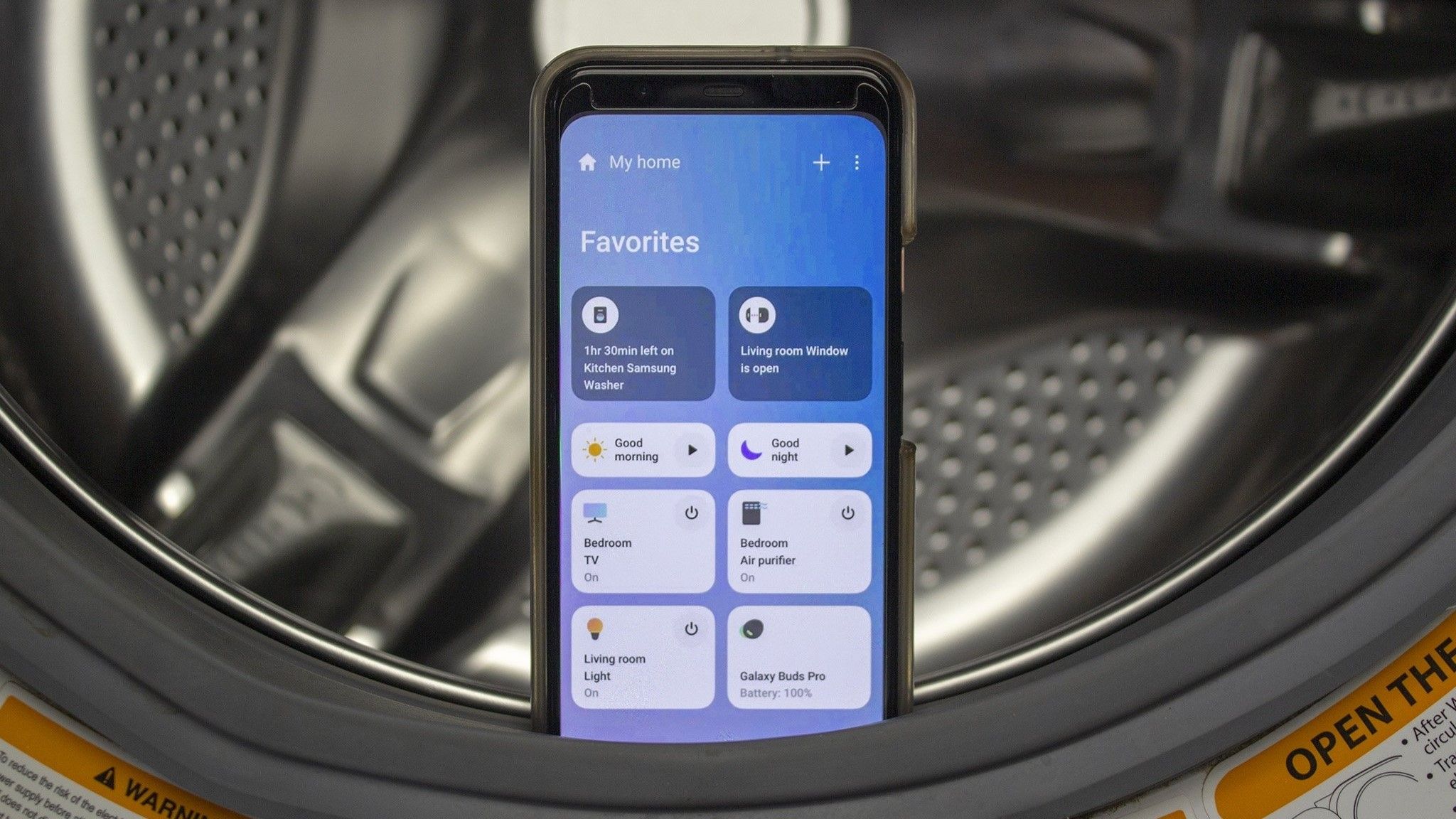
According to notifications appearing within the application, Samsung is retiring the standalone utility to create a more convenient and unified user experience across its device ecosystem. Rather than leaving customers without a control mechanism for their audio hardware, the core functionalities of the Samsung Sound app are being migrated directly into SmartThings. Users are being advised through the warning prompt that they can seamlessly register their sound devices within the SmartThings app to maintain their existing configurations and continue managing their equipment without interruption.
Although the sunset date is still a considerable distance away, giving consumers more than enough time to adapt, the announcement marks yet another chapter in a broader, sustained effort by Samsung to trim its application portfolio and centralize device management. Over the past several months, the company has systematically reviewed its software offerings, phasing out redundant or underutilized apps while migrating essential features to more robust, centralized platforms.
A Growing History of Strategic App Retirements
The impending closure of Samsung Sound is far from an isolated incident. Throughout recent months, Samsung has executed several high-profile app shutdowns as part of what industry observers view as a comprehensive house-cleaning initiative. The company is actively cutting down on operational fat, ensuring that its software engineering resources are concentrated on core platforms that deliver a unified experience rather than fragmenting user attention across dozens of single-purpose applications.
One of the most notable shifts occurred earlier this year in July, when Samsung began sunsetting the traditional Samsung Messages application on newer Galaxy smartphones. While the transition primarily affected devices running newer Android versions—leaving users on Android 11 or earlier unaffected—the company strongly encouraged modern device owners to adopt Google Messages as their default platform for SMS and Rich Communication Services (RCS). Samsung worked to ease the transition by providing clear pathways for users to migrate their messaging data, reflecting a broader philosophy of partnering with industry standards rather than maintaining redundant proprietary services.
The cleanup continued into September when Samsung announced plans to phase out several additional niche applications, including Quick Measure and AR Doodle. At the time of those announcements, Samsung acknowledged the potential inconvenience for loyal users of those tools, but paired the shutdowns with a commitment to return with improved services in the future. This pattern suggests that while specialized tools may disappear in their current form, their underlying capabilities are frequently reimagined, refined, and integrated into broader software suites where they can benefit a larger audience.
The Broader Strategy Behind the Consolidation
For users and industry analysts alike, these sequential shutdowns point to a deliberate shift in how major hardware manufacturers manage software ecosystems. In the early days of the smartphone and smart home booms, companies frequently rushed to develop dedicated, standalone apps for every individual accessory, appliance, or software feature they introduced. Over time, this approach often resulted in fragmented user experiences, where managing a single smart home required navigating a labyrinth of separate applications.
By channeling features from single-purpose tools like Samsung Sound into overarching hubs like SmartThings, Samsung is attempting to reverse that fragmentation. SmartThings has increasingly evolved from a simple smart home automation tool into the central nervous system for Samsung’s entire hardware lineup, spanning televisions, home appliances, mobile devices, and now audio equipment.
While transitioning away from familiar interfaces can occasionally cause friction for longtime users, the long-term benefit of a centralized ecosystem generally outweighs the temporary inconvenience. By providing advance notice—such as the multi-year runway given for the Samsung Sound retirement—the company allows users to adjust their workflows gradually. As Samsung continues to refine its software strategy leading up to the 2027 deadline, further integrations and announcements are expected as the company maps out its unified digital future.


Leave a Reply