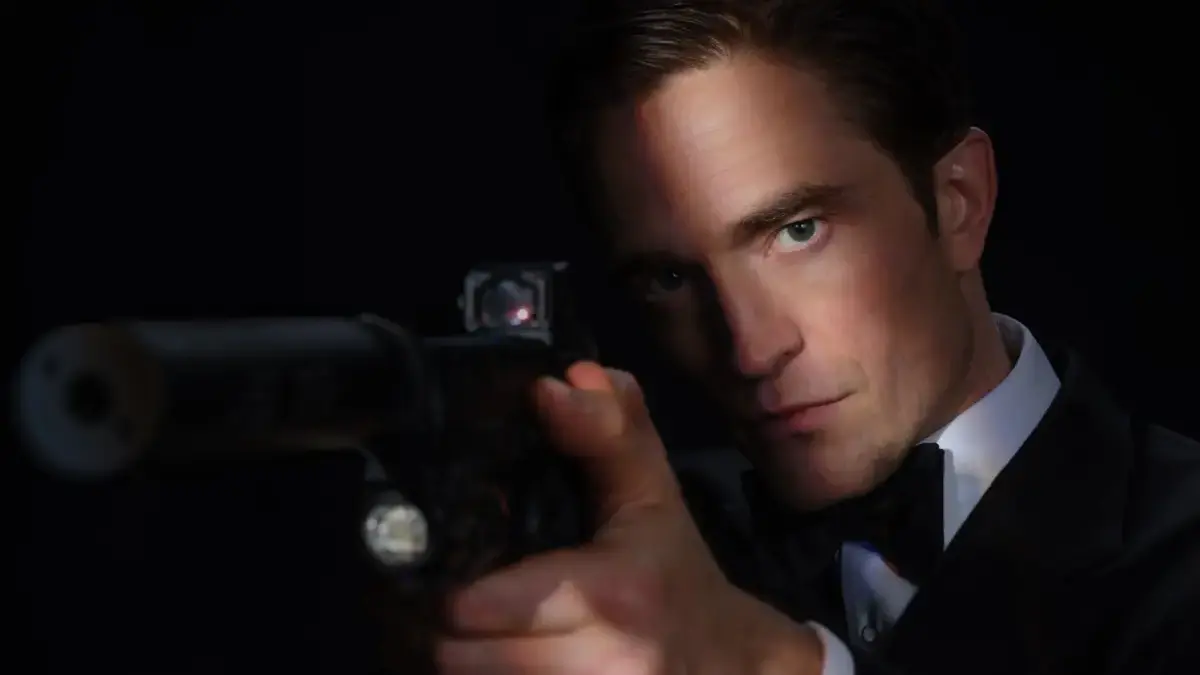
The casting conversation surrounding the next iteration of James Bond has stirred up no shortage of passionate debate across fandoms and film circles. Not everyone is entirely convinced that Robert Pattinson is the correct choice to take up the mantle of 007. Critics of the potential casting choice have raised various objections, ranging from traditionalist arguments that Bond should be portrayed by a relative newcomer—much like the franchise has historically done—to more superficial complaints concerning his perceived masculinity, traditional leading-man aesthetics, or overall on-screen charisma. Most prominently, however, a persistent contingent of skeptics struggles to look past his past, balking at the notion of the actor once widely known as "the Twilight guy" stepping into the sophisticated world of British espionage.
There is, admittedly, a degree of merit to the perspective that James Bond ought to be played by an up-and-coming talent, honoring a long-standing tradition of the franchise—though Amazon, which assumed control of the property in 2025, clearly envisions a different path forward. As for the more cosmetic grievances, those largely fall into the realm of personal taste. Yet, regarding the lingering anxieties tied to his early career in the Twilight franchise, those doubts are entirely relatable.
When Pattinson was officially announced as Bruce Wayne in Matt Reeves’ The Batman back in 2019, the immediate reaction from many quarters was one of profound skepticism. The thought process was familiar and critical: "Oh no, the Twilight guy? How could this actor, who always seemed so remarkably soft, possibly portray the Dark Knight?" At the time, the idea felt thoroughly unappealing to many. However, just a few months after that casting announcement, the release of Robert Eggers’ psychological thriller The Lighthouse completely upended those preconceptions.
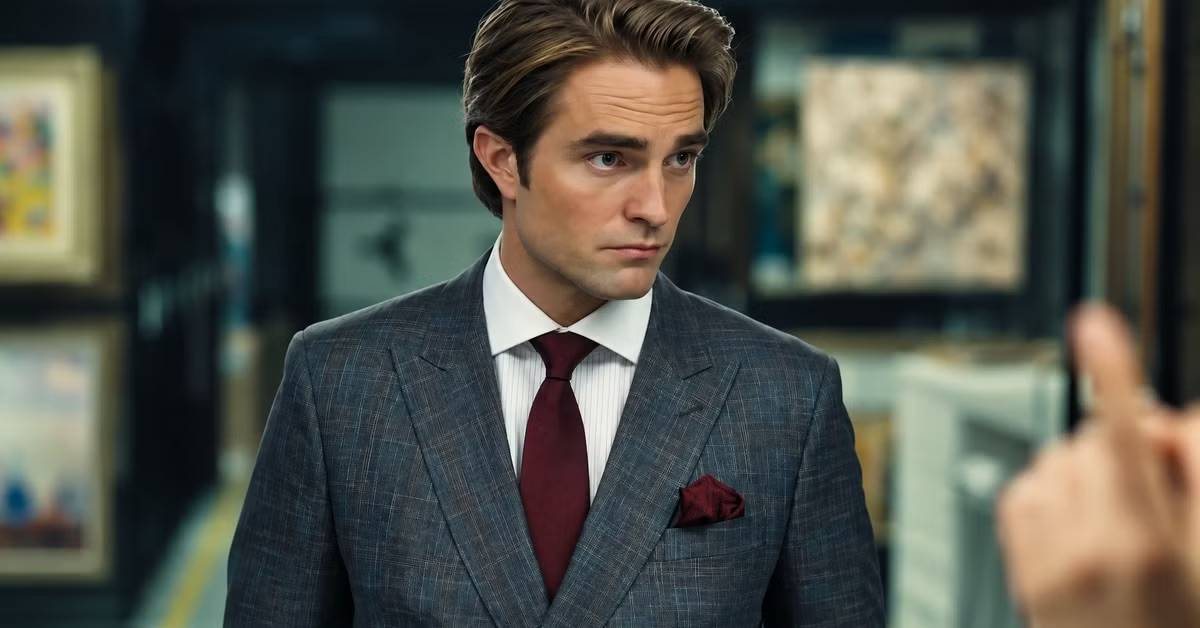
Why The Lighthouse Is So Good
The Lighthouse, which is currently available for streaming on HBO Max, is conventionally categorized as a psychological horror film infused with atmospheric fantasy elements. Yet, for many viewers, the picture plays out far more effectively as a pitch-black comedy. Up until the release of The Lighthouse, many moviegoers had actively avoided Pattinson’s filmography, as his previous high-profile roles simply held no personal appeal. Consequently, it was not Pattinson’s presence that initially drew audiences to theaters.
Part of the primary draw for many was Willem Dafoe, an icon of intense cinematic performances. Another major factor was a perceptive review written by film critic Tim Grierson, who memorably described the movie as "a terrific comedy about having a terrible roommate." For fans of classic comedic dynamics like The Odd Couple who constantly lament the relative scarcity of sharp, character-driven comedies on the big screen, that single description was enough to prompt a ticket purchase.
At its core, The Lighthouse chronicles the grueling existence of two lighthouse keepers grappling with the crushing isolation of their duties, which require them to remain stranded at a desolate station at sea for weeks on end. Dafoe anchors the narrative as a grizzled, grouchy veteran of the sea, while Pattinson serves as his resentful, unseasoned young apprentice. The resulting film plays out as a bizarre, unhinged tragicomedy, featuring heavy drinking, eccentric sea shanties, and a gradual descent into complete psychological unraveling. One character vividly dreams of encounters with a mermaid, the other spends his downtime in frantic isolation, and both men are relentlessly driven toward their absolute breaking points as the narrative progresses.

Why Robert Pattinson Is Perfect for James Bond (and Batman)
To be entirely clear, nothing about Pattinson’s specific character arc in The Lighthouse serves as a direct blueprint for playing Batman. His character is a young man green to the peculiar demands of his trade, burdened by past secrets and a lingering weariness. While he begins the film with a veneer of serious restraint, he spirals into increasingly violent fits of rage as the psychological pressure mounts. While there are faint thematic overlaps with the tortured psyche of Bruce Wayne, the similarities end there.
Rather, the reason The Lighthouse serves as such a compelling proof of concept for Pattinson’s range—and by extension, his readiness for massive cultural monoliths like Batman and James Bond—is the sheer totality with which he vanishes into the skin of the character. Within mere minutes of the film’s opening, any lingering awareness of the actor vanishes, thoroughly dissolving preconceived notions and skepticism. While period-appropriate costuming, a thick mustache, and a gruff 19th-century New England accent certainly assist in the transformation, the achievement runs much deeper.
Robert Pattinson possesses that rare, elusive gift: the ability to completely submerge his own identity into a role, leaving no discernible trace of the celebrity persona behind. While complete immersion is the theoretical goal of every dramatic performance, it remains a rare feat in contemporary cinema. Pattinson achieves precisely that in The Lighthouse, a quality he has consistently demonstrated across a diverse slate of subsequent projects.
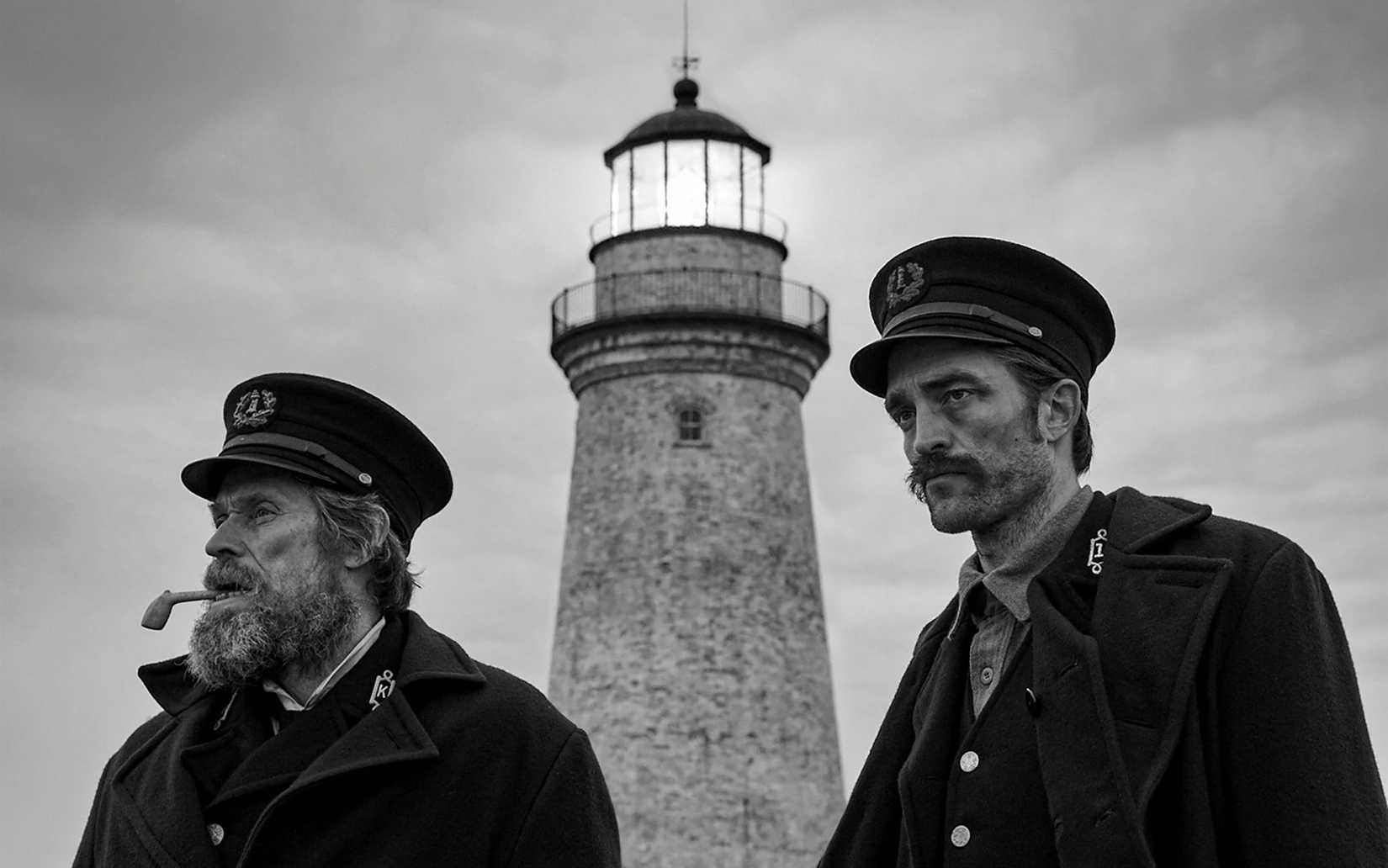
Naturally, with Pattinson currently dominating entertainment headlines, cinephiles are revisiting his extensive filmography. While his work in blockbusters and high-concept features like The Batman, The Odyssey, and Tenet is undeniably impressive, those films are heavily driven by intricate plotting, sprawling narratives, and relentless action set-pieces. In sharp contrast, The Lighthouse presents a stripped-down, bare-bones framework. It offers a rare opportunity to watch two masterful actors trade blows in a pressure cooker environment without the distraction of sprawling special effects or convoluted subplots.
The palpable on-screen chemistry between Pattinson and Dafoe is nothing short of mesmerizing. Their combustible dynamic—alternating between dark humor and vicious hostility—is so compelling that it naturally inspires speculative wish-fulfillment, such as imagining a potential cinematic reunion where Dafoe is cast as a classic, formidable James Bond villain opposite Pattinson’s 007. Dafoe has long possessed the theatrical intensity required to anchor a major spy franchise as an iconic antagonist, and pairing him once again with Pattinson would undoubtedly yield electrifying results.
While such casting crossovers may remain purely speculative at this stage, the broader point stands. For anyone who still reflexively views Pattinson through the narrow lens of his early franchise work, the evidence of his profound versatility is readily accessible. One only needs to watch him wrestle with isolation, madness, and mythical hallucinations to wipe those outdated impressions clean from the slate.
The Lighthouse is currently available to stream on HBO Max.