
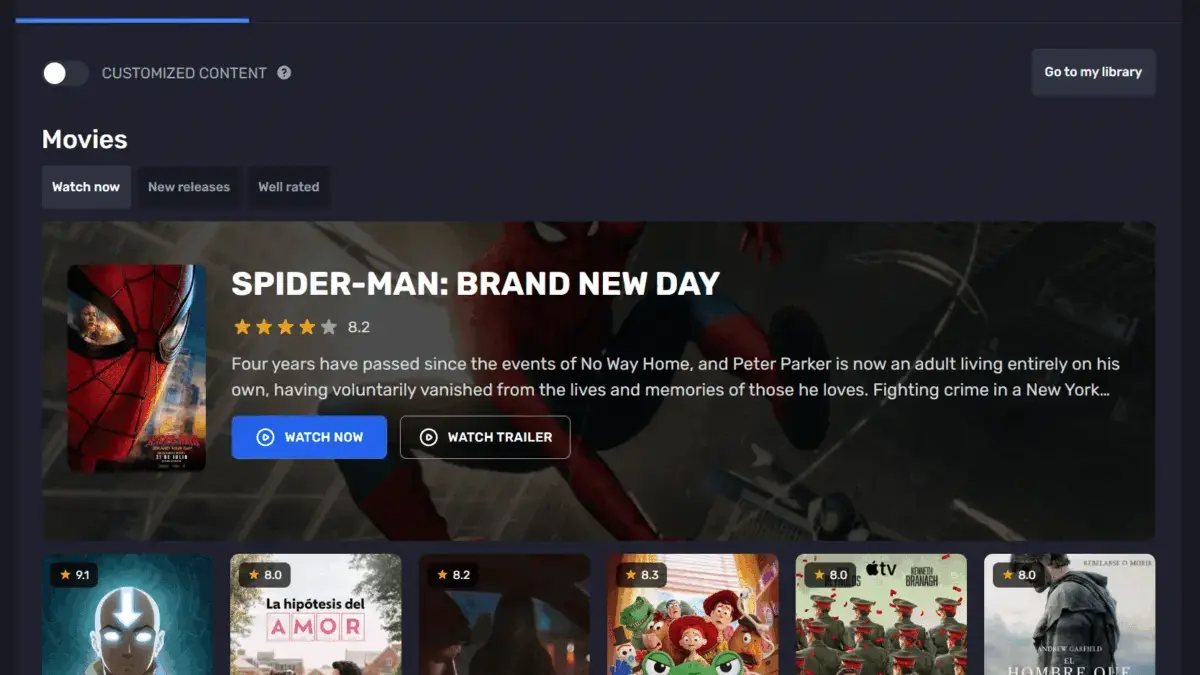
Series.ly, once recognized as one of Spain’s most prominent and heavily trafficked pirate link platforms before dropping its unauthorized links in late 2014, has found itself firmly back in the crosshairs of international copyright enforcement. Despite a change in ownership, a pivot toward a closed community model, and operating under a corporate entity based in the jurisdiction of Nevis, the resurrected domain has faced a severe clampdown orchestrated by Spanish rightsholders, regulatory commissions, national courts, and international domain infrastructure intermediaries.
The modern iteration of Series.ly emerged after the domain was acquired at public auction in 2021 by a completely new team. According to the current operators, this fresh administration shares no corporate or structural ties with the individuals who ran the original platform a decade ago. Operating primarily behind a mandatory login wall, the revamped site steadily recaptured a significant portion of its former audience. In recent months, it attracted nearly two million monthly visits, with an overwhelming 90 percent of its traffic originating from Spain.
However, this renewed visibility did not escape the attention of major entertainment rightsholders and anti-piracy organizations. Determined to curb unauthorized access to protected audiovisual works, the Spanish film and television producers’ collective EGEDA escalated matters in May by filing a formal complaint against the platform. The legal challenge was brought before the Second Section of Spain’s Intellectual Property Commission, an administrative body operating under the umbrella of the Ministry of Culture, which possesses the administrative mandate to target and dismantle online copyright infringement.

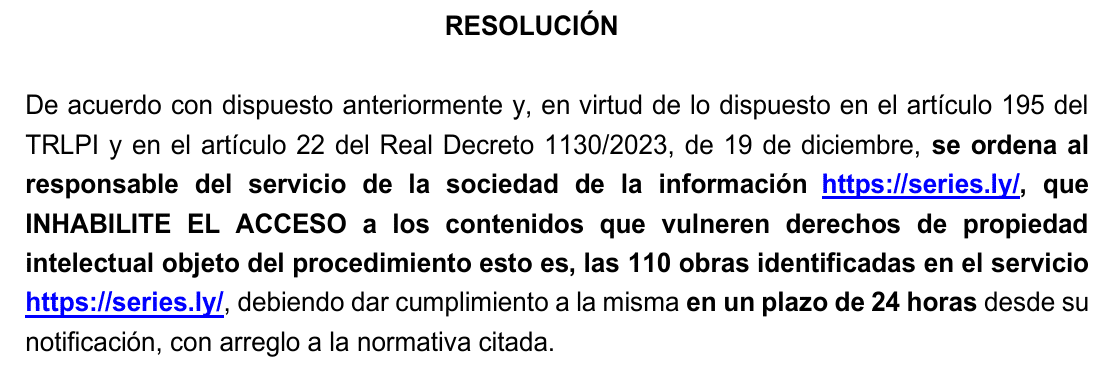
Upon receiving the complaint, an investigator appointed by the Intellectual Property Commission reviewed a representative sample consisting of 42 out of the 110 specific titles cited in EGEDA’s filing. The findings revealed that 35 of those copyrighted titles could be directly streamed or downloaded by users via Series.ly at the time of the inspection. Consequently, the Commission issued a formal notice in July ordering the site to voluntarily remove the infringing material. According to regulatory filings, the operators of Series.ly never acknowledged or responded to the takedown directive.
From Google to a Libyan Registrar
Faced with administrative non-compliance, the Commission took decisive action at the end of July by sanctioning a comprehensive suite of anti-piracy countermeasures directed at third-party internet intermediaries. The wide-ranging resolution mandated that major search engine operators, including Google and Bing, completely delist the Series.ly domain from their search results to prevent discovery. Furthermore, telecommunications internet service providers operating within Spain that possess a market share exceeding one percent were ordered to implement structural DNS blocks against the domain name.
Under the terms of these administrative blocks, internet service providers were instructed to actively redirect curious visitors away from the target URL and toward an official government landing page. This state-managed notice explicitly informs users that the domain has been blocked by the Commission for having illegally facilitated access to content protected by domestic and international intellectual property rights.

The extensive enforcement order also implicated critical internet infrastructure providers, listing major domain name service and security firms such as Cloudflare, along with Ukrainian hosting provider Virtual Systems—whose data centers in Kyiv had notably been struck by Russian missile attacks the preceding month. Crucially, the administrative order targeted Series.ly’s designated domain name registrar, the Libyan Spider Network. These punitive measures were framed broadly enough to apply not only to the active domain name at the time of the ruling, but also to any alternative domains that the operators might subsequently adopt to circumvent the restrictions.
Because administrative commissions in Spain cannot unilaterally execute sweeping domain suspensions without judicial oversight, the resolution required formal court approval before it could be legally enforced. That necessary judicial authorization was granted on September 28 by a judge presiding at the Central Court of First Instance in Madrid. After evaluating the scope of the administrative penalties, the court concluded that the requested measures were entirely proportionate to the scale of the infringement, thereby validating the enforcement action as requested by the rightsholders.
The Libyan Registrar Acts
The judicial sign-off triggered swift action from international intermediaries. Just over a week after the Madrid court handed down its decision, Series.ly unexpectedly lost its domain name when its registrar stepped in to enforce the ruling.
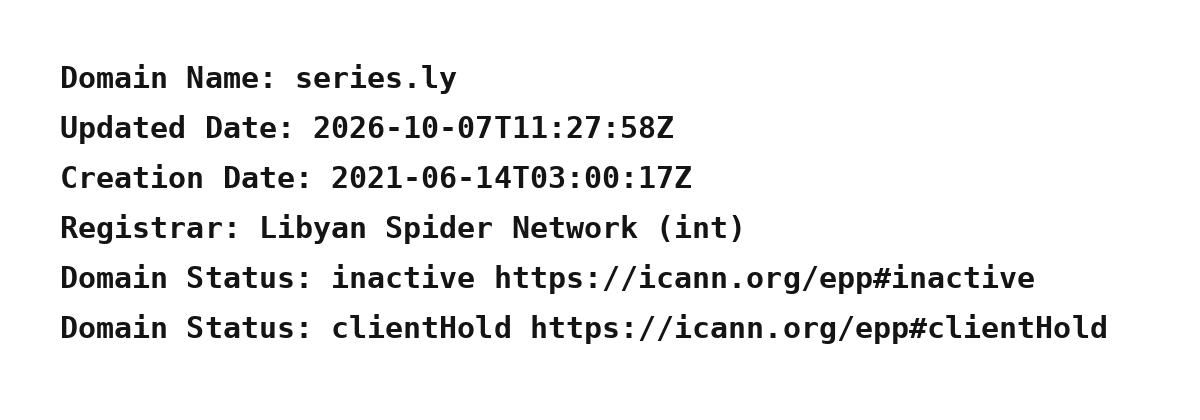
Public WHOIS registry records confirmed that the series.ly domain had been subjected to a "clientHold" status. This specific administrative flag is applied directly by a domain registrar to effectively disable a domain and take it offline. Implementing a clientHold status removes the domain from the authoritative .ly zone file, meaning that domain name servers can no longer resolve the web address, rendering the site completely unreachable via standard web navigation.
While Libyan Spider, the domain registrar in question, declined to issue a formal public statement regarding the suspension, representatives for Series.ly confirmed that they received notice of the action through the third-party auction house that had originally sold them the domain and which acts as an authorized reseller for the Libyan registrar.
"The reason they gave us was a Spanish copyright resolution and a court order authorizing suspension measures against the domain," the Series.ly operator explained in statements translated from Spanish.
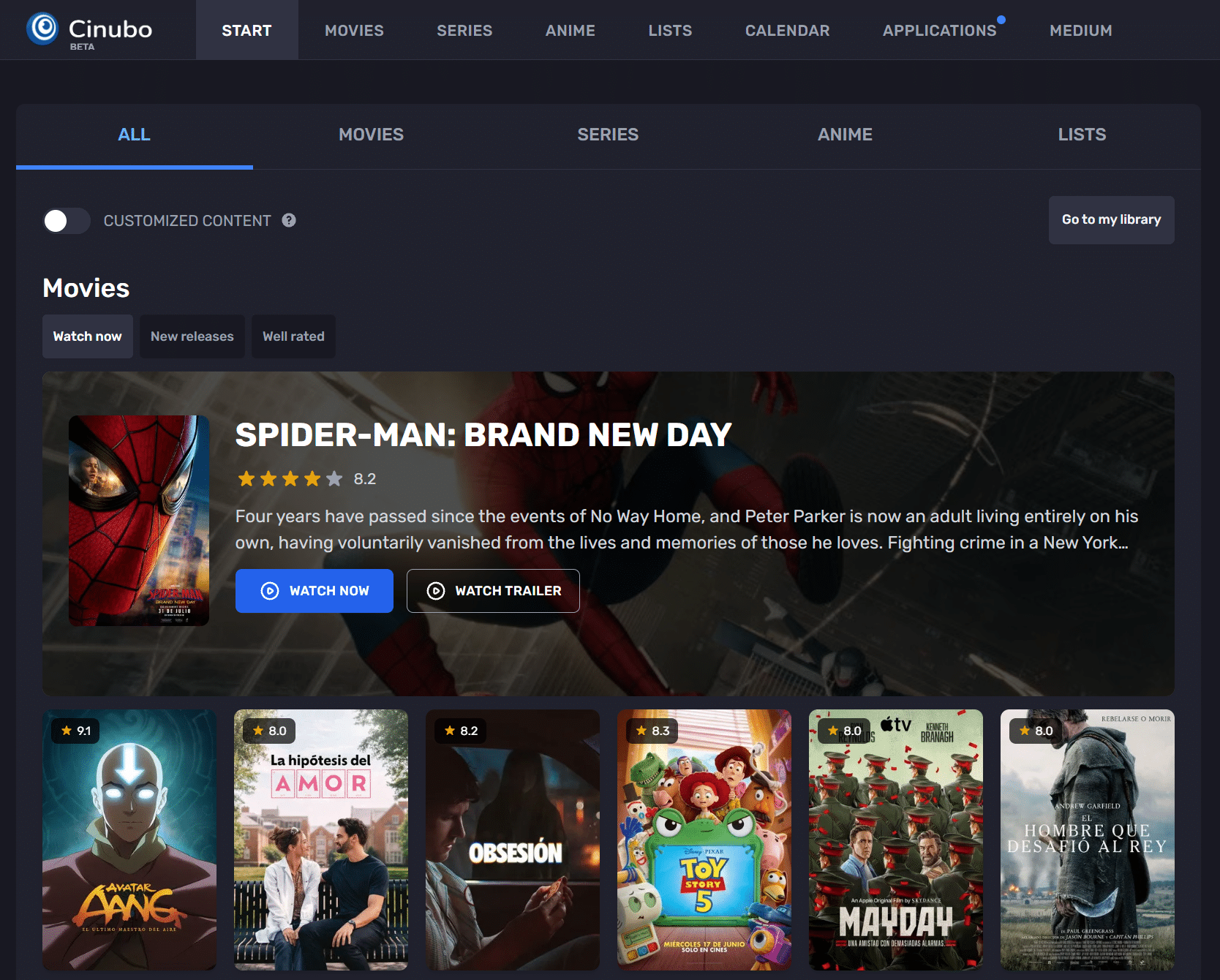
While it remained initially unclear whether all secondary intermediaries named in the multi-pronged order had fully executed their respective blocking directives, the underlying court order remained legally binding. Interestingly, the fallout from the domain suspension prompted immediate contingency measures by the platform’s administrators. Shortly after the series.ly domain went offline, a structurally similar alternative portal operating under the brand name Cinubo emerged on the web. Simultaneously, the community management channels used by Series.ly on messaging platforms Telegram and Discord were promptly rebranded to reflect the new Cinubo identity.
No Plans to Appeal
Discussing the abrupt administrative shutdown, the site operator maintained that they had not received the initial regulatory warnings prior to the enforcement action. They noted that an email communication sent by EGEDA had been directed to an administrative address that they did not regularly monitor, contrasting it with the primary contact address listed openly on their platform.
Defending the operational model of the site, the operator emphasized that Series.ly functioned strictly as a non-profit project that had generated zero revenue since its relaunch in 2021. Furthermore, they pointed out that the platform never hosted any video or media files directly on its own servers. Instead, the links pointing to external media services were contributed entirely by the registered community membership.
"Our position is that complaints about those video files should be directed at the services that host or distribute them," the operator stated. "We think it’s disproportionate that a complaint about content hosted by third parties ends up getting our entire domain suspended, including email and the personal library features."
Despite the severity of the enforcement action, the site’s leadership initially indicated that they had no immediate intention of mounting a formal legal appeal against the Spanish court order. Highlighting that the corporate entity backing the project is legally domiciled in the island jurisdiction of Nevis, the operator questioned the international reach and jurisdictional overreach of Spanish administrative bodies.
"We question whether a procedure handled in Spain justifies suspending our domain worldwide, which also affects email and services that have nothing to do with the works in question," the operator noted.
The legal and technical battle over the platform’s digital footprint proved fluid, however. A few days after the initial takedown, the series.ly domain was unexpectedly restored to the control of its registered owner. The registrar lifted the clientHold suspension after discussions, though the site’s operator acknowledged that the domain could no longer be utilized to share or link to copyright-infringing material.
Reflecting this new operational reality, the revived Series.ly website was updated to serve as a digital archive documenting the history of the domain, permanently abandoning its former role as an active content-linking portal. Official copies of the Intellectual Property Commission’s resolution and the corresponding Madrid court authorization remain accessible through public legal filings, marking another chapter in the ongoing enforcement efforts directed against legacy pirate infrastructure in Europe.


Leave a Reply