Proton AG, the prominent privacy-focused technology company renowned for secure services such as Proton Mail and Proton VPN, has stepped forward to officially host the interactive Flock surveillance camera map. The comprehensive mapping tool was originally built and published by security researcher Joshua Michael after an unauthenticated vulnerability exposed the exact geographic coordinates of more than 335,000 Flock automated license plate reading cameras nationwide.
The decision by Proton to host the resource provides a robust lifeline for the project, which has faced mounting pressure from the private surveillance firm. The original Flock Surveillance Map has encountered intense scrutiny, and its creator recently received a formal cease-and-desist letter from the company demanding the immediate takedown of the data. Furthermore, access to Michael’s original website hosting the map has been heavily restricted, remaining accessible solely from within the United States. International users attempting to view the geographic distribution of the surveillance equipment from abroad have found themselves blocked, forcing them to rely on virtual private networks to bypass the geographic restrictions.
In stark contrast, Proton’s newly hosted version of the Flock camera map is easily and openly accessible to users worldwide. Headquartered in Switzerland—a jurisdiction globally recognized for its stringent data privacy laws and neutrality—Proton offers a secure legal harbor that significantly complicates any prospective efforts by the surveillance company to initiate international legal action or force a swift removal of the controversial map.
The move to safeguard and host Michael’s investigative research aligns closely with Proton’s long-standing corporate ethos, which centers heavily on digital privacy, transparency, and the protection of civil liberties against unchecked digital tracking. By making the map universally accessible from its Swiss infrastructure, Proton ensures that the public, journalists, and researchers around the world can continue to examine the rapid proliferation of automated surveillance technology within their communities without facing arbitrary regional blocks or immediate corporate suppression.
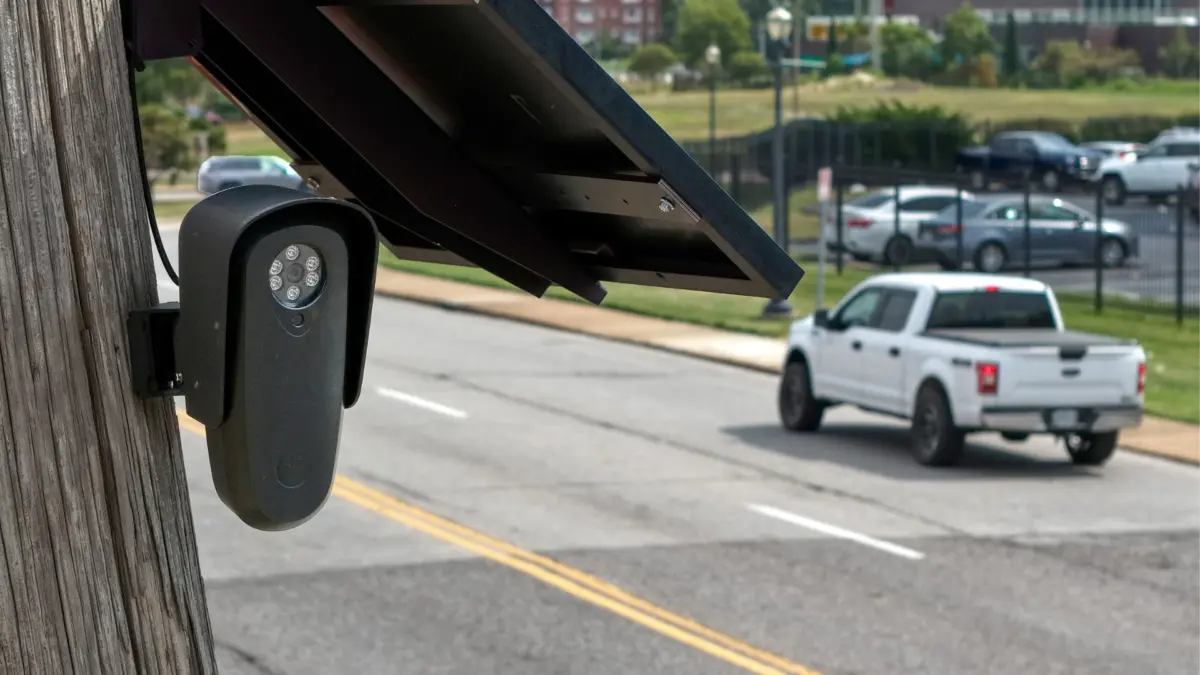
The underlying controversy began when security researcher Joshua Michael uncovered a critical unauthenticated security flaw in Flock’s systems. This vulnerability exposed a staggering 335,701 camera locations spread across the United States, revealing the vast scale of municipal and private surveillance networks operating in neighborhoods nationwide. Automated license plate readers manufactured by companies like Flock are designed to capture, record, and store the travel patterns of everyday drivers, raising significant privacy concerns among civil rights advocates regarding mass tracking and data retention practices.
Following the discovery and the subsequent creation of the interactive map visualizing these camera locations, Flock reacted aggressively to suppress the public dissemination of the data. Rather than addressing the underlying security lapse that exposed hundreds of thousands of sensitive geographic points, the company targeted the researcher himself, issuing legal threats and a formal cease-and-desist letter aimed at scrubbing the map from the public domain. These legal maneuvers succeeded in limiting direct domestic access and creating formidable hurdles for the independent researcher, who suddenly found himself locked in a high-stakes battle over transparency and digital accountability.
Proton’s intervention changes the dynamic of the standoff by leveraging its considerable infrastructure and jurisdictional advantages to keep the information alive and visible. As privacy advocates and security researchers continue to grapple with the expansion of municipal and private surveillance networks, the availability of the map on Proton’s platform ensures that public discourse regarding the scale and impact of automated license plate readers remains fully informed by verifiable geographic data.