

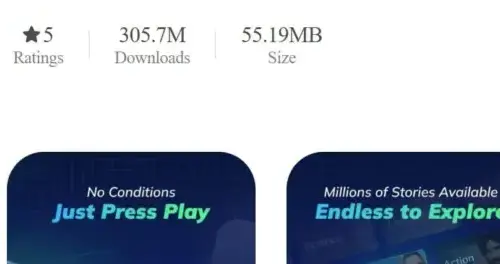
The controversial pirate streaming application MovieBox has crossed a staggering milestone, racking up more than 305 million downloads from the Palm Store, the proprietary app marketplace preinstalled on millions of mobile devices manufactured by Transsion. This massive proliferation has ignited a fierce international backlash, placing the application firmly in the crosshairs of major global rightsholders who have officially flagged the operation to the European Commission. The escalating dispute highlights the growing friction between mobile device ecosystems in emerging markets and the entertainment industry’s ongoing battle against digital copyright infringement.
The application’s footprint has long been a thorn in the side of intellectual property defenders. Last year, copyright enforcement authorities in Nigeria celebrated the temporary suspension of MovieBox.ng, a pirate streaming website associated with the brand that was pulling in tens of millions of monthly visits. However, the operators behind the service proved resilient. As reporting revealed at the time, the platform swiftly migrated to a new domain to evade enforcement, while its dedicated Android application remained widely distributed and easily accessible to millions of smartphone users across the developing world.
Now, the controversy has expanded well beyond African regulatory bodies and entered the halls of power in Brussels. In formal submissions prepared for the European Commission’s upcoming 2027 Counterfeit and Piracy Watch List, major entertainment sector heavyweights—including the Motion Picture Association (MPA) and French pay-TV titan Canal+—have detailed the massive scale of MovieBox. Both organizations have identified the application as a premier example of large-scale, organized digital piracy operating in plain sight through mainstream distribution channels.
From 243 to 305 Million
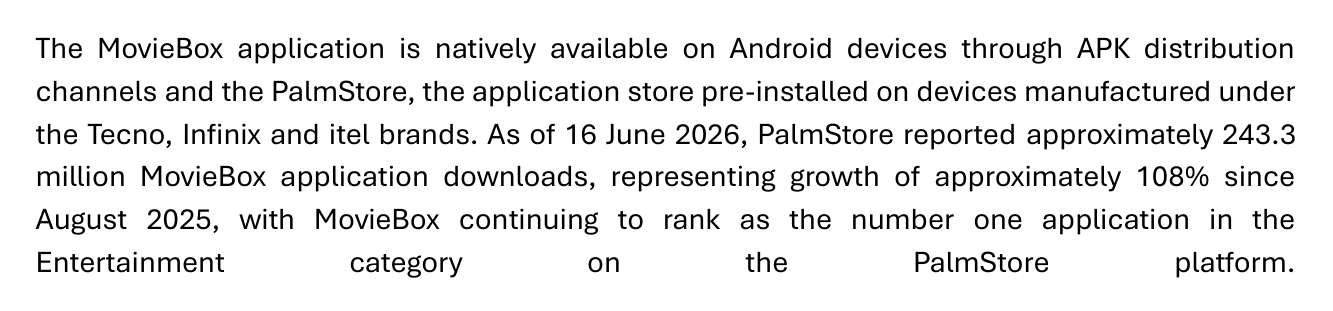
At the heart of both rightsholders’ complaints is the primary distribution channel responsible for the application’s meteoric growth. In its extensive overview of illicit mobile applications, the MPA notes that MovieBox had already amassed over 243 million downloads exclusively from the Palm Store.

The Palm Store is far from a neutral, independent third-party app marketplace. It serves as the default app distribution platform preinstalled on mobile phones produced by Tecno, Infinix, and itel. These consumer brands all operate under the umbrella of Transsion, a major Chinese smartphone manufacturer that dominated the African mobile market in 2024, capturing an impressive 61.5 percent of all mobile phone sales across the continent, according to the company’s own corporate filings.
Canal+ provides an even more granular look at the application’s trajectory in its submission to European regulators. The French broadcaster details how MovieBox successfully transitioned to a new web address following the 2025 legal enforcement actions against its previous domain. Despite regulatory crackdowns and domain seizures, the application continued its aggressive expansion, effectively doubling its download figures in less than a year.
Data cited in the Canal+ submission points to explosive growth driven entirely by its native presence on Transsion-manufactured hardware. As of mid-June 2026, internal Palm Store tracking metrics reported approximately 243.3 million downloads of the MovieBox application. This figure represented a staggering growth rate of approximately 108 percent compared to figures recorded in August of the previous year. Throughout this period, MovieBox consistently maintained its position as the number one application within the Entertainment category on the Palm Store platform.
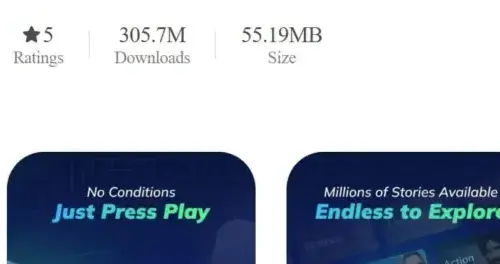
Yet, even those substantial figures quickly became outdated as the service continued to expand. By the time rightsholders finalized their assessments, Palm Store listings for the application indicated that total downloads had climbed past 305.6 million, representing an additional surge of more than 60 million installs in a matter of months.

The public-facing profile of MovieBox leaves little room for ambiguity regarding its core offerings. Its official store listing openly promotes unauthorized access to movies, television series, and premium live sports broadcasts. Promotional descriptions explicitly invite users to enjoy free access to live sports streams directly within the application, highlighting coverage of Europe’s top five premier football leagues. Furthermore, the application’s promotional artwork prominently features copyrighted intellectual property, utilizing recognizable branding and category markers associated with major Hollywood studios like Marvel and Disney.
Transsion’s Own App Store
Understanding the reach of MovieBox requires examining the commercial structure of the Palm Store itself. Rather than functioning as an open, decentralized web repository, the marketplace is closely integrated with the hardware ecosystem of its parent company. In a draft prospectus filed for a planned public listing in Hong Kong, Transsion explicitly describes the Palm Store as its proprietary app distribution platform. During the preceding year, the platform boasted an average of more than 180 million monthly active users.
The corporate prospectus also sheds light on the economic model driving these proprietary app stores. Transsion notes that its platform typically monetizes distribution by charging third-party software developers based on the total volume of installations processed through its infrastructure. Whether this performance-based monetization model directly applies to the massive distribution numbers generated by MovieBox remains unconfirmed by public financial disclosures.
‘Closely Linked’
While simply hosting an application within a digital storefront does not inherently implicate a platform operator in the illegal activities of a third-party developer, legal submissions from Canal+ argue that the relationship between MovieBox and the corporate ecosystem of its distributor runs significantly deeper.
According to Canal+’s regulatory filing, MovieBox is deeply intertwined with the broader Transsion and Transsnet ecosystem. Historical domain registration records analyzed by investigators allegedly uncovered registration details tied directly to Transsion for the initial moviebox.ng web property. Furthermore, technical security and forensic analyses of the Android application package revealed digital certificates signed under the Transsion name, alongside embedded references to infrastructure and backend services owned by the smartphone manufacturer.
While the submission does not explicitly accuse Transsion of directly owning or operating the MovieBox service, it points to a web of shared technical identifiers. Canal+ additionally highlights Excellent Innovation Limited, a Hong Kong-registered corporate entity that investigators link to MovieBox through overlapping domain registrations, SSL certificate allocations, developer attributions, and local trademark filings. Notably, the Palm Store listing itself officially attributes the development and publishing of the application to this same Hong Kong-based entity.
The MPA takes a slightly different analytical approach in its separate submission to the European Commission. While concurring on the immense scale of the piracy operation, the Hollywood-backed film association does not name Transsion directly. Instead, its dossier limits its structural assessment to the observation that MovieBox is widely understood to be operated primarily out of China.
Beyond its role as a rightsholder advocating for stronger intellectual property enforcement in Europe, Canal+ maintains a direct commercial stake in the geographic markets most heavily affected by the application’s distribution. The French media group holds ownership interests in MultiChoice, the major pay-TV provider responsible for operating the DStv service across overlapping African territories where Transsion devices dominate consumer adoption.

Despite the serious allegations leveled in the regulatory filings, neither submission indicates whether formal requests have been issued directly to Palm Store operators or Transsion executives demanding the removal of the infringing software prior to the Commission’s review.
As the consultation process moves forward, targeted service providers will be granted an opportunity to present their perspectives. Under standard procedures governing the creation of the EU Counterfeit and Piracy Watch List, the European Commission is committed to making reasonable efforts to contact the specific service providers cited in regulatory submissions, inviting them to submit formal written responses addressing the allegations made against them.
The finalized watch list is anticipated for publication in the spring of next year. European regulators have repeatedly emphasized that inclusion on the watch list does not constitute a formal legal finding of wrongdoing or an official confirmation of statutory violations under European law. Rather, the initiative is designed as a diplomatic and regulatory tool intended to encourage platform operators, technology companies, and national governments to voluntarily take proactive measures against large-scale intellectual property infringement.
Representatives for both MovieBox and Transsion were contacted for comment regarding the contents of the regulatory submissions, but no responses were received prior to publication.
Leave a Reply