The unexpected shutdown of the Funimation streaming service in April 2024 sent ripples through the global anime community, creating a cascade of digital ownership headaches that are now formally echoing inside the United States Copyright Office. When Funimation officially closed its dedicated app and website as part of its structural absorption into Crunchyroll, a significant consequence emerged that caught many consumers off guard: buyers of physical DVDs and Blu-ray discs who had previously relied on bundled digital copies abruptly lost access to those files.
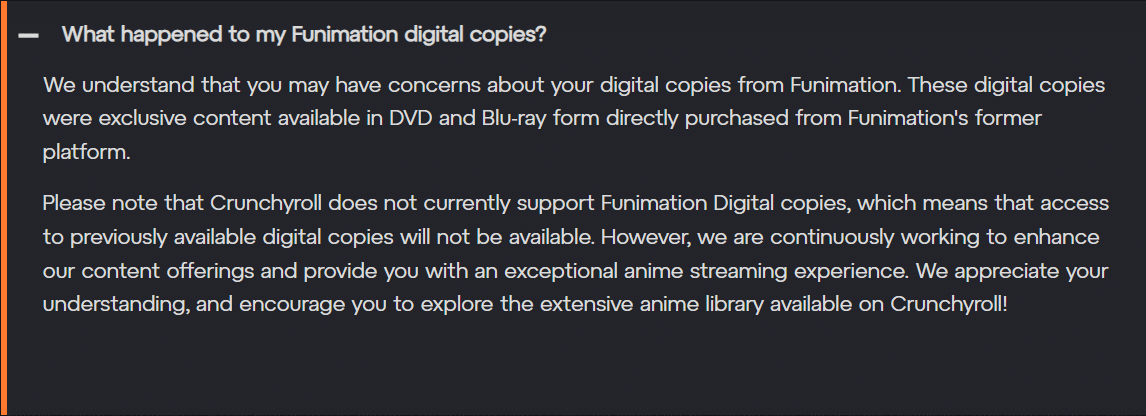
While the physical discs themselves remained in the possession of consumers, the digital entitlements tied to them evaporated overnight. This development was met with widespread frustration across online communities like Reddit and fan forums, highlighting the fragile nature of digital rights management and cloud-dependent media access. Today, the support documentation provided by Crunchyroll maintains that the platform does not currently support these legacy Funimation digital copies, instead directing affected users toward the alternative subscription-based streaming libraries that Crunchyroll itself provides.
In theory, the films and television shows remain permanently etched onto the physical media sitting on consumers’ shelves. Under ordinary circumstances, American buyers could look toward making their own digital replacement copies to secure their media locally. However, attempting to do so under current United States law remains a federal violation. The Digital Millennium Copyright Act, specifically its contentious anti-circumvention provision codified under Section 1201 of Title 17 of the United States Code, strictly prohibits bypassing the cryptographic access controls and encryption baked into commercial DVDs and Blu-rays. Unless a specific, legally recognized exemption applies, the act of ripping one’s own purchased media constitutes a legal offense.
To address this recurring friction between modern digital distribution models and physical ownership rights, the U.S. Copyright Office is once again reviewing potential exemptions to Section 1201. Operating on its standard triennial review cycle, the agency opened ten proposed classes of exemptions for public comment following an extensive rulemaking notice. Among the various proposals submitted for evaluation, two distinct petitions focus heavily on works where digital access has been abruptly terminated or restricted, with one of the filings explicitly centering on the fallout from the Funimation shutdown.

Petitions Seek New Disc Ripping Exemption
The first of these petitions was submitted by Jayden Milne, who is formally asking the Copyright Office to carve out a targeted exemption. This proposal would allow legal owners of DVDs, Blu-ray discs, and Ultra HD Blu-ray discs to create a single secured, local backup copy for strictly personal use, specifically in scenarios where the digital copy that was originally promised on the product packaging is no longer accessible.
Milne’s petition is structured to encompass two distinct problem areas that plague physical media collectors. The first situation covers consumers who successfully redeemed a digital copy prior to the shutdown of the underlying service infrastructure—a direct mirror of what transpired when Funimation dissolved its standalone digital ecosystem. The second situation addresses the plight of consumers who purchase brand-new, shrink-wrapped discs only to discover that the bundled digital redemption code has already expired.
According to documentation cited within the petitioning process, major studios such as Warner Bros. enforce digital code expiration policies that are tethered to a title’s initial release date rather than the actual date of purchase by the consumer. Furthermore, these expired codes are routinely refused replacement. Consequently, a collector purchasing a classic physical title years after its initial theatrical or home video release frequently finds that the accompanying digital voucher is entirely dead on arrival.
Through the proposed rule change, Milne seeks to empower physical media owners to bypass disc encryption to rip a replacement file from their legally acquired discs, albeit under a framework of strict limiting conditions. Under the parameters of the petition, the resulting digital replacement could not exceed the quality of what was originally promised or provided. If a product box advertised a standard high-definition digital copy, the owner would be legally barred from ripping an uncompressed or 4K version under the shelter of the exemption. Furthermore, any locally created copy would be restricted to personal, non-commercial use and would carry a mandatory destruction clause requiring the user to permanently delete the file if the physical disc is sold, gifted, or permanently lost.
Disappearing Anime Streams
A second, complementary petition submitted by Zakaria Zerhouane expands the conversation by focusing more broadly on the volatile landscape of anime distribution. Zerhouane’s filing addresses both television series and feature films that have been systematically purged from authorized United States streaming platforms following the expiration of licensing agreements, alongside physical anime media released by historical U.S. distributors that have long since ceased operations.
While Zerhouane’s petition does not specifically name Funimation, it explicitly highlights a roster of defunct or absorbed distributors that once formed the backbone of the domestic anime market, including ADV Films, Bandai Entertainment, Central Park Media, and Geneon.
The scope of Zerhouane’s request goes beyond merely bypassing the optical encryption found on physical discs. The petition also asks the Copyright Office to authorize the legal circumvention of digital rights management protocols, geo-locking restrictions, and session-based access controls utilized by modern streaming platforms. The filing argues that such broad legal relief is necessary because the contemporary anime licensing ecosystem has grown increasingly unstable and fragmented.
In support of the petition, Zerhouane notes that commercial streaming platforms rarely, if ever, provide advance warnings or removal notices to subscribers. This lack of transparency routinely prevents users from finishing serialized stories or preserving culturally significant works before they vanish entirely from the digital landscape.
Furthermore, the petition points out that the aggressive consolidation of the American anime market under a single dominant corporate entity has exacerbated catalog volatility, making previously available shows entirely inaccessible through mainstream channels. Although the filing does not explicitly name the corporation, the descriptive context aligns directly with Sony-owned Crunchyroll.
Despite their expansive scope, neither petition seeks a blank check for widespread media copying. Zerhouane’s requested exemptions are narrowly tailored to the anime medium, while Milne’s petition is strictly limited to physical discs that were originally sold bundled with a digital copy. Both proposals maintain an explicit boundary restricting any authorized circumvention to personal, non-commercial use cases.
Rightsholders Respond in February
The U.S. Copyright Office has grouped these newly filed anime and digital copy requests alongside four other distinct replacement-focused petitions currently under consideration. These separate proposals seek broader allowances for personal media archiving, such as creating preventative backups of aging physical discs before disc rot sets in, and securing permissions to format-shift media as legacy playback hardware inevitably becomes obsolete in the consumer market. These concerns grow increasingly urgent with each passing year as older optical formats degrade and specialized playback devices disappear from retail shelves.
In its administrative notices, the Copyright Office has pointed out that the Register of Copyrights has historically declined to recommend broad format-shifting exemptions during previous triennial reviews. This precedent suggests that while the petitions have secured a place on the official agenda, obtaining formal approval remains an uncertain prospect.

Before reaching a determination, the federal agency is soliciting detailed commentary from all affected stakeholders, including rightsholders, consumer advocates, and legal scholars. The Office is actively seeking information regarding the specific technical copy protections involved, whether the contested titles remain available to consumers through alternative legal viewing avenues, and a detailed legal defense explaining why permitting these personal backups would not cause copyright infringement. Additionally, the agency aims to evaluate whether granting the exemptions would inflict measurable economic harm on media sales and licensing revenues.
Supporters and interested members of the public have been given until December to submit their initial comments to the agency. Following this phase, rightsholders and opponents of the proposed exemptions will have until February to file their formal objections, setting the stage for public hearings to be held in Washington later in the spring.