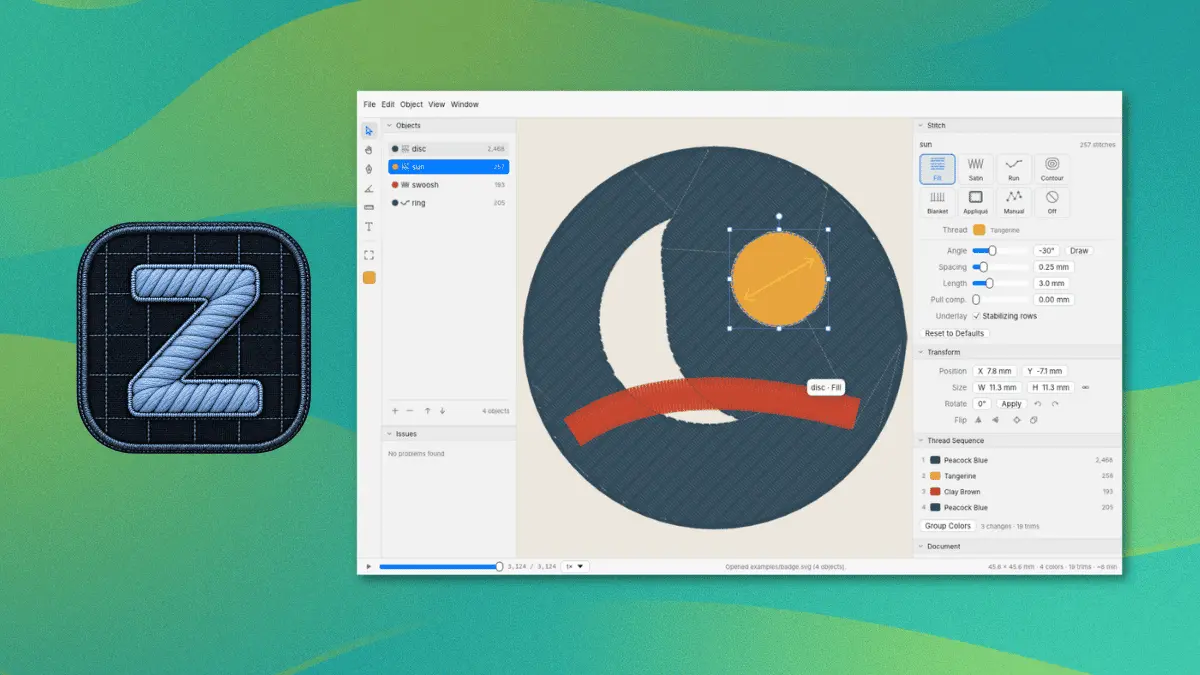
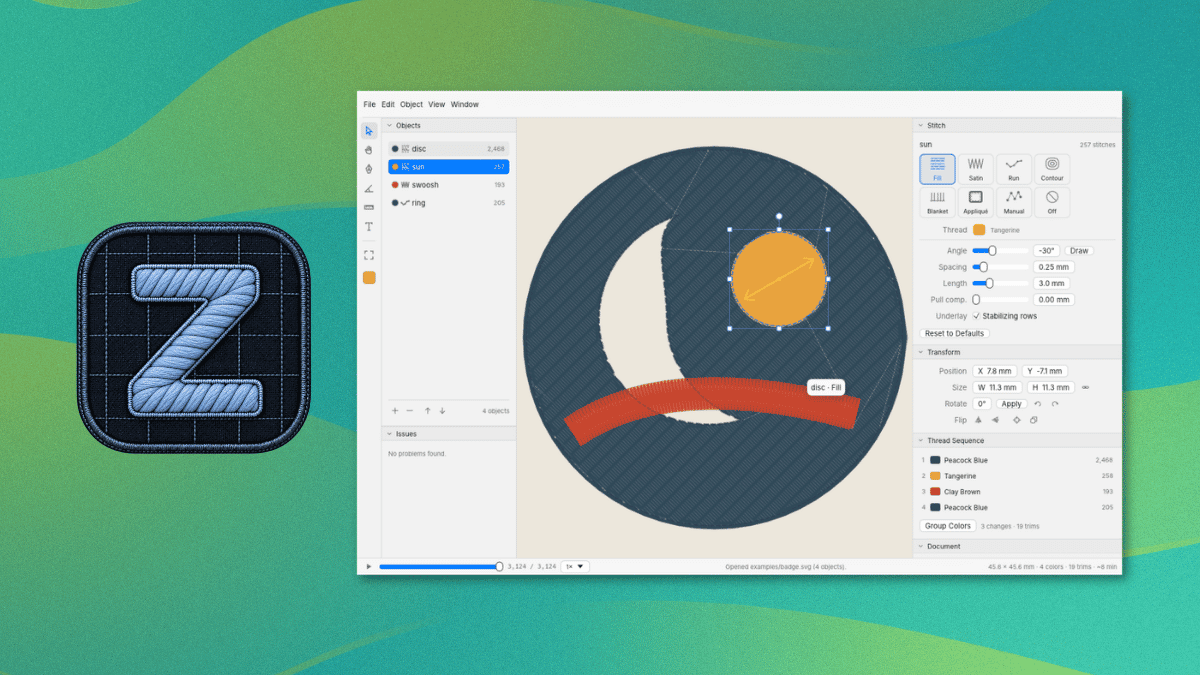
In an innovative intersection of modern artificial intelligence and physical crafting, developer and tinkerer Kathy Korevec has released a new software tool named ZigZag under the permissive Apache 2.0 license. The application was built entirely using AI via ChatGPT, with a clear objective: to create a dedicated software suite tailored to her exact design specifications. Modeled loosely after professional suites like Adobe, ZigZag features built-in Model Context Protocol (MCP) support, enabling AI agents to seamlessly interact with, draw, and edit designs within the same window.
Korevec’s project has quickly captured the attention of the tech and maker communities. Following a post about the software on Hacker News, ZigZag climbed into the platform’s top ten trending items over a 48-hour period. Throughout the surge of interest, Korevec has actively engaged with users on the platform, answering technical questions regarding how the application was engineered, its underlying architecture, and the specific hardware platforms it supports.
ZigZag: Why Develop This?
The inspiration for ZigZag stems from a very specific piece of modern hardware: the Brother Skitch PP1, an embroidery machine that retails for around $300. Out of the box, the Skitch relies heavily on Brother’s proprietary Artspira application to function. While the base app is free and provides core operational capabilities, it is tied to a paid subscription tier known as Artspira+. This premium subscription unlocks essential creative features, such as advanced digitizing tools that convert standard images into custom embroidery patterns and automated cross-stitch pattern generation.
Korevec noted that the free version of the proprietary software imposes strict limitations on color palettes, available tools, and access to the software’s clip art library, portions of which are locked entirely behind the subscription paywall. This strategy aligns with a broader industry trend where hardware manufacturers sell physical devices at or near cost, subsequently monetizing the user base through ongoing software subscriptions or proprietary ecosystems. Similar dynamics have recently prompted independent developers to build self-hosted alternatives for various consumer hardware devices, such as open-source ecosystems for 3D printing.

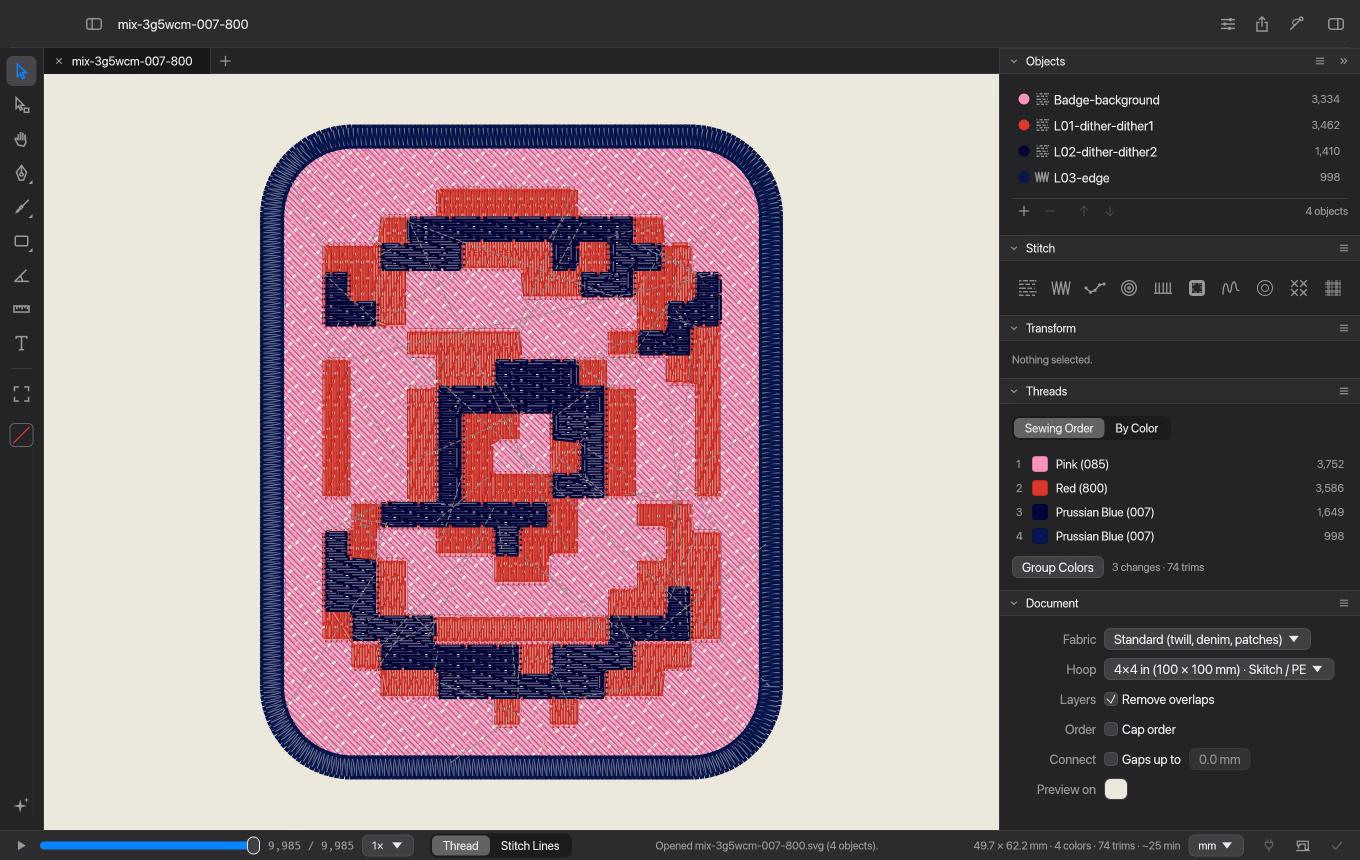
To circumvent these restrictions, ZigZag provides a robust alternative. The application can import standard Scalable Vector Graphics (SVG) artwork, while also offering the ability to trace Portable Network Graphics (PNG) and Joint Photographic Experts Group (JPEG) images into usable vector shapes. Furthermore, the software supports an impressive array of eleven distinct stitch types, including traditional fill, satin, and appliqué techniques, complete with a real-time visual preview of the stitches directly within the editing interface.
The integration of the Model Context Protocol server elevates the software beyond a standard design editor. The MCP server allows an AI agent to directly inspect an open design file, add or modify graphic objects and text elements, execute image tracing, preview complex stitching sequences, and export final files. In addition, the system can communicate directly with a connected Skitch device, with every single modification mapping cleanly to a single undo step in the editing history.
While the marriage of AI and embroidery control is novel, open-source tools for digital embroidery are not entirely unprecedented within the community. Projects like Ink/Stitch—a popular extension for the open-source vector graphics editor Inkscape—have long provided robust digitizing capabilities. Additionally, other community-driven projects like Respira have previously demonstrated that it is possible to bypass official companion apps to send designs directly to the Skitch hardware.
ZigZag directly acknowledges these community roots, explicitly crediting Respira in its source code repository for establishing the foundational Bluetooth communication protocol and sewing workflow. Korevec noted that while she reverse-engineered aspects of the device’s communication protocol independently, her AI assistant utilized the existing Respira project to verify and refine the implementation.

Get Sewing
Currently, ZigZag is officially packaged for Windows and macOS operating systems. Users interested in trying the software can download the latest compiled releases directly from the official project website or via its GitHub releases page. Comprehensive documentation is provided in the project’s repository README, detailing installation procedures, Bluetooth pairing instructions, and configuration steps for the built-in MCP server. The documentation also explicitly cautions users against performing firmware updates on the Brother Skitch hardware to maintain compatibility. For users operating
within the Linux ecosystem, the repository includes instructions for building ZigZag entirely from source using the Rust programming language.
At present, the Brother Skitch PP1 remains the only specific embroidery machine model to which ZigZag can transmit design files directly over a Bluetooth connection. Because the Skitch hardware can only actively communicate with a single application at a time, users must ensure that the official Artspira app is completely closed before attempting to pair and send files from ZigZag. For owners of other embroidery machine brands and models, ZigZag maintains broad compatibility by offering standard file export capabilities, supporting widely used industry formats including PES, DST, EXP, JEF, and VP3.