
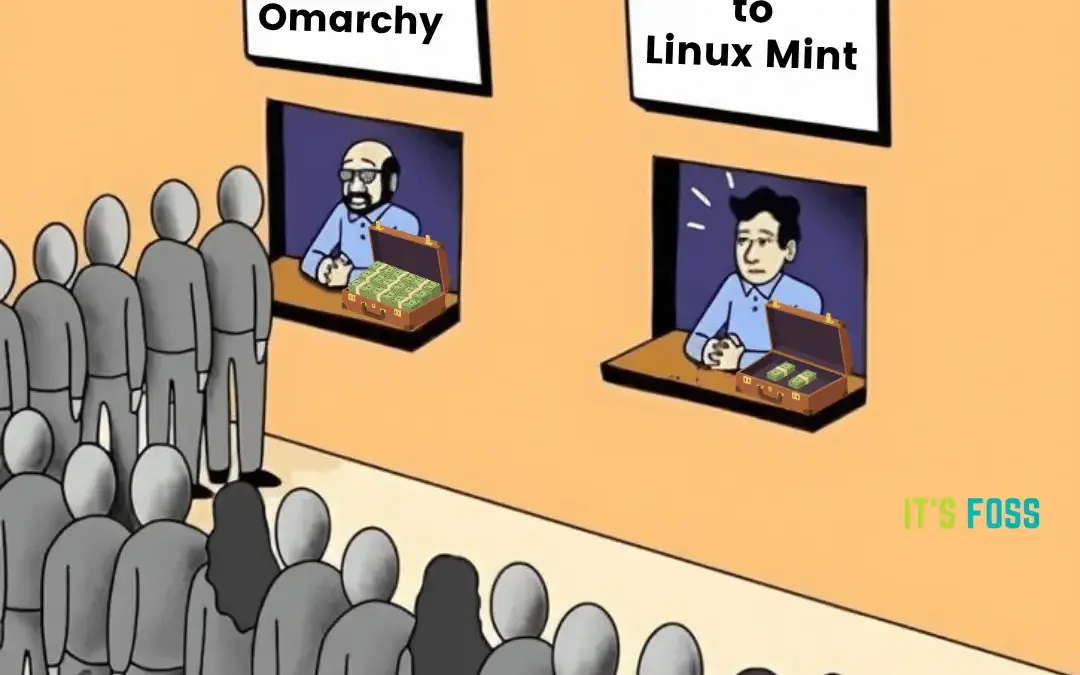
The open-source landscape experienced a week of significant shifts, ranging from hardware enablement milestones and AI model realignments to notable community departures. Major developments touched nearly every corner of the ecosystem, highlighting ongoing debates over licensing, corporate partnerships, and hardware access.

Hardware Enablement and Desktop Shifts
Linux support for upcoming hardware continues to expand, with Qualcomm releasing an early developer preview targeting the Snapdragon X2 processor using Debian 13 as the reference environment. This move signals a concerted effort to improve out-of-the-box compatibility for ARM-based architectures within the mainstream Linux distribution framework.

In the distribution space, PeppermintOS announced a strategic shift away from Xorg in favor of XLibre for its upcoming Debian and Devuan ISO refreshes. Project maintainers indicated that there are no current plans to migrate to Wayland for the foreseeable future, choosing stability and continuity on XLibre-based setups instead.

Meanwhile, Garuda Linux has formalized one of its experimental endeavors by graduating its NixOS side project into a standalone distribution. Garuda Nix now ships bootable installation images for its popular Dr460nized and Mokka flavors, offering users an alternative entry point into immutable and declarative system management.
AI Integration and Enterprise Shifts
In the browser ecosystem, Mozilla and Mistral announced a strategic partnership that integrates Mistral Small 4 into the Firefox Smart Window feature. This integration replaces the OpenAI model previously utilized in the tool. Representatives from both organizations framed the collaboration as a step toward establishing an independent browser and a European artificial intelligence laboratory as viable counterweights in a market heavily dominated by major technology conglomerates.

Enterprise container management also saw a major licensing change. Portainer announced that after a decade of maintaining an open-source Community Edition, the model is shifting. The Community Edition will remain frozen at the 2.x branch, receiving security patches and select backports, while the upcoming Portainer 3.0 release—rebuilt with a Kubernetes-first architecture—will transition to a closed-source model.

Mobile security and privacy developments brought further discussion regarding software deployment timelines. GrapheneOS publicly criticized Google for withholding Android 17 QPR1 security patches from non-Pixel original equipment manufacturers until December. Simultaneously, secure messaging platform Signal began testing numberless registrations, a long-awaited feature that removes the strict requirement for users to link a phone number after username support has been established.
Community Developments and Project Departures
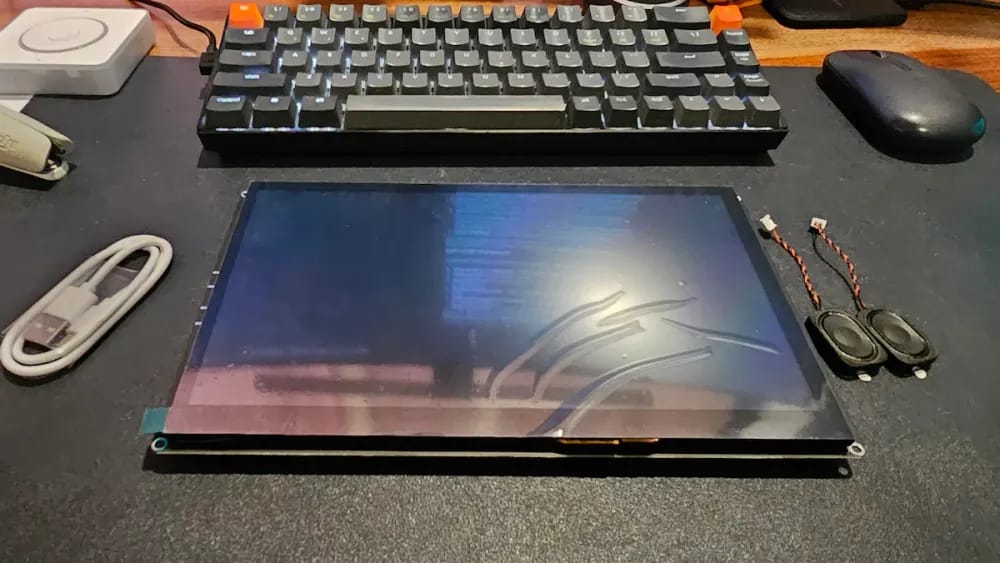
One of the most heavily discussed community stories involved Andy Nguyen, lead of the PS5 Linux project. Nguyen announced he is stepping away from the initiative after a hypervisor exploit he had been developing was reported to Sony’s bug bounty program by an external party before he was prepared to disclose it. Nguyen expressed frustration with AI-assisted bug reporters who bypassed his coordination efforts.

Valve quietly open-sourced Lepton, an Android compatibility layer originally constructed for the Steam Frame. The utility operates Android games within an isolated container environment by leveraging Waydroid and LineageOS, providing a bridge for mobile titles on desktop and embedded Linux platforms.
Development projects and puzzles continue to capture community interest, including the introduction of Tuxdle, a daily web-based word puzzle centered around Linux commands, distributions, and foundational terminology. Meanwhile, productivity applications such as Tasks.org continue to offer open-source Android reminders and to-do management without invasive data collection schemes or intrusive advertising.

Technical discussions this week also focused on the long-standing challenge of file system support on Linux. While NTFS-3G remains slow and CPU-intensive, and the in-kernel ntfs3 driver lacks sustained maintenance, newer alternatives such as NTFSPlus are attempting to deliver robust, high-performance NTFS integration. Troubleshooting workflows are also seeing renewed attention, with community guides highlighting the extensive logging capabilities of systemd and the diagnostic tools available to administrators seeking to resolve common boot and service failures.

Leave a Reply