
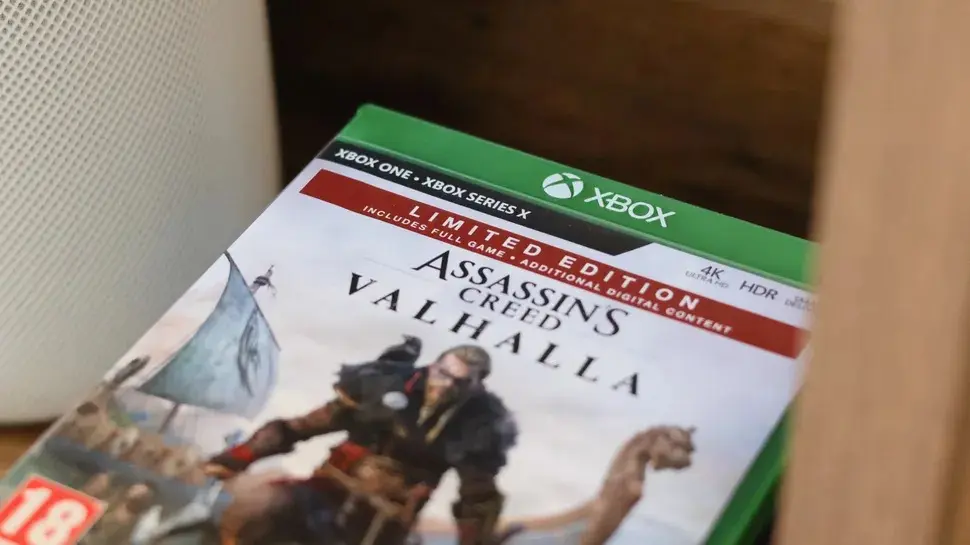
As video game prices continue to climb to unprecedented highs while simultaneously introducing aggressive monetization schemes and digital-only ecosystems, lawmakers are increasingly stepping in to push back against anti-consumer practices. The latest legislative effort comes from Capitol Hill, where Representative Ritchie Torres of New York’s 15th congressional district has officially introduced the Power To The Players Act, a move designed to guarantee that digital and physical video games are treated as purchased property rather than temporary, revocable rentals.
The newly proposed federal legislation aims to protect everyday consumers by directing the Federal Trade Commission (FTC) to establish robust regulations surrounding video game ownership. Under the core framework of the bill, purchasing a video game would grant the consumer true legal ownership of the copy rather than a mere license to play it. Furthermore, the legislation addresses one of the most pressing frustrations in modern gaming: the abrupt death of online titles. Games featuring online functionality would be legally required to provide an offline mode, alternative community solutions, or server patches before the official corporate servers supporting them are permanently shut down.
The frustration surrounding games having a sudden expiration date has sparked widespread scrutiny among players across the globe. Gamers are increasingly asked to pay full price—or even premium prices—for interactive entertainment that can be rendered entirely unplayable at a moment’s notice due to corporate decisions, server closures, or licensing agreements expiring.
Representative Torres is far from the first public official to champion consumer rights in the interactive entertainment sector. State-level initiatives have also begun bubbling up to tackle the very same issues. Recently, Pennsylvania state senator John Kane introduced the Protect Our Games Act, which targets publishers that kill off digital games by forcing them to provide either a functional offline mode, independent server patches, or a minimum 25 percent refund to affected buyers. These legislative pushes reflect a growing sentiment among players who believe they should retain the ability to enjoy their purchased entertainment indefinitely, even long after a publisher decides to drop official ongoing support for a title.
This rising wave of legislative scrutiny directly challenges the shifting business models and legal arguments favored by major gaming conglomerates. While players generally expect that paying for a product grants them permanent possession, industry giants often view things quite differently. For instance, Sony has vigorously defended the perspective that players do not genuinely own their games, asserting that corporations retain the ultimate right to pull the rug out from under consumers.
Sony’s legal representation argued in an ongoing class-action lawsuit that clicking on a digital "purchase" button on a storefront does not lead a reasonable consumer to think they are acquiring a durable, permanent right to use the game. Instead, the company’s defense framed digital transactions as a revocable license—essentially functioning as a one-time rental fee that a publisher can revoke at any moment deemed beneficial to their business interests.
This legal stance has further galvanized consumer advocacy groups and independent documentation projects. A prominent consumer rights wiki recently documented at least 44 distinct historical instances in which Sony publicly claimed that users owned their games, making their recent courtroom defense a stark contradiction. Observers and advocates view current legislative initiatives like the Power To The Players Act as a direct assault on the legal loopholes and claims utilized by major publishers in recent ownership lawsuits, setting the stage for a potentially landmark legal and legislative battle over digital consumer rights in the modern entertainment industry.

Leave a Reply