
The landscape of software development continues to evolve at a rapid pace, making the selection of a continuous deployment tool a critical strategic decision for engineering organizations. Industry analysts note that choosing the right tool depends heavily on a team’s existing technology stack, operational scale, and deployment environment—whether targeting the cloud, containerized platforms, or on-premises servers. Selecting an ill-suited platform frequently results in wasted engineering hours, forcing teams to dedicate more resources to configuring, troubleshooting, and maintaining complex pipelines than to actual product development.
Modern deployment strategies generally rely on two distinct categories of technology. Full CI/CD platforms manage the entire lifecycle from building and testing to final deployment, while specialized release-focused tools handle deployments only after a separate system completes the initial build phase. Understanding these distinctions has become paramount for technology leaders aiming to streamline release cycles without compromising stability or security.
The Evolution of Integrated Platforms
For organizations deeply embedded in specific ecosystem providers, platform-native tools continue to dominate workflows by minimizing setup friction. GitHub Actions and GitLab CI/CD represent the premier choices for teams seeking tightly integrated source control and pipeline automation. GitHub Actions allows developers to orchestrate build, test, and deployment workflows directly from their repositories, responding to pull requests, tags, or custom events. The flexibility of utilizing either GitHub-hosted runners or self-hosted infrastructure enables organizations to securely bridge public code repositories with private enterprise networks or specialized hardware.
Similarly, GitLab CI/CD centralizes source code, pipeline statuses, environments, and deployment histories within a single workspace. By utilizing configuration files stored directly in the repository, engineering teams can maintain rigorous version control over their deployment pipelines. Both platforms offer extensive flexibility, though organizations must carefully weigh the consumption-based pricing models for private build minutes against the overhead of maintaining internal runner infrastructure.
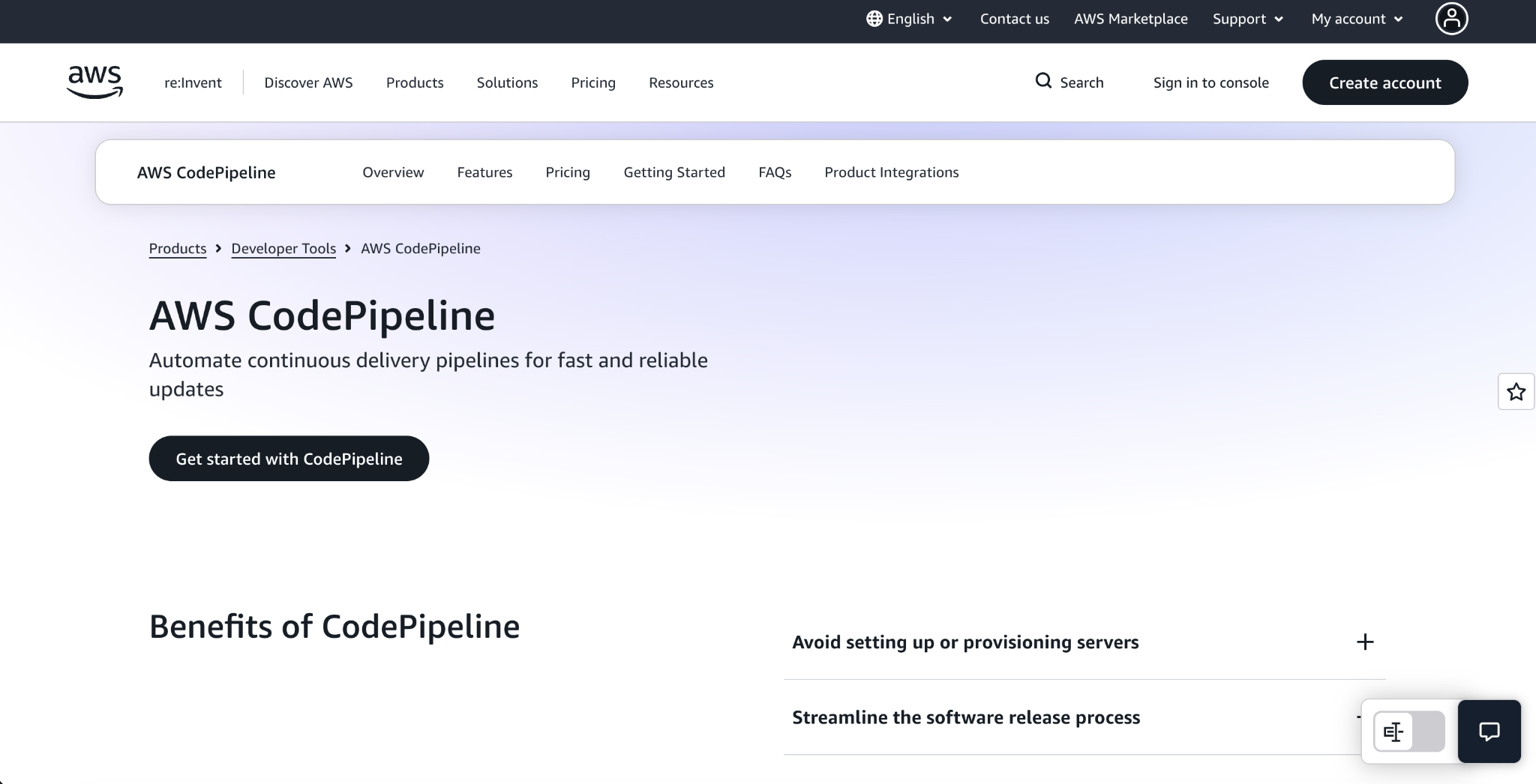
Enterprise environments utilizing Microsoft Azure or Amazon Web Services often lean toward native solutions such as Azure Pipelines and AWS CodePipeline. Azure Pipelines provides robust managed CI/CD capabilities with seamless integration into the broader Azure DevOps ecosystem, while AWS CodePipeline coordinates multi-stage releases natively across AWS services like CodeBuild, ECS, and CodeDeploy. These cloud-native solutions reduce the complexity of cross-platform authentication and permissions management, though they can introduce vendor lock-in concerns for companies maintaining multi-cloud architectures.
Kubernetes and the Rise of GitOps
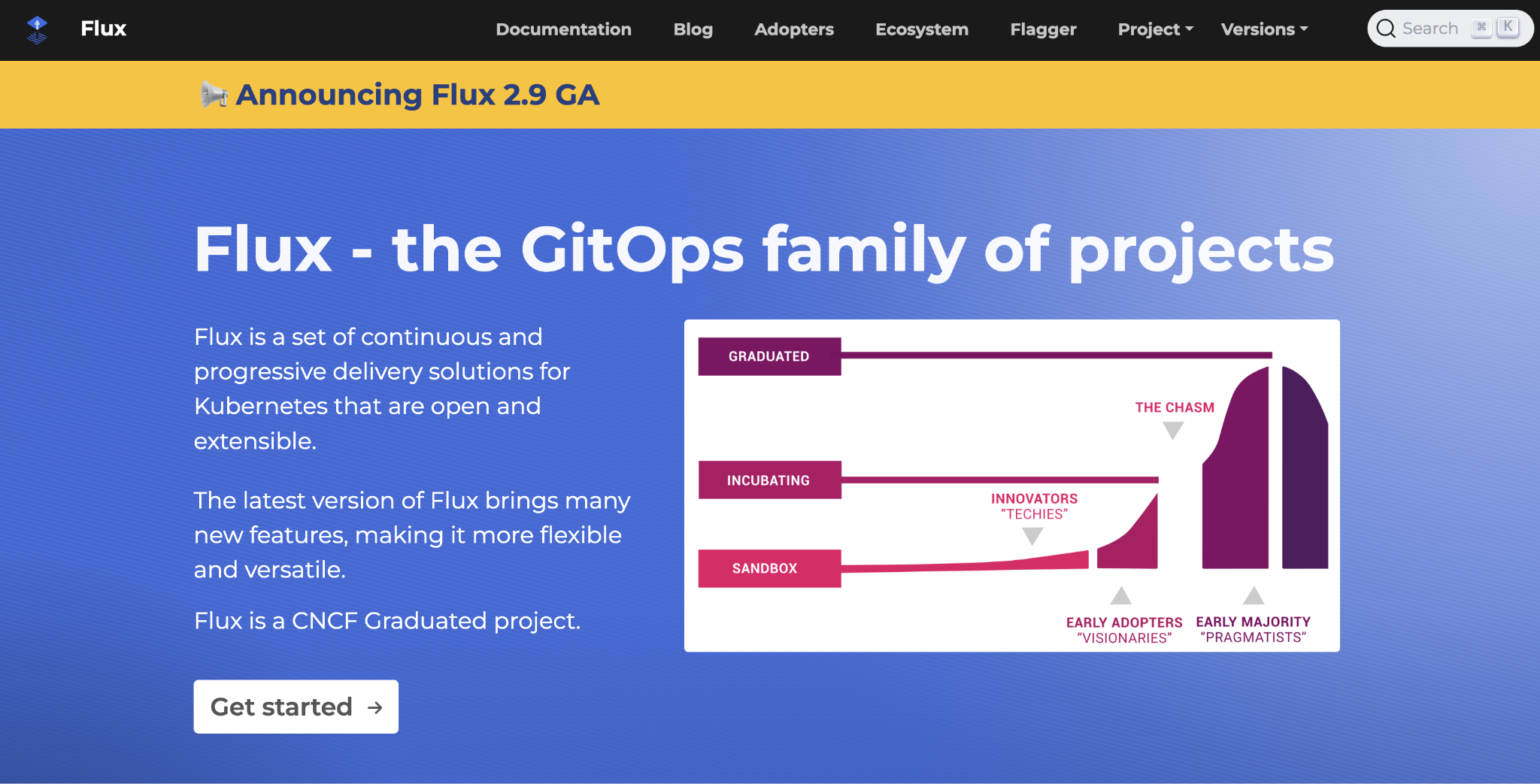
As containerization and Kubernetes orchestration remain industry standards, specialized GitOps tools have transformed how modern infrastructure is managed. Argo CD and Flux CD have emerged as foundational solutions for Kubernetes-native teams, shifting the deployment paradigm from imperative script execution to declarative state synchronization. In a GitOps workflow, the desired state of a cluster is stored directly in a Git repository, and the deployment controller continuously reconciles the live infrastructure to match that configuration.
This approach offers distinct advantages in traceability and automated drift correction. If an environment is manually altered outside of the pipeline, tools like Argo CD can detect the discrepancy and automatically restore compliance. However, operating these platforms requires significant Kubernetes expertise, and teams must dedicate internal engineering resources to platform maintenance, monitoring, and security patching, as neither open-source project relies on a commercial software subscription.
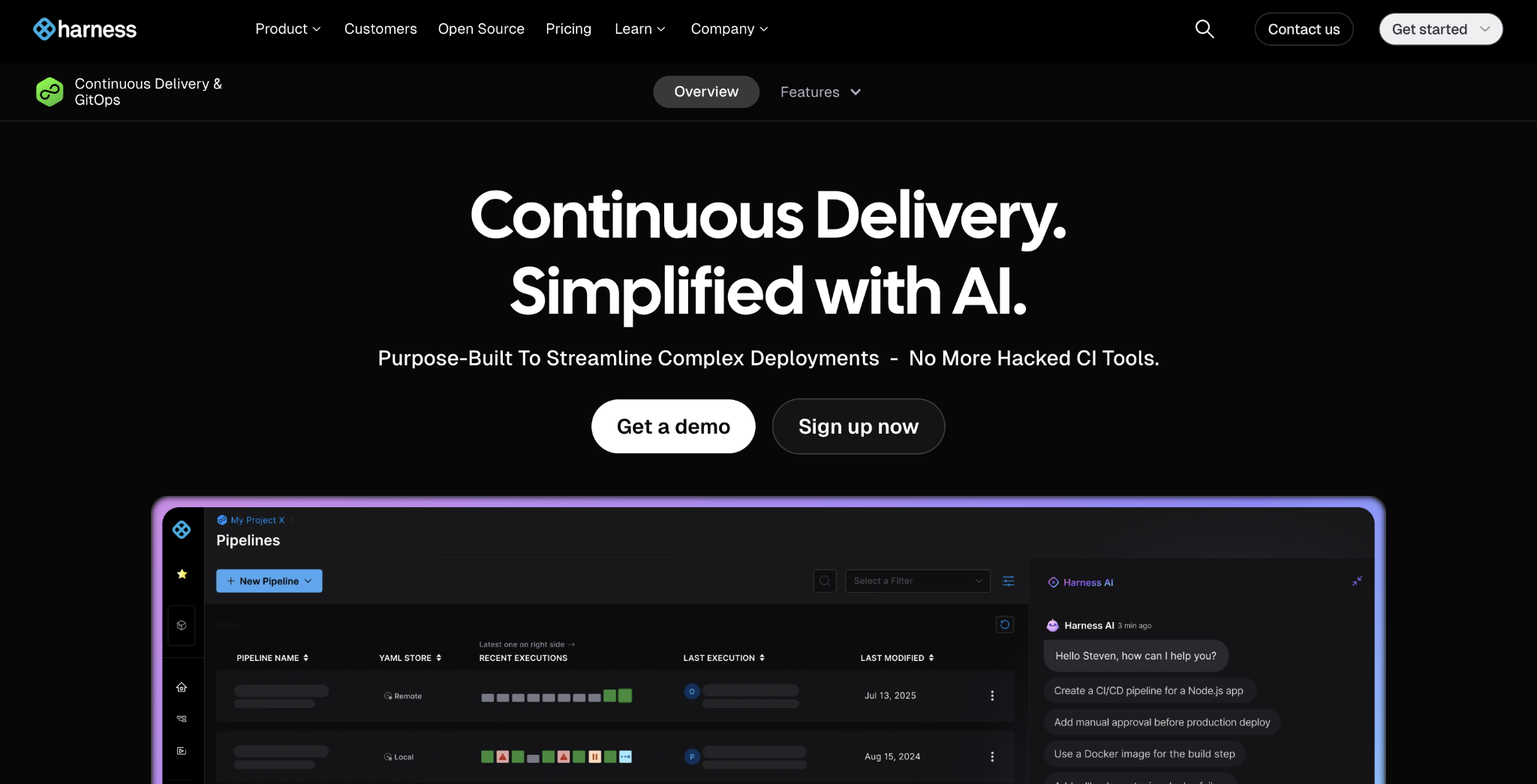
For larger enterprises seeking advanced release controls, platforms like Harness and Spinnaker offer sophisticated capabilities such as gradual canary rollouts, automated health evaluations, and complex multi-cloud orchestration. Harness, for instance, provides automated rollbacks driven by real-time monitoring signals, reducing the blast radius of faulty code deployments. Spinnaker continues to serve platform engineering teams managing deployments across diverse cloud providers, though its operational complexity makes it suitable primarily for large-scale enterprise deployments rather than smaller application teams.
Managed Hosting and Deployment Convergence
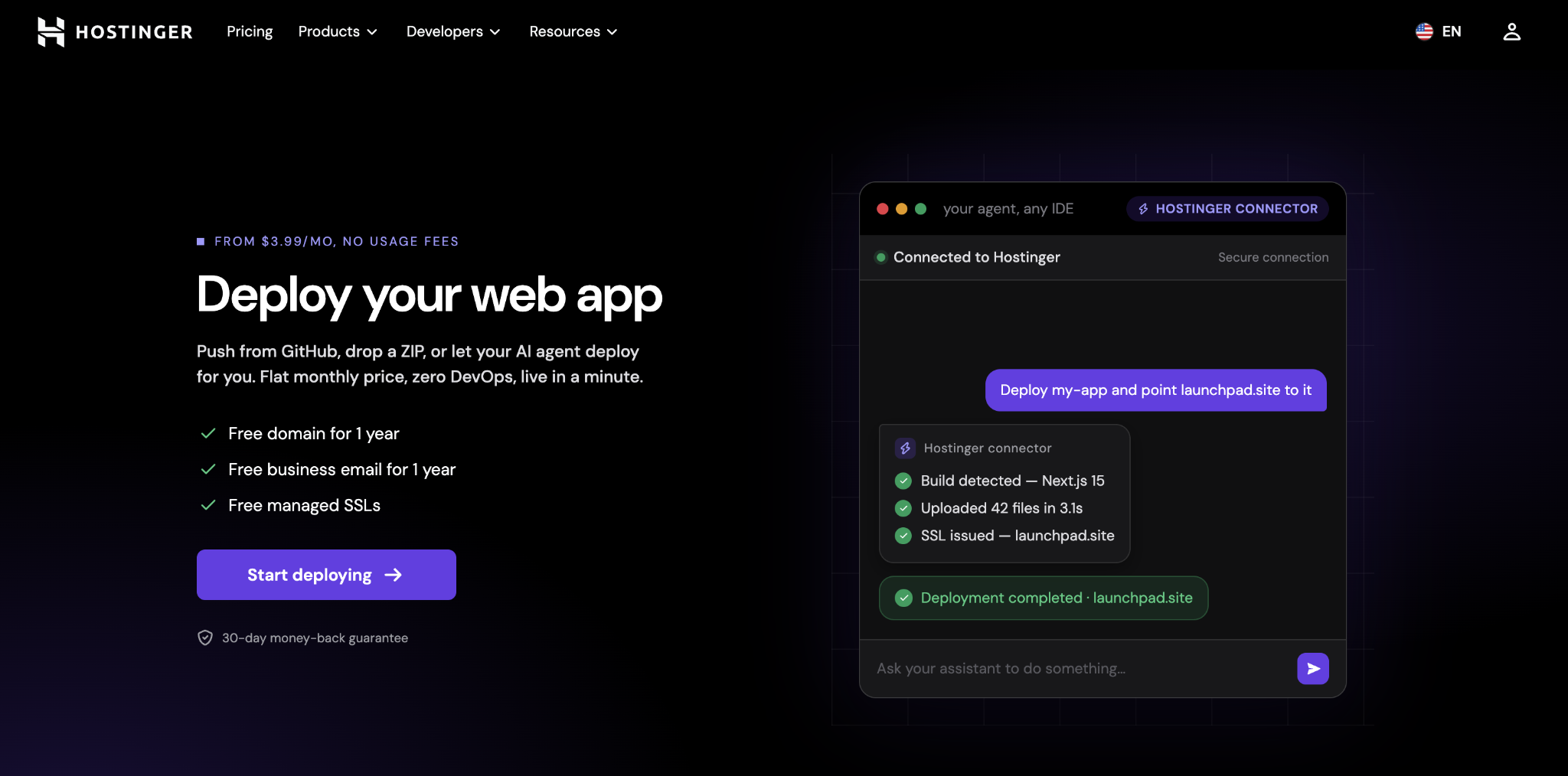
A notable shift in the 2026 developer tools market is the convergence of deployment automation and managed hosting. Platforms such as Hostinger Web Apps Hosting, Vercel, and Railway have gained significant traction among smaller teams and individual developers by eliminating the need to configure standalone CI/CD pipelines. By connecting a code repository, these platforms automatically detect application frameworks, handle builds, and execute zero-config deployments upon every commit.
Hostinger Web Apps Hosting caters to modern frontend and backend frameworks by integrating hosting, domain management, and automatic deployments into a unified service. Similarly, Vercel provides a preview-first workflow for frontend and Next.js applications, generating dedicated preview URLs for every pull request to facilitate collaborative code reviews. Railway expands on this model by bundling application deployment with managed databases and storage within a single project dashboard.
While these all-in-one platforms drastically reduce infrastructure overhead, they inherently trade away fine-grained control over the underlying deployment infrastructure. Teams utilizing managed web app hosting are restricted to the platform’s execution environment, making these tools ideal for web applications and microservices, but less applicable for complex enterprise architectures requiring custom network topologies.
Evaluating Infrastructure and Release Safety
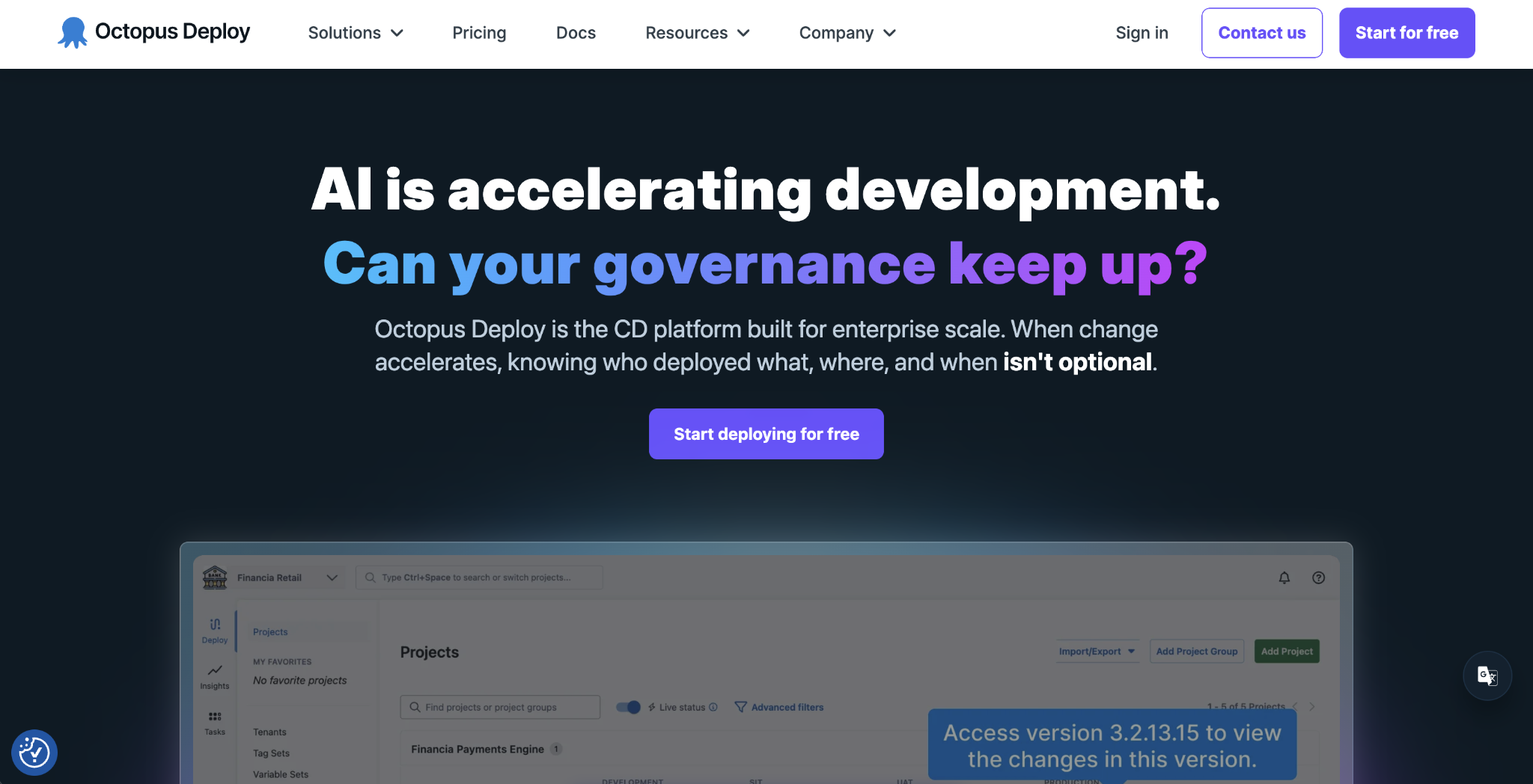
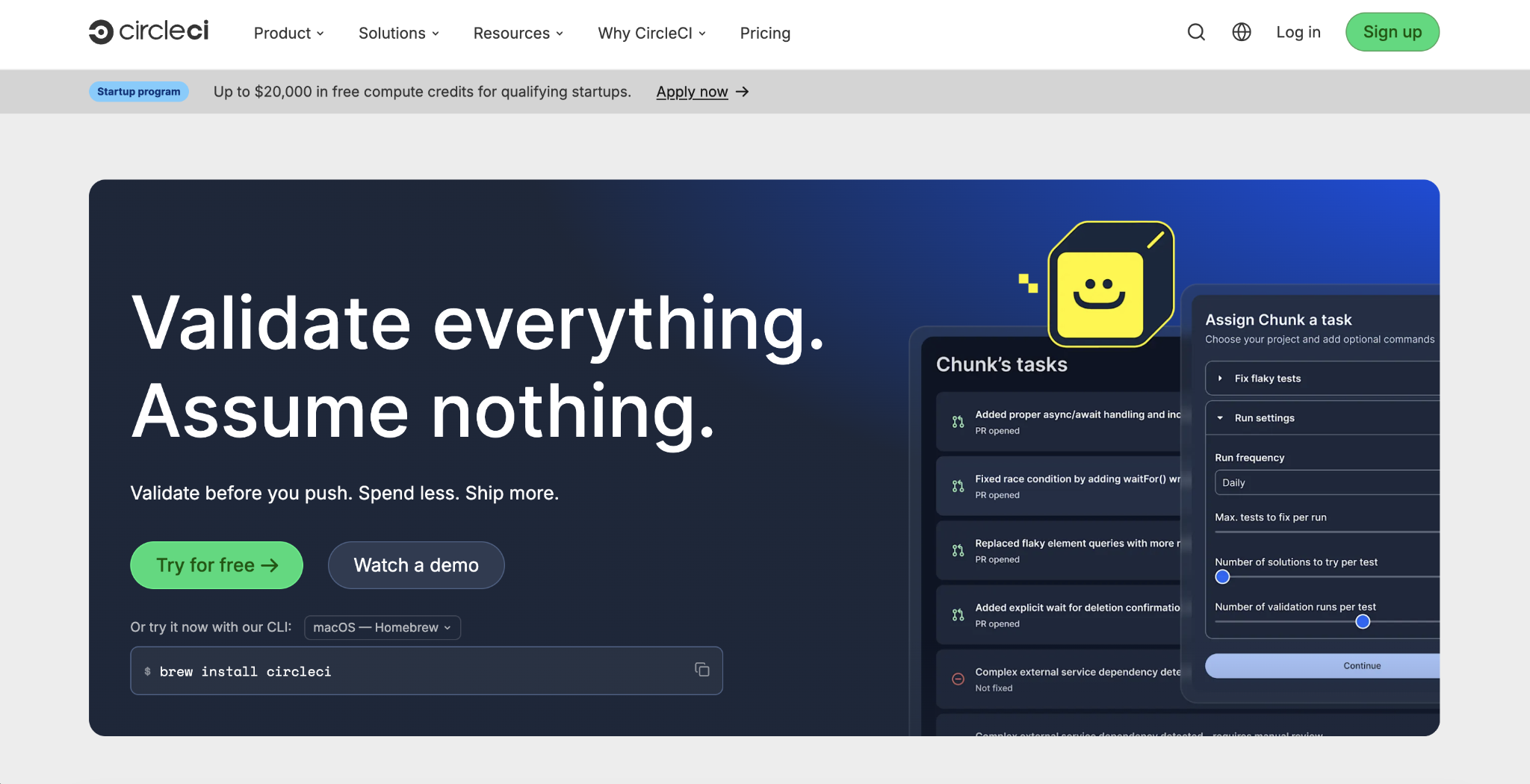
Independent deployment tools like Octopus Deploy and CircleCI offer alternative approaches for organizations with complex release promotion workflows. Octopus Deploy focuses exclusively on post-build release management, taking pre-compiled artifacts and promoting them reliably through testing, staging, and production environments across multiple client tenants. CircleCI delivers managed continuous integration with flexible execution options, allowing organizations to run resource-intensive jobs on hosted infrastructure while executing sensitive deployment steps on local runners.
Industry experts emphasize that a successful continuous deployment strategy extends far beyond selecting the right automation software. Establishing a resilient release process requires implementing layered automated testing, comprehensive production monitoring, and rigorously tested rollback procedures. Because continuous deployment removes manual gatekeepers, automated test suites—ranging from unit and integration tests to security scans—must reliably catch defects before code reaches production environments.
Furthermore, monitoring must extend beyond simple deployment success to evaluate application health, error rates, and response latency in real time. When regressions occur, automated rollbacks or canary deployments can mitigate user impact, provided that database migrations and application states are managed with backward compatibility in mind. Ultimately, the most effective deployment tool is one that aligns with an organization’s architectural footprint, team size, and operational capacity, empowering developers to ship code safely and efficiently.



Leave a Reply