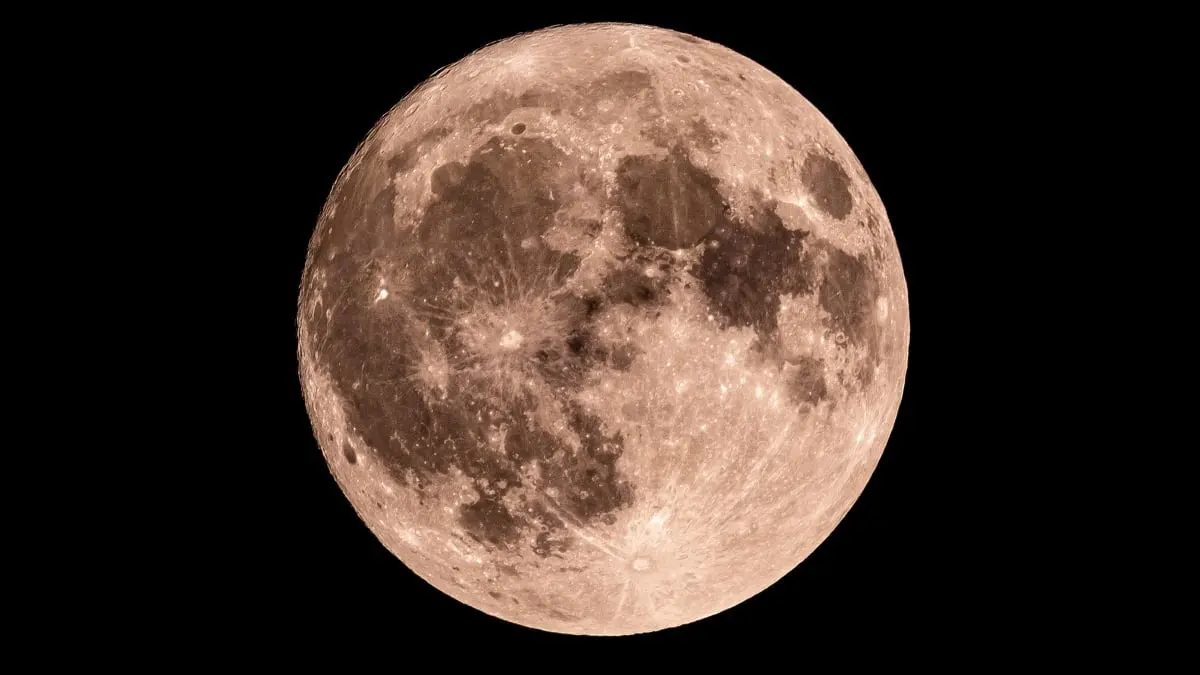
As of Monday, November 2, observations confirm that approximately 45 percent of the lunar surface remains visible to observers on Earth. Because the Moon is currently in its waning phase, the amount of sunlight reflecting off its surface will continue to decrease night after night until the lunar disk becomes entirely shadowed during the upcoming New Moon. This natural progression marks another step in the predictable, continuous cycle that has fascinated astronomers, navigators, and casual skywatchers for millennia.
What is today’s Moon phase?
For backyard astronomers and those looking up at the night sky with modest equipment, the current Waning Crescent phase offers an exceptional opportunity to view prominent lunar features. Depending on the tools available to observers, various craters, maria, and historic landing sites come into sharp relief against the lunar terminator—the dividing line between the illuminated and shadowed portions of the Moon.
Even without the use of visual aids such as binoculars or telescopes, clear skies tonight should allow keen-eyed observers to spot several notable geological formations. Among these prominent features are the Tycho Crater, a prominent impact crater known for its expansive ray system; the Kepler Crater; and the vast expanse of Mare Imbrium, one of the largest dark volcanic plains on the lunar surface.
For those equipped with a standard pair of binoculars, the viewing potential expands significantly. Observers using binoculars can easily pick out additional surface details, including the Alphonsus Crater, the massive Clavius Crater located in the rugged southern highlands, and the dark volcanic plain of the Grimaldi Basin near the western edge of the visible lunar disk.
Meanwhile, amateur astronomers with access to a telescope are treated to even finer details. Under favorable viewing conditions, telescope users can pinpoint specific historical landmarks and geological oddities, such as the Apollo 12 landing site where NASA astronauts explored the Ocean of Storms, the unusual magnetic anomaly known as Reiner Gamma, and the distinct formation of the Schiller Crater.
When is the next Full Moon?
While the lunar disk is currently shrinking from view, the cycle will soon reverse direction as the Moon passes through its invisible New Moon phase and begins the waxing portion of its journey. Observers won’t have to wait excessively long for the return of a fully illuminated disk, as the next Full Moon is officially scheduled to take place on November 24. Until then, the visible portion of the Moon will continue to wane, offering progressively darker night skies that are ideal for observing other celestial phenomena, distant stars, and deep-sky objects before the brilliant light of the next Full Moon returns.
What is a Moon phase?
The familiar shifting shapes of the Moon are driven by orbital mechanics governed by the relative positions of Earth, the Moon, and the Sun. As explained by NASA, the Moon takes approximately 29.5 days to complete a full orbit around Earth, going through a complete series of phases along the way. Because the Moon does not produce its own light and instead reflects the illumination of the Sun, the amount of its lit surface that we can see from Earth constantly changes depending on where the Moon is positioned in its orbit. This geometric relationship creates the familiar and predictable sequence of crescents, quarter moons, and the Full Moon. Once this intricate cycle is complete, the entire pattern repeats seamlessly, continuing an astronomical rhythm that has persisted for billions of years.
Understanding this monthly progression involves looking at the eight distinct phases that define the lunar cycle. The journey begins with the New Moon, a period during which the Moon is positioned directly between Earth and the Sun. Because the unilluminated side of the lunar body is facing Earth, the side we see remains entirely dark, making the Moon virtually invisible to the naked eye against the backdrop of space.
As the Moon continues along its orbital path, a small sliver of light begins to appear on its right side for observers in the Northern Hemisphere, marking the Waxing Crescent phase. This illuminated portion grows steadily over the following days until it reaches the First Quarter phase, at which point exactly half of the Moon is lit on its right side, presenting a classic half-Moon appearance in the evening sky.
Following the First Quarter, the lunar cycle enters the Waxing Gibbous phase. During this period, more than half of the Moon’s visible surface is lit up by the Sun, though it has not yet reached its maximum illumination. This growth culminates in the Full Moon, when the entire face of the Moon is directly illuminated by sunlight from the perspective of Earth, making the lunar disk fully visible and bright throughout the night.
Once the peak of the Full Moon has passed, the cycle shifts into its waning stages. During the Waning Gibbous phase, the Moon begins losing light progressively on its right side as viewed from the Northern Hemisphere. This reduction continues until the Moon reaches the Third Quarter, also frequently referred to as the Last Quarter. At this stage, the Moon once again appears as a half-Moon, but with the opposite side illuminated—showing light on its left side rather than its right.
Finally, the lunar month concludes with the Waning Crescent phase, which is the exact point the Moon occupies in the night sky today. During this concluding phase, only a thin, fading sliver of light remains visible on the left side of the lunar disk before the Moon slips entirely into shadow, completing its 29.5-day journey and preparing to reset the cycle with the next New Moon.