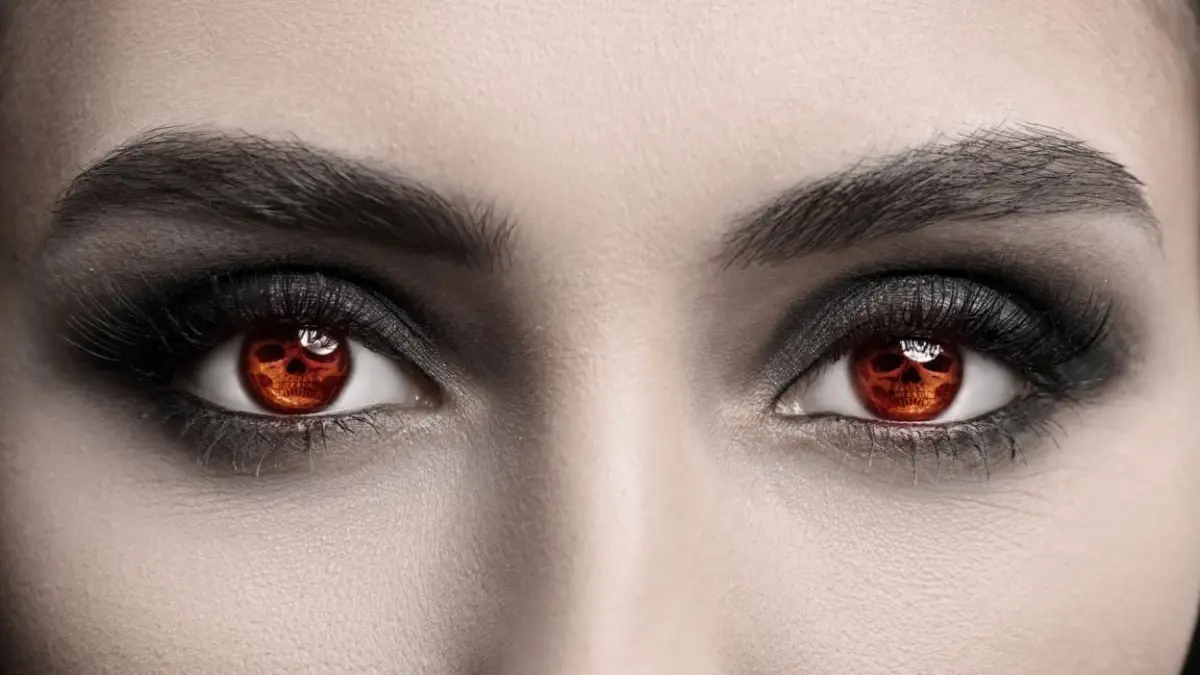
Every autumn, as costume enthusiasts prepare for Halloween festivities, many look for striking cosmetic additions to elevate their outfits. Among the most popular accessories are decorative contact lenses, which allow wearers to temporarily transform their appearance with cat-eye pupils, neon colors, or elaborate graphic patterns like fiery skulls. However, leading medical authorities and eye care specialists are raising serious alarms about the severe health risks associated with purchasing and wearing non-prescription costume lenses.
Prominent health organizations, including the American Academy of Ophthalmology (AAO), the Centers for Disease Control and Prevention (CDC), and the U.S. Food and Drug Administration (FDA), have issued repeated public warnings regarding the dangers of placing illegal, over-the-counter plastic lenses into the eyes. Although these novelty accessories are widely available at seasonal costume shops, pop-up stores, beauty supply outlets, and online marketplaces, federal law explicitly regulates all contact lenses as prescription medical devices. Consequently, selling decorative lenses without requiring a valid prescription from a licensed eye care professional is illegal in the United States. Despite these regulatory prohibitions, unauthorized vendors continue to market non-prescription lenses to consumers, creating significant ocular health hazards.
The regulatory classification of contact lenses as medical devices exists because placing any foreign object directly onto the delicate tissue of the eye carries inherent medical risks. The CDC specifically warns that wearing unapproved decorative lenses can lead to severe health complications, including painful eye sores, serious bacterial infections, and permanent vision loss. Because the eyes are far more sensitive to severe infections than most other tissues in the human body, inserting an unsterilized, improperly manufactured, or ill-fitting lens creates a direct pathway for dangerous pathogens to cause irreversible damage.
A central issue with cheap, over-the-counter Halloween contacts is their physical fit. Legitimate contact lenses are never a one-size-fits-all product. The human eye varies considerably from person to person in terms of corneal curvature, size, and shape. An official fitting by an optometrist or ophthalmologist ensures that a lens sits correctly on the eye without impeding oxygen flow or damaging the surrounding tissue. In contrast, non-prescription costume lenses are mass-produced using generic, single-size dimensions. The AAO emphasizes that contact lenses should never be treated as one-size-fits-all items, as a lens that is either too large or too small for a wearer’s specific eye shape can cause immediate physical harm.
When an ill-fitting contact lens moves across the surface of the eye, it can cause corneal abrasions, which are physical scratches on the clear outer protective layer of the eye. These surface scratches disrupt the natural protective barrier of the cornea, enabling bacteria, fungi, and parasites to penetrate the underlying tissue. This routinely leads to corneal ulcers—painful, open sores on the cornea—and keratitis, an acute and potentially destructive infection or inflammation of the corneal tissue. In severe cases, keratitis and corneal ulcers can permanently scar the eye or result in total loss of sight. Medical history documents severe outcomes from non-prescription lens use, including publicized cases such as that of Julian Hamlin, who suffered severe, irreversible blindness in one eye after wearing costume contact lenses purchased from a local retail store without a prescription.
In addition to physical fitting hazards, unregulated costume lenses frequently pose dangerous contamination risks straight from the manufacturer. A landmark 2017 study conducted by the FDA analyzed unapproved decorative contact lenses and discovered bacterial contamination in 27 percent of the tested samples. This high rate of contamination means that many consumers purchasing illegal over-the-counter lenses are placing active bacteria directly against the surface of their corneas upon first insertion, significantly heightening the risk of rapid-onset ocular infections.

Because eye infections can progress quickly and lead to permanent structural damage within a short period, medical experts urge contact lens wearers to recognize the early warning signs of complications. The AAO advises anyone wearing contacts—whether standard vision-correcting lenses or decorative styles—to monitor their eyes closely for adverse symptoms. Key warning signs include persistent eye redness, swelling around the eye or eyelids, acute pain or stinging, extreme sensitivity to light, blurred vision, or excessive, unusual discharge. Ophthalmic guidelines stress that if an infection is suspected, the user should immediately remove the lenses and seek urgent medical evaluation from an eye care specialist, as early intervention is vital to preventing long-term damage.
For individuals who still wish to wear decorative or colored contact lenses safely during Halloween or cosplay events, legal and medically sound options are available. However, consumers must follow the proper medical channels. Legitimate decorative lenses require a comprehensive eye examination and fitting by a licensed optometrist or ophthalmologist to determine the correct lens dimensions and confirm that the individual’s eyes are healthy enough to wear contacts safely.
Once a prescription is established, consumers can purchase legally manufactured, FDA-cleared decorative lenses through authorized optical outlets and legitimate online retailers. Reputable vendors—such as Lens.com, Discount Contacts, and Wicked Eyez—strictly require buyers to submit valid prescription information before completing a purchase. While authentic prescription costume lenses are safer, they do represent a higher financial investment compared to cheap novelty store knockoffs. Legitimate prescription costume lenses generally start at $40 or more per pair. However, health professionals emphasize that this price reflects strict quality control, medical-grade materials, sterile packaging, and a precise anatomical fit necessary to safeguard vision.
To ensure consumers have the freedom to shop for competitive pricing on prescription lenses, federal regulations protect patient access to their medical records. Under the Federal Trade Commission’s (FTC) Contact Lens Rule, eye care prescribers are legally required to provide patients with a copy of their contact lens prescription immediately upon completing an exam and fitting. The rule explicitly prohibits providers from charging patients an additional fee for releasing the prescription copy or requiring patients to purchase lenses directly from the prescriber’s office. This legal requirement allows consumers to take their verified prescription to any authorized seller of their choice.
Once a safe, prescription-fitted pair of decorative lenses has been acquired, proper wear and maintenance routines are essential to prevent secondary complications. While daily contact lens wearers are typically familiar with standard hygiene protocols, individuals purchasing decorative lenses for temporary costume use must follow proper care procedures diligently. Wearers must always thoroughly wash and dry their hands with a clean towel before handling lenses or touching their eyes. Lenses should only be cleaned, disinfected, and stored using fresh, sterile multi-purpose contact lens solution; wearing individuals should never use tap water, distilled water, or saliva, all of which contain microscopic organisms that can trigger severe corneal infections.
Furthermore, decorative contact lenses must never be shared among friends or family members, as sharing lenses transfers ocular bacteria directly from one person to another. Wearers should also strictly adhere to wear-time limits, removing decorative lenses before sleeping, swimming, or entering hot tubs.
Ultimately, medical experts stress that while cosmetic enhancements can add dramatically to a Halloween costume, aesthetic novelties should never come at the expense of permanent health. Temporary visual effects are not worth risking long-term ocular trauma, and as health educators remind consumers, a bloodshot look ceases to be a fun costume feature once the zombie outfit comes off and turns into an actual medical emergency.