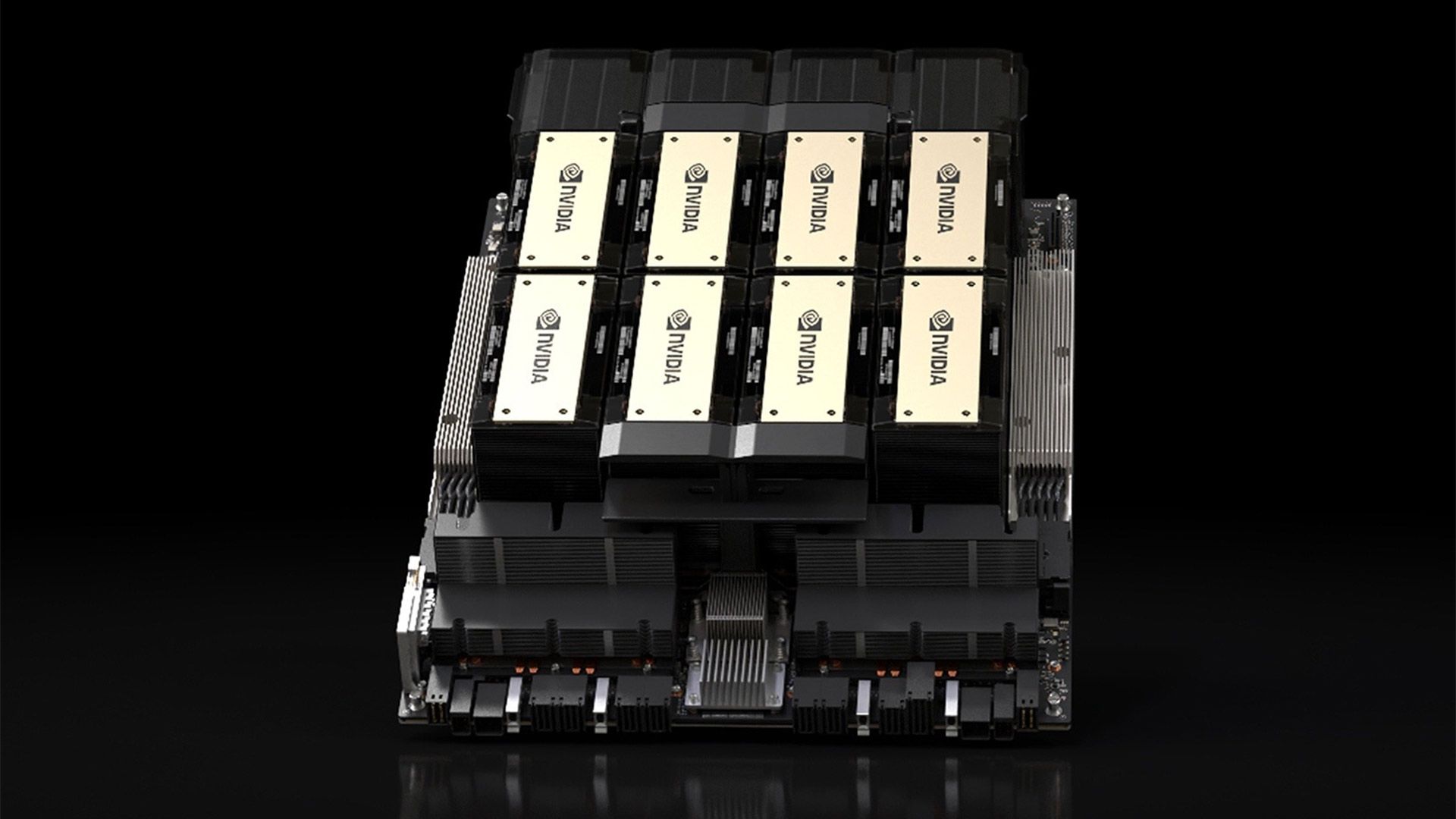
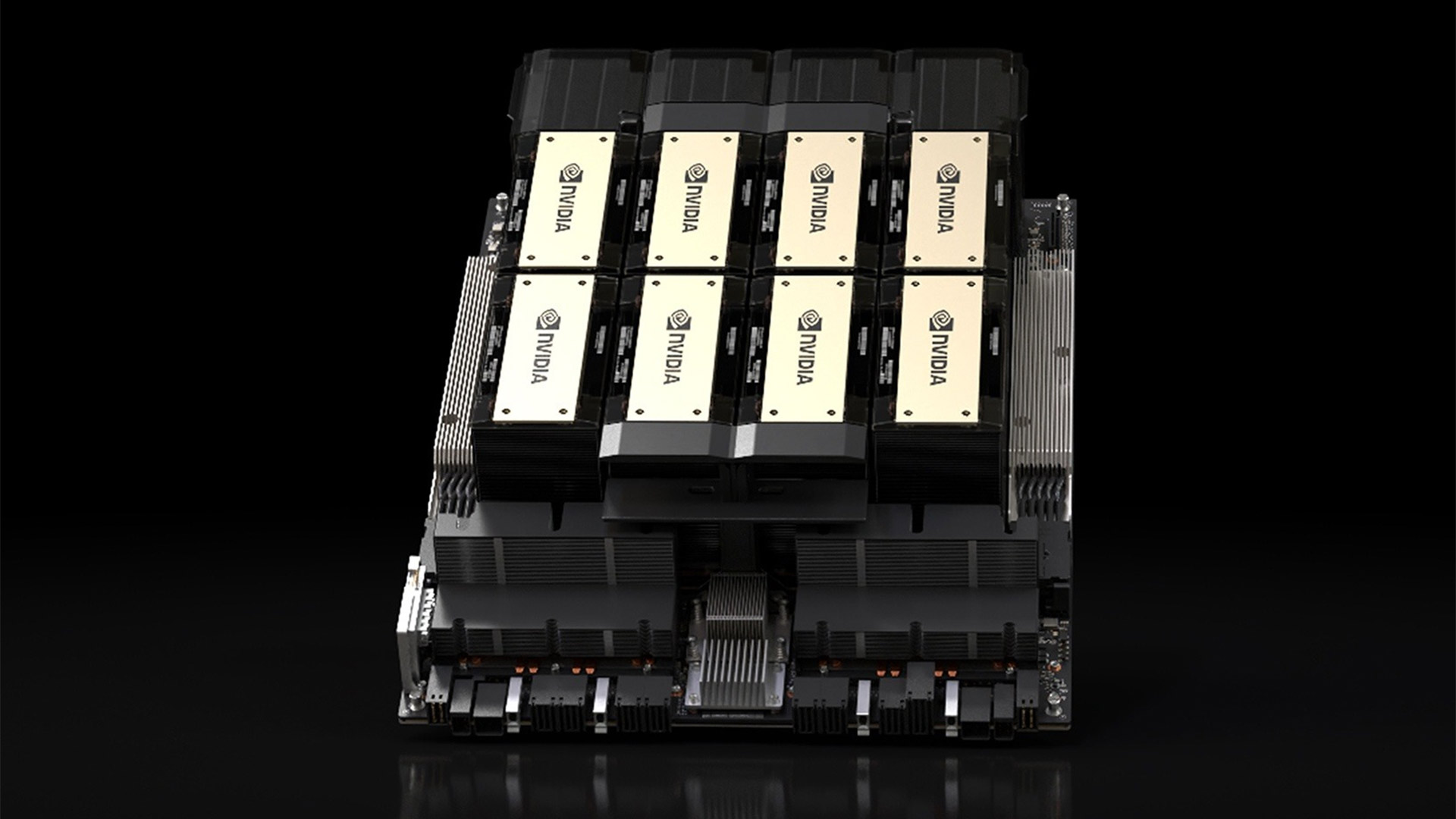
According to reports from Malaysian officials and international news agencies, the operation took place on October 15 within the free trade zone of Kuala Lumpur International Airport. Customs enforcement officers descended upon a suspicious cargo holding area following intelligence-led investigations into regional smuggling networks. Upon inspecting the contents, authorities discovered 30 server units packed with state-of-the-art AI processors.
The seized hardware has been valued at approximately 49.5 million Malaysian ringgit, which translates to roughly $12.1 million USD. Preliminary findings from the ongoing investigation indicate that the high-value shipment originated in an unspecified Asian country and was destined for another undisclosed destination within the region. The clandestine transit route underscores the complex, multi-jurisdictional nature of contemporary tech supply chain evasion tactics, where high-demand electronics are frequently routed through secondary and tertiary hubs to obscure their final destination and circumvent regulatory scrutiny.
The interception sheds light on the immense economic and strategic value of advanced AI hardware in the current technological landscape. Modern data center accelerators and server-grade graphics processing units have become some of the most tightly controlled and fiercely contested commodities on the global market. Driven by the explosive worldwide demand for generative artificial intelligence, large language model training, and heavy enterprise cloud computing, top-tier AI chips are subject to stringent export controls, trade restrictions, and monitoring by major producing nations.
Because these specialized processors are vital for building advanced machine learning infrastructure, their scarcity and high market price have inadvertently created a lucrative black market. Smuggling syndicates have increasingly targeted logistics hubs, free trade zones, and transit corridors across Southeast Asia to move restricted or high-value electronics without proper customs declarations or licensing documentation. Free trade zones, while designed to facilitate international commerce and streamline the movement of legitimate goods through reduced bureaucratic friction, can occasionally become vulnerable points of exploitation for illicit trade networks seeking to bypass national regulatory barriers.
Malaysian customs officials have indicated that the investigation into the seized servers is still very much active. Authorities are working to trace the supply chain backward to identify the individuals, corporate entities, and logistics brokers responsible for orchestrating the attempted transfer. Given the specialized nature of the hardware—which typically requires enterprise-level procurement channels, substantial capital, and technical expertise to deploy—investigators are focusing heavily on uncovering the broader network behind the syndicate.
As global demand for artificial intelligence capabilities continues to outpace official manufacturing capacity, incidents of hardware diversion and smuggling are likely to remain a critical challenge for border enforcement agencies worldwide. The major seizure at Kuala Lumpur International Airport serves as a stark reminder of the escalating stakes surrounding semiconductor security, trade compliance, and the global race to control the physical infrastructure underpinning the future of artificial intelligence.