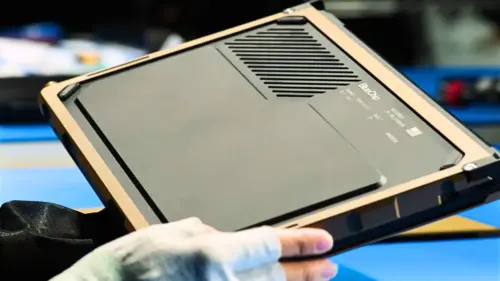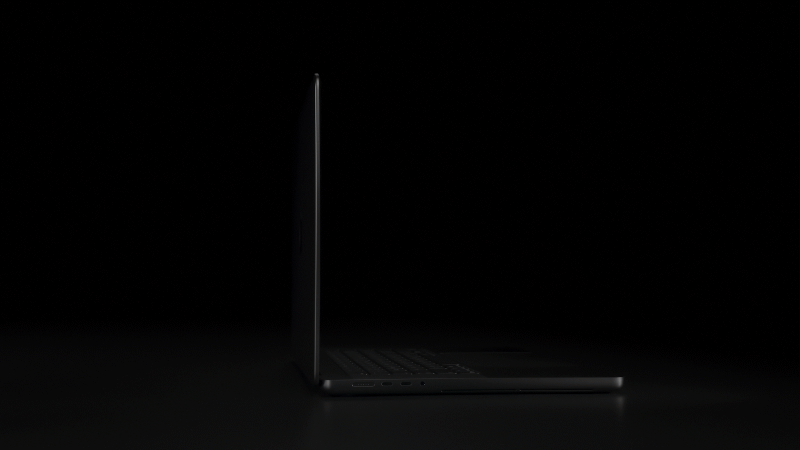
Apple has officially broken a long-standing tradition by introducing touchscreen technology to its flagship laptop lineup. During a special media event held in Los Angeles, the technology giant detailed its brand-new MacBook Pro models, which combine the performance of the company’s advanced silicon chips with vibrant OLED XDR displays that users can now interact with directly using their fingers.
The announcement marks a significant shift in Apple’s product strategy. For well over a decade, the company resisted calls to add touchscreens to its Mac computers, famously arguing that macOS was optimized for trackpad and mouse input and that vertical touch interfaces on laptops were ergonomically awkward. However, the introduction of these new machines demonstrates a major evolution in how Apple envisions user interaction with professional-grade portable computers, bridging the gap between traditional desktop-class operating systems and modern multi-touch expectations.
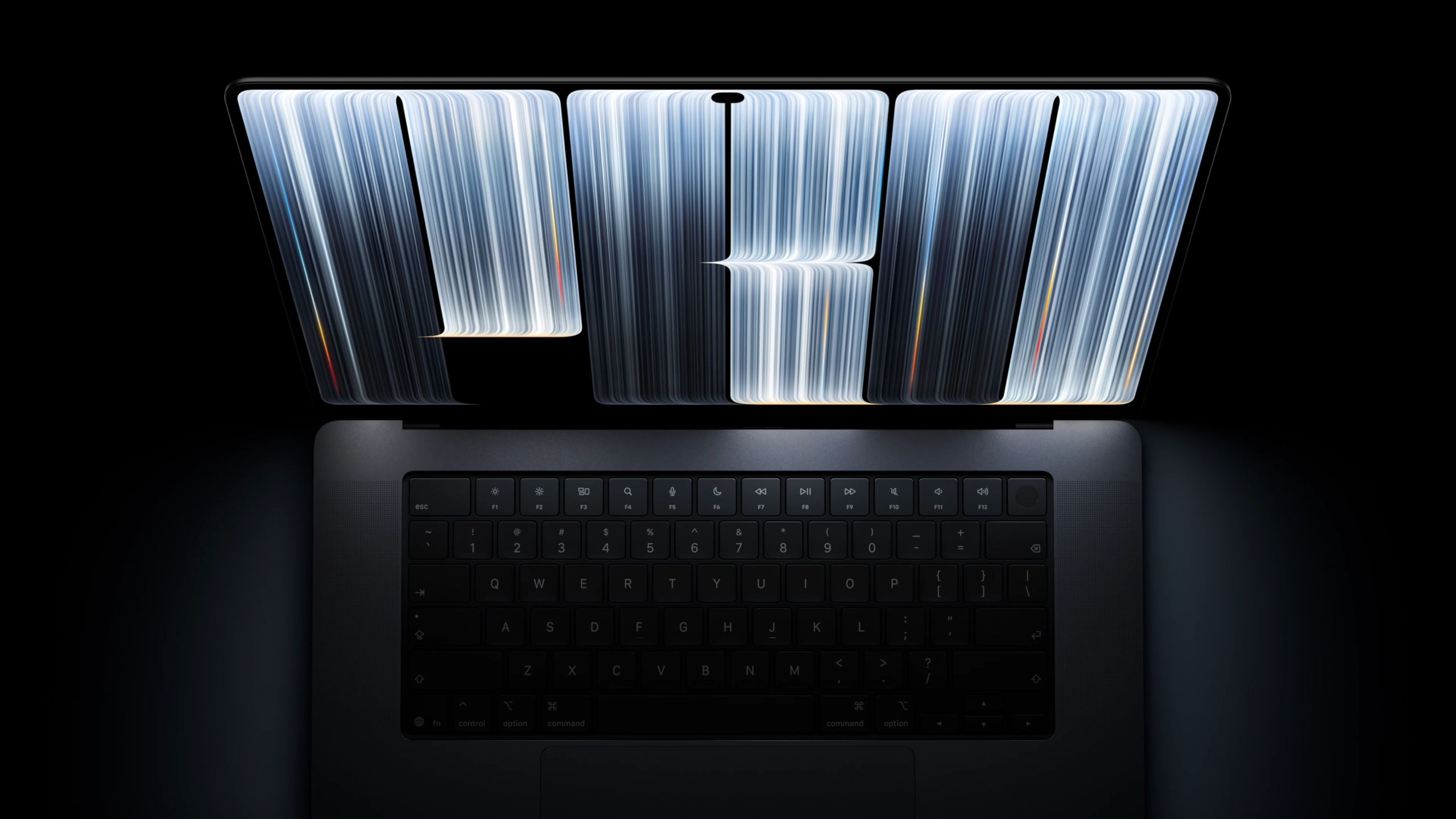
The newly unveiled lineup includes two distinct form factors: a 14-inch model and a 16-inch model. Both versions are available for pre-order immediately through Apple’s official channels and retail partners, with official in-store availability and shipping slated to begin on November 6. As expected for Apple’s high-end professional hardware, the pricing reflects their premium positioning. The 14-inch MacBook Pro starts at $2,899, while the larger 16-inch variant commands a starting price of $3,399 before any custom hardware configurations are added.
Under the hood, these laptops are powered by Apple’s existing high-performance M5 Pro and M5 Max processors. These cutting-edge system-on-chips continue the company’s tradition of delivering industry-leading performance-per-watt ratios, ensuring that demanding creative workloads, software development compilation, and complex data processing tasks can be handled with ease. To support these intensive workflows, Apple has enabled massive configuration options for the new machines, allowing users to scale up their systems to a staggering 16 terabytes of ultra-fast solid-state storage and 128 gigabytes of unified memory.
The crown jewel of the new hardware, alongside the newly minted touch functionality, is the adoption of OLED XDR display technology. Organic Light Emitting Diode panels are renowned for their ability to deliver true blacks, infinite contrast ratios, and exceptional peak brightness levels, making them an ideal choice for professional video editors, photographers, and graphic designers who demand absolute color accuracy. Integrating touch capabilities directly into an advanced OLED XDR panel without compromising visual fidelity or display durability represents a significant engineering achievement for Apple’s hardware design teams.
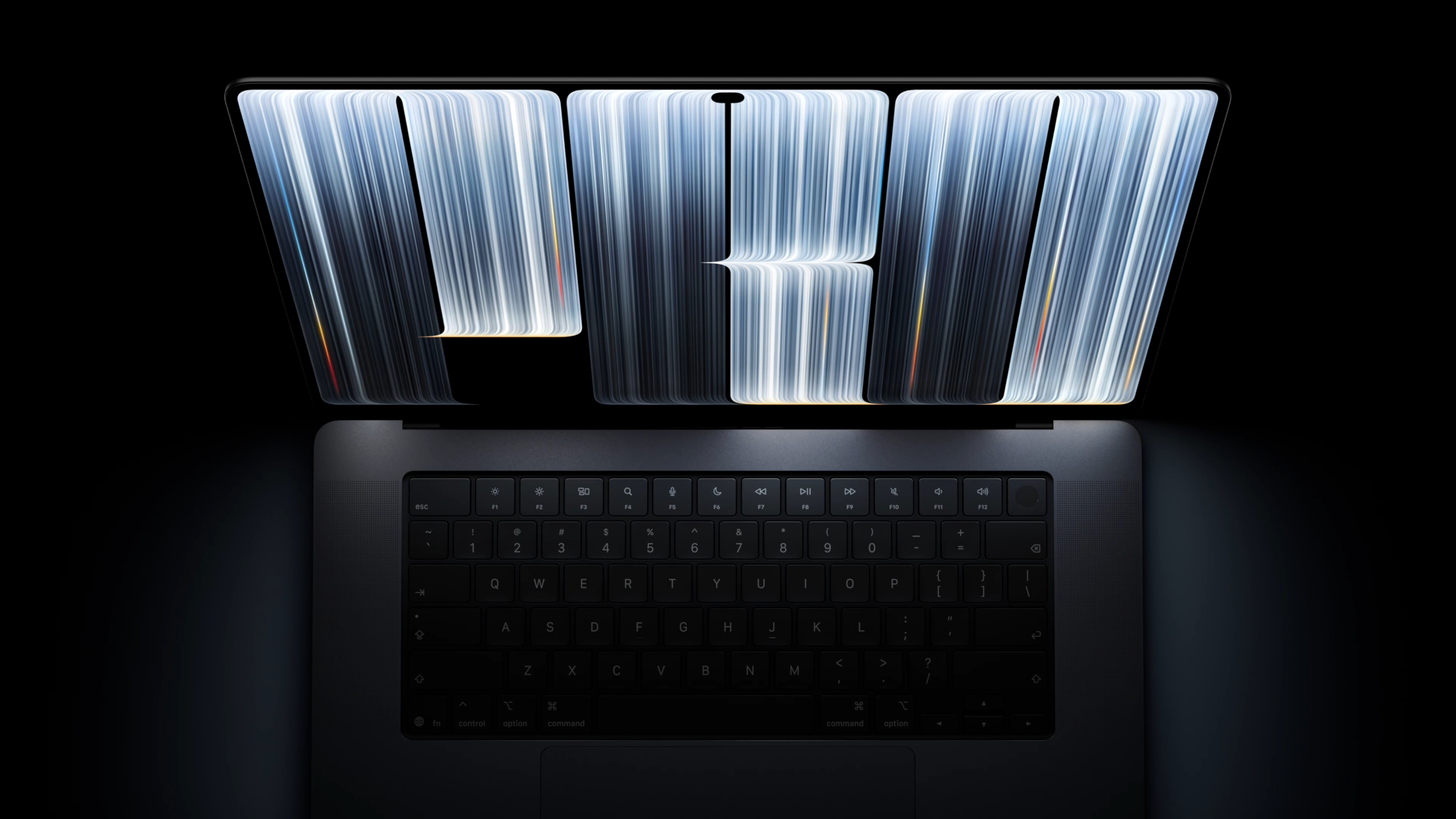
The move to touchscreens on the MacBook Pro is expected to send ripples across the personal computer industry. While Windows-based laptop manufacturers have offered touchscreen options on portable devices for many years, Apple’s entry into the space with a dedicated pro-level macOS implementation brings newfound validation to the form factor among creative professionals. Whether traditional Mac users embrace finger navigation alongside the legendary Multi-Touch trackpad and keyboard remains to be seen, but the hardware choices are now firmly in the hands of the consumers.
With pre-orders live and the official November 6 launch date fast approaching, anticipation is high among tech enthusiasts and professional creators eager to test how macOS adapts to a touch-first paradigm. As these advanced machines begin arriving in the hands of reviewers and everyday users in the coming weeks, the tech world will get its first comprehensive look at how Apple’s bold new vision for the MacBook Pro performs in the real world.