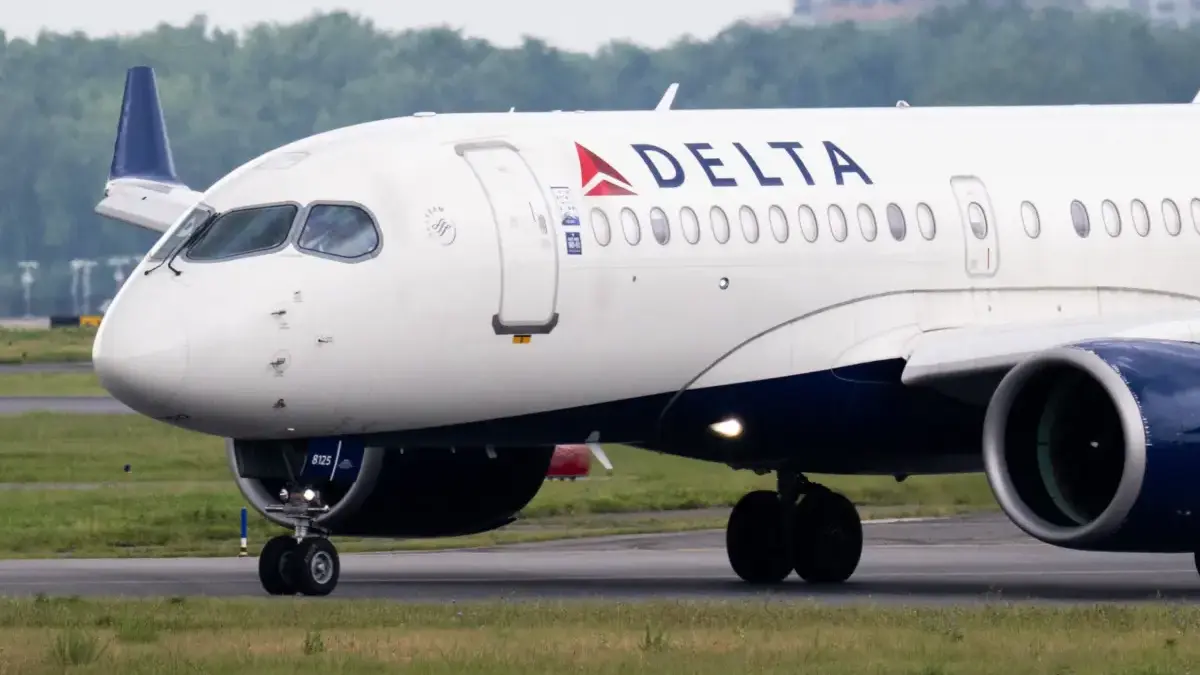
Passengers traveling through Hartsfield-Jackson Atlanta International Airport faced
major disruptions on Sunday as a critical technical failure affected Delta Air Lines operations at its largest primary hub. The cascading delays stem from a malfunction within the airline’s internal infrastructure responsible for calculating precise aircraft weight and balance parameters prior to departure.
The Sunday morning incident compounds an already challenging month for domestic air travel. It arrives precisely one week after a sweeping Federal Aviation Administration (FAA) outage triggered a nationwide groundstop that grounded thousands of commercial flights across the United States. While Sunday’s incident appears localized to Delta’s operations and its principal base of operations, the sheer volume of traffic passing through Hartsfield-Jackson raises concerns about potential secondary ripple effects across the broader national airspace system if the technological hurdles persist throughout the weekend.
According to statements released by the carrier, the disruption centers on the software and automated networks utilized by flight crews and ground staff to determine the total load of departing aircraft. This essential data collection includes computing the precise weight of the physical airframe, onboard fuel reserves, manifested passengers, and checked or carry-on baggage. Furthermore, the automated system enables pilots and operational planners to accurately map the aircraft’s center of gravity, ensuring that cargo and passenger weight is safely and evenly distributed throughout the cabin and cargo holds before takeoff.

Without automated assistance, flight operations cannot proceed under normal protocols, as these safety calculations are mandatory for every commercial flight. In response to the Sunday morning outage, Delta issued a public statement outlining their immediate operational countermeasures. "Delta teams are using manual workarounds this morning to safely get flights departed while work continues to restore automation," the airline said.
These manual workarounds require dispatchers and flight crews to compute weight and balance metrics by hand or through alternative secondary channels, a process that significantly increases turnaround times at the gates and leads to extended delays for outbound passengers. Hartsfield-Jackson Atlanta International Airport maintains its status as one of the busiest and most heavily trafficked aviation hubs anywhere in the world, meaning that even minor adjustments to departure schedules can quickly accumulate, backing up taxiways and creating gate shortages that impact subsequent flight legs.
While industry observers and travelers are understandably frustrated by the recurring nature of major aviation tech glitches, aviation authorities have consistently emphasized that safety protocols must remain paramount. The reliance on manual workarounds, while tedious and slow, is designed to ensure that airframes operate well within certified safety margins until automated systems are fully brought back online by technical support teams.
The timing of this latest operational hurdle has drawn heightened scrutiny from both industry analysts and weary travelers, coming hot on the heels of the previous week’s nationwide disruptions. During the prior incident, an FAA system failure forced an unprecedented groundstop, throwing travel plans into disarray from coast to coast and renewing national conversations regarding the fragility of aging technological infrastructure underpinning modern commercial aviation.
As technical teams work to resolve the root cause of the weight and balance system failure in Atlanta, Delta has urged passengers scheduled to fly through Hartsfield-Jackson on Sunday to monitor their flight status closely through the airline’s official mobile applications and website. Airport authorities continue to monitor the situation closely to determine if the local delays will necessitate broader traffic management initiatives by air traffic controllers to keep the airspace surrounding the mega-hub operating smoothly.