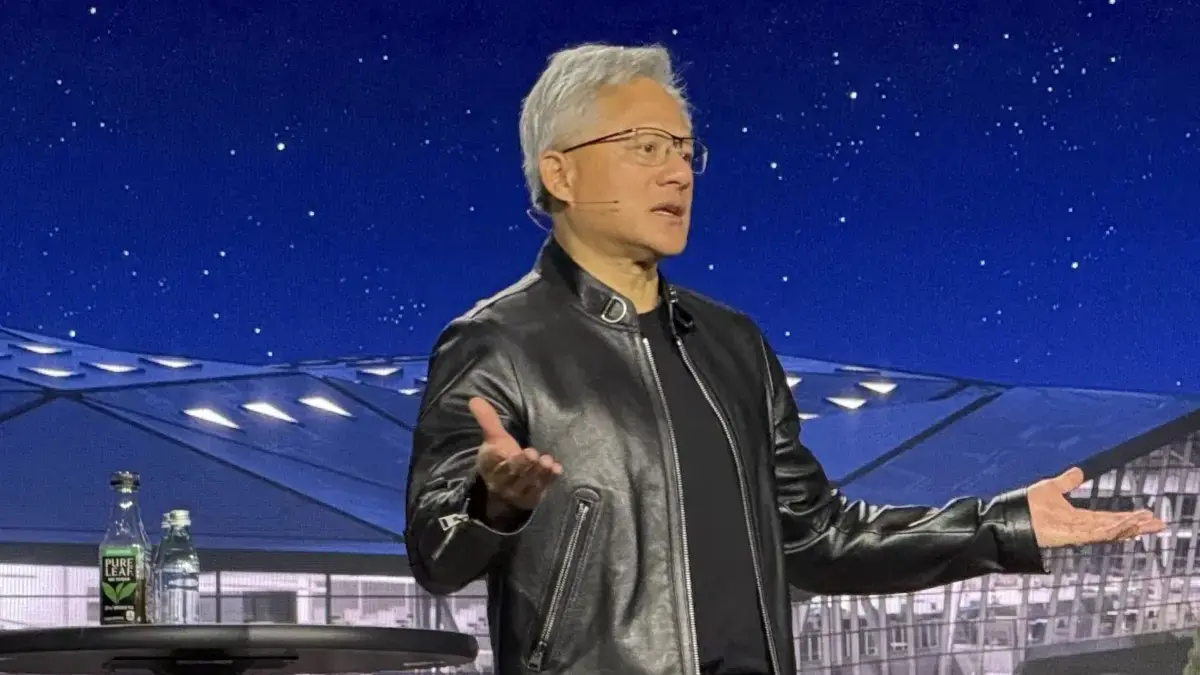
According to a report published by the New York Times, Huang reportedly engaged in an extramarital affair with Kimberly Powell, Nvidia’s vice president of health care and one of his direct reports. The Times, citing five anonymous sources within the company, stated that Huang and Powell were allegedly captured on video being affectionate in March at a hotel in San Jose, California, during the period when Nvidia was hosting its flagship annual GTC conference.
This new revelation arrives while Huang is already embroiled in separate scrutiny regarding a separate relationship with a woman whom U.S. intelligence officials reportedly believe was acting as a Chinese spy in a honeypot operation. According to prior intelligence assessments, that individual has been linked to a company accused of attempting to smuggle billions of dollars worth of restricted AI chips. The convergence of these personal and geopolitical security concerns places Nvidia’s leadership under unprecedented public and internal examination.
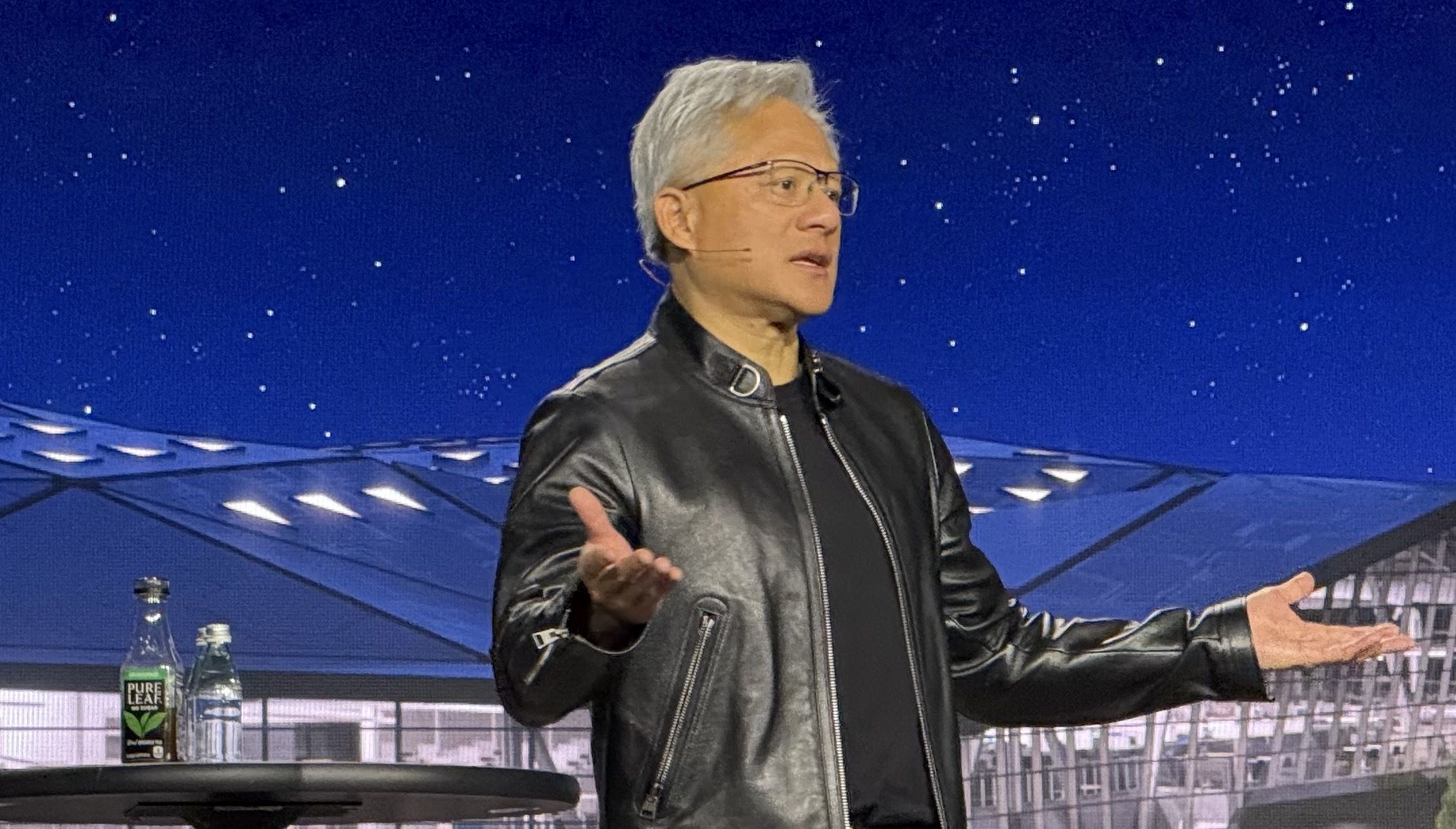
The allegations concerning an internal relationship with a direct report introduce significant governance and corporate policy questions for Nvidia, a corporate titan at the epicenter of the global artificial intelligence boom. Modern corporate governance standards typically require stringent disclosure policies regarding romantic relationships between executives and subordinates, particularly those involving a chief executive officer, to mitigate risks related to conflicts of interest, favoritism, and workplace equity.
Nvidia has grown exponentially over recent years, transforming from a specialized graphics card manufacturer into an indispensable engine of the global technology sector due to surging demand for its specialized semiconductors used in generative artificial intelligence training and deployment. As the face of the company and a pivotal figure in modern technology, Huang’s personal conduct and leadership stability are matters of significant interest to investors, analysts, and industry stakeholders.
The reported incident at the San Jose hotel during the GTC conference highlights how closely intertwined executive behavior and corporate events have become. The GTC conference serves as Nvidia’s premier showcase, drawing thousands of developers, industry leaders, and media members from around the globe to witness Huang’s keynote presentations and announcements regarding the future of accelerated computing.
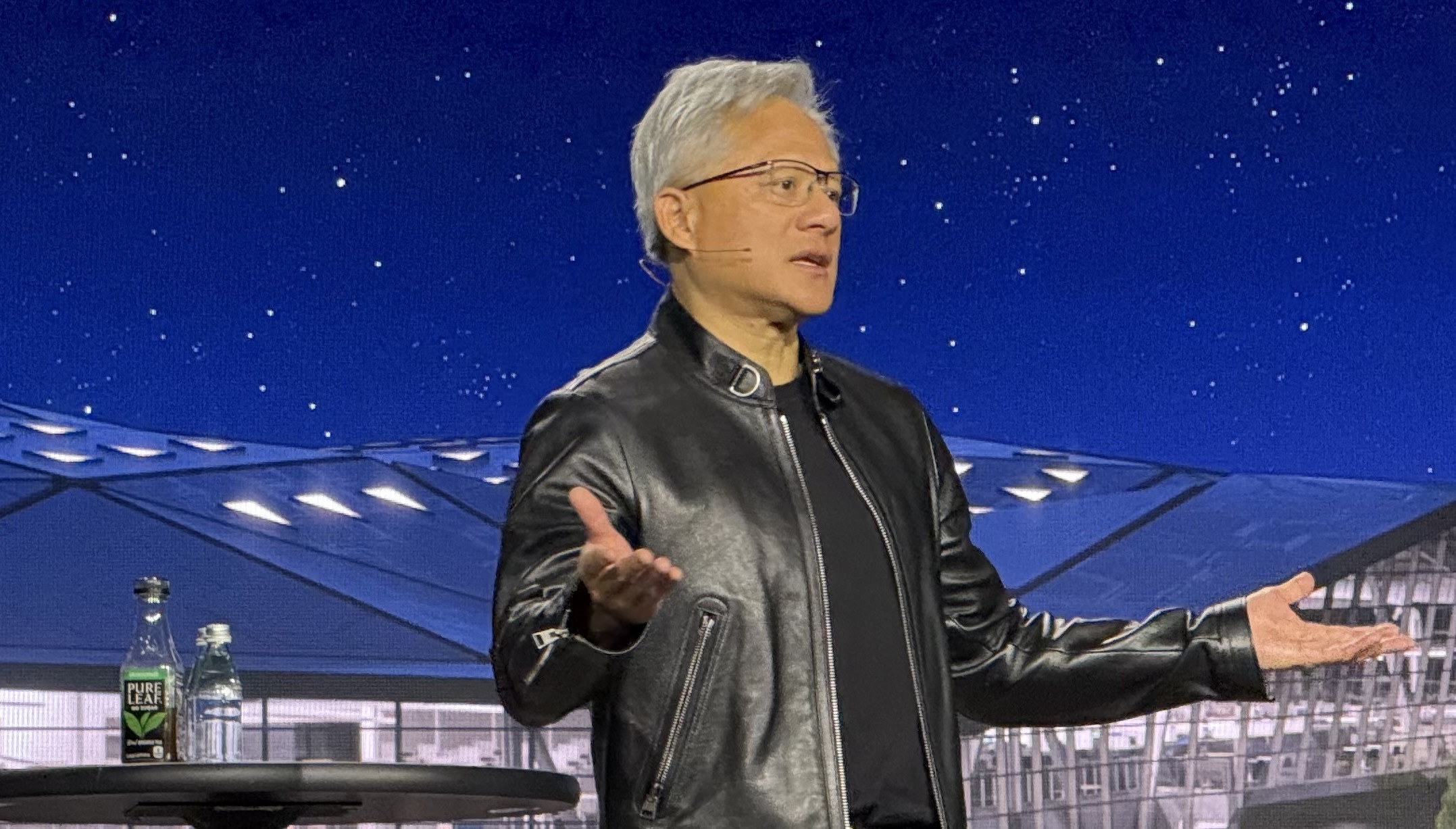
As the situation develops, Nvidia has not yet issued a comprehensive public statement addressing the specific claims reported by the New York Times regarding the relationship with Powell. The intersection of these internal workplace conduct allegations with ongoing national security inquiries regarding foreign intelligence exposure creates a complex and challenging environment for the chipmaker’s board of directors and corporate communications teams.
The ongoing scrutiny underscores the immense pressures and high stakes surrounding executive leadership in the modern technology sector, where individual actions at the top can rapidly ripple across global markets, regulatory bodies, and corporate governance frameworks.