
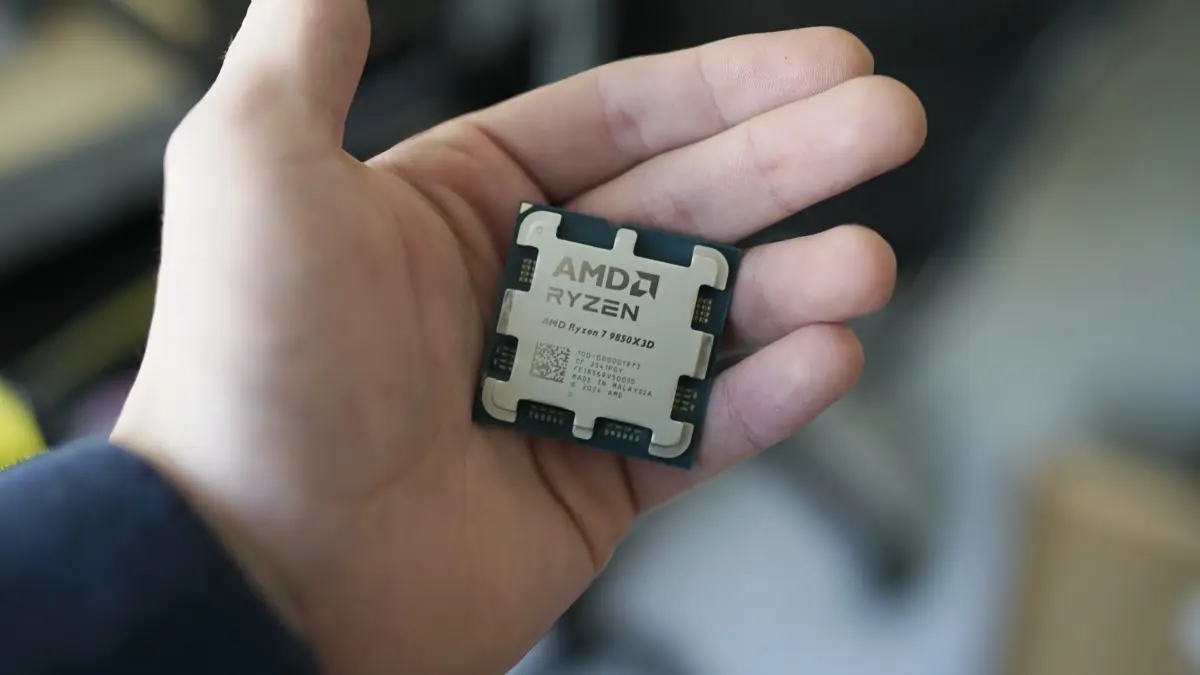
Intel is reportedly preparing to implement a 10% price increase across select central processing units, according to a new report from supply chain sources within the semiconductor industry. This impending adjustment follows similar price bumps enacted earlier in the year, including an initial adjustment in the first quarter followed by another wave in July affecting select server and client processors. While industry reports note that specific product lines subjected to the latest hikes have not been explicitly detailed by insiders, standard market mechanics suggest these adjustments will likely impact mobile platforms and enterprise server solutions before trickling down into the standalone desktop client market.
The fresh round of pricing shifts aligns with broader strategic adjustments at Intel as the company navigates a shifting personal computer market and works to improve its financial gross margins. This ongoing corporate focus has been a recurring theme in recent quarters. During the company’s financial earnings call in July, Intel Chief Financial Officer David Zinsner highlighted that a significant 13% year-over-year increase in client revenue was primarily driven by higher average selling prices rather than a surge in total unit shipment volumes. By prioritizing higher-margin products, Intel continues to adapt its business model to maximize profitability amid fluctuating hardware demand.
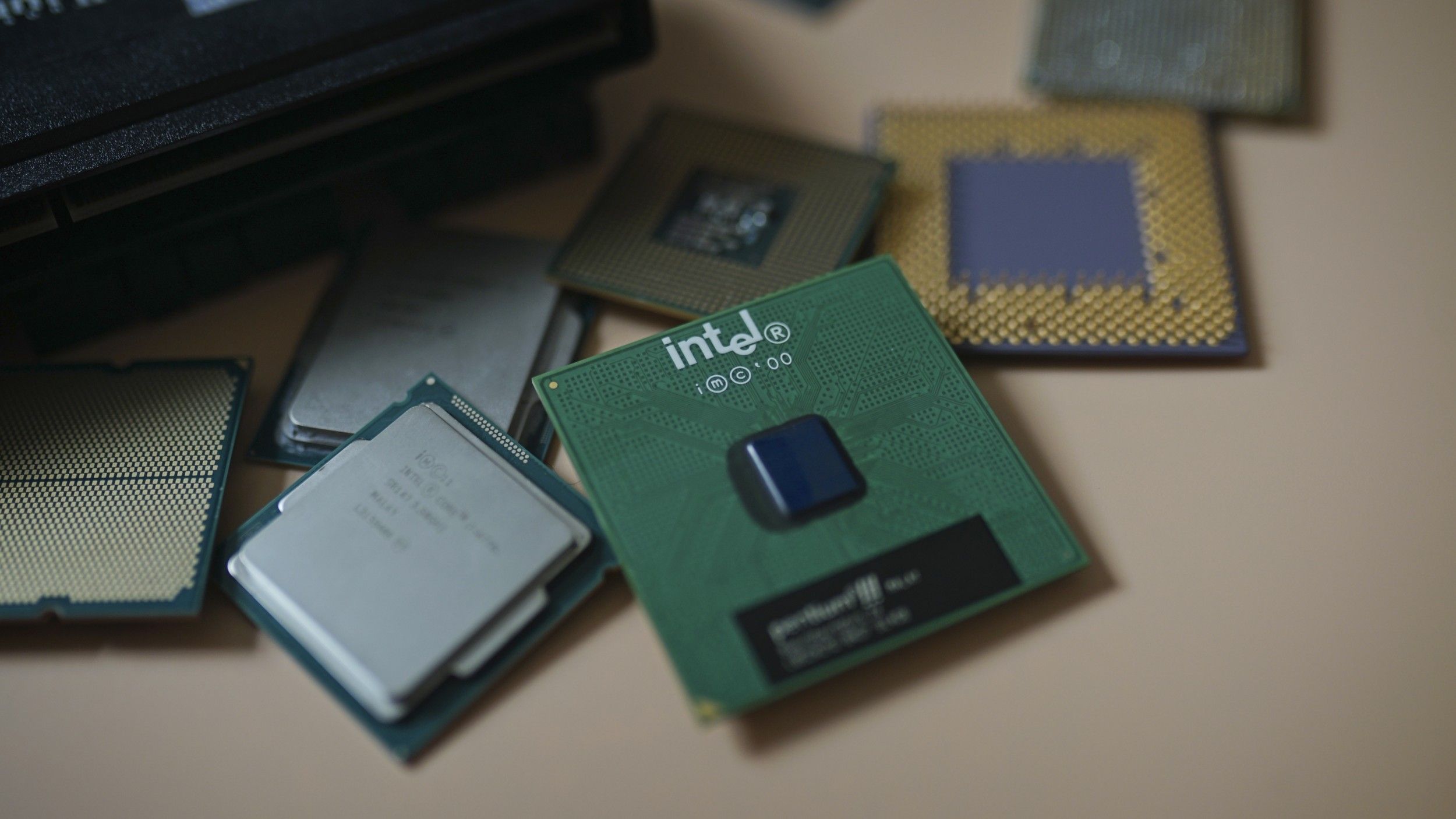
Although supply chain tracking reports do not pinpoint exact consumer models, mobile and server architectures remain the most logical candidates for upward pricing pressure. Modern mobile components face unique cost factors. For instance, Intel’s Panther Lake platform requires high-speed LPDDR5X-7467 memory as a fundamental baseline requirement, while previous-generation Lunar Lake processors feature on-package memory configurations. These integrated memory requirements inherently expose fully built systems, such as modern laptops and thin-and-light notebooks, to tighter component cost constraints compared to modular, socketed desktop processors purchased by DIY builders.
Meanwhile, the enterprise server landscape is experiencing an extraordinary wave of demand, largely catalyzed by the rapid expansion of agentic artificial intelligence workloads. This unprecedented appetite for computational power has propelled continuous positive momentum for Intel’s market valuation, even in periods devoid of major consumer product reveals. Earlier in the year, financial analysts on Wall Street projected that the global server CPU market could expand to roughly $120 billion by 2030, a substantial leap from its historical baseline of around $30 billion. As enterprise deployment requirements intensify, updated industry forecasts have since revised those growth ceilings significantly higher, reaching up to $220 billion.
Industry tracking from supply chain monitors also outlines upcoming hardware timelines for the broader semiconductor landscape, pointing toward major annual product introductions in March 2027, with rival Advanced Micro Devices anticipated to follow with its own wave of releases between June and July of that same year. These projected windows align closely with internal roadmap details. A leaked Intel roadmap previously indicated that the company’s next-generation Nova Lake desktop processors are scheduled to enter mass production during the final quarter of 2026, setting the stage for a commercial debut in the first quarter of 2027.
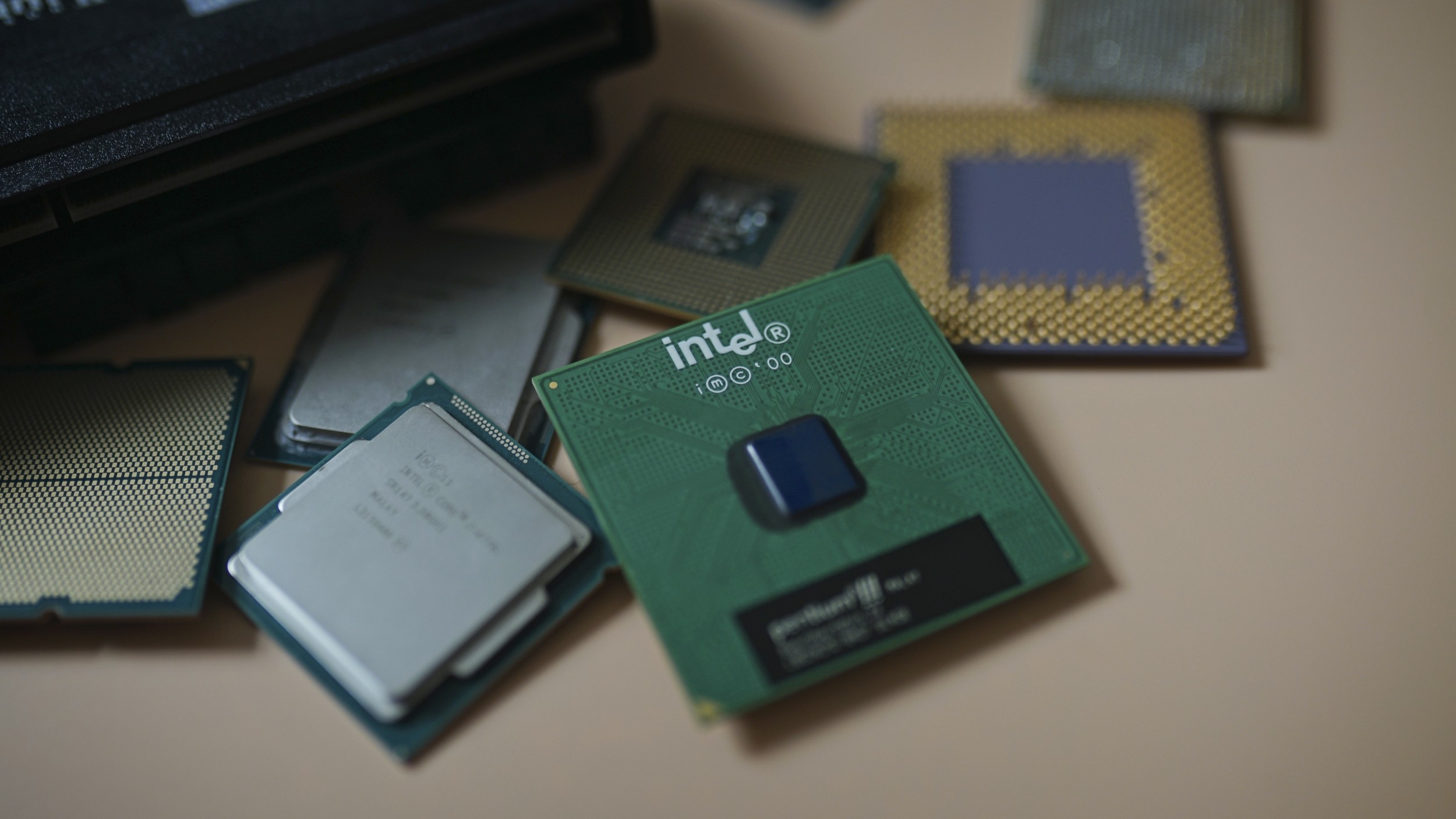
While the general timeframe for Intel’s early-year rollout appears consistent with previous hardware leaks, industry observers note that the exact nature of the March 2027 launch remains flexible. For comparison, Intel utilized a similar early-spring window to officially release specialized high-end desktop platforms and server-class silicon, such as its Xeon 600 chips and specialized enterprise workstation variants.
On the competing side of the aisle, AMD’s anticipated schedule for the middle of 2027 points toward major enterprise and consumer deployments. One prominent product anticipated during this period is Venice-X, an advanced high-performance computing processor utilizing the Zen 6 architecture equipped with substantial 3D V-Cache configurations, designed to offer expansive core counts and elevated clock speeds for demanding server environments. Beyond the enterprise space, this mid-year window is widely expected to accommodate AMD’s next-generation enthusiast desktop processors powered by the same Zen 6 microarchitecture, internally codenamed Olympic Ridge.
AMD formally introduced its initial Zen 6-based Venice server chips earlier in the year, yet official details regarding consumer desktop variants based on the new architecture remain sparse. Historically, a consistent cadence has characterized consumer desktop platform shifts, with approximately a two-year gap separating the introduction of Zen 3 from Zen 4, as well as Zen 4 from Zen 5. Having already crossed the two-year threshold since the debut of Zen 5, traditional industry expectations would point toward earlier consumer announcements. However, the explosive and resource-intensive demands of the enterprise server market may have prompted adjustments to broader product launch roadmaps across the industry, keeping a mid-year debut entirely plausible as manufacturers balance fabrication capacity between consumer PCs and lucrative artificial intelligence infrastructure.

Leave a Reply