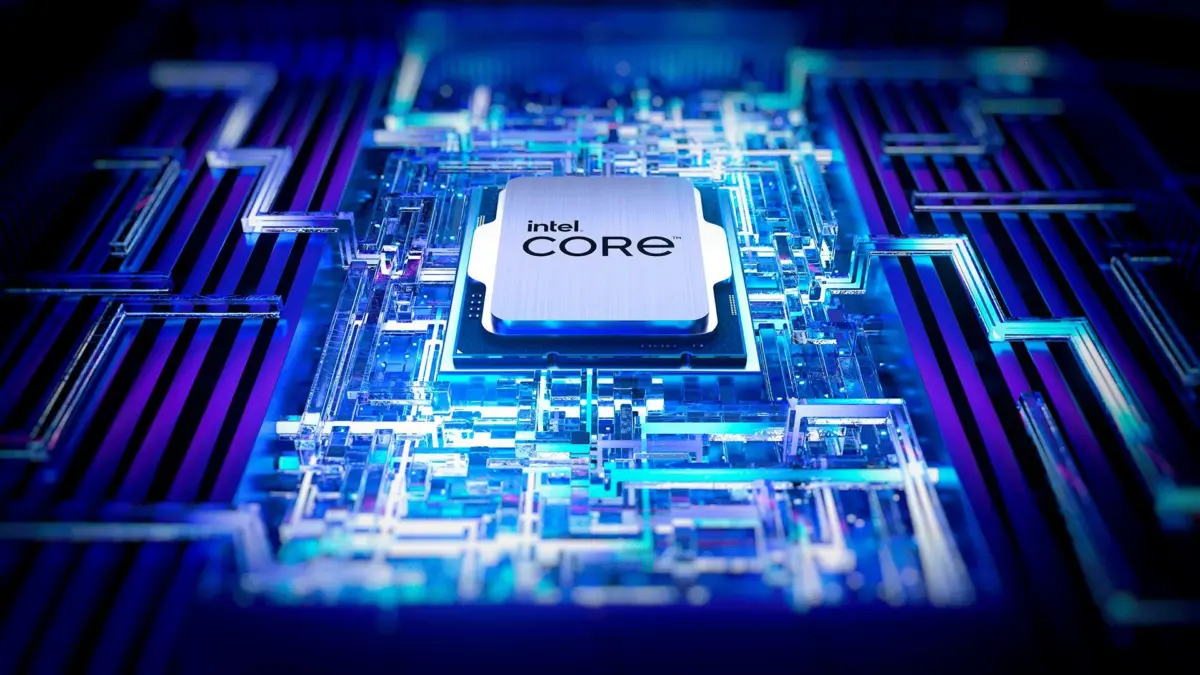
Intel is continuing to lay the groundwork for a prospective refresh of its mature desktop architecture, following the appearance of an internal test driver labeled "RPL-NEXT." This designation is widely understood within the hardware community to reference "Raptor Lake Next" processors, a concept that first captured industry attention earlier this year. The emergence of this software component aligns with tangible supply chain movements, pointing to ongoing development and testing phases within the company’s hardware pipeline.
The discovery of the "RPL-NEXT" string inside an internal Intel driver build reinforces earlier industry reporting regarding the chipmaker’s product roadmap. Initial details surrounding the initiative emerged back in June, indicating that Intel was exploring ways to breathe new life into its established desktop ecosystem. The appearance of the driver serves as a fresh technical indicator that development efforts for these processors are actively progressing behind closed doors, as engineers prepare software stacks to support upcoming silicon revisions.
Adding further weight to these software traces, international trade documentation has provided a clearer window into the physical existence of these components. Shipping manifests originating from Vietnam surfaced recently, revealing export logs for central processing units explicitly bearing the "Raptor Lake Next" nomenclature. According to these records, the movement of these engineering or qualification samples dates back as early as August. Alongside the intriguing product naming convention, the documentation includes preliminary specifications detailing cache configurations and clock speeds, offering hardware analysts a clearer picture of what these prospective chips might bring to the table.
The intersection of software driver updates and international shipping logs typically signifies a critical phase in a product’s pre-launch lifecycle. As internal validation ramps up, companies must distribute engineering samples to regional facilities and testing partners while simultaneously adapting firmware and driver packages to accommodate new hardware IDs. While Intel has not yet formally announced a commercial product lineup under this specific banner, the convergence of these independent data points strongly suggests that engineering teams are actively working with the silicon in both lab and supply chain environments.
Industry observers and PC enthusiasts have been closely monitoring these developments to understand where such a platform might fit into the broader desktop computing landscape. As the hardware ecosystem continues to evolve through new generations of architectures and manufacturing nodes, the presence of Raptor Lake Next indicators highlights Intel’s ongoing efforts to manage its product portfolio across various market segments. With both driver evidence and shipping records now out in the open, attention shifts toward any future official disclosures from the company regarding its mid-term desktop strategy and platform longevity.