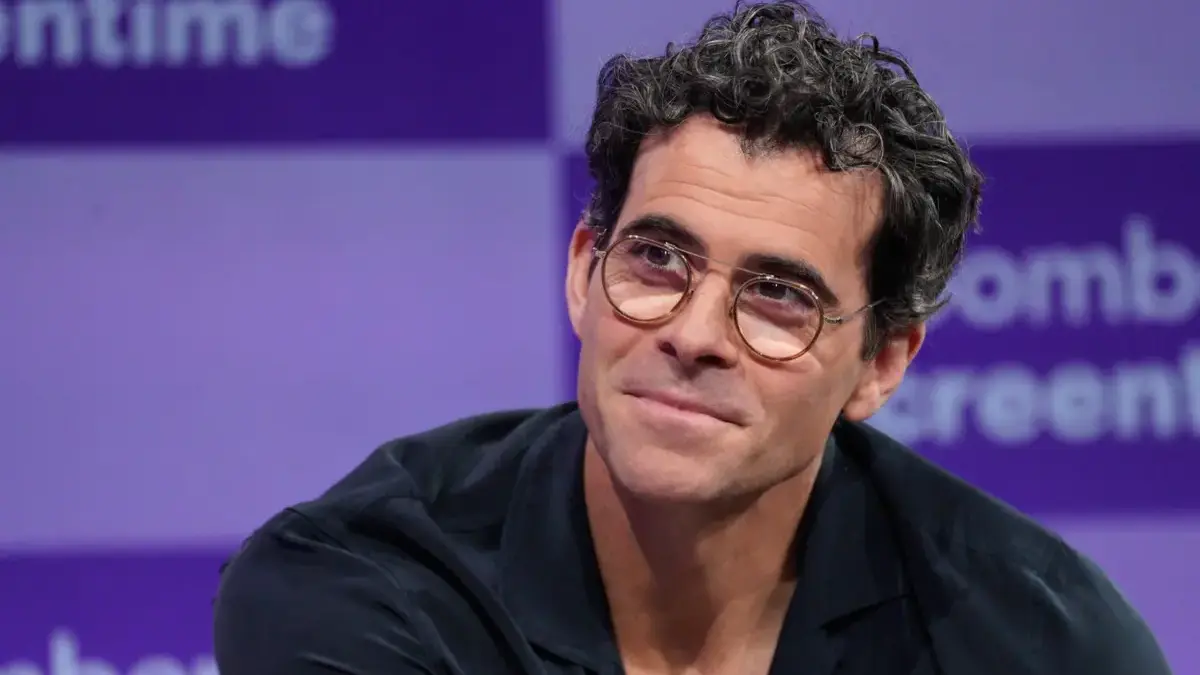
The rapid and aggressive integration of artificial intelligence into daily life, creative industries, and digital platforms has sparked widespread public pushback, ranging from heated campus protests to general digital fatigue. Addressing this growing wave of discontent, Instagram head Adam Mosseri recently weighed in on the cultural backlash against AI, offering a candid perspective on why so many people feel deeply unsettled by the technology. Speaking during an appearance on the Colin and Samir podcast, Mosseri suggested that the widespread anxiety, frustration, and anger directed at artificial intelligence ultimately boils down to a fundamental human concern: "a fear of being left behind in some way."
Mosseri’s comments arrive at a time when friction between tech executives and the public has become increasingly visible. The conversation on the popular creator-focused podcast touched on a variety of broader cultural trends, including recent instances of college graduates openly booing tech CEOs during commencement ceremonies. While these public displays demonstrate that animosity toward the tech sector is not limited to any single demographic, Mosseri noted that the friction surrounding AI is particularly pronounced within creative fields, where individuals face unique pressures regarding their livelihoods, artistic integrity, and professional futures.
According to the Instagram chief, this wave of discontent is unlikely to subside anytime soon. Instead, he warned listeners that the tension surrounding artificial intelligence is poised to escalate over the next few years. In his view, the public discourse will likely see a mix of justified criticisms and unfounded fears, creating a turbulent environment that will prove challenging for professionals across numerous sectors, far beyond the traditional boundaries of the tech industry.
The discussion also delved into how platforms like Instagram handle AI-generated material within their recommendation systems and algorithmic feeds. Addressing whether AI creators receive preferential or penalized treatment from the platform, Mosseri clarified that Instagram does not inherently rank AI-generated accounts differently from human creators. However, he raised a more nuanced point regarding content quality and algorithmic sorting. Pointing to the vast divergence in material being published online, Mosseri noted that while there is plenty of exceptional artificial intelligence content being produced, platforms are simultaneously flooded with low-effort material, colloquially referred to as "AI slop."
When questioned about how these lower-quality submissions are handled, Mosseri suggested that the platform’s ranking systems likely do not elevate poor-quality AI content to the same level as high-quality traditional content. This is not the first time the term has crossed paths with the platform’s leadership; Mosseri previously brought up the concept of AI slop during a New Year’s slideshow dump. During the podcast interview, he reflected further on the terminology, expressing his belief that the term "slop" is currently used "too liberally" by commentators and users alike, often blurring the lines between genuinely uninspired automated creations and innovative uses of the technology.

The challenge of managing artificial intelligence on a massive social media platform extends well beyond algorithmic sorting and content quality. Over the past year, Instagram and its parent company have faced intense scrutiny regarding the proliferation of misleading automated content, deepfakes, and deceptive accounts. In response to these growing concerns, the platform began cracking down on fake AI-driven profiles in August, following the earlier rollout of specialized labels designed to identify accounts utilizing artificial intelligence.
Despite these enforcement efforts, deceptive media continues to slip through the cracks. High-profile incidents involving celebrity deepfakes—such as manipulated likenesses of public figures like Taylor Swift and Mia Goth—have highlighted the persistent dangers of unvetted synthetic media circulating online. Earlier in the month, Mosseri addressed these ongoing safety vulnerabilities, admitting that Instagram is still "actively working out what to do" about the broader issue of AI-generated fakes. At the same time, he set realistic expectations regarding moderation limits, stating candidly that attempting to completely ban artificial intelligence content from the platform is simply not practical given the scale and velocity of modern digital publishing.
Instead of an outright ban, Instagram has chosen to lean into transparency mandates and user-facing disclosures. Mosseri explained that the platform is now starting to require AI-driven accounts to explicitly label themselves. The rationale behind this policy is rooted in user trust, ensuring that individuals scrolling through their feeds can easily distinguish between what is authentic and what has been synthetically generated.
Beyond the immediate challenges of moderation, deepfakes, and platform transparency, Mosseri emphasized that the broader emotional and professional anxiety surrounding artificial intelligence runs much deeper than surface-level policy debates. During his heart-to-heart discussion on the podcast, he outlined the multifactorial concerns weighing heavily on the minds of modern content creators, artists, engineers, and mathematicians alike.
According to Mosseri, individuals are grappling with a complex web of anxieties regarding digital ownership and the ethics of data scraping. Creators are increasingly worried about maintaining control over their intellectual property, particularly regarding how major tech models are trained on content they produced without explicit consent or compensation. Safety concerns also loom large, alongside the very real economic fear of job displacement. Whether someone works as a digital artist, a software engineer, or a mathematician, the specter of automation taking over traditional roles has injected a profound sense of instability into the modern workforce.
By distilling these multifaceted anxieties down to their core, Mosseri suggested that the friction, anger, and skepticism greeting the AI boom are ultimately driven by an underlying human insecurity. When stripped of technical jargon and policy debates, the widespread resistance to artificial intelligence represents a deeply rooted apprehension about the future—specifically, a profound fear of being left behind in a rapidly transforming digital landscape.