As artificial intelligence increasingly shapes how everyday users discover information online, website owners and digital marketers are facing a fundamental shift in how visibility is achieved. Unlike traditional search engines like Google, which typically present users with a page of blue links and domain rankings, OpenAI’s ChatGPT responds in a conversational manner. When a user enters a prompt, the AI-powered chatbot synthesizes answers on the fly, selecting sources based on relevance, trustworthiness, and technical accessibility.
Understanding how ChatGPT selects websites to cite requires looking closely at how its underlying search mechanisms operate. When a query requires current information, ChatGPT actively searches the web by rewriting the user’s prompt into targeted search queries. It gathers pages using partner search providers, such as Microsoft’s Bing, alongside OpenAI’s proprietary web crawler. Because the system customizes each prompt and factors in elements like approximate user locations and past chat memory, answers can vary significantly from person to person.
For website owners seeking to capture this emerging traffic, achieving visibility is not about paying for placement—OpenAI explicitly states that advertising does not influence chat responses—but rather about mastering technical accessibility and content optimization. Industry analysis reveals that navigating this new landscape effectively involves allowing specific search crawlers, ensuring content readability, aligning with user prompting habits, and tracking performance over time.
How ChatGPT Chooses Websites to Cite
When ChatGPT determines that a user’s question requires up-to-date information, it initiates a live web search. The AI engine parses the prompt, translates it into optimized search syntax, and aggregates pages from its network. Crucially, there is a distinct difference between a brand mention and a genuine citation. A brand mention occurs when ChatGPT references a company name within its conversational summary without including a hyperlink. In contrast, a citation provides a clickable link to the source page, appearing both inline next to the supported sentence and within the dedicated sources panel that opens when a user selects reference links.
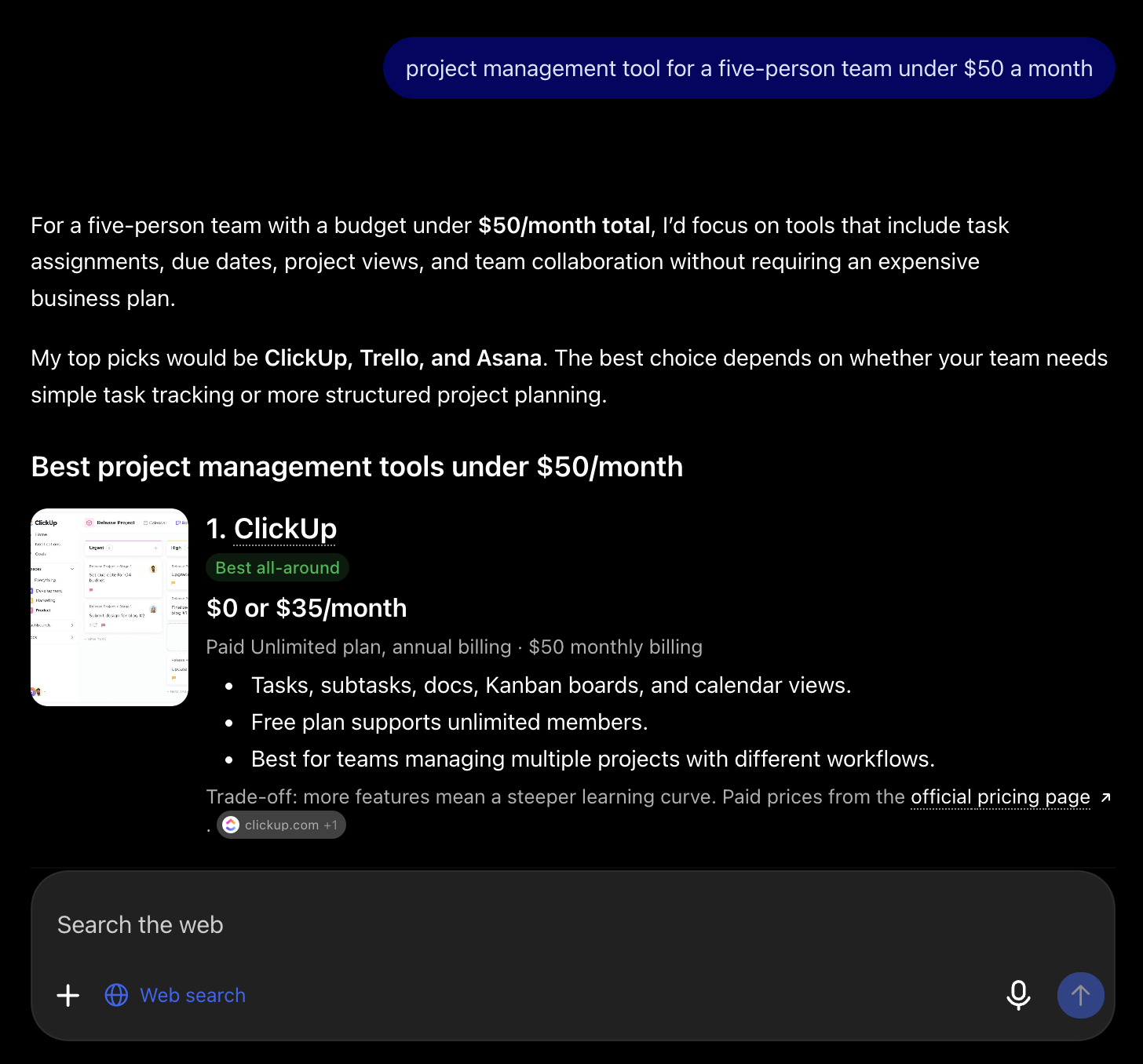
While mentions can stem from either live searches or the static training data the model learned from, live citations require active web discovery. For instance, when querying ChatGPT for a project management tool under a specific budget and team size, the system might initially summarize top contenders by name alone, but subsequently cite the official domain of a winning platform further down in its source list. Influencing whether a site earns these valuable citations comes down to a few critical areas under the site owner’s control, starting with server-level permissions.
Managing OpenAI Crawlers and Technical Access
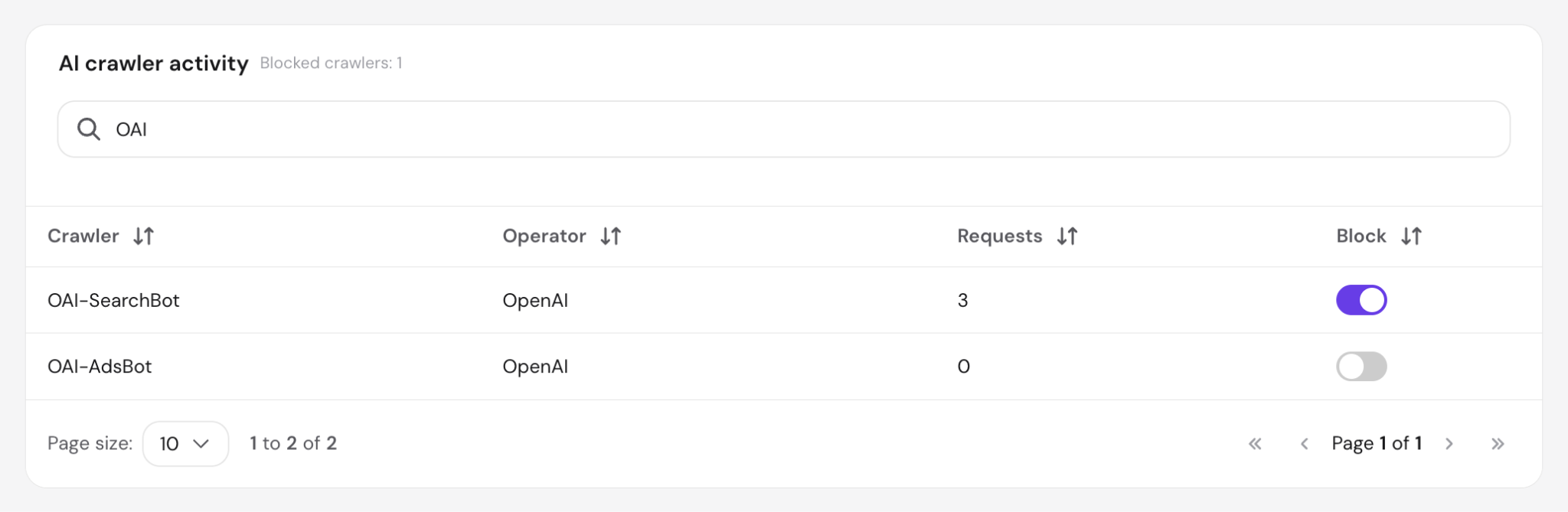
The foundational step to appearing in ChatGPT search results is granting OpenAI’s specific search crawler, known as OAI-SearchBot, permission to read and index your web pages. This access is typically managed through the site’s robots.txt file—a plain text file located in the root directory that communicates with automated crawlers. According to OpenAI’s developer documentation, websites that actively block OAI-SearchBot will not appear in ChatGPT search answers, although a plain, unindexed link may occasionally slip through.
It is important to distinguish between OpenAI’s various bots. While OAI-SearchBot handles the discovery and refreshing of pages for live ChatGPT searches, GPTBot is dedicated to collecting content for AI training models, and ChatGPT-User handles direct page fetches when a user explicitly asks the chatbot to visit a specific URL. Site owners frequently choose a hybrid approach, permitting OAI-SearchBot to ensure search visibility while simultaneously restricting GPTBot from using their proprietary content for training purposes.
Data from large-scale analyses of automated web requests indicate that a significant majority of major websites now selectively allow search crawlers while opting out of training bots. To configure this properly, web administrators edit their robots.txt file to explicitly allow OAI-SearchBot while disallowing GPTBot. Beyond file-level rules, site owners must also ensure that server firewalls, content delivery networks, and security settings do not inadvertently flag the crawler as suspicious traffic or block it from rendering the page.
Ensuring Content Readability and Technical Readiness
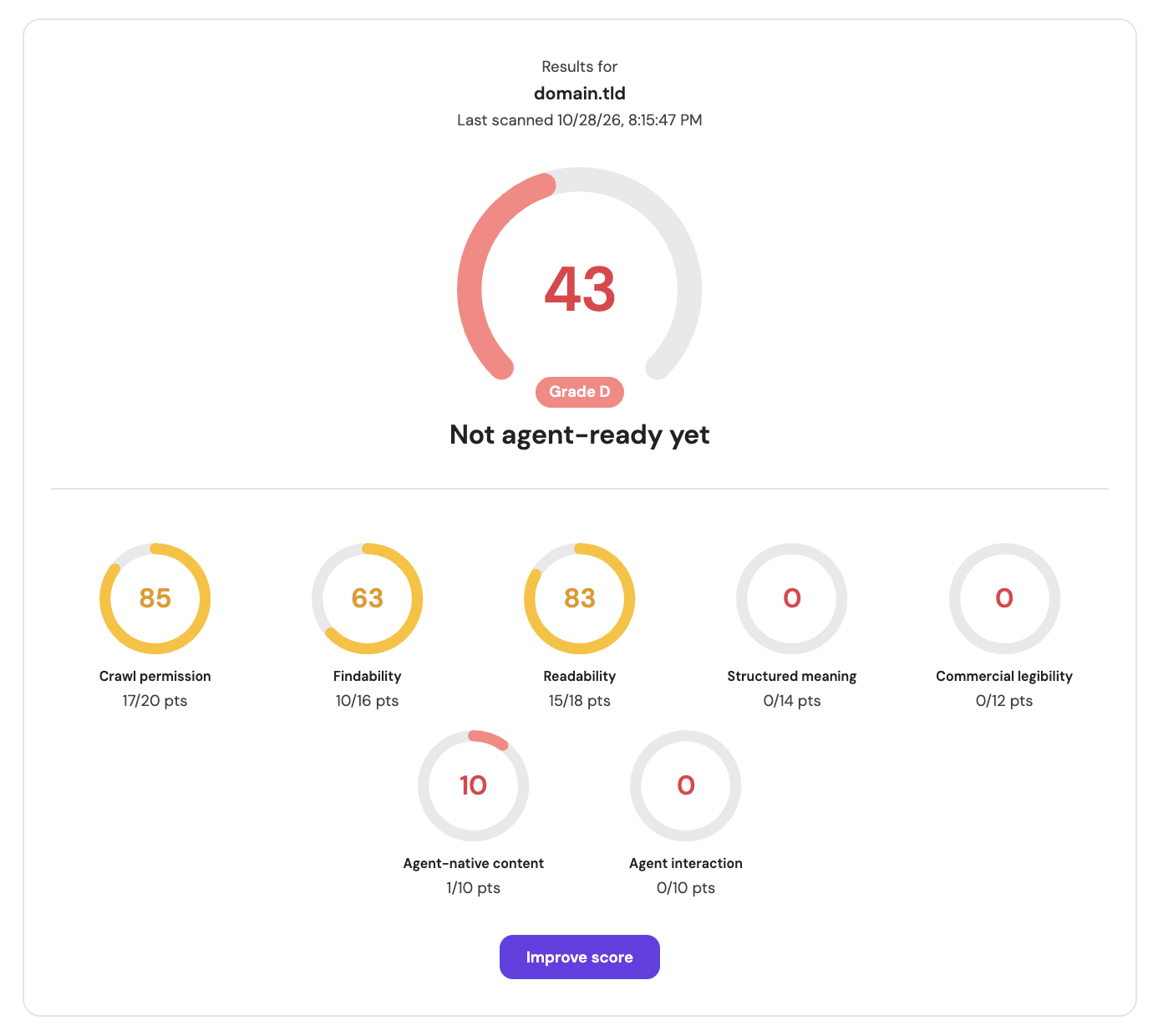
Even when crawler permissions are correctly established, technical roadblocks can prevent an AI model from successfully extracting information. A primary concern is the heavy reliance on JavaScript for rendering page content. When servers transmit HyperText Markup Language (HTML), they deliver the foundational code of a site. However, if key information—such as product pricing, technical specifications, or direct answers—is loaded dynamically via JavaScript after the initial page load, crawlers that do not execute JavaScript may completely miss the text.
To maximize the likelihood of being cited, website administrators must ensure that vital textual information resides directly within the raw HTML code. Automated visibility checkers and site auditing tools can assist in diagnosing whether critical content is accessible to non-JavaScript crawlers. Furthermore, getting listed in traditional search engines like Bing and Google remains an essential foundational strategy. Because Microsoft is a primary search partner for OpenAI, maintaining a healthy, up-to-date sitemap submitted through webmaster tools directly improves the chances that AI search crawlers will discover and index new pages efficiently.
Crafting Content Aligned with User Intent
Beyond technical infrastructure, the actual substance of a webpage dictates whether ChatGPT finds it worthy of citation. Modern AI prompts are rarely simple keywords; instead, users frequently enter complex, multi-variable queries containing specific constraints regarding budget, geographic location, team size, or required technical features.
When ChatGPT processes these nuanced prompts, it looks for sources that directly address every constraint outlined by the user. Generic lists of popular services or products that omit crucial pricing and feature metrics leave the AI with insufficient data to work with. Conversely, pages that outline specifications plainly, structure data logically, and provide comprehensive answers to specific customer questions give the AI exact facts to match and quote in its responses.
Building a robust reputation in AI search also heavily relies on third-party validation. ChatGPT frequently relies on trusted review sites, industry comparison articles, business directories, and online forums to aggregate opinions about brands. Monitoring where ChatGPT currently sources its answers for industry-specific prompts allows brand managers to identify influential third-party platforms and secure mentions, reviews, or links on those established domains.
Tracking Visibility and Performance Over Time
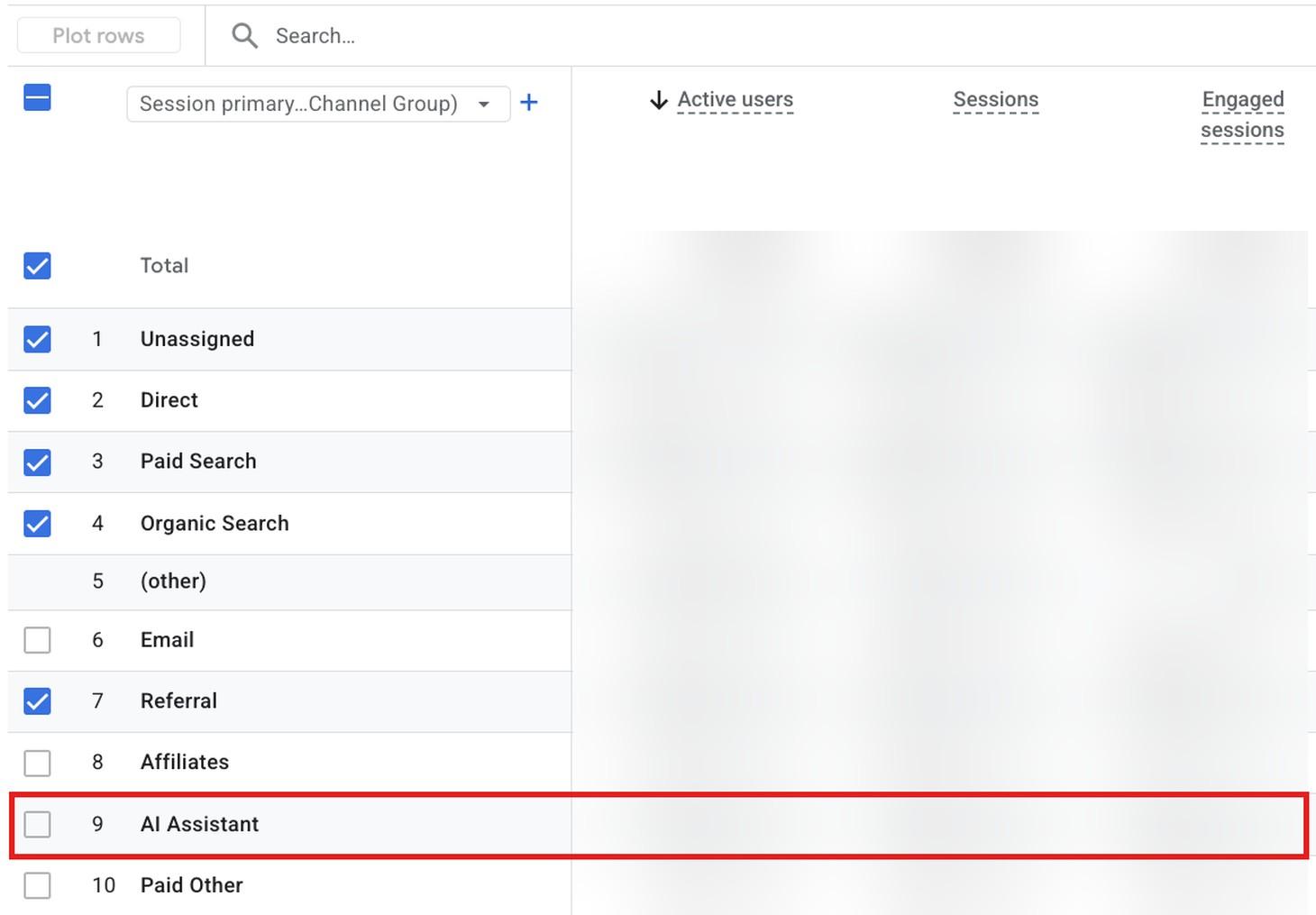
Because traditional web analytics tools are designed primarily to track standard search engine referral traffic, measuring success in generative AI search requires a multi-faceted approach. Website statistics can sometimes capture direct traffic originating from ChatGPT links if UTM tracking parameters are properly appended, but this method entirely misses unclicked citations and brand mentions.
To gain a comprehensive understanding of AI visibility, digital marketers combine several distinct signals. These include monitoring server visitor logs and CDN analytics to verify that OAI-SearchBot is actively reaching the site, maintaining a periodic manual log of targeted prompt responses to track brand citations over time, and utilizing specialized AI visibility tracking software where available.
Ultimately, establishing and maintaining visibility in ChatGPT is an ongoing operational commitment. Because routine updates to content management systems, security plugins, content delivery networks, or hosting environments can inadvertently alter crawler permissions or hide textual content, regular audits remain essential for safeguarding a brand’s presence in the evolving landscape of generative search.