
The domain landscape is experiencing an unexpected shift following a recent push toward artificial intelligence terminology. The .si country-code extension, traditionally assigned to Slovenia, has seen a dramatic rise in global registrations. This surge is driven by a linguistic association that has captured the attention of tech projects, investors, and artificial intelligence developers worldwide: the letters "SI" are increasingly being interpreted as shorthand for "superintelligence."
While the domain officially belongs to Slovenia, international law and registry rules do not require registrants to reside or operate a business within the country’s borders. This accessibility has opened the door for a wave of foreign buyers looking for creative branding opportunities. For the burgeoning AI sector, the extension offers a compelling alternative to the highly coveted and expensive .ai top-level domain, providing a modern, tech-forward aesthetic at a fraction of the cost.
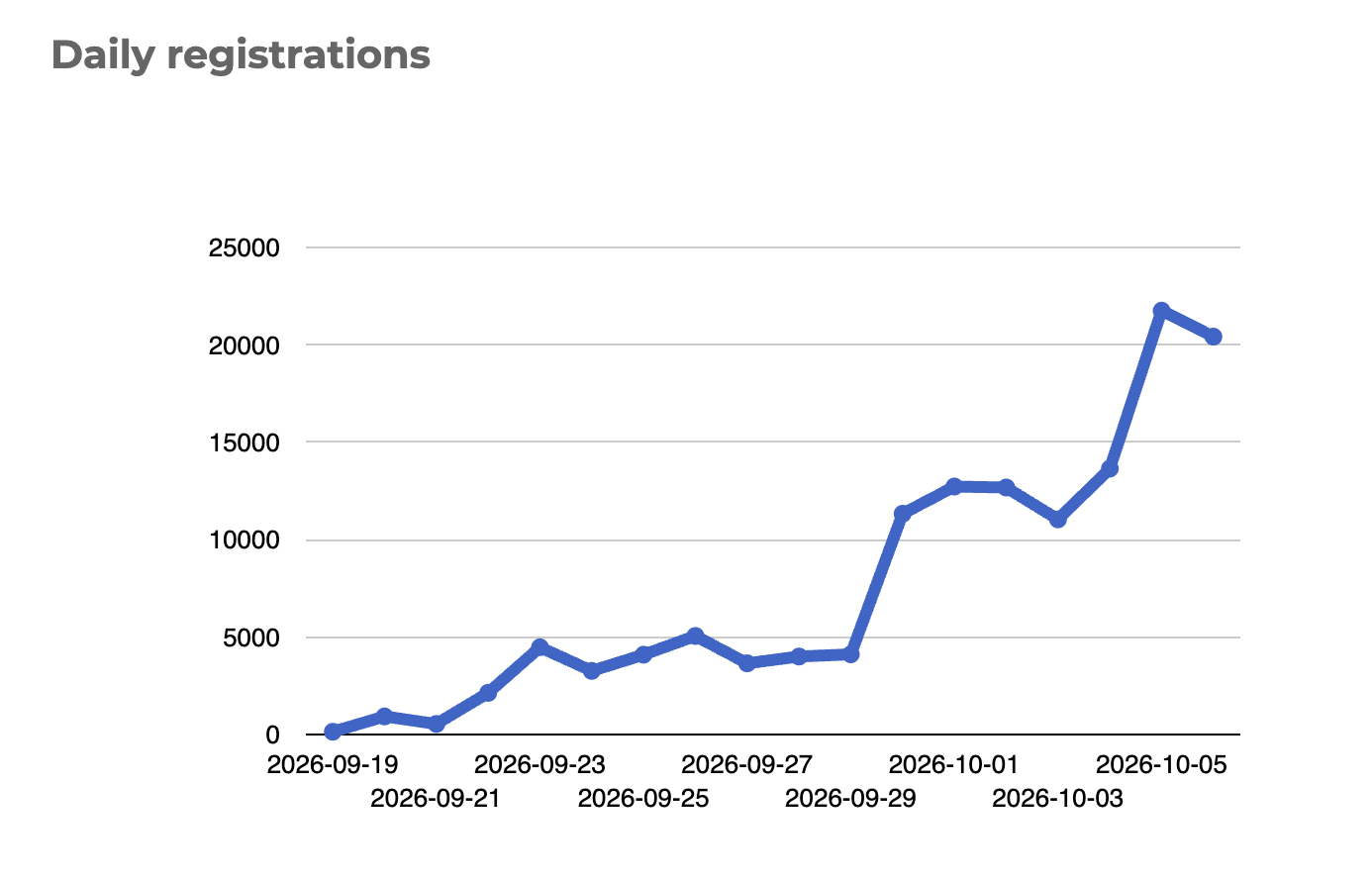
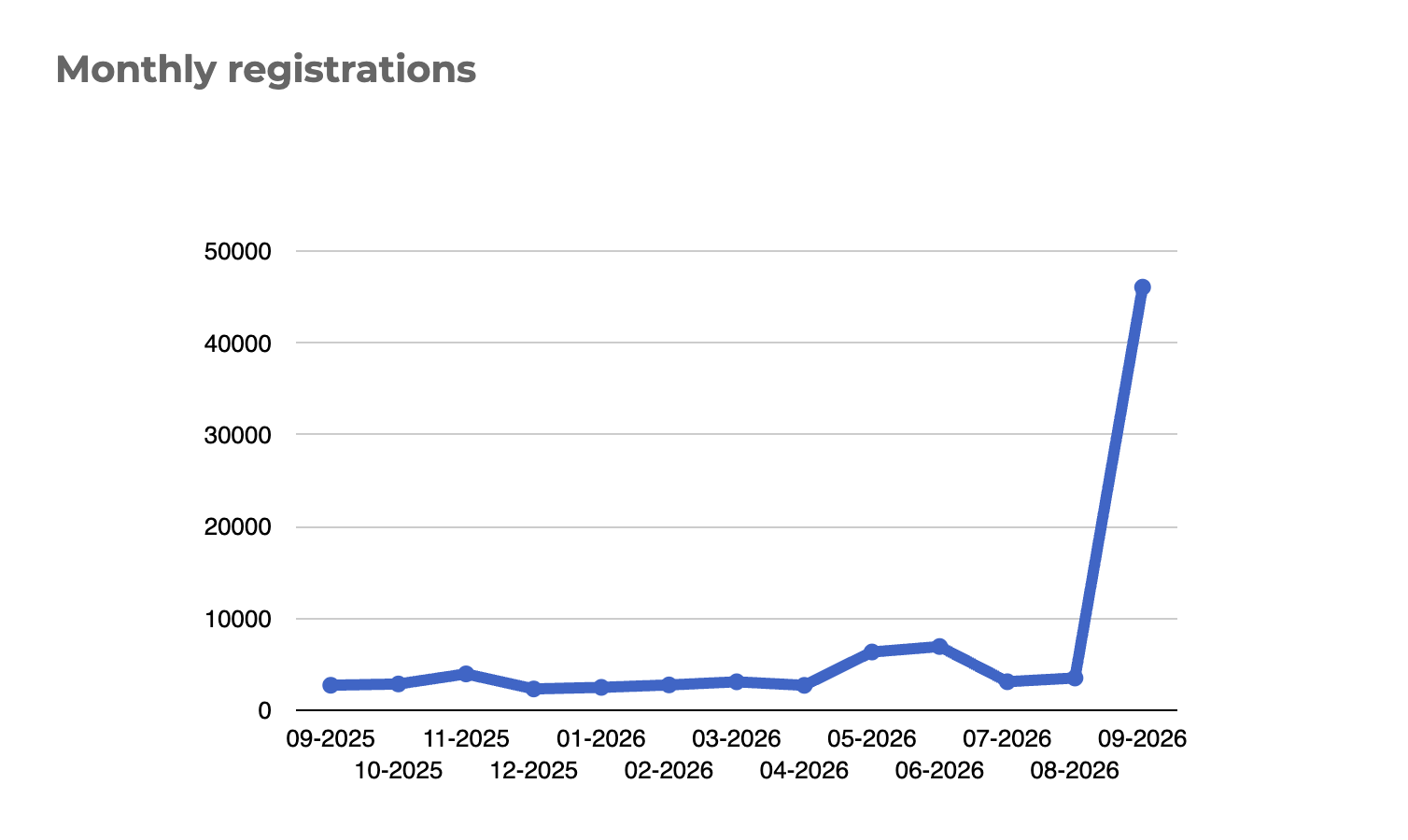
Market demand for these domains escalated sharply following a late-September directive from the United States government instructing federal agencies to adopt the terminology "Super Intelligence" in place of traditional "AI" references. Following the announcement, daily and monthly registration metrics published by Register.si, the official organization managing the extension, revealed a marked upward trajectory.
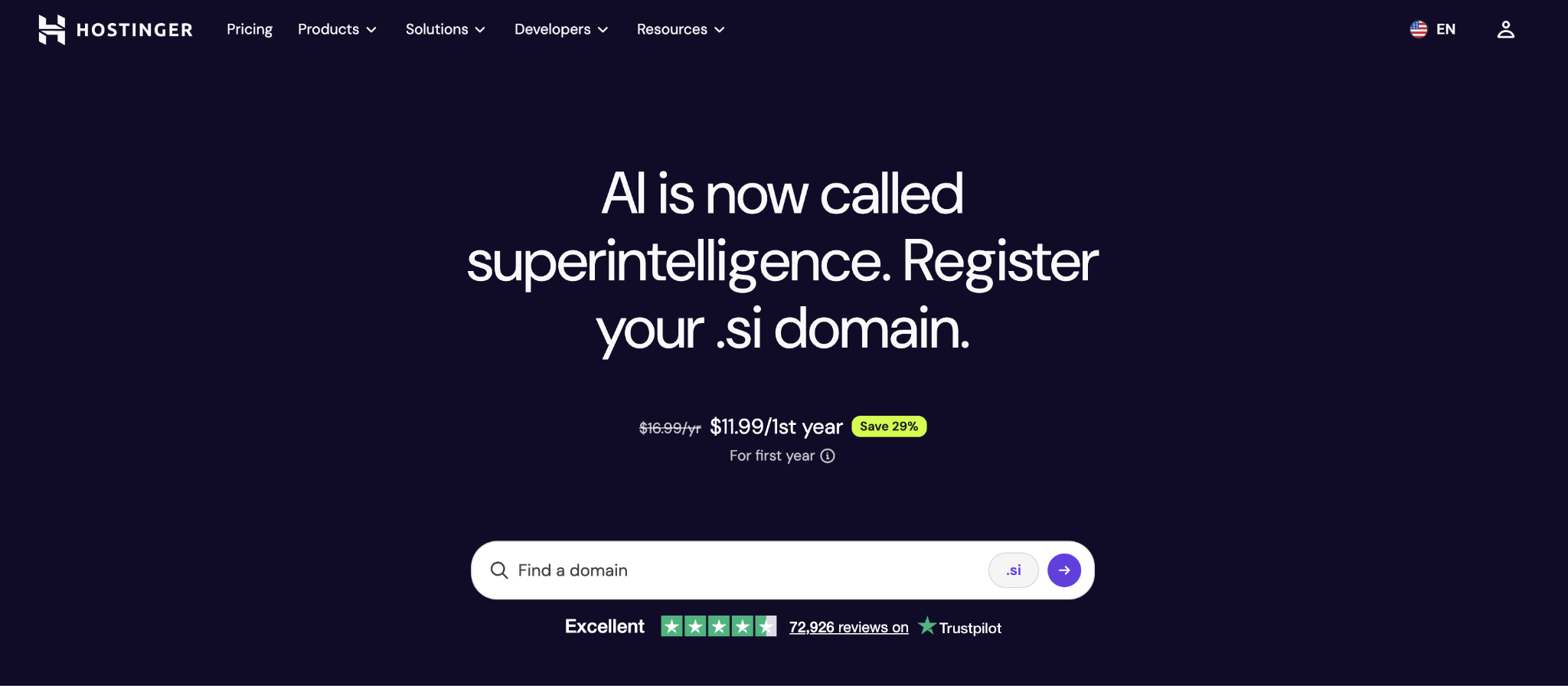
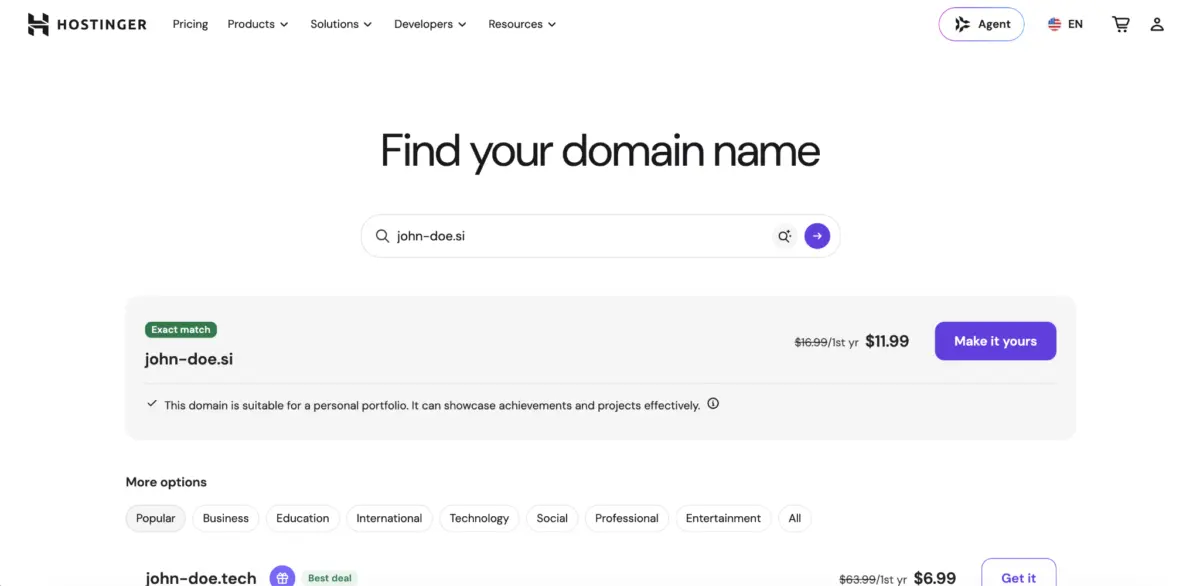
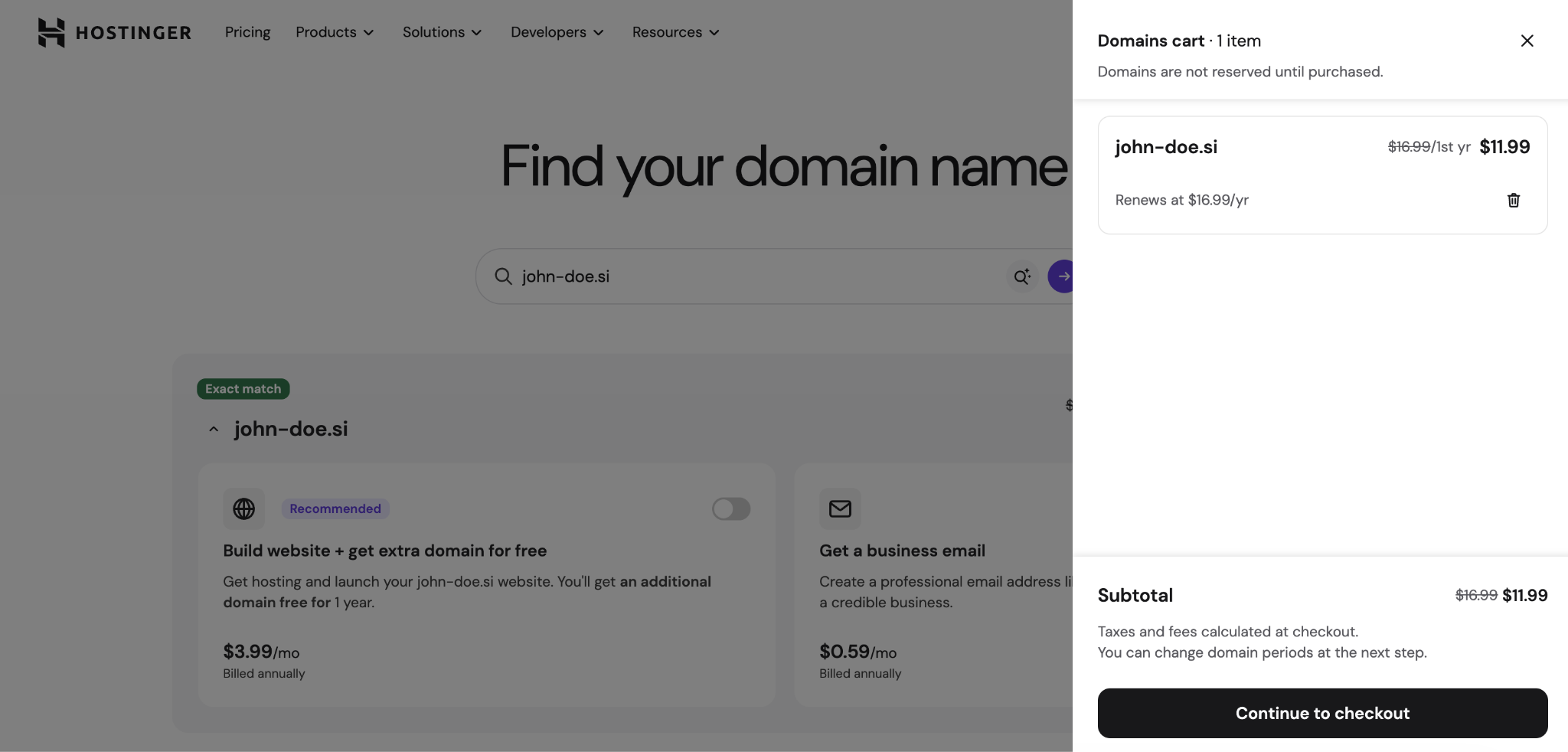
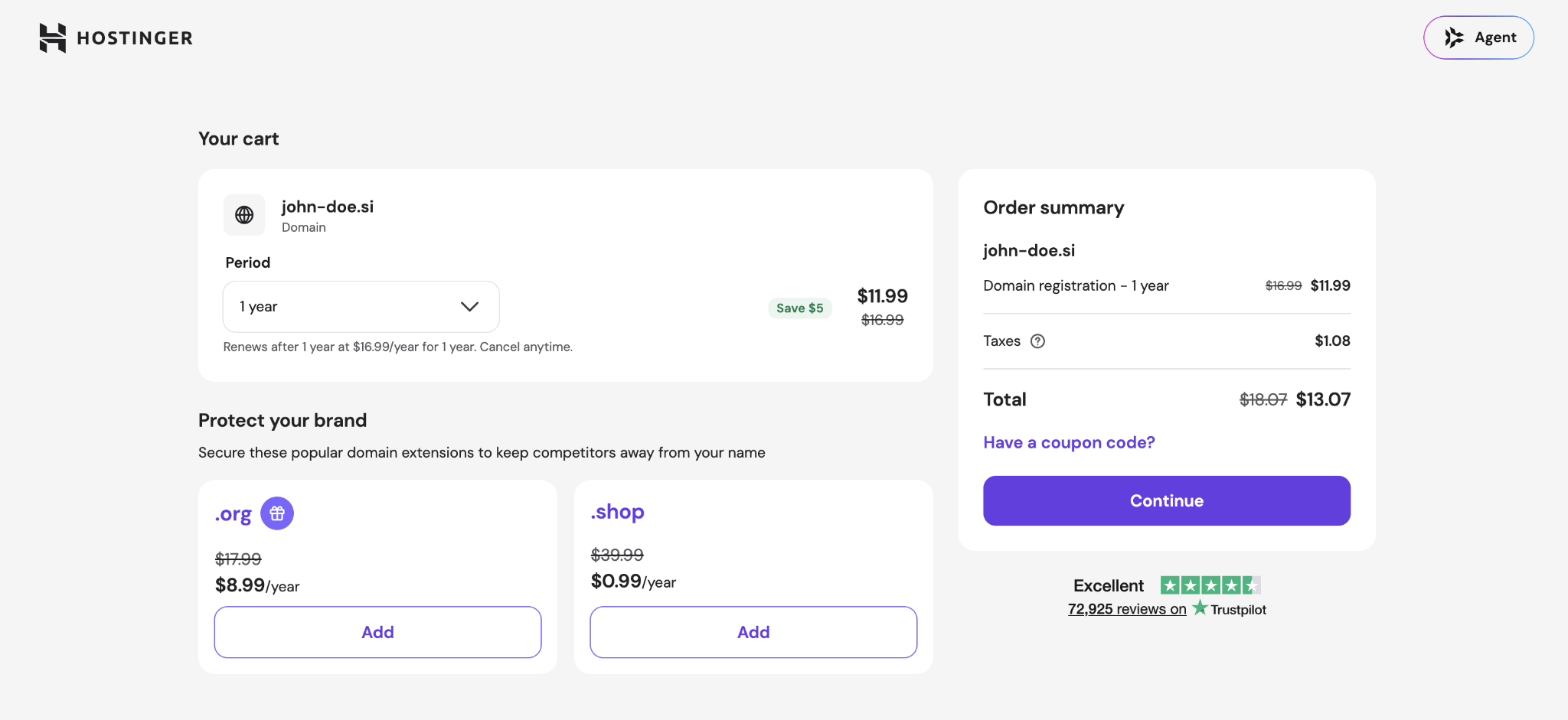
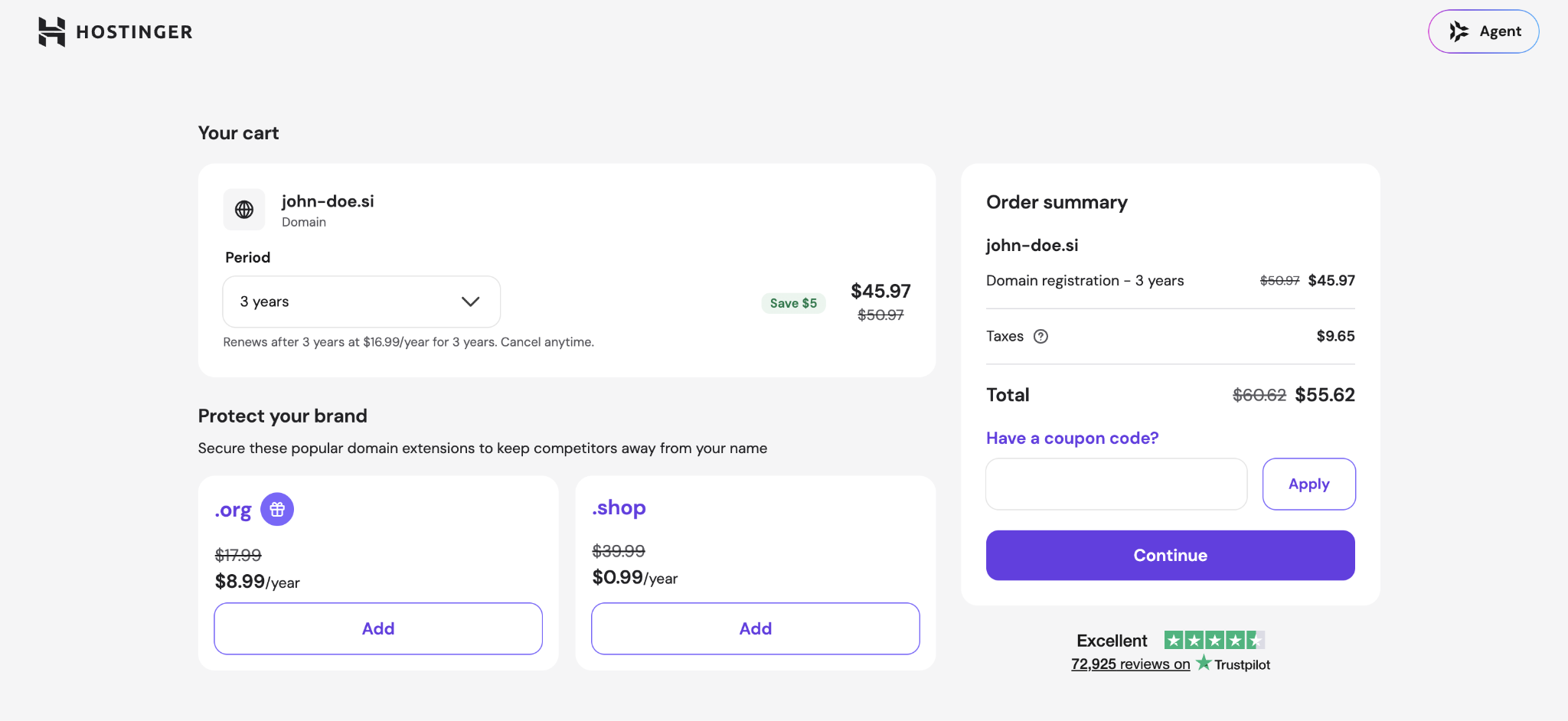
Industry analysts point out that cost remains a primary driver behind the trend. While traditional extensions tailored to the artificial intelligence market command steep registration and renewal fees—often starting near ninety dollars for the first year and exceeding one hundred dollars annually thereafter—the .si extension presents a significantly more economical option. At major registrars like Hostinger, initial registration pricing generally sits below twelve dollars for the first year, with renewal rates remaining competitive at under seventeen dollars annually.
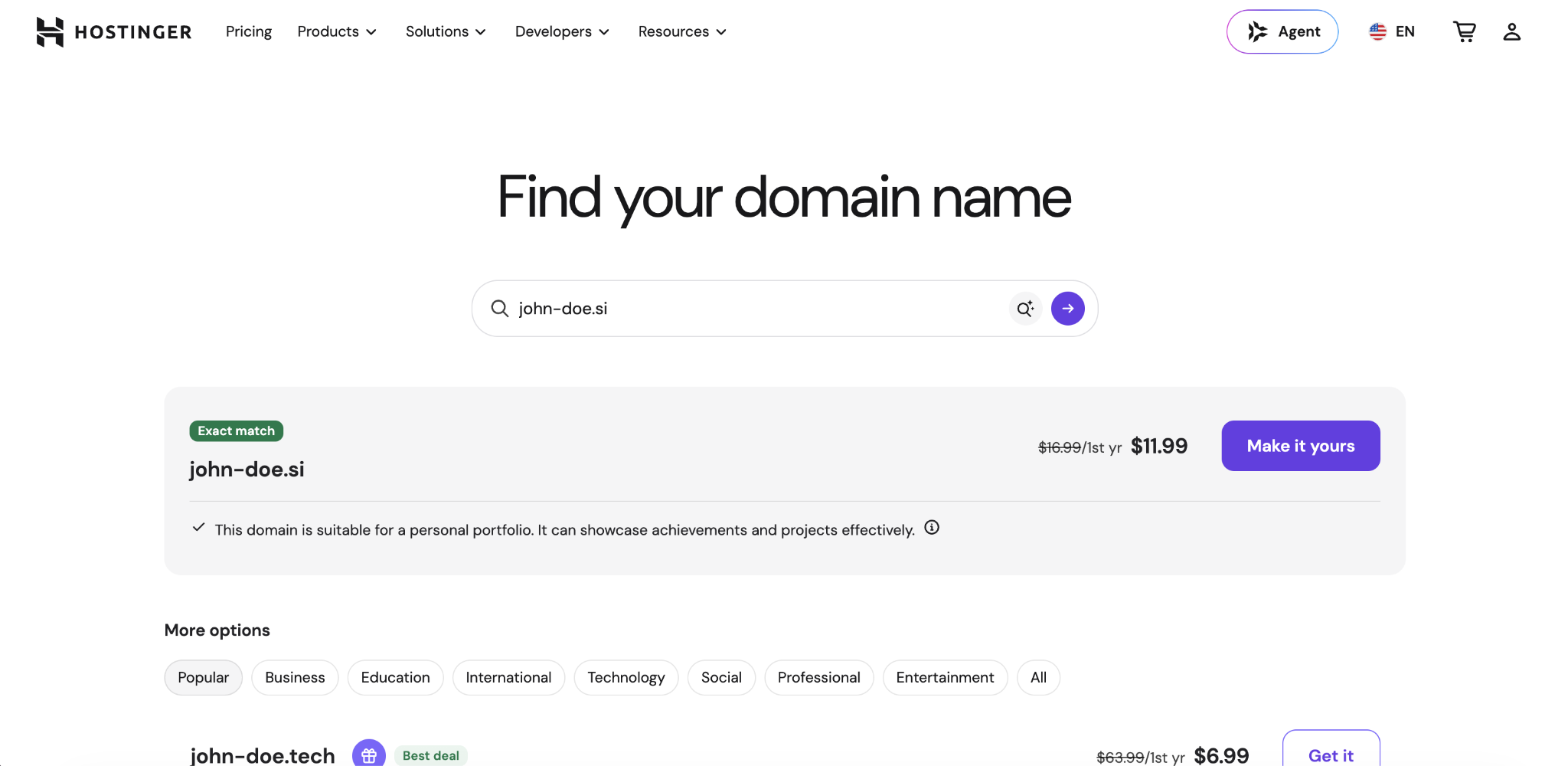
However, acquiring and securing a .si domain involves specific procedures and regulatory considerations that prospective buyers must navigate. Securing a digital asset requires choosing a name that aligns with a brand or project while remaining easy to communicate by word of mouth. Because the domain carries a dual identity—representing both a European nation and a conceptual tier of advanced technology—experts advise ensuring that project branding clearly conveys its intended meaning to site visitors.
Furthermore, registrants must adhere to strict structural regulations governed by the registry. Names must meet specific character length requirements and avoid prohibited symbols. Once a preferred name is selected, verification through a domain availability checker confirms whether the address is still open for registration. Because availability can change rapidly amid rising global interest, experts recommend completing purchases swiftly to avoid losing a chosen name to competing buyers.
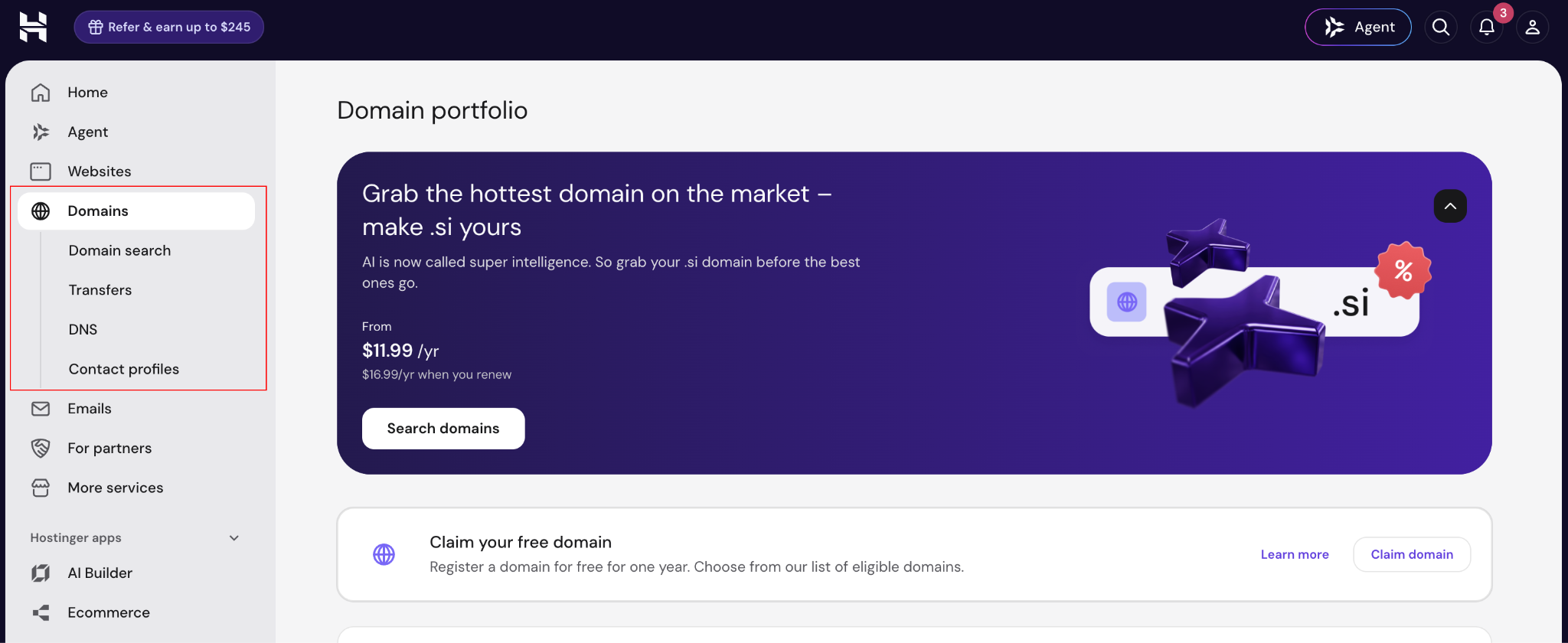
The registration process requires working with an accredited registrar that officially supports the extension. Beyond initial pricing, buyers are advised to evaluate long-term renewal costs, administrative dashboard tools, and integrated web hosting support. Once a registrar is selected, applicants must submit accurate domain holder details, designating either an individual or a registered company as the official responsible party.
Registry guidelines also mandate contact verification. Registrants must confirm their email addresses and phone numbers promptly following purchase. In some cases, the official registry may request identity or physical address documentation to verify the legitimacy of the domain holder. Failing to provide requested verification documents by established deadlines can result in the temporary suspension of the domain. Additionally, current administrative rules specify that modifying the registered holder’s name or contact email constitutes a formal ownership transfer, requiring secondary confirmation from the incoming party within a strict seven-day window.
Privacy considerations also differ under the .si framework compared to generic extensions. Traditional domain privacy services that shield a registrant’s personal contact information from public view are generally unavailable for this extension. The Slovenian registry enforces specific transparency mandates dictating which details remain visible through public lookup directories such as WHOIS and RDAP. For individual registrants, this means public directories may display certain contact details based on whether the owner registers as a private citizen or a commercial enterprise. Consequently, individuals are advised to use designated contact channels they are comfortable exposing publicly.
Protecting the digital asset over the long term involves maintaining updated contact records and ensuring that automatic renewal features are active. If a domain lapses past its expiration date, it enters a temporary grace period before becoming vulnerable to deletion and subsequent re-registration by third parties.
Following successful registration, technical configuration remains a critical final phase. Connecting the domain to a hosting provider requires configuring appropriate DNS records, including primary and secondary nameservers, Start of Authority records, and mail exchange entries that match the underlying server configuration. Because global DNS propagation can take between twenty-four and forty-eight hours, newly configured websites and associated communication channels may experience a brief delay before becoming fully accessible across the internet.



Leave a Reply