
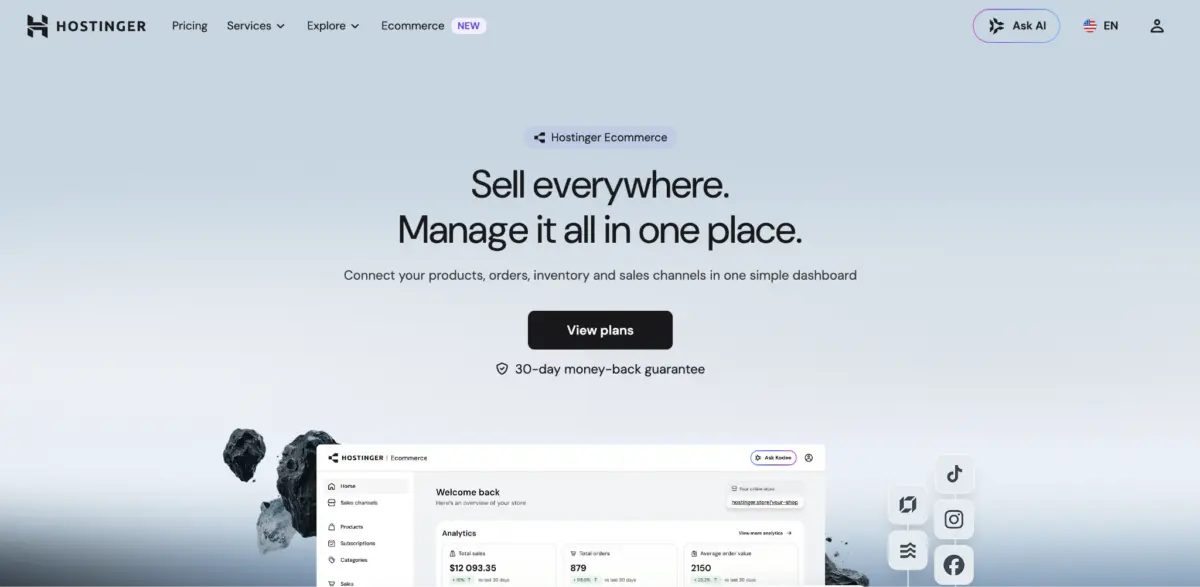
The traditional barrier to entry for launching an online business has shifted significantly. According to industry insights released on September 18, 2026, by content strategist Alma F., entrepreneurs and digital creators no longer need to build a complex website from scratch to start selling digital goods. Instead, a growing ecosystem of digital marketplaces, hosted storefronts, link-in-bio tools, and direct payment solutions allows individuals to launch products with minimal friction.
Every e-commerce transaction fundamentally relies on four core elements: a digital space to showcase the product, a reliable mechanism to process payments, a system for automatic file delivery, and a source of organic or paid traffic. While a dedicated website grants ultimate control over branding and search engine optimization, alternative selling methods distribute these responsibilities differently, allowing beginners to start with simpler setups and scale up later.
Choosing How to Sell Your Digital Product
The marketplace model—utilized by established platforms like Etsy, Gumroad, and Creative Market—remains one of the most accessible routes for creators. These platforms inherently attract active buyers who search for specific digital assets, such as design templates, printable planners, e-books, and stock photography. While sellers benefit from built-in traffic and discovery, they must navigate platform fees and heightened competition against other creators offering similar assets.
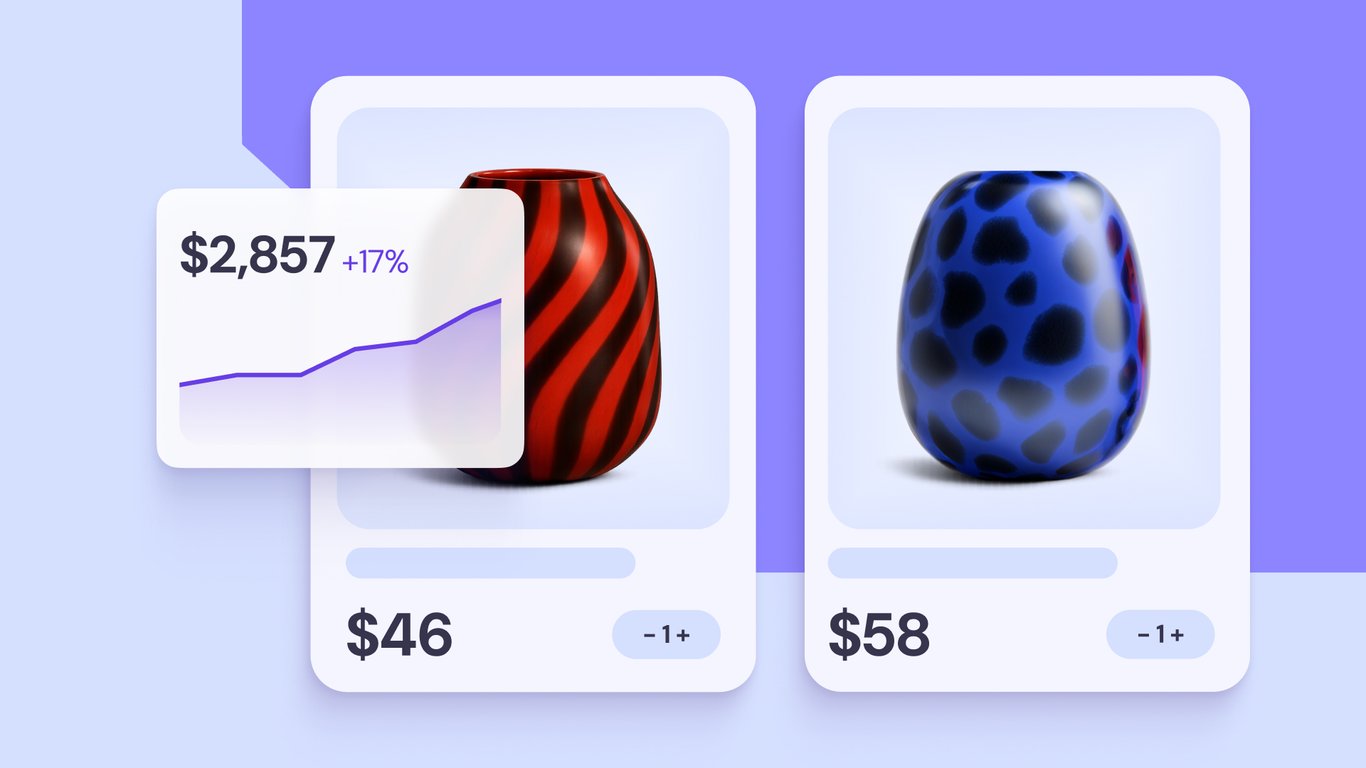
For sellers who want to drive their own traffic but still retain control over their product pages, checkout flows, and automated delivery, hosted storefronts offer a balanced middle ground. Platforms such as Hostinger Ecommerce, Payhip, and Sellfy allow vendors to upload digital files, link payment methods, and instantly generate shareable quick links. These URLs direct buyers to a streamlined product page that handles checkout and file delivery seamlessly without requiring a multi-page website architecture.
Meanwhile, creators operating primarily on social media platforms like Instagram or TikTok frequently lean toward link-in-bio tools, including Linktree and Stan Store. These services provide centralized hubs where followers can purchase digital items directly from mobile devices. However, they typically offer limited space for detailed product descriptions, making them best suited for audiences already familiar with the creator.
Finally, direct payment links provided by gateways like Stripe and PayPal offer a minimalist approach for established creators who already possess an engaged audience. Because these links do not inherently include a dedicated product landing page or automated file delivery, the seller must configure those auxiliary components independently.
Creating Compelling Product Listings and Pricing Strategies
Regardless of the chosen platform, market analysts emphasize that a successful digital product listing must communicate value instantly. Prospective buyers require clear information outlining what the product is, who it is designed for, what exact files or resources are included, and how much it costs. Failing to provide comprehensive details often results in abandoned sales or excessive customer inquiries.
Pricing digital goods requires a strategic balance between perceived value, comparable market offerings, usage rights, and the transaction fees imposed by the hosting platform. Creators are advised to price items according to the tangible problems the product solves for the buyer, rather than defaulting to the lowest price point in a race to the bottom. Furthermore, directing traffic to a checkout page devoid of contextual product information remains a frequent mistake that can severely hurt conversion rates.
Streamlining Payments and Automated Delivery
Eliminating manual intervention in the fulfillment process is critical for scaling digital sales. Modern hosted platforms and marketplaces integrate payment gateways with automated file distribution systems. Once a transaction is successfully authorized, the platform instantly emails a secure download link or access instructions to the buyer.
Experts stress the importance of rigorous pre-launch testing. Creators are encouraged to complete test purchases from alternative devices and browsers to verify that mobile checkouts function properly, download links remain active, and files are free of personal metadata or corrupted assets. Understanding how a chosen platform manages regional taxes and customer refund requests ahead of time also prevents administrative headaches later.
Leveraging Social Commerce and Target Channels
Promotion strategies typically yield the best results when aligned with where a target audience naturally spends time. Rather than spreading efforts thin across every available social network, successful digital sellers focus on channels that match their product format. Visually demonstrable assets, such as design templates and photo presets, thrive on short-form video platforms like TikTok and Instagram Reels.
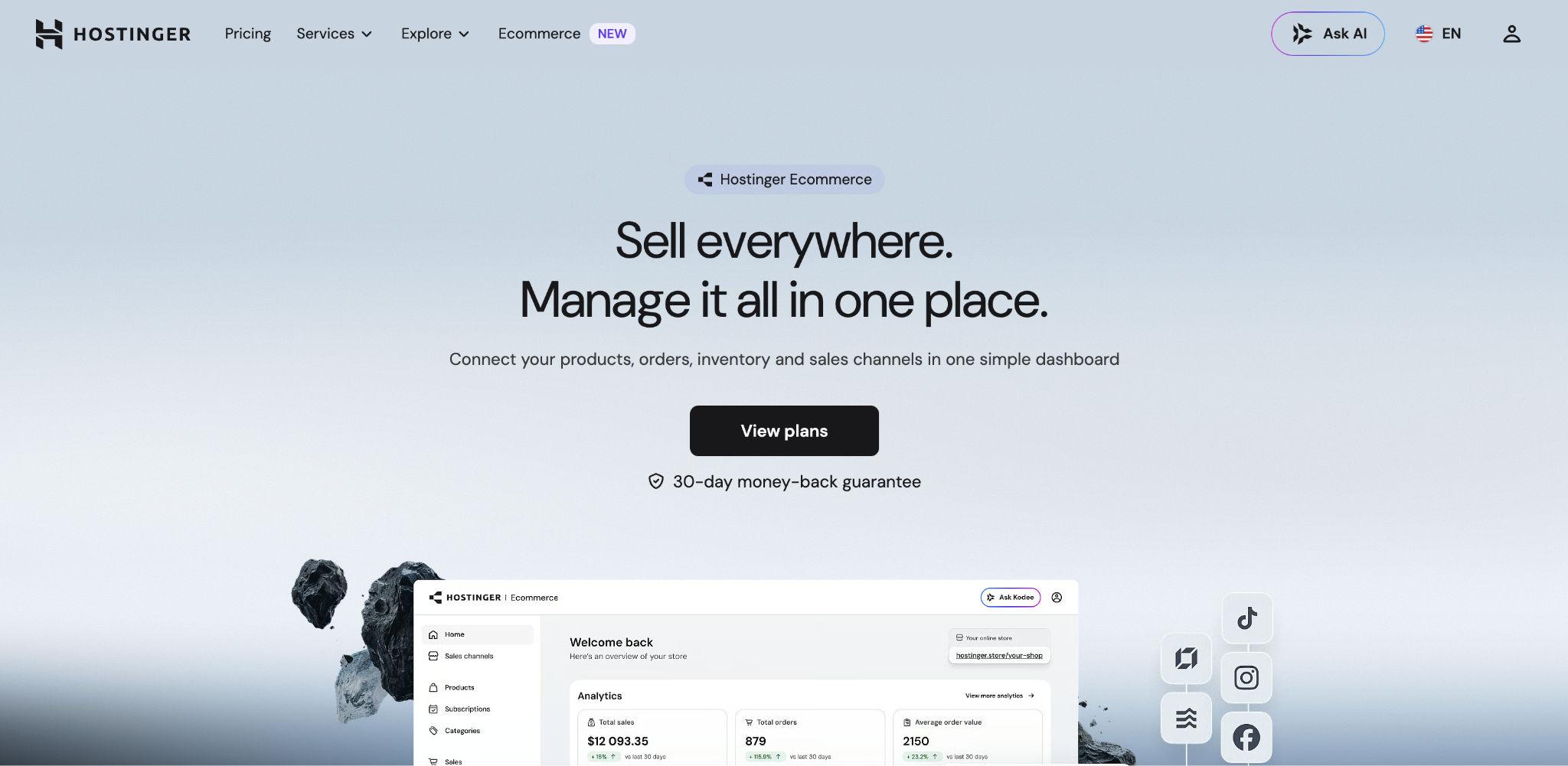
Conversely, educational resources, wedding planning materials, and printable guides find strong traction on Pinterest through searchable imagery and informative pins. Long-form demonstrations on YouTube allow creators to walk viewers through complex digital tools before directing them to a description link. Meanwhile, direct email marketing remains a powerful conversion channel for reaching subscribers who have already demonstrated interest in a creator’s niche.
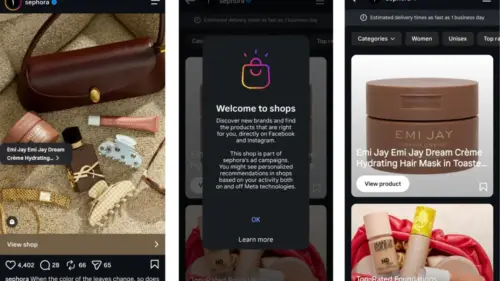
This convergence of content discovery and instant checkout forms the backbone of modern social commerce, allowing creators to monetize their expertise directly within the content they publish.
Understanding Product Suitability and Growth Milestones
Not all digital products are equally suited for lightweight sales setups. Standard digital downloads—such as e-books, templates, printables, presets, and stock assets—preview easily and lend themselves well to instant delivery without a website. Conversely, complex offerings like multi-module online courses or large subscription content libraries generally require a dedicated website sooner to manage user accounts and gated content access.
As a digital business expands, creators often encounter the limitations of no-website setups. Signs that it is time to transition to a dedicated ecommerce website include outgrowing basic inventory structures, wanting deeper control over customer data, or needing advanced SEO capabilities to capture organic search traffic. When those operational limits arise, platforms like Hostinger Ecommerce allow growing businesses to seamlessly expand their existing product links into fully realized storefronts without losing established customer data or interrupting ongoing sales.
Leave a Reply