
September 18, 2026
By Alma F.
The modern digital economy has lowered the barrier to entry for creators, entrepreneurs, and independent professionals looking to monetize their expertise. For years, launching a digital product business meant investing time and money into building a complex website, configuring domain names, designing landing pages, and troubleshooting payment gateways. However, contemporary commerce solutions have shifted the paradigm, proving that individuals can successfully market and sell digital goods entirely without a traditional website.
Every successful online transaction fundamentally relies on four core pillars: a designated space to showcase the product, a reliable method to accept payments, an automated delivery system for the files, and a dependable source of traffic. The specific method a seller chooses ultimately dictates how many of these steps are managed automatically. Options range from all-inclusive marketplaces with built-in customer discovery to direct payment links where the seller retains complete control over every stage of the process. While not every digital product thrives under a website-free model, understanding the available platforms and avoiding common setup pitfalls allows creators to begin generating revenue immediately, leaving the development of a dedicated website for a later stage when branding and search engine optimization demand it.
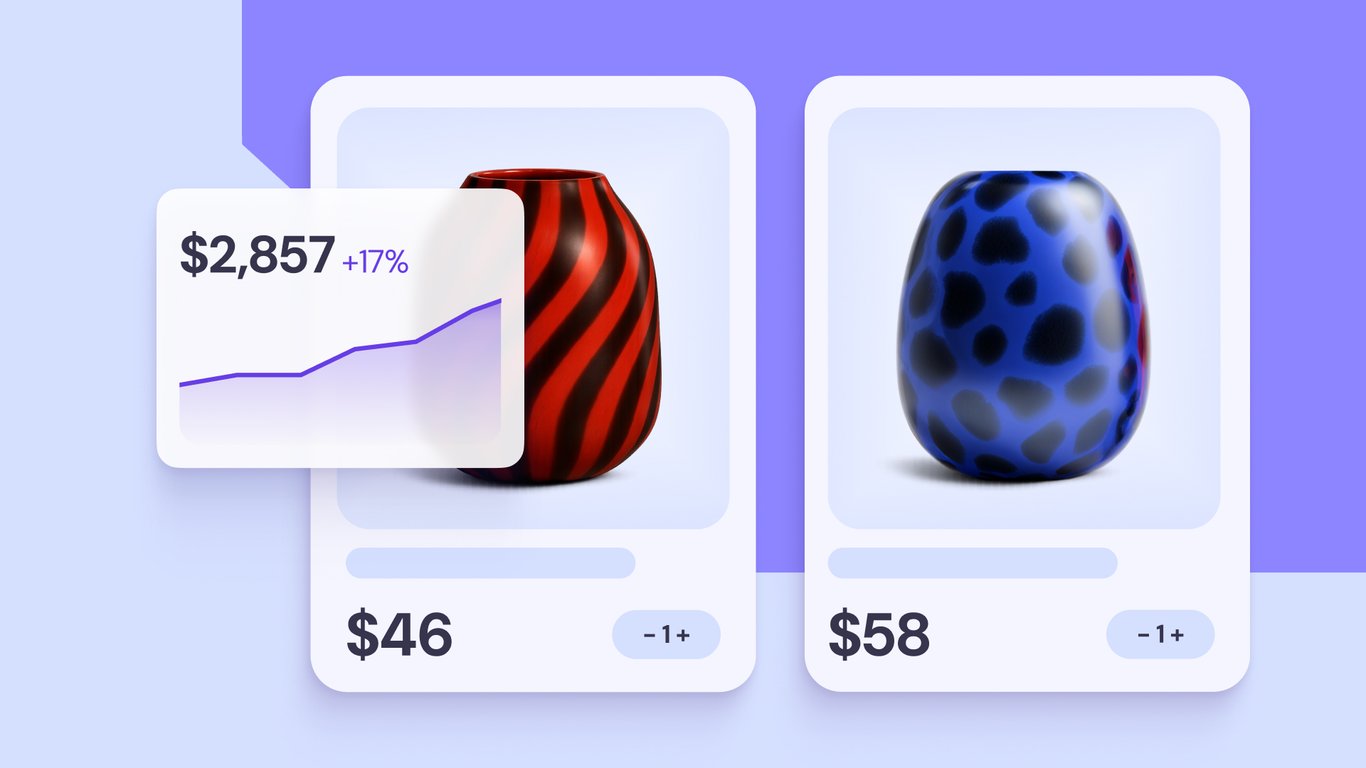
When choosing a pathway to sell digital goods without a standalone site, sellers must evaluate their traffic sources and the degree of control they require over the customer journey. Marketplaces such as Etsy, Gumroad, and Creative Market are ideal for items that consumers actively search for, including design templates, printables, ebooks, and stock assets. These platforms provide built-in buyer traffic, though sellers must navigate platform fees and direct competition with other vendors.
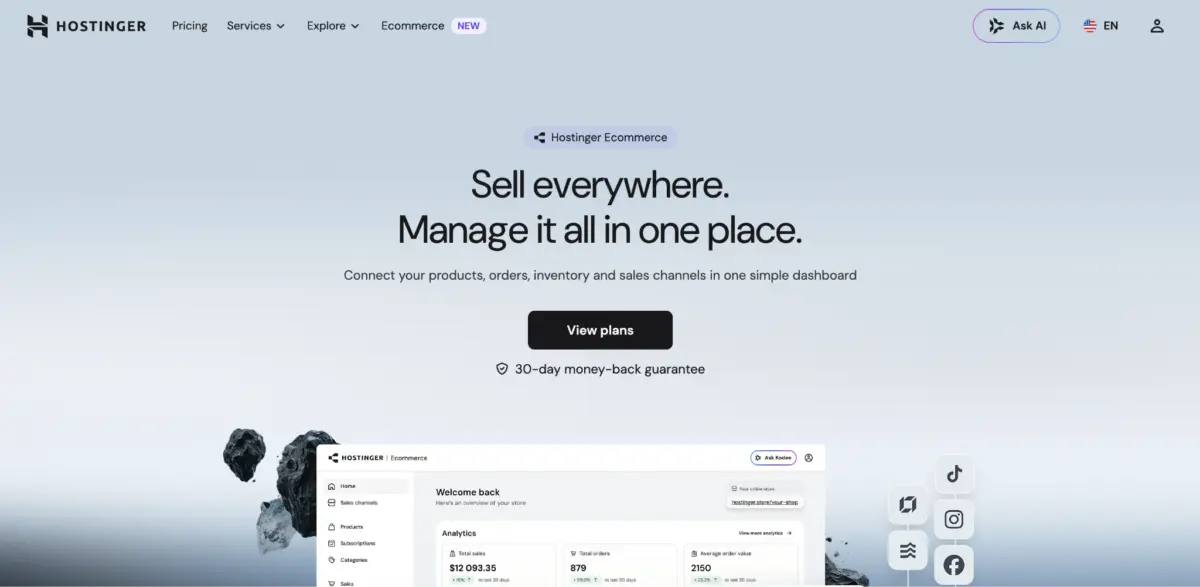
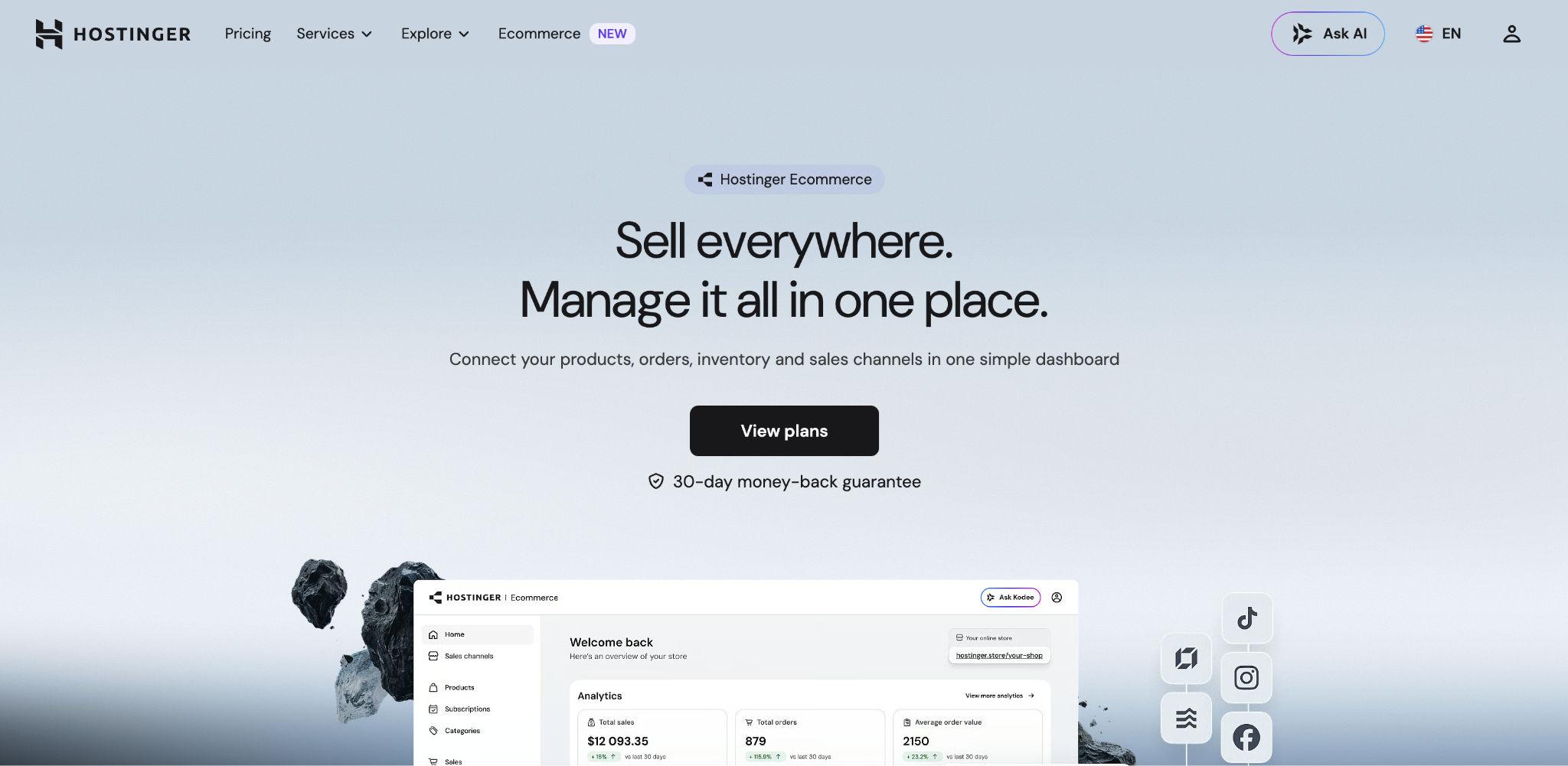
For creators who prefer an independent product page and automated delivery without the overhead of building a full site, hosted storefront solutions like Hostinger Ecommerce, Payhip, and Sellfy offer a viable middle ground. These platforms allow users to upload products, connect payment gateways, and instantly generate quick links or shareable URLs that bundle the product presentation, checkout, and file fulfillment into a single seamless experience. Social media creators often lean toward link-in-bio stores like Linktree or Stan Store to monetize platforms like Instagram and TikTok, while established influencers with existing audiences frequently rely on direct payment links through services like Stripe or PayPal to collect funds instantly.
Crafting an effective product listing is critical when operating without a traditional website because buyers often encounter the product through a social media post or a marketplace algorithm rather than a fully realized brand homepage. A strong listing must clearly articulate what the item is, who it is designed for, what specific assets the buyer will receive, and how much it costs. Providing clear and comprehensive information prevents potential customers from needing to ask preliminary questions, thereby reducing friction in the purchasing pipeline.
Pricing strategies should reflect the intrinsic value of the digital asset, comparable offerings in the marketplace, the specific usage rights being granted to the buyer, and any transaction fees levied by the hosting platform. When utilizing payment links or minimal hosted storefronts, it is crucial to remember that visitors may have no prior familiarity with the creator’s brand. Directing unfamiliar traffic straight to a sterile checkout page devoid of product details or context frequently results in abandoned carts and lost sales.
Once a listing is established, the next operational hurdle involves configuring secure payment processing and automated delivery. Utilizing an integrated payment gateway ensures that customer credit card data and financial details are handled securely at checkout. Meanwhile, direct payment links provide customers with immediate pathways to finalize their purchases.
To maintain efficiency, sellers must link their final digital assets directly to the product management system, allowing the platform to automatically distribute download links or access instructions immediately following a successful transaction. Implementing safety measures such as download limits or link expiration dates helps protect intellectual property. Prior to launching any promotional campaigns, conducting a test purchase from an external device or alternative browser is essential to guarantee that the customer experience functions smoothly, free from broken links, permission errors, or mobile checkout complications.
Directing traffic to these streamlined checkout pages depends heavily on aligning the product with the platform where target consumers naturally spend their time. Visual assets like design templates, digital planners, and photo presets often thrive on short-form video platforms such as TikTok, Instagram Reels, and YouTube, where creators can demonstrate the product in action and embed checkout links in their bios or video descriptions.
Similarly, platforms like Pinterest excel at driving traffic for products tied to specific events or long-term planning, such as educational resources, wedding planning kits, and printable crafts. Creators with established email newsletters can leverage direct messaging to reach subscribers who already share a vested interest in the niche topic. Furthermore, actively participating in online communities, Reddit forums, and Discord servers by offering genuine value and relevant solutions can direct interested buyers straight to the point of sale.
While many digital products flourish in a website-free environment, certain goods lend themselves much better to this approach than others. Highly portable, easily previewed assets such as templates, printables, ebooks, audio presets, and stock photography are exceptionally well-suited for simple storefronts and marketplaces. Conversely, more complex offerings—such as multi-module online video courses, membership sites, or large subscription-based software libraries—typically require the robust structure and user management capabilities of a dedicated website much earlier in their lifecycle.
Entrepreneurs venturing into website-free commerce frequently encounter avoidable pitfalls. Providing insufficient product information, neglecting to test the purchasing process from a buyer’s perspective, underestimating platform and processing fees, and selecting a sales channel that clashes with the nature of the product can severely inhibit early sales. Recognizing these challenges early allows creators to adjust their strategies before scaling their promotional efforts.
Eventually, creators may find that the constraints of a simplified selling setup begin to impede their business growth. When a product catalog expands significantly, or when a brand requires advanced search engine optimization, custom domain branding, complex customer relationship management, or automated email marketing funnels, transitioning to a dedicated ecommerce website becomes a logical evolution. Upgrading from a simple payment link or hosted product page to a comprehensive storefront allows growing enterprises to scale their operations while retaining the core audience and product infrastructure established during their initial phase of growth.


Leave a Reply