For owners of Google Pixel devices, dealing with occasional software turbulence has unfortunately become a familiar experience. Over recent weeks and months, the tech giant has had to contend with a variety of reported glitches across its ecosystem. Users of the Pixel 11 Pro, for instance, recently voiced frustrations after discovering that Google’s heavily promoted Video Boost feature was producing little more than an unwatchable wall of static. Around the same time, others reported dealing with frustrating software headaches within Google Photos, where routine image editing tasks would suddenly cause the app to freeze up entirely and become completely unresponsive.
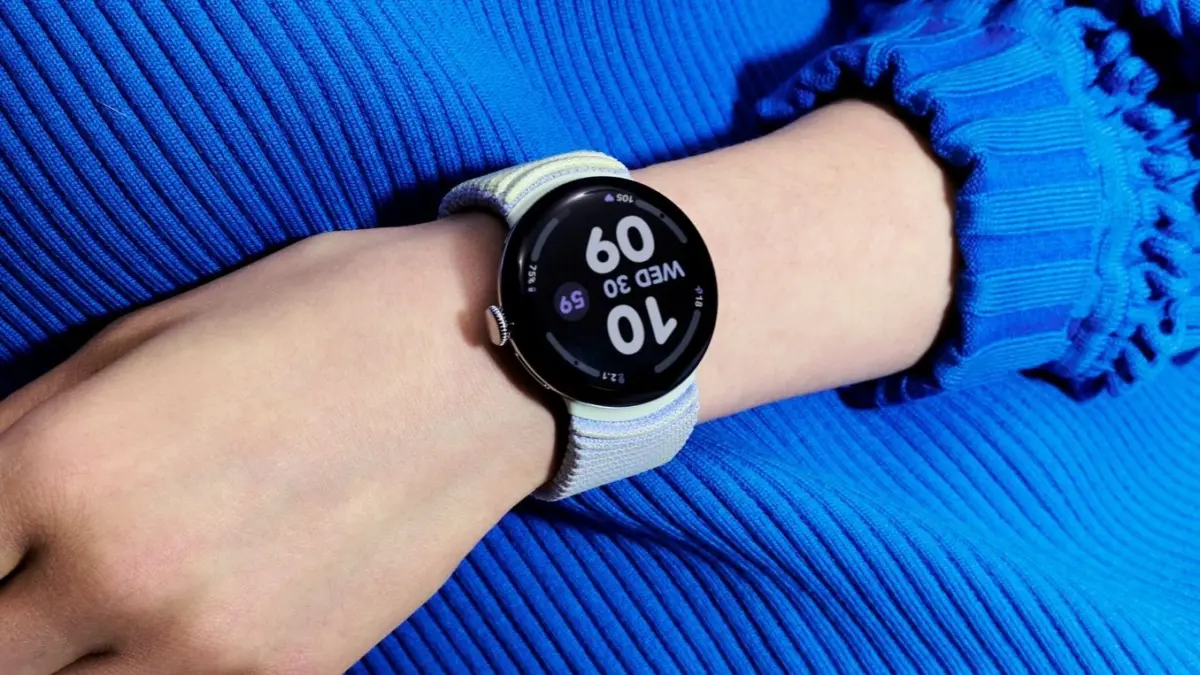
Now, a new software bug has stepped into the spotlight, targeting a completely different corner of the Google hardware lineup. Owners of various generations of the Pixel Watch have taken to online forums and social media platforms to report a severe and sudden drop in battery life. For many affected wearers, the problem has manifested as a dramatic drain on power, with some devices seeing their battery longevity plummet to a meager 12 hours on a single charge even when subjected to minimal, everyday use.

Fortunately, relief is on the horizon. Google has officially acknowledged the problem, confirming that a software bug was indeed responsible for the excessive battery drain experienced by a small number of devices. Better yet, the company has announced that a corrective fix has already started rolling out to users. According to Google, the deployment process is underway and should reach all affected smartwatches over the course of the next couple of days.
While the issue caused widespread frustration among the wearable community, the underlying cause of the rapid power depletion remains somewhat mysterious. Google has not yet disclosed the exact root cause of the bug, choosing not to specify which background process, system service, or rogue application was ultimately responsible for waking up the processor and draining the battery at such an alarming rate. What is clear, however, is that the bug was not isolated to a single iteration of the hardware. Instead, reports indicate that the problem affected multiple generations of the Pixel Watch lineup, leaving owners of both older and newer models grappling with sudden power drops.
For users eager to restore their smartwatch to its normal operational routine, obtaining the fix requires taking a specific action on the device itself. Google has outlined that the resolution is tied to application updates delivered through the on-device software ecosystem. Specifically, users need to update all of the applications currently installed on their Pixel Watch through the Google Play Store interface.
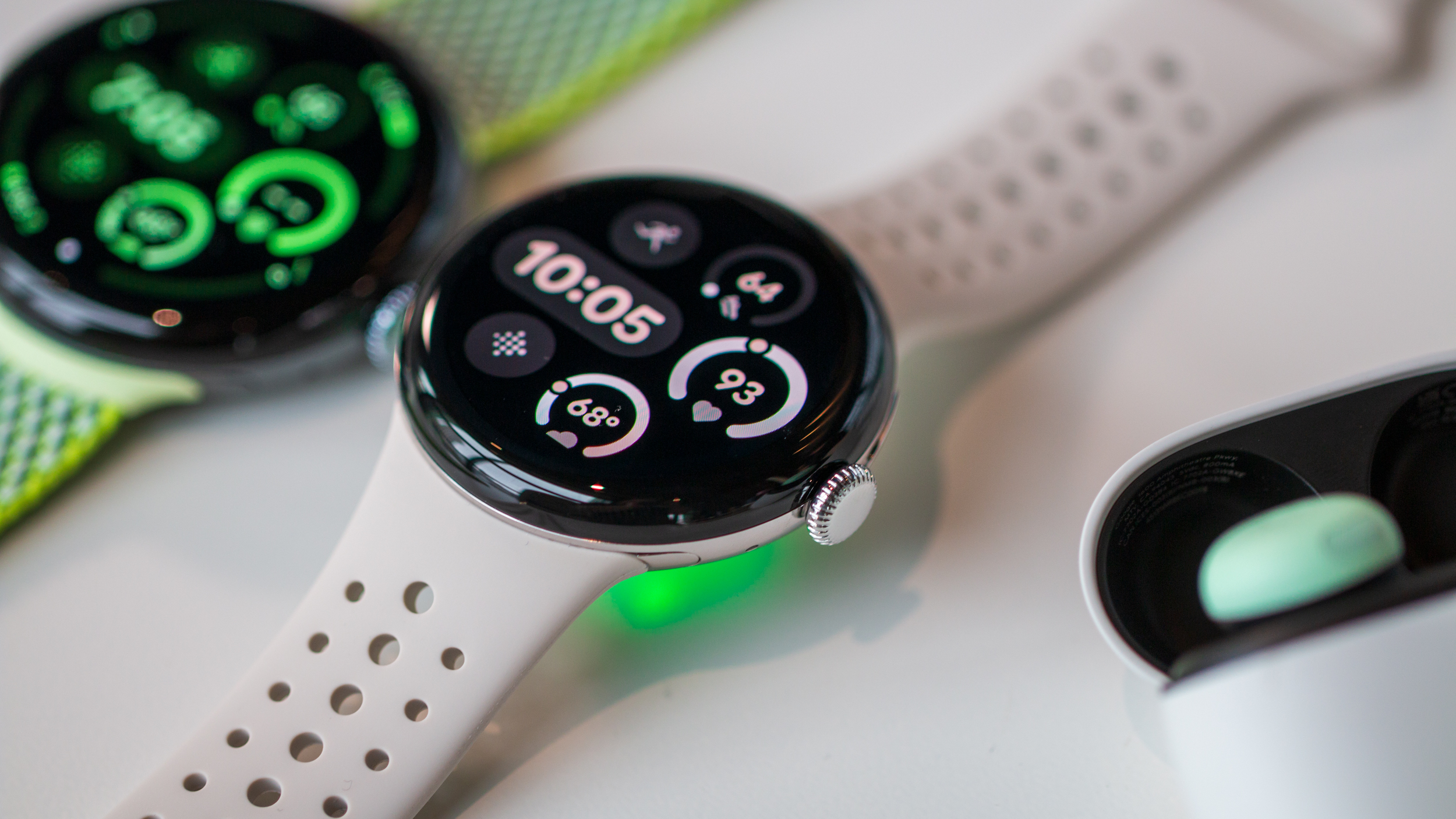
To initiate this process, owners must navigate to the Play Store application directly from their Pixel Watch wrist interface. From there, users need to scroll down to the app management section and select the option to update all applications. This action forces the device to pull down any pending updates that may contain the necessary patches or system adjustments to halt the abnormal power consumption.
The necessity of manually checking for app updates highlights the unique ecosystem challenges often faced by wearable technology, where background synchronization, watch faces, and standalone apps must coordinate seamlessly with the underlying operating system. Although Google has indicated that the automated distribution of fixes and system updates will continue over the next few days, performing a manual check via the watch’s onboard Play Store is currently the most direct route for users who want to ensure their devices are running the latest patched software.
For those whose smartwatches have continued to struggle with shockingly short battery life over the past few days, checking the status of app updates on the wrist is strongly advised. As Google continues to complete the global rollout of the fix over the coming days, affected users who apply these updates should soon see their Pixel Watch return to its expected multi-day battery performance standards.