The booming digital economy has long relied on automated content moderation tools to protect intellectual property and enforce community standards. However, platforms like Meta have increasingly found themselves caught in the crossfire of aggressive commercial disputes, where bad actors exploit these very safeguards to wage corporate warfare. Earlier this year, reports emerged detailing how scammers had weaponized Meta’s Rights Manager system via backdating exploits to hijack creators’ videos and subject their accounts to debilitating copyright strikes. While automated copyright protections are a crucial shield for genuine creators, ordinary Digital Millennium Copyright Act (DMCA) takedown notices can inflict catastrophic damage on digital storefronts and creators alike.
Meta’s automated takedown notifications routinely remind users that the platform terminates the accounts of repeat infringers "when appropriate." This standard warning effectively turns false notices into potent corporate weapons. According to a lawsuit filed in a Florida federal court last week, that weapon can also be hired out to the highest bidder. The unfolding legal battle offers a rare, documented look into the murky underworld of commercial takedown vendors, detailing a bitter feud between two rival dog book publishers and a contractor who allegedly attempted to play both sides for financial gain.
A Dog-Eat-Dog Playbook
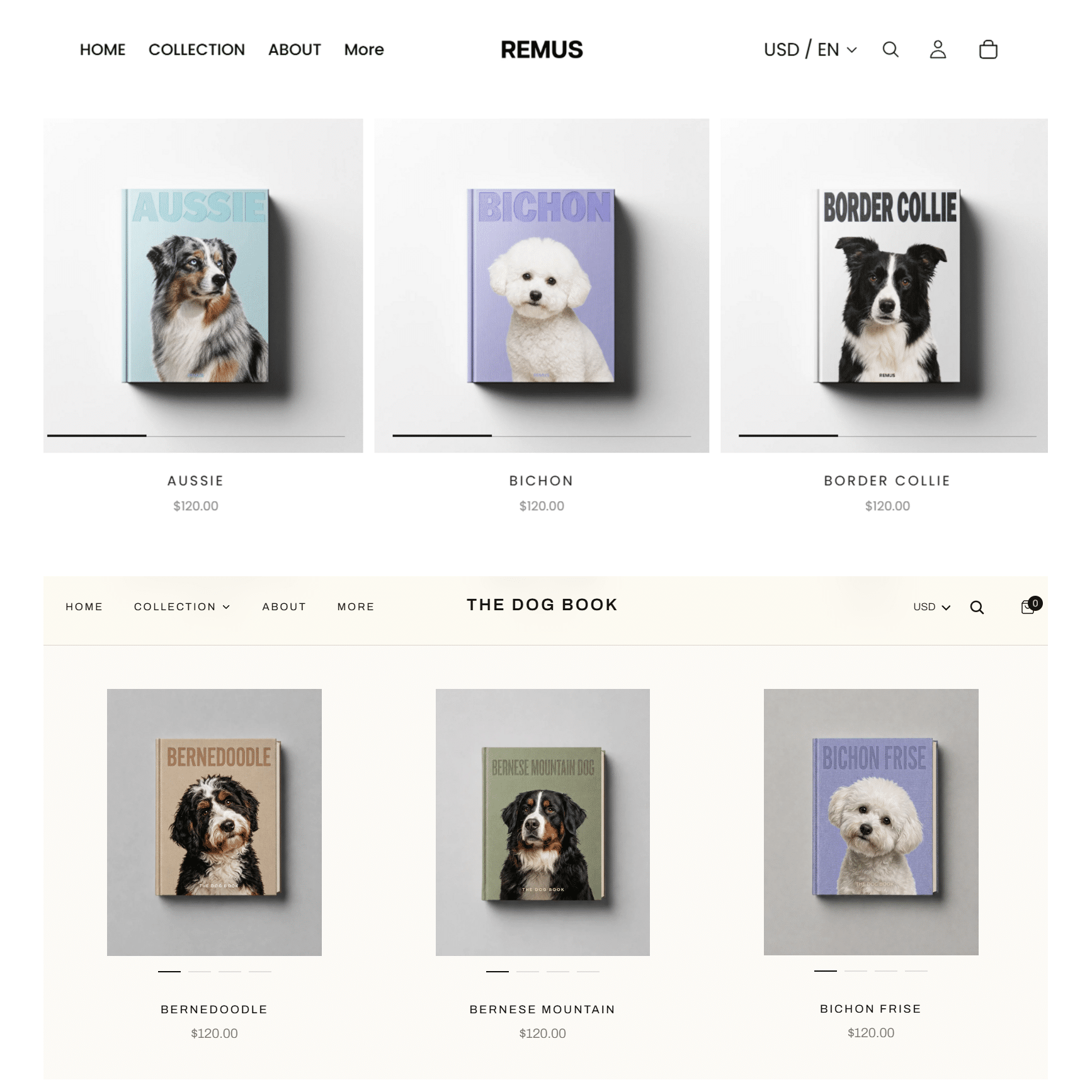
The federal complaint was initiated by The Everything Editions LLC, a publisher that markets premium, large-format photo books featuring various dog breeds for a hefty $120 each under the collective brand name "The Dog Book." Operating in a specialized and competitive niche, the publisher quickly found itself at loggerheads with a direct rival, the Remus Collection. The Remus Collection operates on a remarkably similar business model, also producing high-end dog breed books priced at $120.

The hostility between the two publishers boiled over in August when the Remus Collection formally accused The Dog Book of copyright infringement, claiming that its competitor had misappropriated intellectual property. The Dog Book firmly disputed these allegations. In its defense, the publisher questioned the authenticity of Remus’s own digital footprint, asking whether the rival company’s website copy had been written by a human or generated by artificial intelligence tools. Ironically, observers noted that The Dog Book’s own Instagram page featured several promotional posts and images marked with explicit "AI content" labels, though that detail ultimately proved peripheral to the broader legal dispute.
Rather than addressing these inquiries through standard legal channels or open dialogue, the complaint alleges that Remus took a more aggressive route. A principal at Remus and associated parties reportedly mobilized their Instagram followers, openly encouraging them to report The Dog Book’s official profile for "scam/fraud." This coordinated reporting campaign proved effective under Meta’s automated moderation parameters. On September 7, Instagram abruptly suspended The Dog Book’s primary account, citing violations of the platform’s account integrity standards.
Faced with the sudden loss of its primary marketing and customer communication channel, The Dog Book retained legal counsel and issued a cease-and-desist letter. According to the court filing, Remus’s legal representative subsequently agreed in writing that the rival publisher would cease branding The Dog Book as a scam or a fraudulent enterprise. However, this formal agreement failed to pacify the underlying tensions. The complaint alleges that the campaign against The Dog Book did not stop; instead, it simply shifted underground, evolving into a much more sophisticated and damaging digital assault.
Monetized Copyright Strikes and Hired Guns
Following the initial suspension, The Dog Book attempted to maintain its online presence by establishing new Instagram accounts. These replacement profiles, however, were quickly targeted and disabled in rapid succession. The first backup account was taken down on September 9, just one day after Remus’s lawyer had signed the agreement promising to halt the public attacks.
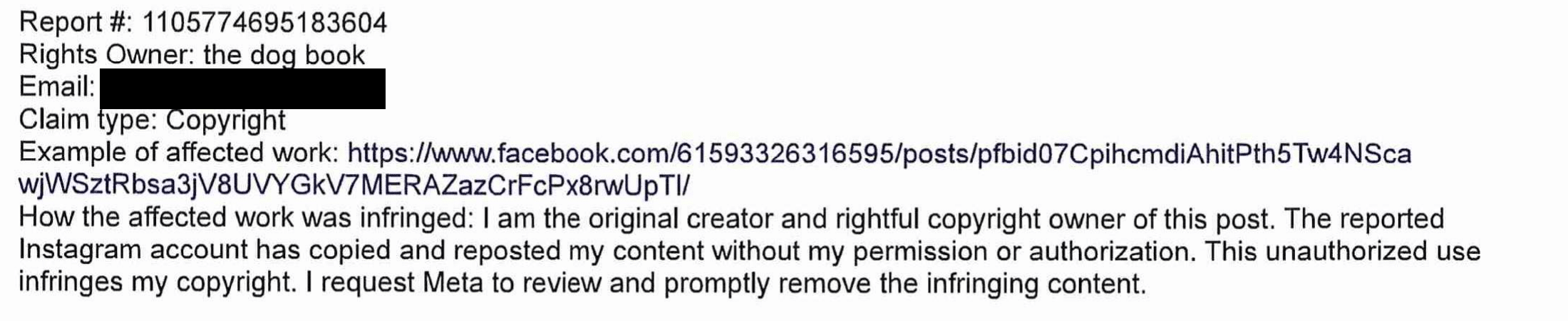
The nature of the assault shifted significantly in early October, when Meta received a batch of six formal copyright takedown notices targeting various posts on The Dog Book’s surviving Instagram profiles. The targeted content consisted entirely of standard promotional photos and videos showcasing popular dog breeds, including Yorkshire Terriers, Dachshunds, a Cocker Spaniel, and a Jack Russell terrier.
In a bizarre administrative twist, these notices were filed under the name of The Dog Book itself. Every single notice listed "The dog book" as the asserted rights holder while simultaneously claiming ownership over the bookseller’s own published marketing posts. Meta’s automated systems processed these claims and took immediate punitive action, compounding the ongoing disruptions to the publisher’s digital operations. According to the federal complaint, these calculated takedown actions were not executed by Remus directly, but rather by an external contractor—a "hired gun" who specialized in digital sabotage and ultimately attempted to play both sides of the conflict.
The Takedown Vendor Plays Both Sides
In mid-October, an individual operating under the alias "Ashmit Ashmit" contacted The Dog Book’s Facebook page directly. He openly claimed responsibility for the persistent copyright strikes plaguing the publisher’s accounts and quickly pivoted to a commercial proposition. Transcripts of the initial conversation, detailed in the court exhibits, reveal a striking candor regarding the mechanics of social media sabotage.
"One guy need to ban your fb and ig both. He his paying me 1k doller. I also strike cpr on your accounts i will take all back and i have a good plan if you agree," the contractor wrote to his targets.
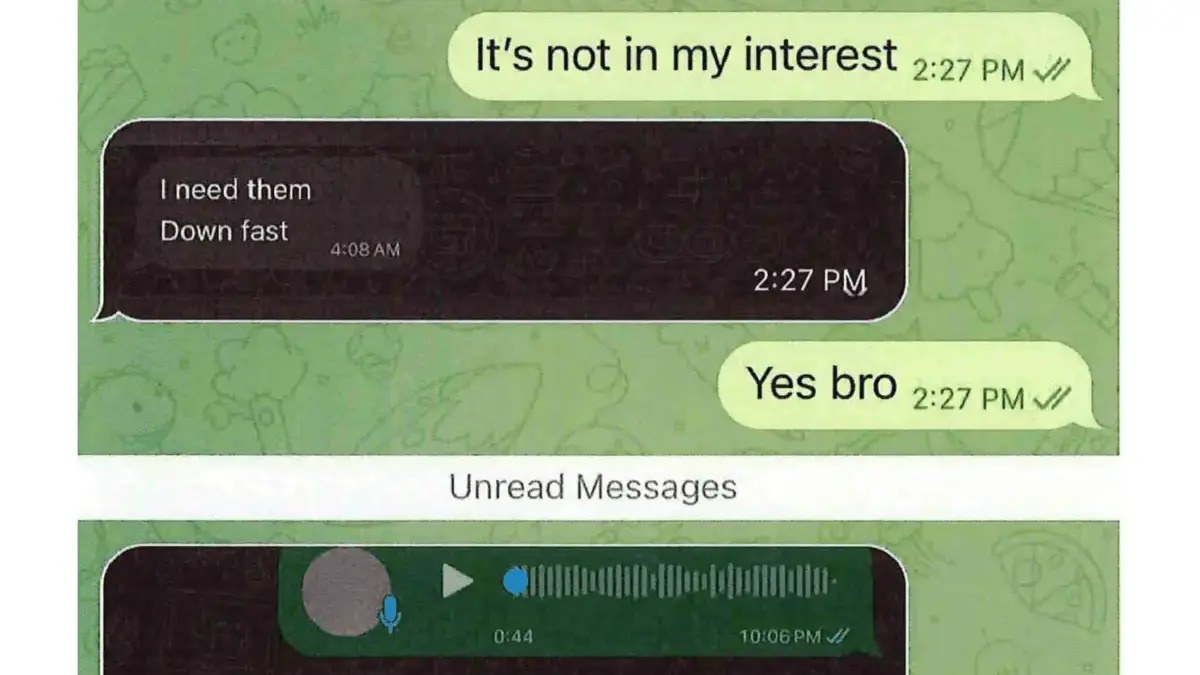
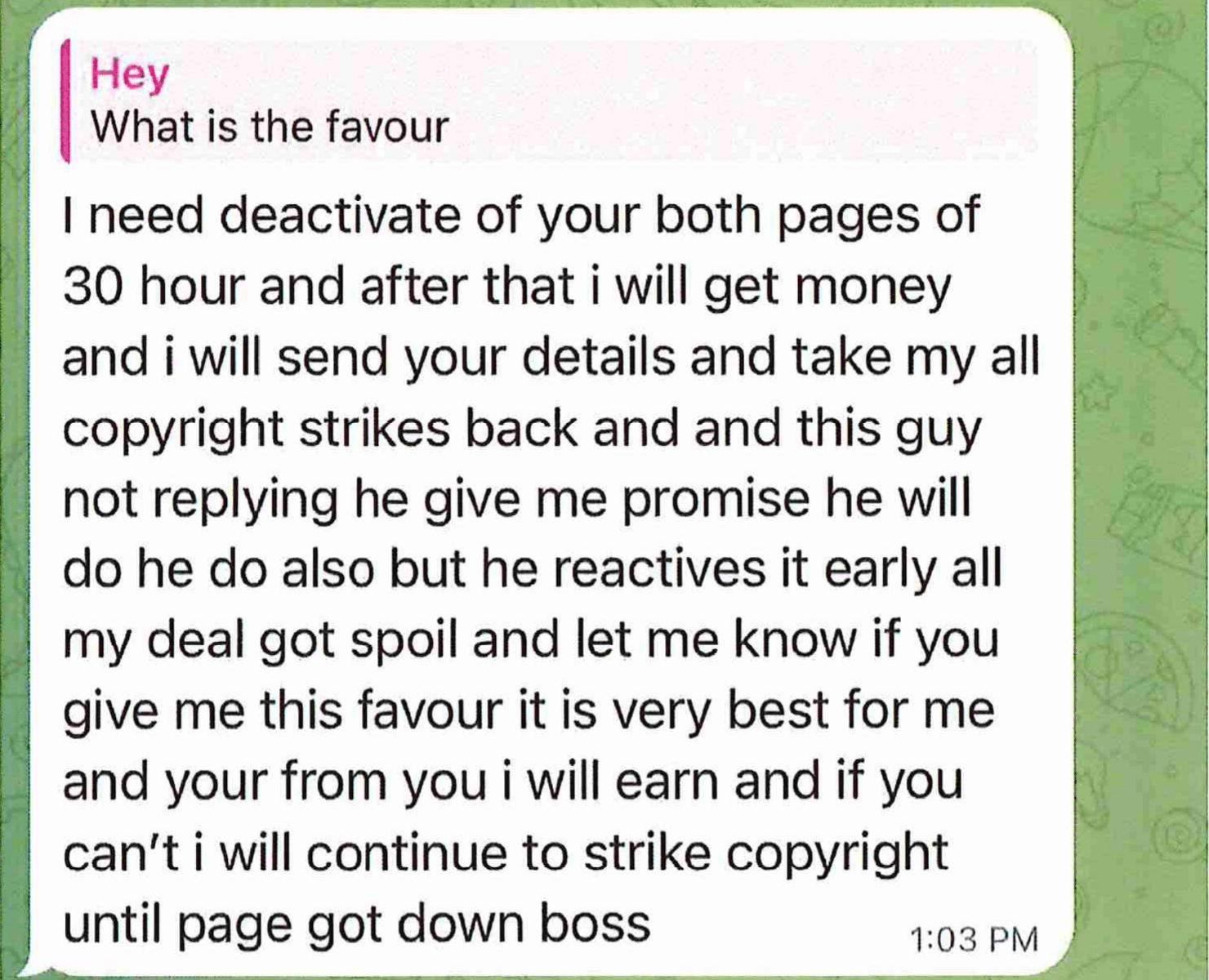
The communication quickly migrated to the encrypted messaging application Telegram, where the contractor operated under the handle "Fix My Brand." His proposed scheme required The Dog Book to voluntarily take its own social media pages offline for a brief window. According to the vendor’s logic, if The Dog Book went dark for a continuous 30-hour period, he would be able to collect his $1,000 payment from his original client, having successfully forced the pages offline, and subsequently withdraw the copyright strikes.
Sensing an opportunity to uncover the orchestrators of the campaign, The Dog Book decided to play along with the scheme. The publisher temporarily took its pages offline over a weekend, but the operation did not proceed smoothly. The contractor quickly grew frustrated because the pages were restored ahead of schedule, preventing him from fulfilling the exact conditions required by his client to secure payment.
"You do 18 hour i dont get my payment. Okay if you are not in a mood boss no issue. I will take down your ig now when you get in your mood let me know after your ig burn," the contractor complained in subsequent messages.
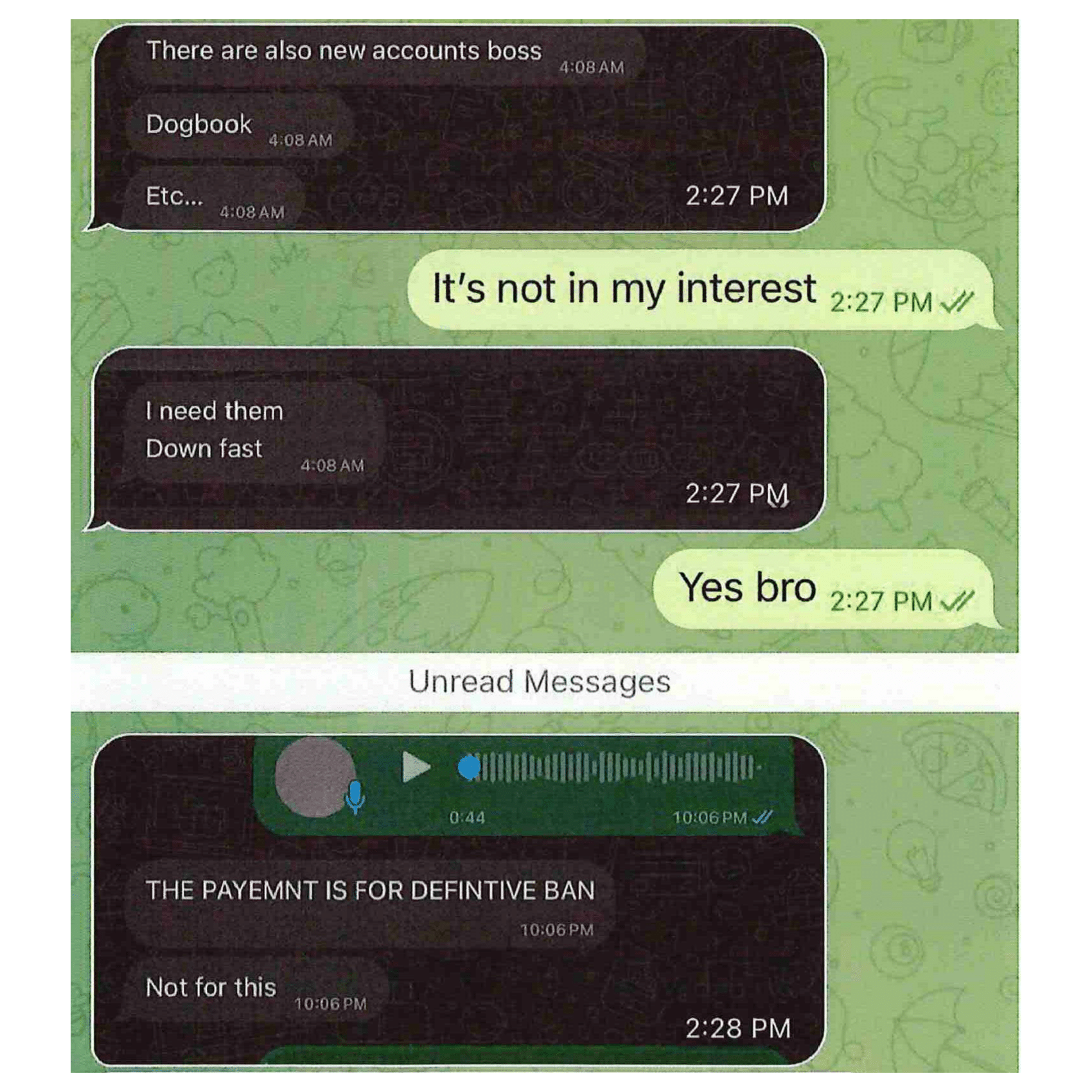
During these negotiations, representatives for The Dog Book pressed the vendor to reveal the identities of the individuals who had originally commissioned the takedown services. When the bookseller explicitly listed Remus and its principals, the contractor confirmed the suspicion with a simple "Yes." He further cautioned that if his original clients discovered his double-dealing, "they will cancle all my deals." To substantiate his claims, the vendor forwarded internal communications from the person directing the campaign, including a message that bluntly clarified the objective of the financial transaction: "THE PAYEMNT IS FOR DEFINTIVE BAN."
A Ongoing Legal Battle and Industry First
Despite the exposure of the scheme, the vendor remains active in the digital underground. According to the federal complaint, "Fix My Brand" operates as a commercial enterprise selling account suspensions and unbans, managing a Telegram channel named "FMB Vault." At the time of the lawsuit’s filing, the channel maintained nearly 200 subscribers, with a public biography proudly describing the operator as a "Specialist in Account Ban + Unban."
Meanwhile, The Dog Book asserts that the harassment campaign has continued unabated. The complaint outlines that the publisher’s Facebook accounts have been subjected to more than four hundred false reports in recent weeks, with anonymous actors falsely claiming that the business pages displayed sexually explicit content.
The plaintiff’s legal team strongly refutes these assertions in the court filing, emphasizing that the accounts contain no inappropriate material of any kind. "Plaintiff’s accounts contain no sexually explicit content of any kind, and never have. Plaintiff’s accounts display photographs of dogs and of photographic books about dogs, together with product information and ordinary commercial marketing copy," the complaint states.
As a result of these coordinated disruptions, The Dog Book has formally accused the defendants of DMCA misrepresentation, false advertising, defamation, and related business torts, estimating its total financial losses at more than $600,000.
Because the litigation is still in its earliest stages, none of these serious allegations have been tested or adjudicated in a court of law, and the defendants have yet to make a formal appearance in the case. While false copyright claims, malicious reporting sprees, and extortion-style schemes on major social media platforms are well-documented phenomena in the modern digital landscape, legal experts note that this case appears to be the first U.S. lawsuit to directly target a commercial vendor allegedly selling coordinated takedowns and account suspensions as an outsourced service.
Copies of the original complaint, along with evidentiary exhibits including the disputed copyright notices, Telegram message logs, and Instagram documentation, have been filed with the federal court and made publicly accessible.