
As artificial intelligence and advanced cloud computing continue to reshape the contours of modern digital infrastructure, the global Internet community is confronting a profound structural transformation. Networks must evolve to become exponentially faster, smarter, and more autonomous to keep pace with soaring data demands and increasingly complex workloads. Simultaneously, the engineers, system administrators, and security professionals responsible for maintaining and protecting these critical systems must forge deeper, more effective collaborations across organizational and national boundaries.
These dual imperatives took center stage during the Opening Ceremony and Keynotes session at APNIC 62. Amajit Gupta, Group CEO and Managing Director of Lightstorm, delivered a compelling presentation on the technological evolution toward autonomous network grids. Following his remarks, Yukako Uchida, Manager of the Global Coordination Division at JPCERT/CC, addressed the indispensable human element of cybersecurity, emphasizing that trust and personal relationships remain the bedrock of global incident response.
Together, their keynote addresses underscored a central thesis for the modern era: the next phase of the Internet’s development will rely equally on groundbreaking technological innovation and the strength of its human communities.
Networks in the Age of AI
Opening the keynote discussions, Amajit Gupta suggested that September 2026 may ultimately be recognized by historians as a crucial inflection point in the evolution of global network infrastructure. Drawing historical parallels to earlier shifts in the technology landscape—such as the widespread commercialization of the Internet in the 1990s and the explosive growth of cloud computing in the mid-2000s—he argued that artificial intelligence represents a similarly monumental turning point for network architecture.
According to Amajit, the telecommunications and enterprise industries have largely moved past the era where raw compute capacity or sheer bandwidth were considered the primary bottlenecks. Instead, latency has emerged as the definitive and most critical scarce resource in modern system design.
As AI workloads distribute themselves across complex, multi-cloud environments, enterprise data centers, and localized edge computing nodes, underlying networks are frequently left with mere fractions of a second to dynamically reroute traffic, compensate for network degradation, and ensure uninterrupted performance. Traditional network operating models—which continue to rely heavily on manual intervention, human decision-making, and static configurations—are increasingly ill-equipped to meet these stringent operational demands.

Amajit noted that while enterprise compute capacity can typically be scaled up through direct capital investment, latency is an unforgiving metric; once lost, it cannot be recovered. For time-sensitive digital applications, high-frequency financial transactions, critical industrial automation, and modern AI-driven services, every single millisecond carries immense operational and economic weight.
To illustrate these stakes, he pointed to India’s massive and rapidly expanding digital payments ecosystem, highlighting how even minor network delays can ripple across services to create significant financial and operational costs. He cautioned that the widespread integration of artificial intelligence will only serve to amplify the financial and operational penalties of latency across all sectors.
AI is Exposing Long-Standing Network Limitations
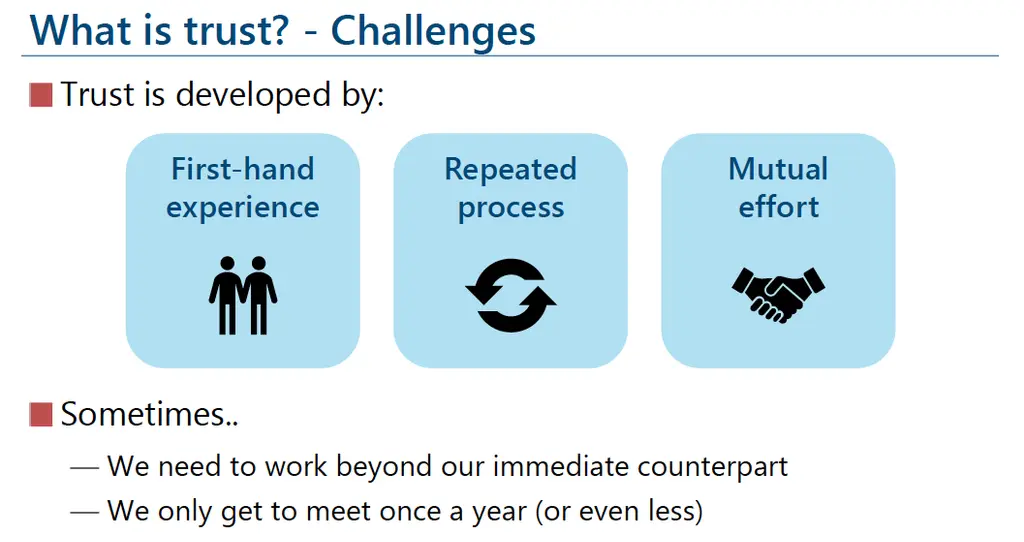
Rather than simply driving an unprecedented demand for raw bandwidth, Amajit argued that artificial intelligence is actively exposing deep-seated, long-standing structural limitations embedded within traditional network design and operational frameworks. He referenced recent industry surveys showing that modern enterprises are already encountering severe networking bottlenecks as they attempt to scale their AI workloads across wide-area networks.
Among survey respondents, the effective distribution of complex workloads emerged as the single most significant operational hurdle, closely followed by WAN-edge latency, sophisticated traffic prioritization, and real-time congestion management. These findings illustrate a growing industry consensus that modern application performance is now intrinsically tied to a network’s ability to make intelligent decisions in fractions of a second.
For Amajit, the fundamental issue is not that artificial intelligence requires inherently faster networks, but rather that AI is casting a harsh light on network architectures that are still predominantly operated by hand. This reliance on manual administration accelerates the urgent need for a completely reimagined operating model—one capable of responding dynamically and autonomously to rapidly shifting infrastructure conditions and application demands.
From Traditional Networks to Intelligent Utility Grids
To overcome these structural limitations, Amajit proposed that future network infrastructure should abandon traditional operating models in favor of functioning more like modern electricity grids. Electrical power networks operate through continuous, automated balancing of supply and demand, ongoing monitoring of physical infrastructure health, and the automated rerouting of power resources to preserve system reliability. Internet infrastructure, he argued, must evolve along a parallel trajectory.

Rather than acting merely as static providers of raw connectivity, tomorrow’s networks must mature into intelligent utility platforms capable of reacting in real time to fluctuating conditions and unique application requirements. This forward-looking concept forms the core of what Amajit termed the "autonomous grid"—a highly automated, software-driven operational environment equipped to detect anomalies, formulate decisions, and execute precise responses with minimal human intervention.
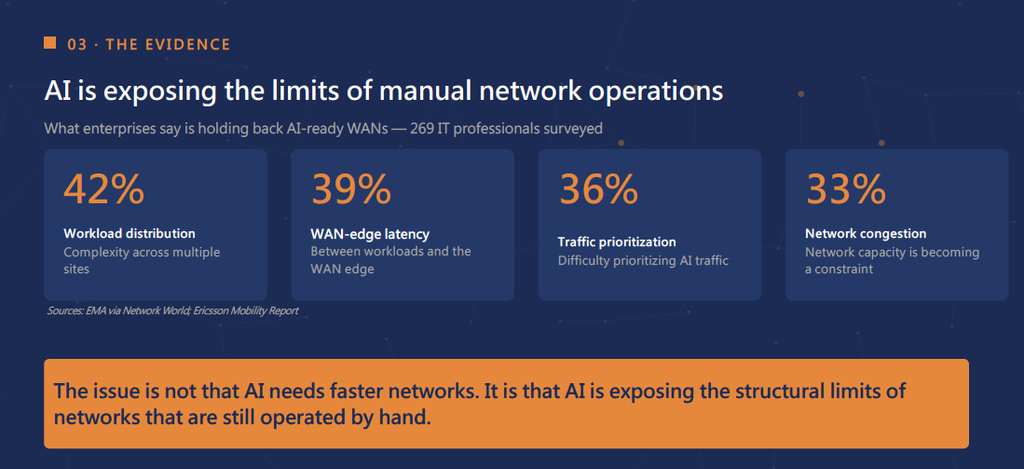
Implementing such a vision requires foundational capabilities centered around comprehensive telemetry, advanced intent-based networking, closed-loop automation, and proactive self-healing mechanisms. While these capabilities are straightforward to conceptualize on paper, Amajit acknowledged that practical deployment presents formidable hurdles, particularly for legacy network operators constrained by established operating cultures and entrenched historical processes.
Despite years of industry-wide conversations surrounding network automation, adoption has been notably uneven. While the overarching ambition has long been clear, real-world implementation remains complex. Effective automation demands not only advanced software tooling but also sweeping structural changes to organizational workflows and workforce skill sets. Many organizations still rely heavily on human engineers to diagnose faults, write configuration changes, and manually verify results—interventions that inevitably introduce delay, financial cost, and operational complexity.
The autonomous grid model aims to replace this fragmented approach with a closed-loop system where networks autonomously monitor their environment, evaluate optimal paths, and execute corrections within predefined governance guardrails. Importantly, Amajit pushed back against the misconception that automation diminishes the value of human professionals. Instead, he argued that eliminating repetitive operational chores frees engineers to focus on higher-value initiatives, including architectural design, system resilience planning, overarching governance, and strategic oversight.
From a commercial perspective, autonomous networking offers clear financial and operational advantages, including reduced operational expenditure, accelerated incident response times, minimized troubleshooting workloads, and significantly improved end-user outcomes. Looking toward a broader regional horizon, Amajit proposed that carriers, subsea cable operators, cloud providers, and data center operators across the Asia Pacific region must increasingly collaborate as components of a unified digital utility ecosystem, bound by shared frameworks for security, resilience, and service assurance.
Trust at Global Scale in Cybersecurity Operations
While Amajit explored the rapid evolution of physical and software-defined network infrastructure, Yukako Uchida focused her keynote address on another indispensable pillar of a resilient Internet: human trust. Drawing upon more than a decade of frontline experience building and maintaining international partnerships for JPCERT/CC, Japan’s national Computer Emergency Response Team, she illuminated the vital human foundations that underpin effective global cybersecurity collaboration.
Computer Emergency Response Teams occupy a frontline role in identifying, analyzing, and coordinating responses to sophisticated cyber threats. Their daily operations routinely demand seamless cooperation across diverse organizations, distinct industry sectors, and complex international borders. Whether sharing sensitive threat intelligence, coordinating synchronized defenses against active cyber attacks, or requesting urgent technical assistance from foreign counterparts, cybersecurity practitioners must maintain absolute confidence that their peers will handle information responsibly, act with integrity, and provide reliable data in return.
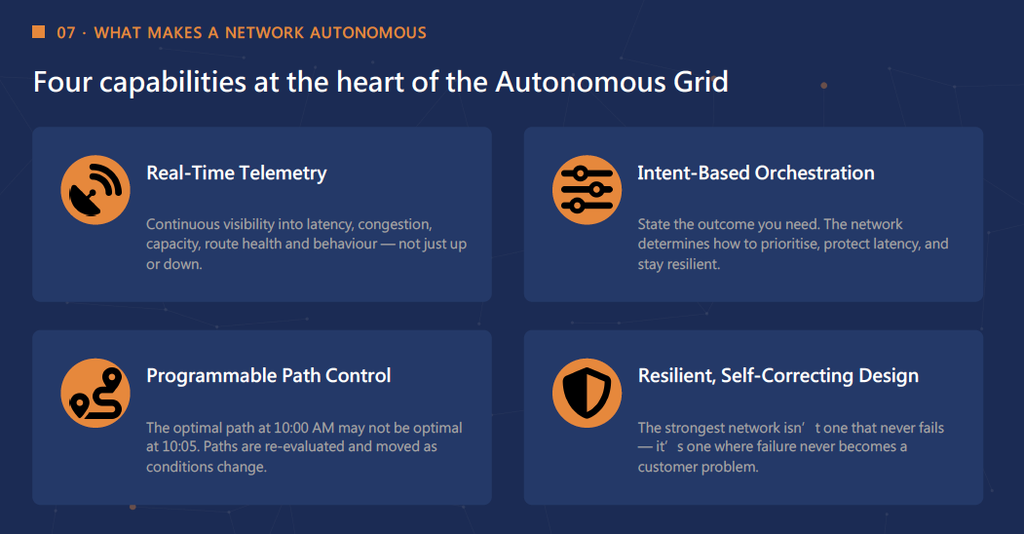
For Yukako, trust is never manufactured through formal legal agreements or static technical protocols; rather, it is forged steadily through firsthand experience, repeated professional interactions, and enduring personal relationships.
The sheer scale of modern incident response underscores the operational necessity of this trust. In the year 2025 alone, JPCERT/CC coordinated approximately 20,000 distinct cybersecurity incidents, a significant portion of which involved entities spanning multiple legal and geographical jurisdictions. Over the past twenty years, the organization has processed incident reports originating from organizations in more than 100 economies while issuing vital notifications to stakeholders across upwards of 160 economies. These figures demonstrate the deeply interconnected nature of the contemporary threat landscape, where effective defense requires cross-border information sharing and mutual confidence.
The Value of Community and Cultural Diversity
A substantial portion of Yukako’s remarks centered on the indispensable role that professional communities play in cultivating and strengthening these bonds of trust. Global networks such as APCERT and FIRST provide structured environments where security professionals can meet face-to-face, share operational experiences, participate in joint tabletop exercises, and build relationships that prove invaluable when real-world crises strike.
These professional relationships frequently begin with simple, routine interactions—exchanging a business card, introducing oneself at a workshop, or collaborating on a minor advisory note. Over time, however, these cumulative touchpoints form a reliable, trusted network that facilitates rapid communication and effective incident coordination under pressure. Reflecting on her own career trajectory, Yukako described spending years traveling across the globe, attending international forums, engaging directly with regional communities, and nurturing professional relationships over decades. "Trust is built by your own firsthand experience," she noted, emphasizing that true trust cannot be delegated to automated systems or created overnight.
Furthermore, Yukako addressed the profound cultural diversity inherent within the global Internet community, highlighting the necessity of understanding and respecting varying communication styles, workplace norms, and cultural expectations. Drawing on personal anecdotes, she demonstrated how subtle differences in how professionals ask questions, participate in public discussions, manage project timelines, and conduct business meetings can significantly influence international collaboration. Recognizing and adapting to these cultural nuances is essential for a community that operates across countless linguistic and geographical divides.
She encouraged all attendees at APNIC 62 to view the conference not merely as an educational seminar, but as an active networking opportunity. Every professional engagement and conversation initiated during the week serves as the foundational first step in building the trusted relationships required to weather future crises.
Two Sides of the Same Future
Though their specific subject matters differed, the keynotes delivered by Amajit Gupta and Yukako Uchida addressed two deeply intertwined dimensions of the Internet’s evolution. Amajit presented a vision of intelligent, highly autonomous network infrastructure capable of operating at machine speed to sustain complex artificial intelligence applications and digital economies. Yukako illuminated the vital human networks and interpersonal trust required for organizations to cooperate across borders, share critical intelligence, and mount a unified defense against cyber threats.
Both speakers converged on the reality that traditional, legacy approaches can no longer scale to meet the demands of tomorrow. Networks must become vastly more adaptive and automated, while Internet communities must continue to invest deeply in the interpersonal trust that makes collective problem-solving possible. As APNIC 62 attendees absorbed these insights, the overarching message remained clear: the resilience and prosperity of the future Internet will rest upon the twin pillars of intelligent infrastructure and trusted human communities.



Leave a Reply