
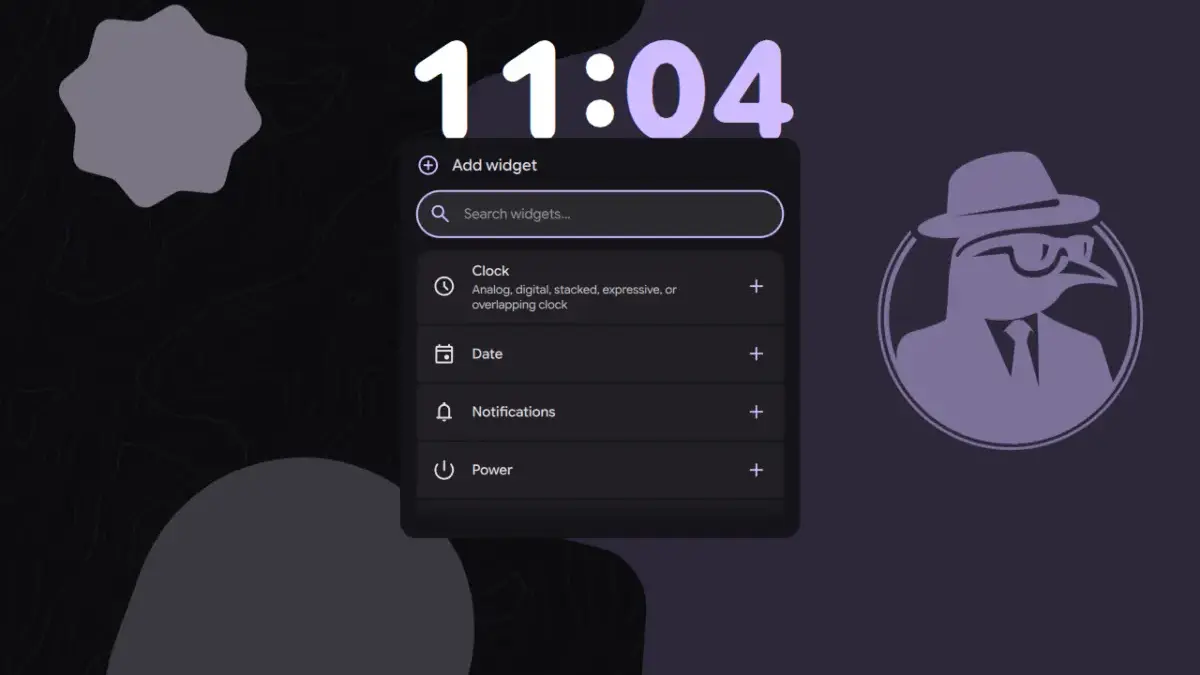
The popular Wayland desktop suite previously known as Dank Linux has officially retired its moniker. The project has published its final farewell post under its original identity on X, marking a definitive end to an era while simultaneously ushering in a comprehensive transformation. Accompanying this major shift is the immediate release of DMS 2.0, codenamed "Heisenberg," which landed on GitHub just a few hours ago, bringing a suite of structural enhancements, aesthetic overhauls, and a brand-new component to the open-source Linux ecosystem.
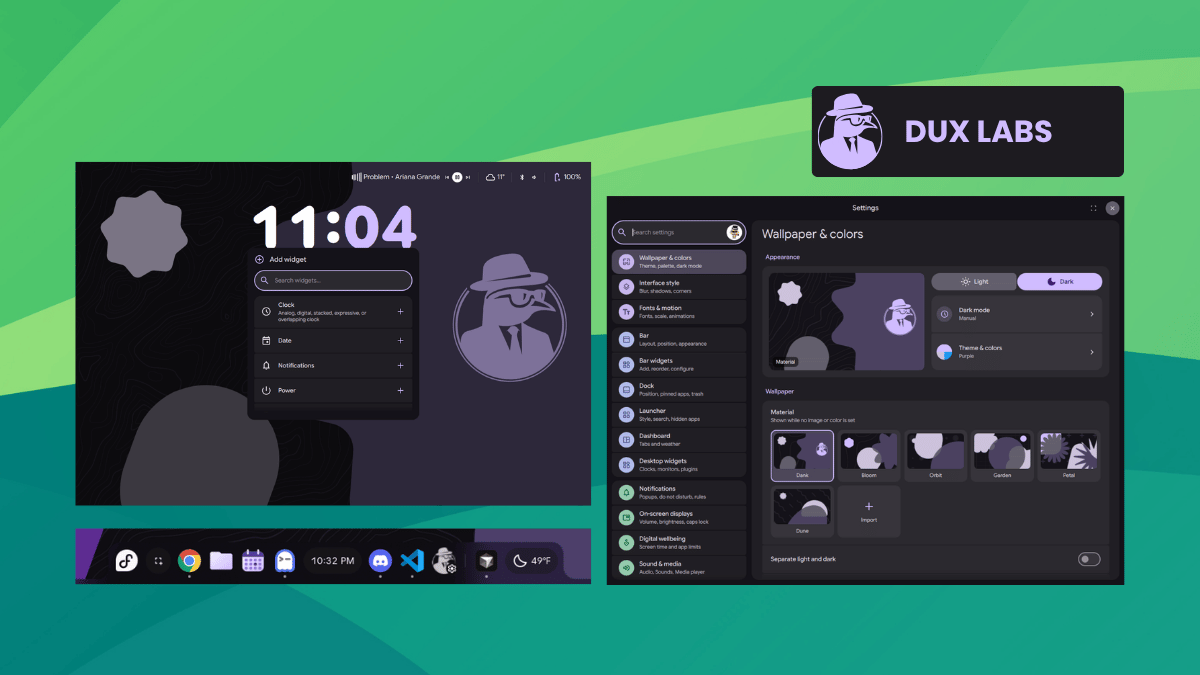
For those unfamiliar with the project, the shell functions as a robust Quickshell and Go-based environment designed to replace traditional standalone components like waybar, swaylock, mako, and fuzzel. Surrounding this core shell is an integrated ecosystem featuring a login greeter, a calendar application, a dedicated system monitor, and an advanced search service.
What began less than a year ago as a humble hobby project has expanded significantly since version 1.0 shipped in December of last year. Subsequent iterative releases have continuously introduced modern enhancements, including interactive desktop widgets, a streamlined application launcher, and fluid spring-based motion physics. With so many diverse components now integrated into a cohesive suite, the development team decided it was time to transition the entire project under a unified and forward-looking identity.

A Surprise Rebrand
The comprehensive rebranding initiative spans the entire ecosystem of applications and services. Dank Material Shell (DMS) is now officially known as Dux Shell. Similarly, the supporting utilities have been systematically renamed: the greeter is now Dux Greeter, the search tool is Dux Search, the system monitor is Dux GOP, and the calendar tool is Dux Calendar.
The overarching project—which was formerly called Dank Linux and served as the umbrella for the entire collection—has been renamed Dux Labs. This new moniker now represents both the overarching development organization and every individual application within the suite.
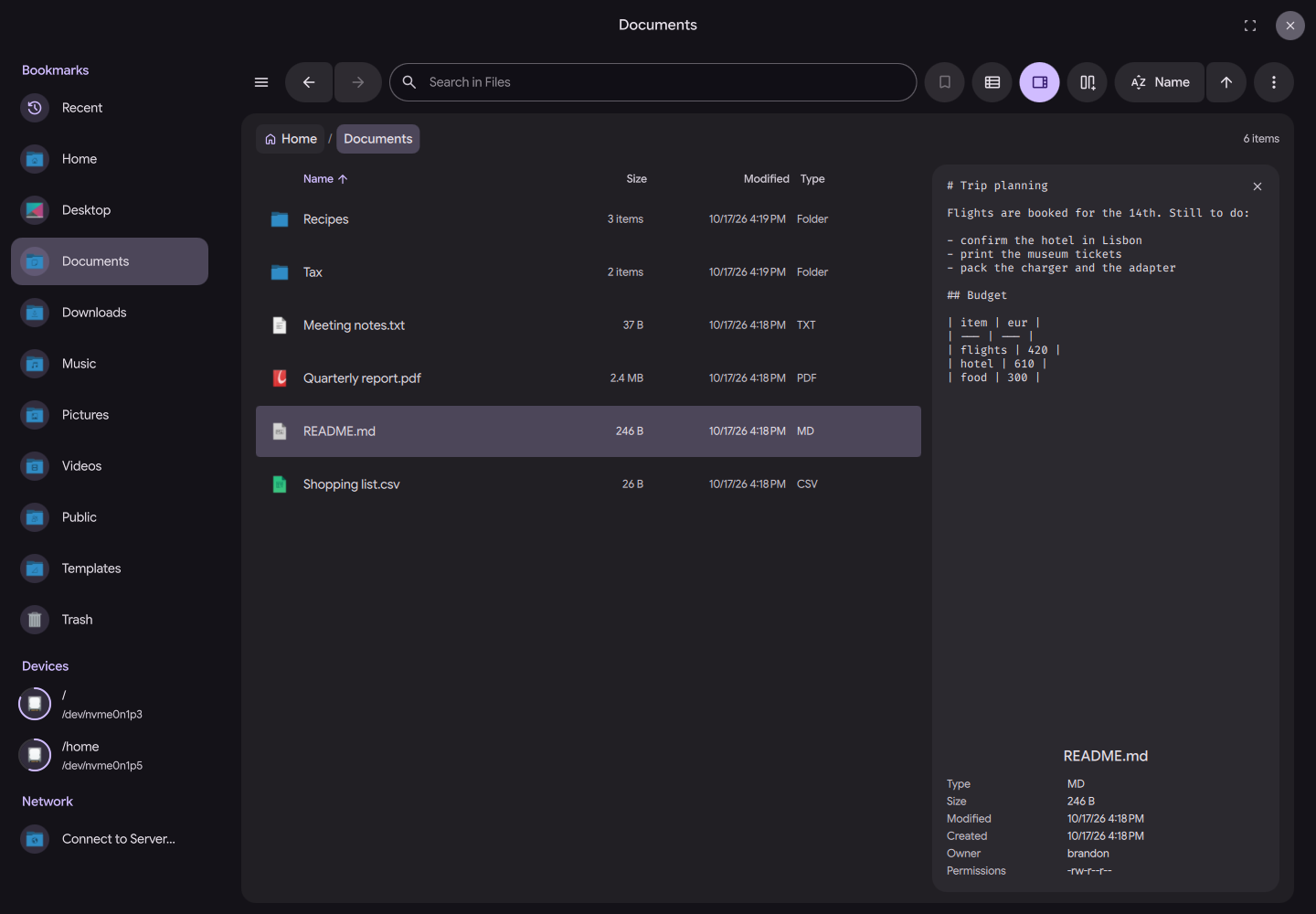
Alongside these name changes comes the introduction of a brand-new standalone utility: Dux Files. Unlike the rest of the suite, which consists of rebranded utilities, this file manager is a fresh addition to the ecosystem. It provides users with essential file management features, including tabbed browsing, split-view panes, a dedicated trash system, and robust network share integration. Furthermore, Dux Files is designed to dynamically inherit the active DMS theme whenever the shell is running, ensuring a consistent visual experience across the desktop environment.
The name "Dux" was chosen not only as a nod to Linux’s iconic penguin mascot, Tux, but also for practical reasons. Starting with the letter "D" allows legacy terminal commands like dms, dcal, and dgop to retain their original names, minimizing disruption for existing users.
The rationale behind the sudden rebrand stems from the evolution of the project itself. According to the developers, a name built around a single primary product no longer made sense for a diverse suite encompassing multiple standalone applications and a growing plugin community. Interestingly, the previous release, DMS 1.6, still carried the Dank branding and outlined plans for a standalone file browser and upcoming phone integration in its roadmap, meaning a comprehensive rename had not been publicly signaled until this final transition.
What’s New in DMS 2.0 "Heisenberg"
The newly released DMS 2.0 "Heisenberg" update is a packed and feature-rich milestone for the ecosystem. At the forefront of the visual changes is a modern Material 3 Expressive redesign, bringing a fresh and polished aesthetic to the interface. The update also introduces dedicated support for dashboard and dock plugins, as well as a highly customizable lock screen equipped with rearrangement-friendly widgets.
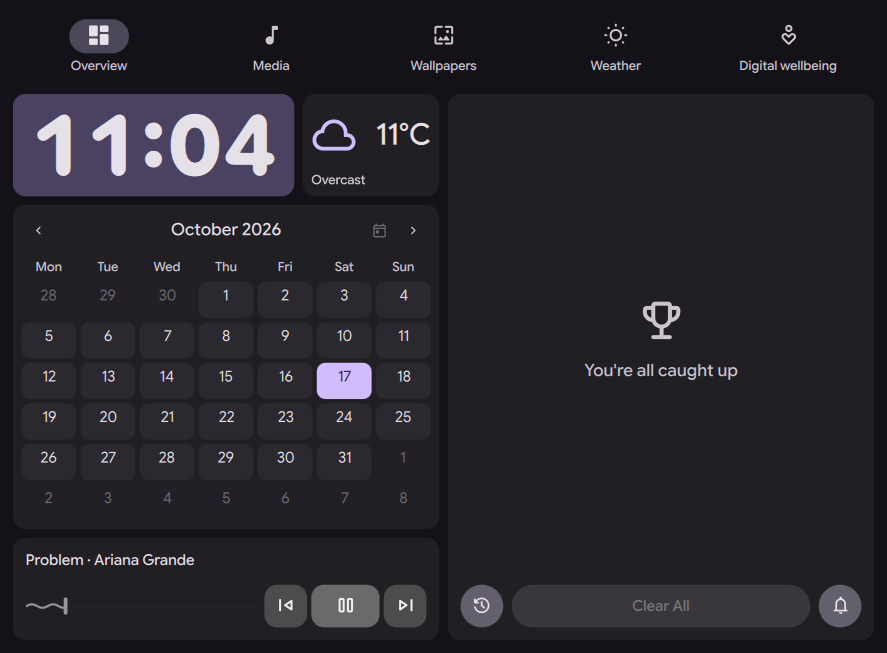
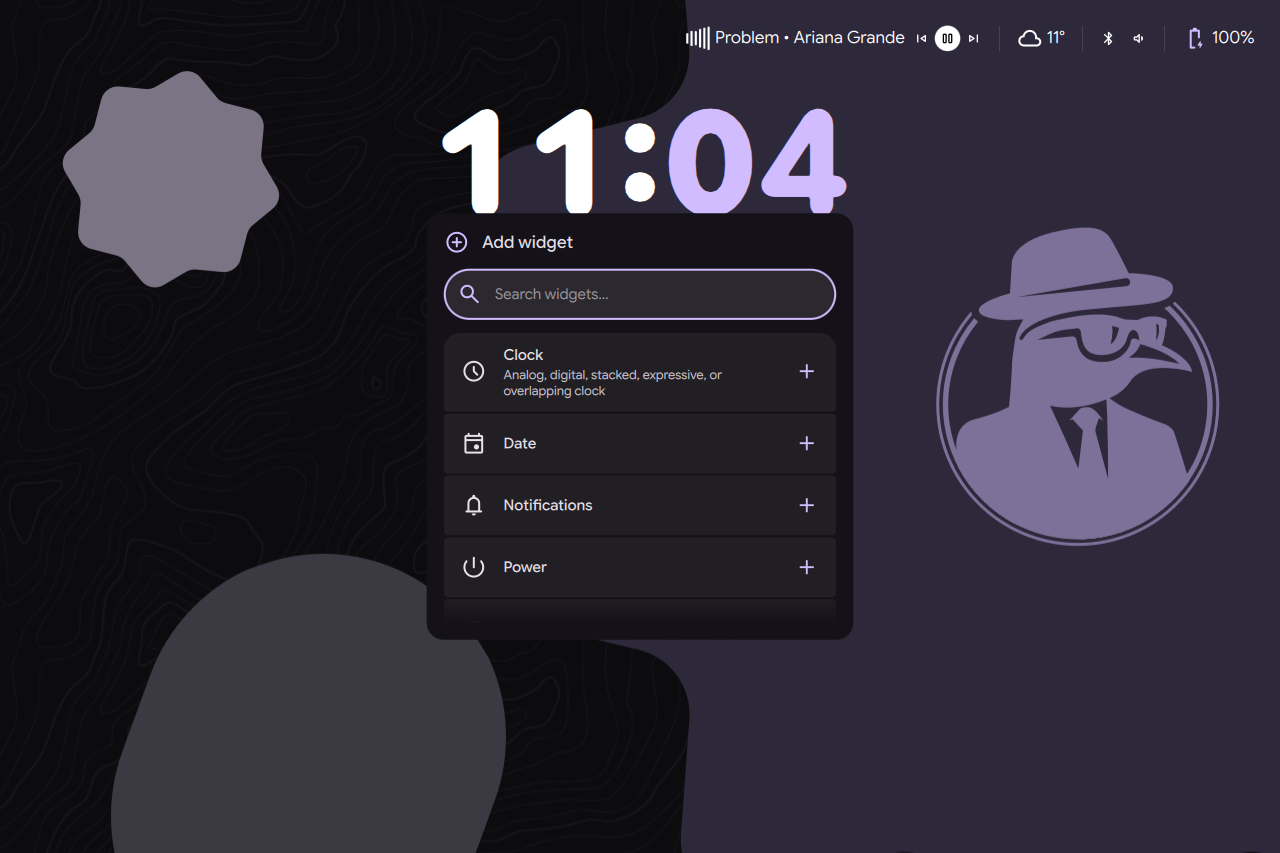
Another notable addition is Dux Dot, a free-floating companion tool that can act as a flexible replacement or supplement for the traditional status bar. Dux Dot is capable of dynamically transforming into interactive notifications, real-time weather reports, media playback controls, and wallpaper views, while also serving as a gateway to the control center, system dashboard, and application launcher.
Transitioning to Dux Labs
As part of this massive structural shift, the project has officially migrated away from the AvengeMedia umbrella and established a new independent organization on GitHub under the name Dux Labs.

Users navigating to the new organization page will find that all core repositories have been successfully transitioned to their new nomenclature. This includes dux-shell (formerly DankMaterialShell), dux-gop (formerly dgop), dux-search (formerly danksearch), dux-calendar (formerly dankcalendar), and dux-greeter (formerly dank-greeter).
While long-time enthusiasts may look back fondly on the distinct character of the original Dank branding, the developers’ decision reflects a strategic step toward broader maturity and organization. With the community largely embracing the transition and version 2.0 now available for testing and daily use, the project looks ahead to its next chapter under the Dux Labs banner.
Leave a Reply