
The intersection of artificial intelligence, robotics, and combat sports has officially crossed a line that regulators are refusing to ignore. A robotics startup finding itself at the bleeding edge of mechanical innovation has quickly learned that real-life robotic combat is subject to a strict set of earthly laws. Following a heavily publicized and dramatic stunt featuring a physical bout between a human fighter and a bipedal machine, the company behind the event has received an official cease-and-desist letter from the state of California.
Cix Liv, the founder and chief executive officer of the robotics startup REK, took to social media to share the official legal document received from state authorities. According to the shared notice, the California State Athletic Commission (CSAC)—the governing body typically responsible for overseeing professional boxing, martial arts, and combat sports within the state—has explicitly ordered the company to halt all activities related to holding, promoting, or sponsoring these unsanctioned physical bouts. The commission made it abundantly clear in the correspondence that organizing such combat events without the proper licensing, oversight, and regulatory approval constitutes a misdemeanor under state law.
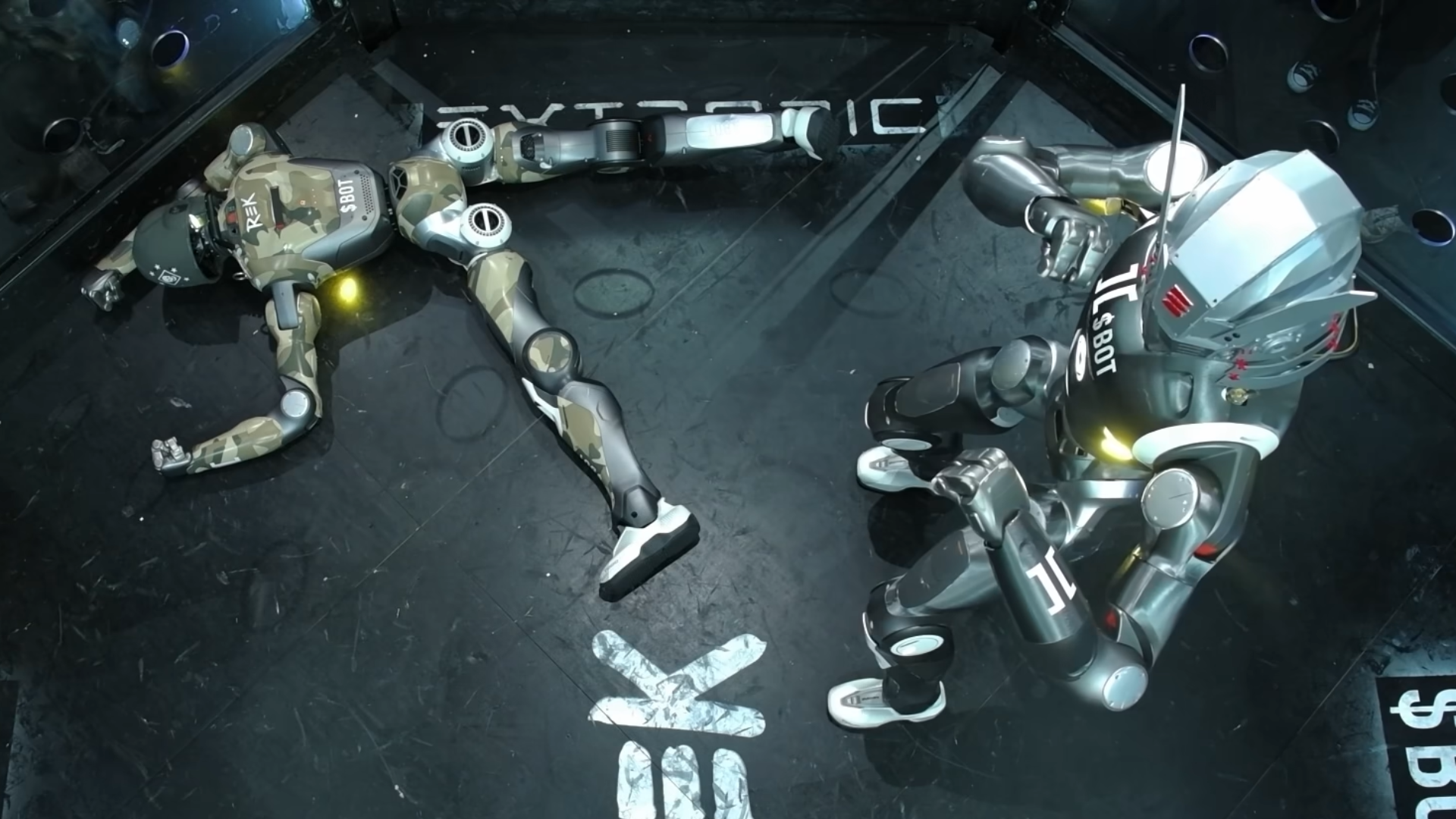
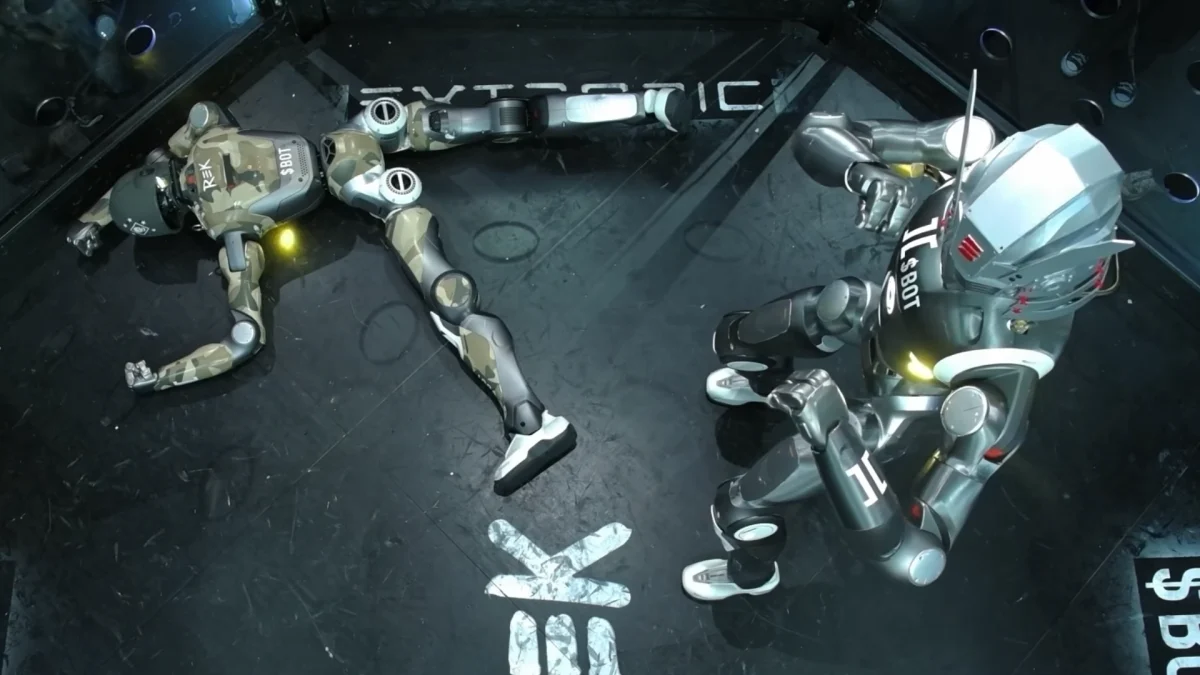
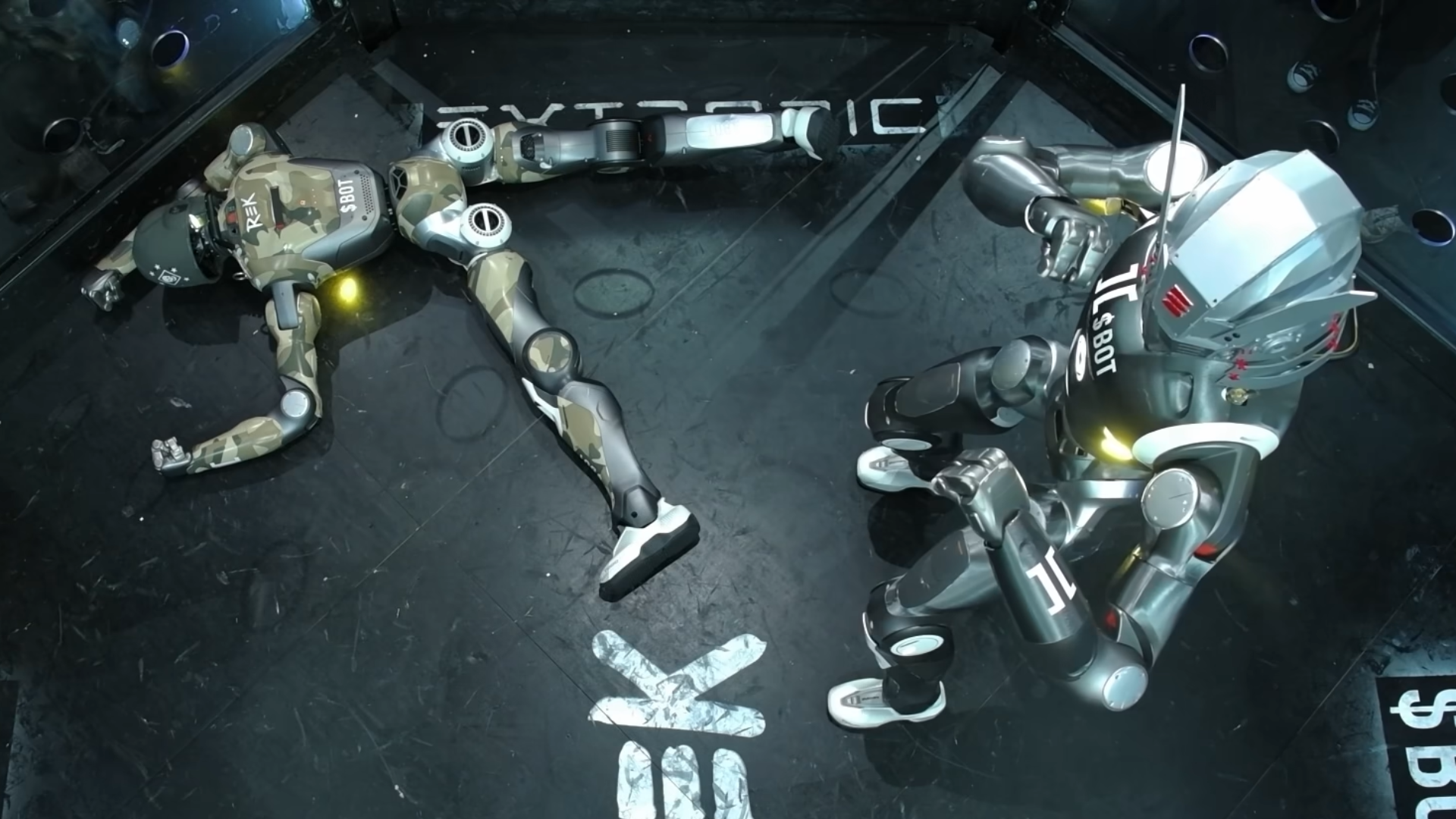
The enforcement action was triggered by a viral spectacle hosted by REK in San Francisco, which quickly captured the attention of internet users, tech enthusiasts, and regulatory officials alike. Billed by the company as the world’s first combat match between a human and a "Terminator-style" robot, the event featured a high-intensity showdown inside a ring, complete with the dramatic atmosphere of a professional prize fight. Video footage shared by Liv on social media showcased the bipedal machine trading blows and grappling with its human opponent before eventually being knocked down in the ring, instantly sparking widespread online debate over the rapid advancement of humanoid robotics and the ethical boundaries of human-machine interaction.
While the online audience leaned heavily into sci-fi tropes, questioning whether humanity was witnessing the dawn of a dystopian future or marveling at modern engineering prowess, the state government viewed the matter through a much more pragmatic and legalistic lens. The CSAC’s primary mandate involves ensuring the safety, health, and fair regulation of combatants stepping into a ring. Because the emerging field of humanoid robotics and automated combat sports occupies a completely unprecedented legal gray area, existing regulations do not account for machines stepping into the squared circle alongside human athletes.
The sudden intervention by California regulators highlights the unpredictable challenges that arise as advanced robotics transition out of controlled laboratory environments and into the public eye. For years, companies have developed bipedal robots capable of running, jumping, and performing complex maneuvers, often showing off their hardware through staged demonstrations or obstacle courses. However, introducing direct physical combat between humans and autonomous or remote-controlled machines introduces a novel set of safety risks, legal liabilities, and regulatory hurdles that government agencies are entirely unequipped to handle under current framework laws.
As robotics startups continue to push the boundaries of what machines can endure and execute physically, incidents like the REK fight serve as an early warning that regulatory bodies are closely watching. Whether future iterations of human-machine combat will ever find a legal pathway to return to the ring under sanctioned, highly regulated conditions remains entirely uncertain. For now, however, REK and other ambitious robotics developers have been firmly put on notice that staging real-life mechanical showdowns in California will require a lot more than just a sturdy ring and a viral social media strategy.



Leave a Reply